Visualizar em escala
 Enviar
 Compartilhar
 Ver detalhes

 Baixar
 Semelhantes
 Raio X
 Apresentação de slides
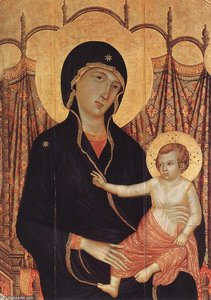
Chamado de Pedro e André
 Acrílico sobre tela
- Arte de Parede
- Sienese Gothic
 1308
1308- Alta Idade Média
 43.0 x 46.0 cm
 Galeria Nacional de Arte
 Ver mais
Giclée / Impressão de Arte
Impressão giclée ou em tela de qualidade de museu, com produção rápida e opções flexíveis de acabamento. ( Encomendar reprodução pintada à mão Comprar imagem em alta resolução)




P118B $10

P118H $10

P118W $10

P438Z $10

P508JH $12

P508YH $12

P805H $10

P805Z $10

P919BZ $10

P919G $10

P919XJ $10

P959ZH $10

P968JZ $12

W106C $8

W218G $10

W218JH $8

W218Y $10

W307PJ $10

W316G $10

W316PJ $8

W316Y $10

W398PJ $8

W4111J $10

W500HY $15

W500JH $15

W692G $12

W849H $8

W940BG $15

W953PJ $8




Escolha entre os nossos tamanhos pré-definidos que respeitam as proporções originais da obra de arte.

Você pode inserir suas próprias dimensões para se ajustar a uma moldura ou espaço específico. Se o tamanho selecionado não corresponder às proporções da imagem original, iremos recortar a obra de arte ou estender a imagem com uma borda espelhada ou preenchimento sólido. Um mockup digital será enviado para sua aprovação antes do início da produção.
Por favor, observe que a visualização na tela não reflete o recorte ou a extensão real. Apenas o mockup mostrará com precisão a composição final.
Embora tamanhos personalizados estejam disponíveis, recomendamos selecionar uma dimensão da lista predefinida para preservar as proporções originais.
Entrega mundial () em 2 semanas, em vez das 4/5 semanas padrão. (18 Agosto)

Envio Expresso Gratuito para todo o Mundo

Tela de Linho Premium

Seguro de transporte total

Garantia de Reembolso de Impostos Alfandegários

Garantia de Fidelidade de Cor

Política de Devolução de 60 Dias (Apenas para Defeitos)

Garantia de reembolso de 100%

Desconto para múltiplas unidades
 A opção de vidro está disponível apenas para tamanhos inferiores a 110 cm

Chamado de Pedro e André
Giclée / Impressão de Arte
Dimensões da Reprodução
-


Preço Total
$ 62
Descrição do Item
A Moment of Divine Encounter: Duccio’s *Calling of Peter and Andrew*
Duccio di Buoninsegna's *Calling of Peter and Andrew*, pintado em 1308, é uma joia da arte gótica sienesa. Esta tela temperada íntima oferece um vislumbre cativante de um dos momentos mais cruciais na narrativa cristã – o convite de Cristo aos seus primeiros discípulos. Medindo apenas 43 x 46 cm, seu tamanho modesto nega o peso espiritual e artístico profundo que ela carrega.Decodificando a Cena: Narrativa & Composição
A pintura retrata o momento exato em que Jesus chama Simon (Pedro) e André, que são representados como pescadores consertando suas redes em um pequeno barco. Cristo está de pé na costa rochosa, estendendo a mão em um gesto de convite. A composição é cuidadosamente equilibrada; as figuras no barco formam uma forma triangular estável, atraindo o olhar para a interação central. Uma figura solitária na colina observa esta troca sagrada, enquanto um pássaro voando acima sugere sutilmente a presença divina e a liberdade da fé. O cenário de fundo, embora simplificado, fornece um senso de profundidade e ambientação – um marulho tranquilo que espelha a paz interior do momento.Estilo Artístico & Técnica: Uma Ponte para o Renascimento
O estilo de Duccio é caracterizado por sua linearidade elegante, detalhes refinados e um naturalismo crescente dentro da tradição bizantina. Embora ainda empregue acentos dourados típicos da arte medieval, ele começa a se afastar das representações icônicas planas em direção a formas mais modeladas e rostos expressivos. A técnica temperada permite cores vibrantes e detalhes precisos, criando uma qualidade luminosa que realça a atmosfera espiritual. Observe como Duccio usa sombreamento sutil para definir os traços e o vestuário das figuras, indicando um entendimento da luz e do volume que se tornaria central na pintura renascentista.Contexto Histórico: Siena & A Altarpiece *Maestà*
Esta tela fazia parte originalmente do monumental altarpiece *Maestà*, encomendado para a Catedral de Siena, uma conquista notável na história da arte italiana. O *Maestà*, e suas painéis individuais como este um, representou um ponto de virada – um movimento em direção à maior complexidade narrativa e profundidade emocional na pintura religiosa. A obra de Duccio foi pioneira para sua época, influenciando gerações de artistas e estabelecendo a escola sienesa como uma força importante na arte italiana. O encargo em si reflete a prosperidade e a ambição artística da Siena durante este período.Simbolismo & Ressonância Espiritual
Além da representação literal da história bíblica, *Calling of Peter and Andrew* é rico em simbolismo. O barco representa a Igreja, navegando nas águas turbulentas da vida. O ato de pescar simboliza o "pesca por homens" – a missão de Cristo para reunir seguidores. A resposta imediata de Pedro e André, embora não mostrada explicitamente aqui, encarna fé e obediência. A atmosfera serena evoca um senso de paz divina e o poder transformador do encontro com Cristo.Impacto Emocional & Legado Duradouro
O apelo duradouro da pintura reside em sua capacidade de transmitir um profundo senso de intimidade e conexão espiritual. Não é uma cena dramática ou cheia de ação; mais bem, é um momento silencioso de convite e aceitação. Essa sutileza convida os espectadores a contemplar seu próprio relacionamento com a fé e o chamado ao discipulado. *Calling of Peter and Andrew* de Duccio permanece um testemunho do gênio artístico dele e uma expressão poderosa da devoção religiosa.- Artista: Duccio di Buoninsegna
- Data: 1308
- Meio: Tempera em painel
- Dimensões: 43 x 46 cm
- Localização Atual: National Gallery of Art, Washington D.C.
Obras Relacionadas


Biografia do Artista
The Sienese Luminary: Duccio di Buoninsegna and the Dawn of a New Italian Vision
Duccio di Buoninsegna, born in Siena around 1255, stands as a pivotal figure bridging the stylistic chasm between the Byzantine world and the burgeoning artistic sensibilities of Italy. While biographical details remain frustratingly scarce—the man himself often obscured by the brilliance of his art—his impact on the Sienese School and the trajectory of Italian painting is undeniable. He emerged during a period where religious iconography was deeply entrenched, yet a yearning for greater naturalism and emotional resonance was beginning to stir within artistic circles. Duccio wasn’t merely a painter; he was an innovator who dared to infuse sacred narratives with human feeling, subtly shifting the focus from rigid formality towards a more intimate connection between the divine and the earthly realm. His early training remains somewhat mysterious, though speculation suggests possible influences ranging from Florentine masters to direct exposure to Byzantine artistry—perhaps even travels to Constantinople itself. Whatever his formative experiences, they coalesced into a unique style that would define an era.
A Synthesis of Tradition and Innovation
Duccio’s artistic development wasn't a sudden rupture with the past but rather a graceful evolution. His initial works were deeply rooted in Byzantine conventions: the lavish use of gold leaf to evoke celestial light, stylized figures possessing an ethereal quality, and a meticulous attention to religious symbolism. However, even within these established parameters, Duccio began to subtly introduce elements that foreshadowed his later innovations. He experimented with spatial arrangements, hinting at depth where flatness had previously reigned supreme. His color palettes, while still vibrant, gained a newfound subtlety and harmony. More importantly, he started imbuing his figures with a nascent sense of humanity—a gentle curve of the mouth suggesting a smile, a slight tilt of the head conveying contemplation. This wasn’t a rejection of Byzantine ideals but a refinement, an infusion of life into what had often been static representations. He skillfully blended tradition and innovation, creating a style that was both reverent and remarkably fresh.
Masterpieces of Faith and Artistry
Two works stand as testaments to Duccio’s genius: the *Rucellai Madonna* (1285) and, most famously, the *Maestà* (1308-1311). The *Rucellai Madonna*, commissioned for a chapel in Florence, marked a significant departure from conventional Byzantine iconography. Its composition, while still adhering to traditional forms, displayed a greater sense of spatial organization and a more naturalistic depiction of the Virgin Mary and Child. But it was the *Maestà*—a monumental altarpiece created for Siena Cathedral—that truly cemented Duccio’s legacy. This sprawling masterpiece comprises numerous panels depicting scenes from the life of the Virgin Mary and Christ, each one a miniature work of art in itself. The Maestà is not merely a collection of paintings; it's a visual narrative, unfolding with breathtaking detail and emotional depth. Duccio’s mastery of light and shadow, his ability to convey complex emotions through subtle gestures, and his innovative use of perspective all converge in this single, awe-inspiring work. Beyond these monumental pieces, works like *Polyptych No. 28* demonstrate his continued compositional skill and meticulous attention to detail.
Influences and Legacy
Duccio’s artistic journey was shaped by a complex interplay of influences. While deeply rooted in Byzantine tradition—particularly the luminosity and stylized figures characteristic of that era—he also absorbed elements from Florentine art, notably the naturalism and psychological depth championed by Giotto. Some scholars suggest he may have spent time in Paris, encountering the Gothic style prevalent there at the time. This synthesis of influences resulted in a uniquely Sienese style characterized by its elegance, emotional intensity, and innovative use of space. His work profoundly impacted subsequent generations of Italian painters, shaping the development of the Sienese School and contributing to the broader evolution of Italian painting. He helped define the Trecento art movement, leaving an indelible mark on the history of Western painting.
A Lasting Legacy: Shaping the Future of Italian Art
Duccio di Buoninsegna’s influence extended far beyond his lifetime. He revolutionized Italian painting, paving the way for the development of the Sienese School—a distinct artistic tradition characterized by its elegance, refinement, and emotional intensity. His emphasis on naturalism, spatial depth, and human emotion directly impacted subsequent generations of artists, influencing not only those within Siena but also painters in Florence and beyond. While Giotto is often credited with initiating the Renaissance style, Duccio’s contributions were equally crucial, laying the groundwork for the artistic innovations that would define the 14th century and beyond.
- He pioneered new approaches to depicting space and perspective.
- His paintings are renowned for their vibrant and harmonious color schemes.
- He infused his figures with a sense of humanity and emotional resonance.
Despite facing financial hardships during his life, Duccio’s artistic legacy endures. His masterpieces continue to inspire awe and admiration, serving as a powerful reminder of the transformative power of art. He helped define the Trecento art movement, leaving an indelible mark on the history of Western painting.

Duccio di Buoninsegna
1255 - 1319 , Itália
Informações Rápidas
- Artistic Movement Or Style: Gótico Sienês
- Artists Or Movements Influenced By This Artist: ['Escola Sienesa']
- Artists Who Influenced This Artist: ['Arte Bizantina']
- Date Of Birth: c. 1255
- Date Of Death: 1319
- Full Name: Duccio di Buoninsegna
- Nationality: Italiano
- Notable Artworks:
- Maestà
- Rucellai Madonna
- Place Of Birth: Siena, Itália
Artigos Relacionados

Giotto di Bondone: As 25 Obras-Primas que Definiram a Arte Renascentista | ArtsDot
Descubra as 25 obras-primas de Giotto di Bondone, o mestre da Renascença! Explore a história por trás dos afrescos icônicos, cores vibrantes e emoção atemporal. Reproduções de arte exclusivas para decorar sua casa com elegância em ArtsDot.com.

Proto-Renascimento: 10 Obras-Primas que Moldaram a Arte Moderna | ArtsDot
Descubra as 10 obras-primas do Proto-Renascimento que revolucionaram a arte! Explore Giotto, Duccio e Cimabue. Encontre reproduções de alta qualidade para decorar sua casa com ArtsDot.com. Inspire-se!

Simone Martini: Innovation, Spirituality & Courtly Refinement in Sienese Painting
Explore the captivating world of Simone Martini, a pivotal figure in Sienese painting & the International Gothic style. Discover his innovative techniques, spiritual depth, and lasting influence on early Renaissance art.

Late Medieval Masterpieces: 10 Artworks That Defined an Era | ArtsDot
Journey through 10 defining Late Medieval masterpieces – from Giotto's frescoes to Jan van Eyck’s realism. Explore the stories, techniques & vibrant colors of Gothic art. Find museum-quality reproductions and elevate your home decor with ArtsDot.com! Discover all masterpieces on ArtsDot.com
La Biennale de Veneza: 25 Obras-Primas para Inspirar sua Decoração
Descubra as 25 obras-primas da Bienal de Veneza! Explore a história, artistas e cores vibrantes que definem a arte veneziana. Encontre reproduções de alta qualidade para inspirar sua decoração em ArtsDot.com.