

 Visualizar na parede
 Compartilhar
 Compartilhar
 Detalhes
 Guia
Guia

 Baixar imagem
 Semelhantes
 Raio X
 Ver diaporama
 Perguntas e Respostas
 Estatísticas
David

 Ler mais
Giclée / Impressão de Arte
Impressão giclée ou em tela de qualidade de museu, com produção rápida e opções flexíveis de acabamento. ( Comprar pintura feita à mão Alternar para Imagem Digital)




































Escolha entre os nossos tamanhos pré-definidos que respeitam as proporções originais da obra de arte.

Insira a largura e a altura desejadas para se ajustarem à sua moldura ou parede. Uma impressão pode ser apenas cortada, nunca ampliada além da imagem original; portanto, um tamanho com proporções diferentes resultará na perda de parte da imagem. Enviamos uma maquete digital para sua aprovação antes de realizarmos a impressão. A imagem exibida nesta página não mostra o corte real — apenas a maquete o faz.
Entrega mundial () em 2 semanas, em vez das 4/5 semanas padrão. (20 Novembro)

Envio expresso gratuito para todo o mundo

Tela de Linho de Alta Qualidade

Seguro de transporte completo

Garantia de Reembolso de Impostos Alfandegários

Garantia de Fidelidade Cromática

Política de Devolução em 100 Dias (Apenas para Defeitos)

Garantia de reembolso de 100%

Oferta de desconto por quantidade
 A opção de vidro está disponível apenas para tamanhos inferiores a 110 cm

David
Giclée / Impressão de Arte
Tamanho da Reprodução
-


Preço Total
€ 56
A Triumph of Youth: Donatello's "David"
Donatello’s bronze “David,” created sometime between 1435 and 1440, stands as a pivotal work in the history of Western art. This captivating sculpture, now housed at the Bargello Museum in Florence, represents not only a biblical narrative but also embodies the burgeoning humanist ideals of the Early Renaissance. Our hand-painted reproductions capture the exquisite detail and nuanced emotion of this iconic masterpiece, bringing its timeless beauty into your space.
Renaissance Innovation: Style & Technique
“David” marks a revolutionary departure from medieval artistic conventions. Donatello’s sculpture is significant as the first freestanding nude male figure since antiquity – a bold statement that signaled a renewed interest in classical art and human form. The style aligns squarely with the Early Renaissance, characterized by its realism, attention to anatomical detail, and idealized portrayal of the human body.
- Material & Technique: Cast in bronze using the lost-wax casting method, Donatello masterfully manipulated the metal to achieve a remarkable level of detail. The surface exhibits subtle variations in tone, reflecting the natural oxidation process that has occurred over centuries, adding to its visual richness and historical depth.
- Classical Influence: The pose and contrapposto (counterpose) – where weight is shifted onto one leg creating a relaxed yet balanced stance – clearly draw inspiration from ancient Greek and Roman sculptures.
- Emotional Realism: Unlike earlier depictions of David, Donatello portrays him as a youthful, almost effeminate figure, standing triumphantly over the severed head of Goliath. This portrayal sparked debate at the time but ultimately contributed to the sculpture’s enduring appeal.
Biblical Narrative & Symbolic Meaning
The subject matter—the biblical story of David and Goliath—is rich with symbolic meaning. David, the young shepherd boy who defeats the giant warrior, represents courage, faith, and divine favor overcoming brute strength and adversity. In the context of 15th-century Florence, this narrative resonated deeply with a city-state that often found itself facing powerful adversaries. The sculpture can be interpreted as an allegory for Florence’s own struggles and triumphs.
- Youth vs. Experience: David's youthfulness emphasizes the power of faith and ingenuity over physical strength and experience.
- Divine Favor: The sculpture suggests that divine intervention played a crucial role in David’s victory, highlighting the importance of religious belief.
- Humanism & Idealization: The idealized depiction of David's body reflects the humanist emphasis on human potential and beauty, characteristic of the Renaissance period.
An Enduring Legacy: Emotional Impact
Donatello’s “David” is more than just a sculpture; it’s an embodiment of the spirit of the Early Renaissance. The work evokes feelings of triumph, vulnerability, and contemplation. The gaze of David, both confident and slightly melancholic, invites viewers to reflect on themes of courage, faith, and the complexities of human nature. Our meticulously crafted reproductions aim to capture this emotional depth, allowing you to experience the power and beauty of Donatello’s masterpiece in your own home or office.
Perguntas e Respostas
As cores de "David" parecem intensas ou suaves?
A intensidade de cor de "David" é Monochromatic. A intensidade descreve o quão vibrantes as cores parecem ser.
Onde posso comprar reproduções pintadas à mão de "David", de Donatello?
Reproduções pintadas à mão de "David", de Donatello podem ser adquiridas no este site: uma reprodução a óleo pintada à mão sobre tela de linho, através da sua página de encomendas Reprodução Pintada à Mão.
As cores de "David", de Donatello são saturadas ou suaves?
A paleta de "David" possui uma saturação Muted.
Obras Relacionadas


Biografia do Artista
A Vida e a Identidade de Donatello
Nascido como Donato di Niccolò di Betto Bardi, o homem conhecido pela história como Donatello passou a sua vida entre as muralhas de Florença, na Itália. Ele chegou ao mundo por volta de 1386, uma época em que a cidade começava a remodelar a sua própria imagem através da pedra e do bronze. A sua presença na paisagem florentina era constante, marcada por uma mão firme e um foco na realidade física dos seus temas. Ele foi um escultor do Renascimento italiano que compreendia o peso dos materiais que manipulava, desde a dureza do mármore até à fluidez da cera.
A sua obra não foi uma busca solitária pela perfeição, mas sim uma série de respostas às necessidades do seu tempo. Ele percorreu as ruas de Florença, trabalhando em diversos meios e deixando um rastro de figuras que capturavam uma presença humana específica. Embora fosse conhecido por ser amável e querido por aqueles que o rodeavam, ele enfrentava dificuldades com as questões práticas de gerir um negócio. Frequentemente, assumia mais trabalho do que as suas mãos podiam concluir em tempo útil, deixando por vezes os toques finais a outros ou entregando peças mais tarde do que o esperado. Esta tendência para o excesso de compromisso sugere um homem mais preocupado com o ato da criação do que com a gestão de uma oficina.
Donatello morreu em Florença a 13 de dezembro de 1466. Deixou para trás um conjunto de obras que mudou a forma como os escultores abordavam a forma humana, afastando-se das tradições rígidas do passado em direção a algo mais terreno e expressivo. A sua vida estava ligada à cidade, e a sua identidade permanece inseparável do solo florentino onde viveu e trabalhou.
Juventude e Formação Artística
Nascido em Florença, na Itália, Donatello cresceu em uma cidade que atuava como o epicentro primordial para o florescente Renascimento. Este ambiente proporcionou a energia cultural essencial para o seu desenvolvimento. Ele passou seus primeiros anos imerso na atmosfera local, onde o afastamento das rígidas tradições medievais já começava a ganhar força. Sua conexão com a paisagem florentina era profunda, uma vez que os valores em evolução da cidade moldaram sua abordagem inicial em relação à forma e à figura.
Sua formação envolveu um estudo minucioso da escultura clássica. Esse foco na antiguidade ajudou-o a caminhar em direção a um novo estilo que priorizava o realismo e o humanismo. Antes de encontrar sua própria voz, ele aprendeu o estilo Gótico Internacional com Lorenzo Ghiberti. Este período de aprendizado permitiu-lhe dominar as habilidades técnicas de seu ofício antes de começar a desviar-se daquelas tradições estabelecidas. Ele trabalhou com diversos materiais, incluindo pedra, bronze, madeira, argila, estuque e cera, utilizando frequentemente o vidro de maneiras inventivas para alcançar efeitos específicos.
Patronos, Oficina e Comissões
As mãos de Donatello estavam frequentemente ocupadas. Ele tinha o hábito de aceitar mais trabalhos do que sua agenda podia comportar, uma tendência que, por vezes, significava que projetos eram concluídos com atraso ou entregues a outros para serem finalizados. Essa carga de trabalho exaustiva exigia uma presença constante em sua oficina, onde ele trabalhava ao lado de diversos assistentes. Um grupo de quatro colaboradores era o número típico de seu estúdio, auxiliando-o a gerenciar as exigências físicas do manuseio da pedra, do bronze e da argila.
A família Medici ofereceu um apoio constante, proporcionando o tipo de patronato que o permitiu atravessar as diferentes fases de sua vida. Seu alcance estendia-se muito além das ruas de Florença; ele viajou para trabalhar em comissões em Roma, Pádua e Siena. Esse movimento entre cidades significava que sua prática nunca esteve confinada a um único lugar, pois ele levava seus métodos e seus assistentes para diversos centros de atividade.
- Estatua Equestre de Gattamelata (1447)
- David (1409)
- São Marcos (1411)
- São Jorge (1416)
Técnicas Inovadoras e Estilo Artístico
A abordagem de Donatello em relação à escultura distanciou-se das tradições rígidas do estilo Gótico Internacional, pavimentando o caminho para uma nova era. Ele desenvolveu um estilo do início do Renascimento que favorecia uma forma inédita de realismo, alcançada através de uma compreensão profunda da anatomia humana e da maneira como a luz incide sobre as superfícies. Longe de se limitar a um único meio, o artista explorou com maestria a pedra, o bronze, a madeira, a argila, o estuque e a cera, encontrando inclusive formas inventivas de utilizar o vidro para conferir detalhes minuciosos às suas figuras.
Uma de suas contribuições técnicas mais singulares foi o desenvolvimento do rilievo stiacciato. Trata-se de um tipo de baixo-relevo extremamente sutil, onde a escultura é tão rasa que cria uma ilusão de profundidade através de variações quase imperceptíveis na espessura. Ao dominar este método, Donatello conseguia sugerir perspectiva e distância em superfícies praticamente planas. Sua obra é frequentemente marcada por uma tensão palpável entre o peso físico do material e o movimento expressivo do sujeito; ele possuía o talento de fazer o mármore parecer tão suave quanto a pele ou de conferir ao bronze uma sensação de energia muscular densa e vigorosa.
- David (bronze)
- Monumento Equestre de Gattamelata
- São Jorge (mármore)
Obras-Primas Escultóricas
No ano de 1416, ele concluiu São Jorge, uma figura em mármore que captura uma sensação de coragem resoluta. A escultura retrata o cavaleiro em armadura, equilibrando-se sobre a parte frontal dos pés em vez de adotar um contrapposto tradicional. Há uma sensação palpável do corpo muscular trabalhando sob a superfície da pedra. Esta obra foi uma das muitas encomendadas pelas guildas de Florença para decorar os nichos externos da Igreja de Orsanmichele.
Seu David em bronze permanece como um ponto crucial na história da escultura, sendo a primeira escultura masculina nua e independente produzida desde a Antiguidade. A figura é retratada com um sorriso enigmático, com um pé pousado sobre a cabeça decepada de Golias. Enquanto a versão em mármore deste tema foi uma encomenda precoce, a versão em bronze destaca-se pelo seu físico delicado e andrógino, e pela forma como utiliza a nudez do jovem para contrastar com a pesada espada em sua mão.
Mais tarde em sua carreira, ele moveu-se em direção a diferentes materiais e escalas. O Monumento Equestre de Gattamelata, criado em 1453, é uma obra massiva em bronze localizada em Pádua. Por volta de 1440, ele produziu a Madalena Penitente, uma escultura de madeira esculpida em álamo branco. Esta figura é magra e emaciada, distanciando-se das representações típicas de uma bela jovem. A talha é austera e altamente detalhada, revelando uma faceta distinta de sua maestria técnica.
- São Jorge, 1416
- David (bronze), c. 1440
- Madalena Penitente, c. 1440
- Monumento Equestre de Gattamelata, 1453
Legado e Influência Artística
A abordagem de Donatello em relação à forma não encontrou aceitação imediata em sua comunidade. Sua obra evoluiu através de fases distintas, iniciando com um foco na monumentalidade clássica e um crescente senso de expressividade. À medida que sua carreira progredia, esse estilo ganhava força, tornando-se, eventualmente, a forma de trabalhar mais popular na região. Sua influência estendeu-se muito além das fronteiras de Florença, espalhando-se por outras cortes italianas e afetando artistas por toda a Europa.
A maneira como ele manipulava os materiais permitia uma vasta gama de profundidades emocionais. Ele transitou da presença pesada e sólida de suas primeiras figuras em mármore para obras mais austeras, e até brutais, em seus anos finais. Essa transição revelou uma disposição para explorar a condição humana através de texturas variadas, desde as superfícies polidas da pedra até a madeira texturizada e esguia de suas últimas esculturas religiosas. Sua habilidade em capturar uma sensação de movimento e peso psicológico transformou permanentemente a maneira como os escultores abordavam a figura humana.
- David (bronze)
- Estátua Equestre de Gattamelata
- São Jorge
- Madalena Penitente

Donatello
1386 - 1466 , Itália
Dados Rápidos
- Artistic Movement Or Style: Renascimento Inicial
- Artists Or Movements Influenced By This Artist:
- Renascimento Italiano
- Artistas Europeus
- Date Of Birth: 1386
- Date Of Death: 1466
- Full Name: Donato di Niccolò di Betto Bardi
- Nationality: Italiano
- Notable Artworks:
- David
- São Luís de Toulouse
- O Sacrifício de Isaac
- Crucifixo
- Estátua Equestre de Gattamelata
- Place Of Birth: Florença, Itália
Artigos Relacionados

Mannerismo: 10 Obras-Primas que Moldaram um Movimento Artístico Elegante
Descubra as 10 obras-primas do Mannerismo! Explore a elegância de Pontormo, Bronzino e El Greco. A história, técnica e cores que definiram este movimento artístico renascentista. Reproduções de arte exclusivas em ArtsDot.com.

Echoes of Faith: Devotion as Central Theme in Western Art History
Explore the rich history of religious art with ArtsDot.com! Discover iconic artworks, symbolism & techniques from antiquity to the Renaissance. Enhance your art appreciation today.

Renascimento Humanista: 10 Obras-Primas que Moldaram a Arte Moderna | ArtsDot
Descubra as 10 obras-primas do Renascimento Humanista! Explore a história de Leonardo da Vinci, Michelangelo e Rafael. Encontre reproduções de arte exclusivas para decorar sua casa com elegância. ArtsDot: beleza atemporal ao seu alcance.
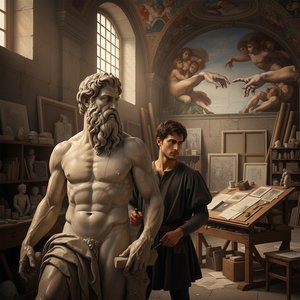
Michelangelo Buonarroti: A Renaissance Titan – Life, Works & Enduring Legacy
Explore the life, works & enduring legacy of Michelangelo Buonarroti, a Renaissance titan. Discover his iconic sculptures, frescoes, and architectural achievements. Expert art consultation & high-quality reproductions at ArtsDot.

Proto-Renascimento: 10 Obras-Primas que Moldaram a Arte Moderna | ArtsDot
Descubra as 10 obras-primas do Proto-Renascimento que revolucionaram a arte! Explore Giotto, Duccio e Cimabue. Encontre reproduções de alta qualidade para decorar sua casa com ArtsDot.com. Inspire-se!
