
- Início

- Reprodução de Pintura a Óleo
- Jacob de Wit
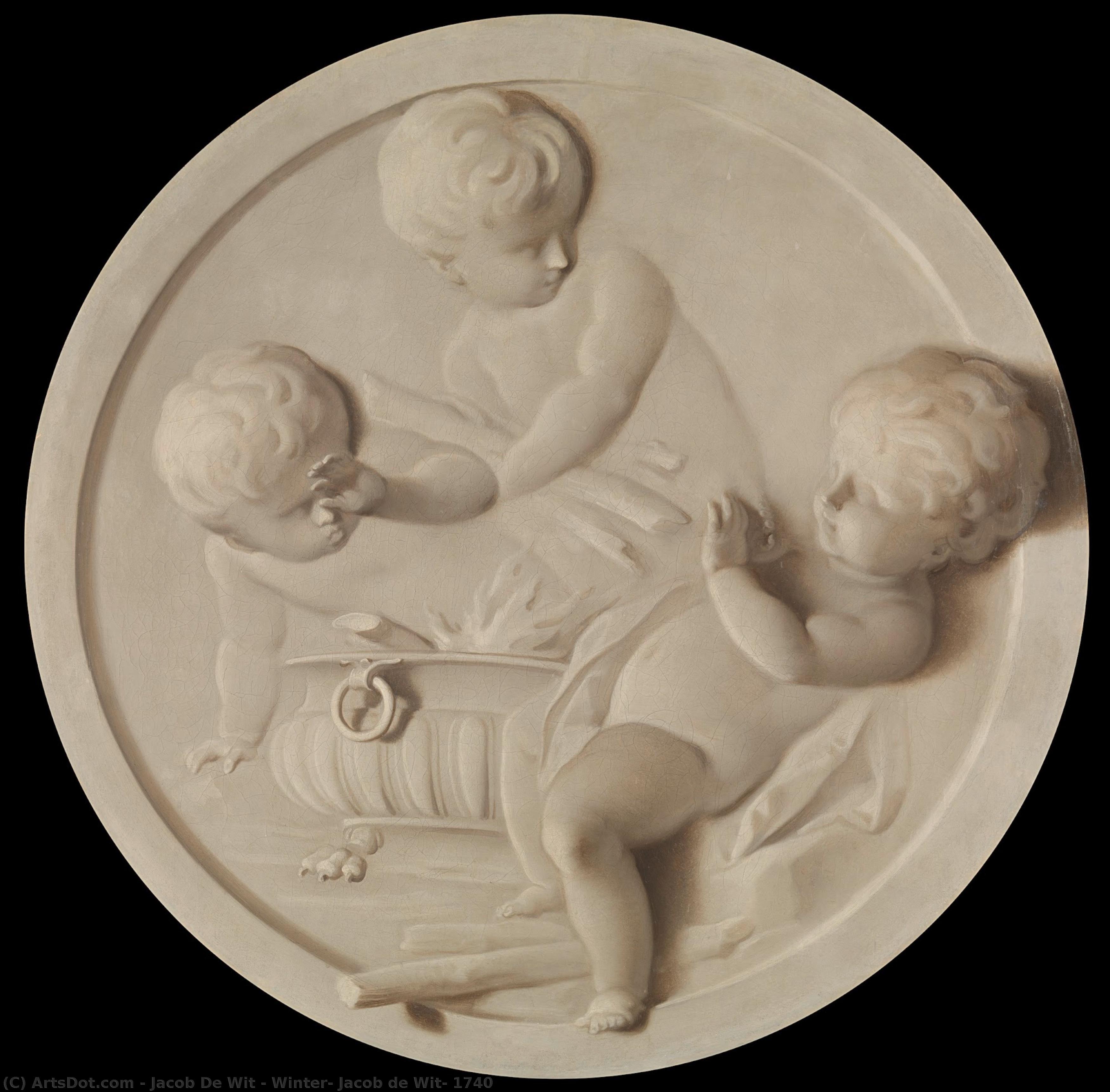
- Winter, Jacob de Wit, 1740
 Comprar impressão Comprar imagem em alta resolução
 Enviar
 Compartilhar
 Details
 Adicionar aos favoritos

 Baixar
 Semelhantes
 X-Ray
X-Ray
 Slideshow
Winter, Jacob de Wit, 1740
 1740
1740 101.0 x 98.0 cm
Reprodução em Óleo Feita à Mão
Óleo sobre tela pintado à mão no seu tamanho e moldura, feito sob encomenda pelos nossos artistas.




































 Saiba mais
Escolha entre os nossos tamanhos pré-definidos que respeitam as proporções originais da obra de arte.

Pode inserir as suas próprias dimensões para se adequar a uma moldura ou espaço específico. Se o tamanho selecionado não corresponder às proporções da imagem original, iremos cortar a obra de arte ou estender a pintura com elementos adicionais pintados à mão. Um esboço digital será enviado para sua aprovação antes do início da produção.
Tenha em atenção que a pré-visualização no ecrã não reflete o corte ou extensão real. Apenas o esboço mostrará com precisão a composição final.
Embora tamanhos personalizados estejam disponíveis, recomendamos selecionar uma dimensão da lista predefinida para preservar as proporções originais.
Após o pedido, a equipa ArtsDot.com enviará um e-mail ao cliente para solicitar instruções e fornecer uma prévia do esboço.
Entrega Mundial () em 3 a 4 semanas, em vez das 5 semanas padrão. (1 Julho). Sem comprometer a qualidade.

Envio Expresso Gratuito para todo o Mundo

Tela de Linho Premium

Seguro de envio completo

Garantia de Reembolso de Impostos Alfandegários

Garantia de Fidelidade de Cores

Política de Devolução de 60 Dias (Apenas para Defeitos)

Garantia de 100% de Reembolso

Desconto para múltiplas unidades
 A opção de vidro está disponível apenas para tamanhos inferiores a 110 cm

Winter, Jacob de Wit, 1740
Técnica de Reprodução
Dimensões da Reprodução
-


Preço Total Final
-
Descrição da Obra
Biografia do Artista
Jacob de Wit: A Master of Grisaille and Antwerp’s Baroque Legacy
Jacob de Wit (1695 – 1754) stands as a pivotal figure in Dutch Rococo art, celebrated primarily for his breathtaking ceiling paintings and intricately crafted door panels that adorn historic buildings across Amsterdam and Haarlem. More than just decorative embellishments, these artworks represent a remarkable fusion of artistic skill and meticulous craftsmanship, reflecting the opulent tastes of the era and cementing de Wit’s place as one of the most influential interior decorators of his time. Born in Amsterdam, De Wit’s formative years were marked by tutelage under Albert van Spiers and Jacob van Hal – masters who instilled in him a profound understanding of Baroque principles while simultaneously nurturing his burgeoning talent for Rococo aesthetics. His guild membership in St Luke's Amsterdam in 1714 solidified his position within the artistic community, propelling him to Antwerp where he honed his observational skills by sketching the magnificent Rubens ceilings at the Carolus Borromeuskerk – a commission that would later yield a meticulously documented watercolor series published in 1751. This project served as both a testament to De Wit’s technical prowess and an invaluable historical record of Antwerp's artistic heritage, demonstrating his dedication to preserving cultural treasures. De Wit’s pupils included Jan de Groot, Dionys van Nijmegen, Jan Punt, Pieter Tanjé, and the brothers Frans and Jacob Xavier – individuals who absorbed his stylistic vision and continued his legacy as artists themselves. His work exemplifies a distinctive approach characterized by subtle tonal gradations—a technique known as grisaille—which lends an ethereal quality to his paintings. Unlike vibrant color palettes typical of other Rococo artists, De Wit favored monochrome shades of grey, skillfully manipulating light and shadow to create dramatic compositions that conveyed profound spiritual depth. This masterful use of grisaille distinguishes him from contemporaries like Isaac de Moucheron and Giovanni Battista Gaulli, establishing a unique artistic signature. His output spanned numerous commissions across Amsterdam and Haarlem’s fashionable villas, showcasing his versatility as an artist and decorator. Beyond his celebrated ceiling paintings, De Wit produced stunning door panels—often depicting biblical scenes or mythological narratives—that served as focal points within grand interiors. These works are not merely aesthetically pleasing; they embody the intellectual fervor of the Enlightenment, reflecting a preoccupation with classical mythology and religious iconography. The enduring presence of De Wit’s creations in Amsterdam's historic district underscores his lasting impact on architectural decoration and artistic tradition. Ultimately, Jacob de Wit’s contribution to Dutch Baroque art transcends mere visual beauty. He represents an embodiment of meticulous craftsmanship combined with profound artistic vision—a legacy that continues to inspire admiration and scholarly study today. His influence can be seen in the works of subsequent generations of artists, securing his place as a cornerstone of Antwerp's artistic history and a symbol of Dutch Rococo excellence.
Jacob de Wit
1695 - 1754 , Netherlands
Informações Rápidas
- Artistic Movement Or Style: Rococo Painting
- Artists Or Movements Influenced By This Artist: ['Jan Punt']
- Artists Who Influenced This Artist:
- Albert van Spiers
- Jacob van Hal
- Date Of Birth: Amsterdam, Netherlands (1695)
- Date Of Death: 1754
- Full Name: Jacob de Wit
- Nationality: Dutch
- Notable Artworks:
- Autumn
- Summer
- Winter
- Place Of Birth: Amsterdam


