

 Visualizar em escala
 Enviar
 Compartilhar
 Ver detalhes

 Baixar
 Semelhantes
 Raio X
 Apresentação de slides
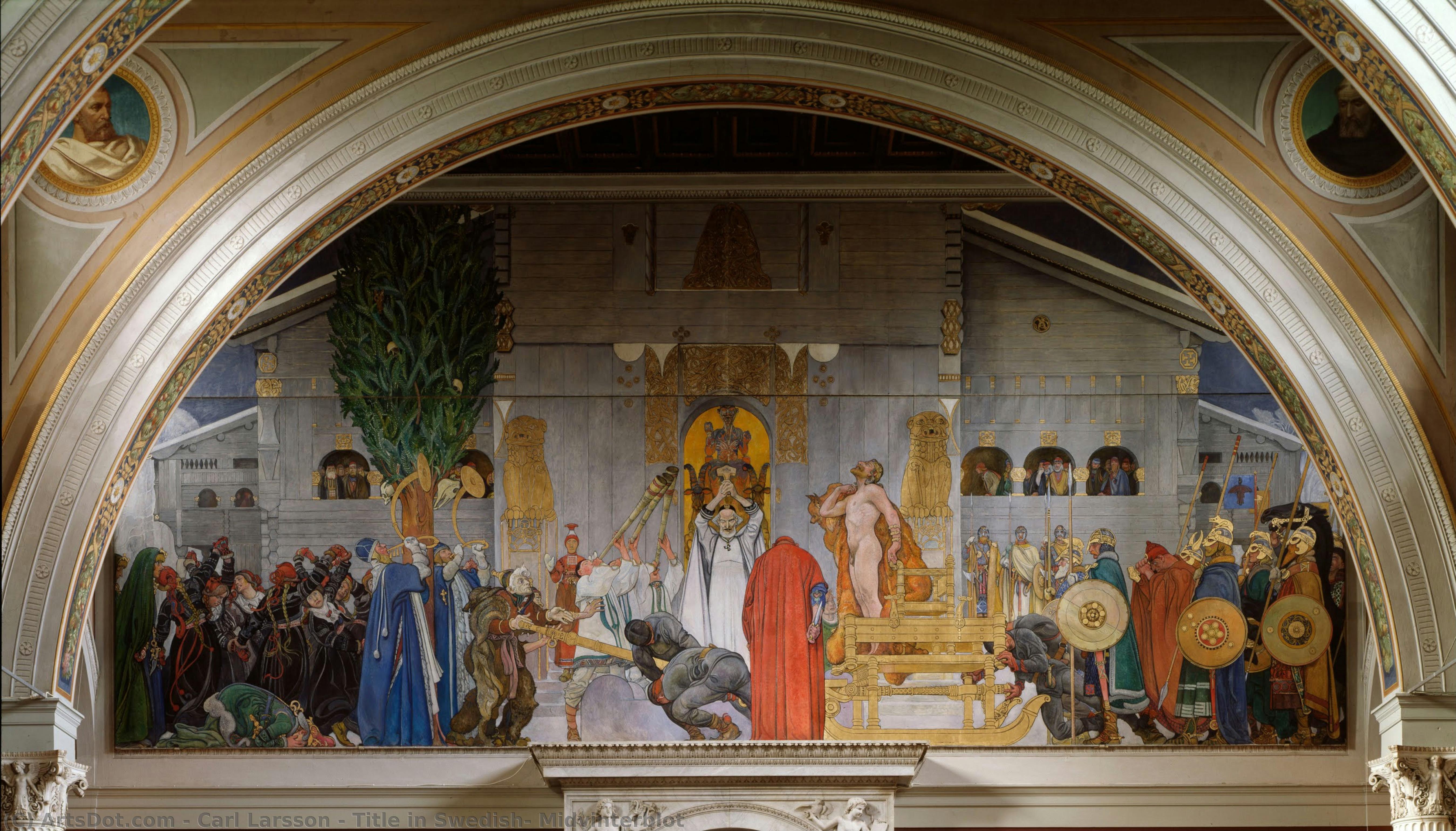
Title in Swedish: Midvinterblot
 Acrylic On Canvas
- WallArt
- Art Nouveau
 1915
1915- 19th Century
 13600.0 x 6400.0 cm
 Nationalmuseum
 Ver mais
Giclée / Impressão de Arte
Impressão giclée ou em tela de qualidade de museu, com produção rápida e opções flexíveis de acabamento. ( Encomendar reprodução pintada à mão Comprar imagem em alta resolução)




P118B $10

P118H $10

P118W $10

P438Z $10

P508JH $12

P508YH $12

P805H $10

P805Z $10

P919BZ $10

P919G $10

P919XJ $10

P959ZH $10

P968JZ $12

W106C $8

W218G $10

W218JH $8

W218Y $10

W307PJ $10

W316G $10

W316PJ $8

W316Y $10

W398PJ $8

W4111J $10

W500HY $15

W500JH $15

W692G $12

W849H $8

W940BG $15

W953PJ $8




Escolha entre os nossos tamanhos pré-definidos que respeitam as proporções originais da obra de arte.

Você pode inserir suas próprias dimensões para se ajustar a uma moldura ou espaço específico. Se o tamanho selecionado não corresponder às proporções da imagem original, iremos recortar a obra de arte ou estender a imagem com uma borda espelhada ou preenchimento sólido. Um mockup digital será enviado para sua aprovação antes do início da produção.
Por favor, observe que a visualização na tela não reflete o recorte ou a extensão real. Apenas o mockup mostrará com precisão a composição final.
Embora tamanhos personalizados estejam disponíveis, recomendamos selecionar uma dimensão da lista predefinida para preservar as proporções originais.
Entrega mundial () em 2 semanas, em vez das 4/5 semanas padrão. (14 Agosto)

Envio Expresso Gratuito para todo o Mundo

Tela de Linho Premium

Seguro de transporte total

Garantia de Reembolso de Impostos Alfandegários

Garantia de Fidelidade de Cor

Política de Devolução de 60 Dias (Apenas para Defeitos)

Garantia de reembolso de 100%

Desconto para múltiplas unidades
 A opção de vidro está disponível apenas para tamanhos inferiores a 110 cm

Title in Swedish: Midvinterblot
Giclée / Impressão de Arte
Dimensões da Reprodução
-


Preço Total
$ 62
Descrição do Item
A Frozen Rite: Unveiling Carl Larsson’s ‘Midvinterblot’
Carl Larsson's “Midvinterblot,” completed in 1915, isn’t merely a painting; it’s a visceral plunge into the heart of Swedish mythology and a potent commentary on artistic convention. Measuring an imposing 6.5 by 13.5 meters, this mural dominates any space it graces, demanding attention with its scale and arresting imagery. Initially rejected by the Nationalmuseum due to historical inaccuracies and perceived offense – reflecting anxieties about the shifting landscape of modern art – “Midvinterblot” has since been recognized as a masterpiece of Art Nouveau influence, a dramatic fusion of ancient ritual and evocative symbolism.
The scene depicts a chilling tableau: King Domalde, stripped bare and dragged onto a gilded sled, awaits sacrifice before the towering temple of Uppsala. The air crackles with an unsettling energy, conveyed through Larsson’s masterful use of color and light. Deep blues and purples dominate the palette, creating a sense of foreboding and winter's grip, while flashes of gold highlight the sacrificial altar and the opulent details of the temple. The figures surrounding Domalde – warriors armed to the teeth, ecstatic women dancing in a frenzy, and a priest concealing his blade – are rendered with an almost sculptural quality, their forms imbued with both power and vulnerability.
Art Nouveau’s Dramatic Embrace
Larsson's choice of subject matter—a pagan sacrifice rooted in the Eddas of Snorri Sturluson—was deliberately provocative. He wasn’t simply recreating a historical event; he was tapping into a primal, almost unsettling, narrative that resonated deeply with Scandinavian folklore and anxieties about societal change. The painting is undeniably infused with Art Nouveau principles: flowing lines, stylized forms, and an emphasis on decorative elements are evident throughout the composition. The intricate detailing of the temple architecture, the swirling patterns in the women’s garments, and the serpentine bronze wind instruments all contribute to this distinctly artistic style.
Technically, Larsson employed a layered approach, utilizing both oil paint and tempera on canvas. The large-scale mural necessitated careful planning and execution, with meticulous attention paid to perspective and detail. The use of gold leaf adds an extraordinary richness and luminosity to the work, further emphasizing the sacrificial ritual’s grandeur and highlighting the temple's imposing presence. It is a testament to Larsson’s skill that he manages to convey both the brutality of the scene and its underlying spiritual significance.
Symbolism and Emotional Resonance
Beyond its aesthetic qualities, “Midvinterblot” is rich in symbolic meaning. The sacrifice itself represents a desperate plea for divine intervention—a recognition of the gods’ capricious nature and a willingness to offer tribute in exchange for protection from impending hardship. Domalde's vulnerability underscores the precariousness of human existence, while the ecstatic dance of the women suggests a potent connection between the earthly realm and the supernatural. The painting speaks to themes of faith, sacrifice, and the enduring power of myth.
More than just a historical depiction, “Midvinterblot” evokes a profound sense of unease and wonder. It’s a haunting meditation on mortality, tradition, and the human need for meaning in a world often marked by uncertainty. The painting's enduring appeal lies not only in its technical brilliance but also in its ability to tap into our deepest emotions and connect us with the timeless narratives that have shaped cultures across millennia. Reproductions of this iconic artwork offer a chance to bring this dramatic scene into your own space, inviting contemplation and sparking conversation.
A Legacy Preserved
Following its initial rejection, “Midvinterblot” was eventually exhibited at the Museum of National Antiquities in 1983-84. The Nationalmuseum ultimately acquired the painting in 1984, recognizing its significance as a cornerstone of Swedish art history. Today, it remains a celebrated work, housed within the museum’s collection and serving as a powerful reminder of Carl Larsson's artistic vision and his willingness to challenge conventional norms.
Obras Relacionadas




Biografia do Artista
A Life Etched in Light: The World of Carl Larsson
Carl Larsson, a name synonymous with idyllic Swedish domesticity and artistic innovation, emerged from humble beginnings to become one of Scandinavia’s most beloved painters. Born in Stockholm's Old Town in 1853, his early life was far removed from the serene scenes he would later immortalize on canvas. Poverty cast a long shadow over his childhood; his parents struggled financially, and tales of hardship and instability permeated his formative years. Yet, even amidst these difficulties, a spark of artistic talent ignited within young Carl, nurtured by a perceptive teacher who recognized his potential and encouraged him to apply to the Royal Swedish Academy of Arts at just thirteen years old. This marked the beginning of a journey that would not only transform his own life but also redefine perceptions of home and family in Sweden and beyond. His initial experiences at the academy were fraught with insecurity, a sense of being an outsider amongst more privileged peers, but he persevered, finding solace and confidence within the vibrant student community.From Academic Training to Artistic Awakening
Larsson’s artistic development was marked by periods of experimentation and searching for his unique voice. After completing his formal training, he spent several years illustrating books, magazines, and newspapers – a practical necessity but one that didn't fully satisfy his creative aspirations. He sought inspiration in the works of artists like Gustave Moreau and the Japanese prints which were gaining popularity at the time. A pivotal moment arrived with his move to Grez-sur-Loing, an artists’ colony near Paris in 1882. It was here, amidst the camaraderie of fellow Scandinavian artists – including Anders Zorn and John K Dahlgren – that he met Karin Bergöö, who would become his wife and muse. More importantly, it was at Grez that Larsson abandoned oil painting in favor of watercolors – a decision that proved transformative. Watercolor allowed him to capture light and atmosphere with an unprecedented delicacy, perfectly suited to depicting the intimate scenes that would define his oeuvre. This shift wasn’t merely technical; it reflected a growing desire to portray everyday life with honesty and warmth, moving away from the grand historical narratives favored by many of his contemporaries. The influence of Art Nouveau is subtly present in his flowing lines and organic forms, while echoes of the Arts and Crafts movement resonate in his emphasis on handcrafted beauty and the celebration of domesticity. He began experimenting with brighter colors and looser brushstrokes, a departure from the more rigid conventions of academic painting.The Lilla Hyttnäs Idyll: A Home as Artwork
The year 1888 witnessed another turning point when Karin’s father, Adolf Bergöö, gifted the couple a small house named Lilla Hyttnäs in Sundborn, Dalarna. This wasn't just a home; it became a living work of art, meticulously decorated and furnished by Carl and Karin themselves. The interiors, bathed in soft light and filled with handcrafted details – often incorporating elements of Swedish folk art – served as both inspiration and subject matter for Larsson’s most celebrated paintings. He depicted his family engaging in everyday activities: preparing meals, playing games, reading stories, and simply enjoying each other's company. These weren't idealized portrayals; they were honest glimpses into the joys and challenges of raising a large family. The house itself became famous through reproductions of his paintings, influencing interior design trends for generations and shaping the popular image of the ideal Swedish home. The furniture was often designed by Karin, reflecting her own artistic sensibilities and contributing to the overall harmonious atmosphere of the dwelling.Family as Muse: Portraits of Domestic Life
Larsson’s most enduring legacy lies in his series of paintings depicting his family – Karin, their eight children, and his father. These works, collectively known as *Home*, *Family*, and *Farm*, capture a specific moment in time—the late 19th century—with remarkable intimacy and warmth. He avoided dramatic poses or sentimental narratives, instead focusing on the quiet moments of everyday life: a child’s laughter, a shared meal, a father reading to his children. His ability to convey genuine emotion through subtle gestures and expressions is what makes these paintings so captivating. The series became immensely popular in Sweden, reflecting a national desire for a simpler, more authentic way of life. He often used the same models repeatedly, creating a sense of continuity and familiarity across his work. His depictions of children were particularly beloved, capturing their innocence and vitality with remarkable skill.Monumental Works and Lasting Legacy
While Larsson is best known for his intimate domestic scenes, it’s important to remember that he considered his monumental works – frescoes in public buildings – to be his most significant artistic achievement. Midvinterblot (Midwinter Sacrifice), a large-scale painting depicting an ancient Norse religious ceremony, stands as a testament to his ambition and technical skill. Though initially rejected by the National Museum in Stockholm, it eventually found its rightful place within its walls, becoming a symbol of Swedish national identity. However, Larsson’s later years were marred by bouts of depression and ill health. He struggled with feelings of artistic frustration and disappointment, particularly regarding the reception of Midvinterblot. Despite these personal struggles, his influence continued to grow. His work offered a powerful counterpoint to the prevailing academic styles of the time, championing simplicity, honesty, and the beauty of everyday life. Carl Larsson died on January 22, 1919, at the age of 66, leaving behind a rich artistic legacy that continues to inspire and delight audiences around the world. His paintings remain a powerful reminder of the importance of family, home, and the simple joys of life.
Carl Larsson
1853 - 1919 , Suécia
Informações Rápidas
- Artistic Movement Or Style: Realismo, Art Nouveau
- Artists Or Movements Influenced By This Artist: ['Art Nouveau']
- Artists Who Influenced This Artist: ['Fanny Brate']
- Date Of Birth: 28 Maio 1853
- Date Of Death: 22 Jan 1919
- Full Name: Carl Larsson
- Nationality: Sueco
- Notable Artworks:
- Midvinterblot
- Cosy Corner
- Matts Bergom Larsson
- Place Of Birth: Stockholm, Suécia
Artigos Relacionados

Art Nouveau: 10 Obras-Primas que Definiram um Movimento Atemporal | ArtsDot
Descubra as 10 obras-primas que moldaram a Art Nouveau! Explore a beleza floral de Mucha, o simbolismo de Klimt e a inovação de Gaudí. Encontre reproduções de arte exclusivas e inspire sua decoração em ArtsDot.com.

The Flowing Line & Flourishing Form: Exploring Art Nouveau's Aesthetic Legacy
Explore the captivating world of Art Nouveau! Discover its origins, key artists like Horta & Mucha, regional styles, innovative techniques, and lasting influence on architecture & design. A comprehensive guide for art enthusiasts.
Alphonse Mucha: A Comprehensive Exploration of Art Nouveau's Master of Decorative Symbolism
Explore the life & art of Alphonse Mucha, master of Art Nouveau! Discover his iconic posters, stunning illustrations, and the monumental Slav Epic. A comprehensive guide for collectors & enthusiasts.

Johan Krouthén: Navigating Swedish Romanticism Through Landscape & Light
Explore the captivating landscapes of Johan Krouthén, a Swedish artist who broke from tradition to embrace realism & idealism. Discover his technique, influences, and legacy with ArtsDot.

Raphael Kirchner: A Poetic Vision of Belle Époque Society Through Art Nouveau Lithography
Explore the captivating world of Raphael Kirchner, a master of Art Nouveau illustration during the Belle Époque. Discover his iconic 'Kirchner Girls,' pioneering pin-up art & lasting influence.

