

 Visualizar na parede
 Compartilhar
 Compartilhar
 Detalhes
 Guia
Guia

 Baixar imagem
 Semelhantes
 Raio X
 Ver diaporama
 Q&A
Q&A Estatísticas
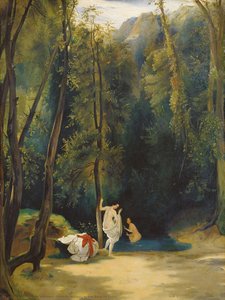
On the Cliffs

- 56.0 x 43.0 cm


 Ler mais
Giclée / Impressão de Arte
Impressão giclée ou em tela de qualidade de museu, com produção rápida e opções flexíveis de acabamento. ( Comprar pintura feita à mão Alternar para Imagem Digital)




P118B €10

P118H €10

P118W €10

P438Z €10

P508JH €12

P508YH €12

P805H €10

P805Z €10

P919BZ €10

P919G €10

P919XJ €10

P959ZH €10

P968JZ €12

W106C €8

W218G €10

W218JH €8

W218Y €10

W307PJ €10

W316G €10

W316PJ €8

W316Y €10

W398PJ €8

W4111J €10

W500HY €15

W500JH €15

W692G €12

W849H €8

W940BG €15

W953PJ €8




Escolha entre os nossos tamanhos pré-definidos que respeitam as proporções originais da obra de arte.

Insira a largura e a altura desejadas para se ajustarem à sua moldura ou parede. Uma impressão pode ser apenas cortada, nunca ampliada além da imagem original; portanto, um tamanho com proporções diferentes resultará na perda de parte da imagem. Enviamos uma maquete digital para sua aprovação antes de realizarmos a impressão. A imagem exibida nesta página não mostra o corte real — apenas a maquete o faz.
Entrega mundial () em 2 semanas, em vez das 4/5 semanas padrão. (2 Novembro)

Envio expresso gratuito para todo o mundo

Tela de Linho de Alta Qualidade

Seguro de transporte completo

Garantia de Reembolso de Impostos Alfandegários

Garantia de Fidelidade Cromática

Política de Devolução em 100 Dias (Apenas para Defeitos)

Garantia de reembolso de 100%

Oferta de desconto por quantidade
 A opção de vidro está disponível apenas para tamanhos inferiores a 110 cm

On the Cliffs
Giclée / Impressão de Arte
Tamanho da Reprodução
-


Preço Total
€ 55
A Symphony of Light and Myth: Rediscovering Arthur B. Davies
In the quiet transition between the nineteenth and twentieth centuries, few artists captured the ethereal boundary between reality and dream as poignantly as Arthur Bowen Davies. His 1898 masterpiece, On the Cliffs, serves as a breathtaking window into an era where American landscape painting began to shed its rigid academic skin to embrace the fluid, emotive possibilities of Impressionism and Symbolism. At first glance, the viewer is greeted by a sweeping coastal vista, yet as the eyes linger, the scene reveals itself to be much more than a mere topographical study. It is a profound dialogue between the physical world and the human spirit, rendered with a delicate touch that suggests the fleeting nature of memory itself.
The composition is anchored by a sense of vertical grandeur, dominated by a towering, ancient tree that stands as a silent sentinel on the right side of the canvas. Through this arboreal presence, Davies guides our gaze across a landscape where mountains dissolve into layers of hazy blue and soft grey, receding into an infinite distance. A winding river carves its way through the valley below, acting as a silver thread that connects the rugged foreground to the misty horizon. The integration of nude female figures within this wild, natural setting elevates the work from a simple landscape to a classical allegory. These figures do not appear as intruders upon the land, but rather as organic extensions of it, embodying a primordial harmony between humanity and the untamed beauty of the earth.
The Mastery of Atmosphere and Technique
To behold On the Cliffs is to experience the tactile magic of oil on canvas. Davies employs a technique that leans heavily into the Impressionist tradition, utilizing loose, rhythmic brushstrokes that prioritize the sensation of light over the precision of line. There are no harsh boundaries here; instead, forms emerge from soft tonal gradations and blended pigments. The artist skillfully manipulates texture to create a sensory feast—the rough, weathered bark of the foreground tree provides a striking contrast to the smooth, luminous sky and the glass-like surface of the distant water. This interplay of textures enhances the painting's depth, pulling the viewer into a world that feels both tangible and otherworldly.
The color palette is a masterclass in subtlety, dominated by muted greens, deep blues, and earthy browns. These tones work in concert to evoke a tranquil, perhaps even slightly melancholic, atmosphere, reminiscent of an overcast day by the sea where the air is thick with salt and mist. This deliberate use of color avoids the jarring brilliance of high Impressionism, opting instead for a Symbolist depth that invites introspection. The soft, diffused lighting eliminates harsh shadows, bathing the entire scene in a gentle, pearlescent glow that softens the edges of reality and allows the imagination to wander through the landscape's many mysteries.
An Eternal Inspiration for the Modern Collector
For the discerning collector or interior designer, On the Cliffs offers much more than aesthetic beauty; it provides a focal point of profound emotional resonance. The painting’s ability to evoke themes of classical mythology and the eternal connection to nature makes it a timeless addition to any curated space. Whether placed in a sunlit gallery or a sophisticated study, the artwork brings with it an aura of serenity and intellectual depth. It is a piece that rewards repeated viewing, revealing new nuances of light and shadow with every encounter.
Investing in a high-quality reproduction of this Davies masterpiece allows one to bring this fragment of American art history into the contemporary home. It serves as a bridge between the historical grandeur of the Hudson River School influences and the avant-garde spirit of early Modernism. As a decorative element, it introduces a sense of movement, peace, and classical elegance, making it an ideal choice for those seeking to inspire wonder and contemplation within their living environments.
Perguntas e Respostas
Qual é a intensidade das cores de "On the Cliffs", de Arthur B. Davies?
"On the Cliffs", de Arthur B. Davies apresenta uma intensidade de cor Balanced.
A imagem de "On the Cliffs", de Arthur B. Davies pode ser reproduzida livremente?
Quanto aos direitos autorais, "On the Cliffs" está em em domínio público — seus direitos autorais expiraram.
Que humor e emoção "On the Cliffs", de Arthur B. Davies transmite?
A atmosfera de "On the Cliffs", de Arthur B. Davies é Ethereal, e seu tom emocional é Ethereal.
Obras Relacionadas




Biografia do Artista
A Mystic in the Modern Age: The Life and Art of Arthur B. Davies
Arthur Bowen Davies, nascido em Utica, Nova York, em 1862, ocupa uma posição singular e complexa na narrativa da arte americana. Ele não era apenas *de* seu tempo – a tumultuada era que se estendia entre o século XIX e o XX – mas atuou ativamente em sua formação, servindo como um elo entre o modernismo europeu e um defensor das vozes artísticas americanas distintas. Sua jornada começou com uma fascinação precoce pela pintura de paisagem, despertada por uma exposição itinerante que apresentava as obras de George Inness e dos mestres da Escola do Rio Hudson. Essa primeira exposição lhe inculcou um respeito pela beleza da natureza e uma proficiência técnica que permaneceriam como marcas registradas de seu estilo ao longo de sua carreira. No entanto, Davies não estava destinado a se tornar apenas mais um praticante da paisagem tradicional; ele possuía uma visão interior, anseio por expressar algo além da representação puramente visual. Após estudos na Academia de Artes de Chicago e na School of Art Students League em Nova York, ele começou a trilhar um caminho que combinava sensibilidades românticas com os ideais modernistas emergentes. Sua carreira inicial envolveu trabalho como ilustrador, mas sua verdadeira vocação residia na pintura – na criação de mundos imbuídos de simbolismo e ressonância emocional.The Ashcan School & The Armory Show: A Catalyst for Change
A trajetória artística de Davies se desenrolou contra um pano de fundo de mudanças sociais e culturais significativas. Ele se associou ao “The Eight”, um grupo de artistas que desafiou as normas conservadoras da National Academy of Design em 1908. Embora frequentemente ligado à Ashcan School – um movimento conhecido por suas representações cruas da vida urbana – Davies permaneceu, em certa medida, à parte. Enquanto artistas como John Sloan se concentravam nas realidades brutais das ruas da cidade, Davies buscou refúgio em um reino mais etéreo. Suas pinturas não tinham o objetivo de documentar o mundo visível; eram sobre evocar estados de espírito, sonhos e anseios espirituais. No entanto, seu envolvimento com The Eight demonstrou seu compromisso com a independência artística e sua disposição para desafiar as convenções estabelecidas. Esse espírito de rebelião culminou em seu papel fundamental como um dos organizadores da Armory Show de 1913 – um momento decisivo que introduziu o modernismo europeu (Cubismo, Fauvismo, Futurismo) a um público americano, em grande parte, desprevenido. A exposição foi recebida com uma mistura de indignação e entusiasmo, alterando irrevogavelmente o curso da história da arte americana. A contribuição de Davies não se limitou à logística; ele possuía um profundo entendimento das tendências artísticas contemporâneas e um olhar perspicaz para o talento, tornando-se fundamental na seleção das obras expostas. Ele compreendia que a arte precisava refletir o mundo em transformação, mesmo que isso significasse abraçar novas formas radicais.A Language of Symbolism & Ethereal Visions
O estilo maduro de Davies é caracterizado por sua qualidade lírica, pinceladas delicadas e uso evocativo da cor. Suas pinturas frequentemente apresentam figuras – muitas vezes mulheres ou criaturas míticas – imersas em paisagens oníricas. Essas não são retratos no sentido tradicional; são representações arquetípicas das emoções humanas e estados espirituais. Unicorns: Legend, Sea Calm, talvez sua obra mais famosa, exemplifica essa abordagem. A pintura retrata um grupo de figuras etéreas brincando com unicórnios em uma costa tranquila – uma cena que é ao mesmo tempo encantadora e profundamente simbólica. Seus trabalhos frequentemente exploram temas de anseio, perda e a busca pela transcendência. Ele não estava interessado em representar a realidade como ela *é*, mas sim como ela *sente*. Essa ênfase na experiência subjetiva o alinha com pintores simbolistas como Odilon Redon e Pierre Puvis de Chavannes – artistas que buscavam expressar verdades interiores através de imagens evocativas. A paleta de Davies é frequentemente suave e harmoniosa, criando uma sensação de atmosfera e mistério. Ele empregou habilmente técnicas como o *glazing* (aplicação de camadas finas de tinta transparente) e o *scumbling* (técnica de aplicar tinta em camadas espessas e irregulares) para alcançar efeitos luminosos e gradações sutis de tom. Sua arte convida à contemplação, instando os espectadores a olhar além da superfície e a mergulhar no reino da imaginação.Contradictions & Legacy
A vida de Arthur B. Davies foi marcada por contradições. Embora defendesse publicamente a liberdade artística e a inovação, ele mantinha uma vida pessoal relativamente conservadora – pelo menos, a que era apresentada ao mundo. A revelação após sua morte em Florença, Itália, em 1928, de que ele havia levado uma vida dupla com duas famílias – Virginia Meriwether Davies, à quem se casou em 1892, e Edna – surpreendeu a comunidade artística. Esse aspecto oculto de sua biografia adiciona outra camada de complexidade à sua persona artística. Apesar dessa turbulência pessoal, ou talvez por causa dela, Davies deixou uma marca indelével na arte americana. Ele foi uma figura fundamental no desenvolvimento do modernismo americano, conectando as tradições estéticas com a experimentação vanguardista. Sua influência pode ser vista no trabalho das gerações posteriores de artistas que continuaram a explorar temas de espiritualidade, simbolismo e ressonância emocional.- Ele permanece um testemunho do poder da arte para transcender fronteiras – tanto artísticas quanto pessoais.
- Suas pinturas continuam a ressoar com os espectadores em busca de beleza, mistério e um vislumbre das profundezas ocultas da alma humana.

Arthur B. Davies
1862 - 1928 , Estados Unidos da América
Dados Rápidos
- Artistic Movement Or Style: Modernismo, Simbolismo
- Artists Or Movements Influenced By This Artist:
- American Modernismo
- Escola Ashcan
- Artists Who Influenced This Artist:
- George Inness
- Corot
- Millet
- Date Of Birth: 1862
- Date Of Death: 1928
- Full Name: Arthur Bowen Davies
- Nationality: Americano
- Notable Artworks: ['Unicórnios: Lenda, Mar Calmo']
- Place Of Birth: Utica, EUA
Artigos Relacionados
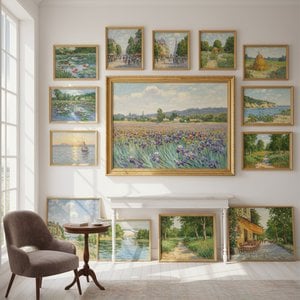
Paisagens Impressionistas Icônicas: 10 Obras que Mudaram a Arte | ArtsDot
Descubra as 10 obras impressionistas que revolucionaram a arte! Explore Monet, Renoir e outros mestres da paisagem. Encontre reproduções de alta qualidade para decorar sua casa com a beleza do Impressionismo em ArtsDot.com.

Os 10 Mestres da Paisagem Romântica: Arte para Inspirar a Sua Casa
Descubra os 10 quadros mais emblemáticos da Paisagem Romântica! Explore a história de Turner, Friedrich e outros mestres. Encontre reproduções de arte exclusivas para inspirar sua decoração em ArtsDot.com.

Evocations of Place: A Historical Journey Through Landscape Art
Explore the rich history of landscape art with ArtsDot. Discover renowned artists, movements like Impressionism & Romanticism, and expert guidance for collecting timeless pieces. Find your perfect serene escape today!

John Constable: As 25 Obras-Primas que Definem o Mestre da Paisagem Inglesa | ArtsDot
Descubra as 25 obras-primas de John Constable, o mestre da paisagem inglesa! Explore a arte romântica, cores vibrantes e histórias fascinantes por trás de 'Hay Wain' e outras pinturas icônicas. Encontre reproduções de alta qualidade para decorar sua casa com ArtsDot.com.

Os 10 Mestres do Impressionismo e a Paisagem que Mudou a Arte | ArtsDot
Descubra os 10 quadros impressionistas que revolucionaram a arte! Explore Monet, Renoir e outros mestres da paisagem francesa. Encontre reproduções de alta qualidade para decorar sua casa com beleza e história em ArtsDot.com.


