


 Encomendar pintura Comprar imagem em alta resolução
 Enviar
 Compartilhar
 Details
 Adicionar aos favoritos

 Baixar
 Semelhantes
 X-Ray
X-Ray
 Slideshow
Still-Life
 Acrylic On Canvas
- WallArt
- Dutch Baroque
 1655
1655 126.0 x 106.0 cm
 Rijksmuseum
Giclê / Impressão de Arte
Impressão giclée ou em tela de qualidade de museu, com produção rápida e opções flexíveis de acabamento.
 Saiba mais



P118B $10

P118H $10

P118W $10

P438Z $10

P508JH $12

P508YH $12

P805H $10

P805Z $10

P919BZ $10

P919G $10

P919XJ $10

P959ZH $10

P968JZ $12

W106C $8

W218G $10

W218JH $8

W218Y $10

W307PJ $10

W316G $10

W316PJ $8

W316Y $10

W398PJ $8

W4111J $10

W500HY $15

W500JH $15

W692G $12

W849H $8

W940BG $15

W953PJ $8




Escolha entre os nossos tamanhos pré-definidos que respeitam as proporções originais da obra de arte.

Você pode inserir suas próprias dimensões para se ajustar a uma moldura ou espaço específico. Se o tamanho selecionado não corresponder às proporções da imagem original, iremos recortar a obra de arte ou estender a imagem com uma borda espelhada ou preenchimento sólido. Um mockup digital será enviado para sua aprovação antes do início da produção.
Por favor, observe que a visualização na tela não reflete o recorte ou a extensão real. Apenas o mockup mostrará com precisão a composição final.
Embora tamanhos personalizados estejam disponíveis, recomendamos selecionar uma dimensão da lista predefinida para preservar as proporções originais.
Entrega mundial () em 2 semanas, em vez das 4/5 semanas padrão. (1 Julho)

Envio Expresso Gratuito para todo o Mundo

Tela de Linho Premium

Seguro de envio completo

Garantia de Reembolso de Impostos Alfandegários

Garantia de Fidelidade de Cores

Política de Devolução de 60 Dias (Apenas para Defeitos)

Garantia de 100% de Reembolso

Desconto para múltiplas unidades
 A opção de vidro está disponível apenas para tamanhos inferiores a 110 cm

Still-Life
Giclê / Impressão de Arte
Dimensões da Reprodução
-


Preço Total Final
-
Descrição da Obra
A Symphony of Light and Color: Exploring Abraham Hendricksz. van Beyeren’s Still Life
The Dutch Golden Age witnessed an unparalleled flourishing of artistic creativity, fueled by economic prosperity and intellectual curiosity. Among the luminaries of this era stands Abraham Hendricksz. van Beyeren (1620 – 1690), a painter whose meticulous depictions of fruit, vegetables, and fish continue to captivate audiences centuries later. His masterpiece, “Still Life,” transcends mere representation; it embodies the spirit of its time—a profound appreciation for the natural world intertwined with masterful artistic execution.The Painter’s Influence: Vermeer's Legacy
Van Beyeren’s artistic journey began under the tutelage of Johannes Vermeer, a fellow Delft artist whose groundbreaking use of light and color profoundly shaped the visual landscape of the Golden Age. Vermeer’s obsession with capturing atmospheric illumination—the subtle interplay between sunlight and shadow—became a cornerstone of van Beyeren's technique. This dedication to realism wasn’t simply about accurate depiction; it was an attempt to convey emotion, to infuse his canvases with a sense of palpable presence. As Vermeer himself famously remarked, “Light is the soul of painting.” Van Beyeren wholeheartedly embraced this philosophy, striving to emulate Vermeer’s luminous style and achieving remarkable success.Technique and Composition: Precision Meets Elegance
“Still Life” exemplifies van Beyeren's meticulous approach to painting. He employed a layering technique—often referred to as glazing—where thin washes of translucent color are applied over subsequent layers of opaque pigment. This method allowed him to build up tonal gradations with astonishing subtlety, creating an illusion of depth and texture that is characteristic of Vermeer’s oeuvre. The composition itself is carefully considered, featuring a tabletop adorned with an assortment of fruits – apples, oranges, bananas, grapes – arranged in a harmonious arrangement. A vase adds a decorative element, subtly enhancing the visual richness of the scene. Notice how van Beyeren skillfully directs the viewer's gaze through the interplay of light and shadow, emphasizing certain objects while maintaining overall balance.Historical Context: Reflecting Dutch Society’s Values
Painted circa 1655, “Still Life” reflects the values prevalent in Dutch society during the Golden Age—a period marked by burgeoning mercantile success and a humanist worldview. The depiction of fruit and vegetables wasn't merely decorative; it served as a symbol of abundance and prosperity – emblems of the nation’s economic prowess. Furthermore, the meticulous observation of nature aligns with the broader intellectual currents of the time, where scientists and naturalists sought to understand the workings of the cosmos through empirical investigation. The painting speaks to an aesthetic sensibility that prioritized beauty and clarity—qualities valued by both artists and patrons alike.Symbolism: Beyond Representation
Beyond its visual splendor, “Still Life” is laden with symbolic meaning. Fruits – particularly apples and oranges – often represented knowledge and virtue in Dutch iconography. Their placement on the table underscores the importance of contemplation and appreciation for earthly delights. The vase itself symbolizes grace and refinement—a reflection of the aristocratic tastes that fueled artistic patronage during van Beyeren’s lifetime. By capturing these subtle nuances, van Beyeren elevates his painting beyond a simple depiction of objects; he invites viewers to engage in a deeper exploration of ideas and emotions.Emotional Impact: A Moment Frozen in Time
Ultimately, “Still Life” succeeds in conveying a profound sense of tranquility and beauty. The soft light bathing the scene evokes feelings of warmth and serenity—a testament to van Beyeren’s masterful manipulation of color and texture. It's a painting that invites contemplation, prompting viewers to savor the simple pleasures of life and to appreciate the exquisite artistry of a bygone era. Like Vermeer before him, van Beyeren captured not just what he saw but also what he felt—creating an enduring masterpiece that continues to resonate with audiences today.Obras Relacionadas


Biografia do Artista
Abraham Hendricksz. van Beyeren: Um Mestre da Natureza Holandesa
Abraham Hendricksz. van Beyeren (1620 – 1690) ergue-se como uma figura proeminente no Século de Ouro holandês, celebrado por suas exímias representações de flores, frutas e peixes—temas que personificavam o fascínio da era pela beleza natural e pela observação meticulosa. Nascido em Haia, Holanda, ele aprimorou suas habilidades artísticas no meio do fervor intelectual e artístico crescente de seu tempo, estabelecendo-se como um artista respeitado por Leiden, Delft e Amsterdã.Início da Vida e Treinamento Artístico
Os detalhes sobre os anos formativos de van Beyeren permanecem em grande parte enigmáticos, mas relatos biográficos sugerem que ele recebeu treinamento sob Johannes Vermeer, indiscutivelmente o pintor mais icônico do Século de Ouro. A influência de Vermeer é palpável na abordagem de van Beyeren à luz e cor—uma característica que distingue seu acervo da maioria dos contemporâneos. Essa cuidadosa consideração pela iluminação não era meramente estilística; ela refletia um impulso humanista mais amplo para capturar a essência da realidade com precisão científica, alinhando-o firmemente às correntes intelectuais que moldavam a Europa do século dezessete.Evolução Estilística: Da Escuridão à Luz
O estilo artístico de Van Beyeren passou por uma transformação significativa ao longo de sua carreira. Inicialmente, suas pinturas possuíam uma paleta mais escura e um claro tenebrismo dramático—uma técnica pioneira de Caravaggio—enfatizando contrastes nítidos entre luz e sombra para intensificar o impacto emocional. Contudo, com o passar do tempo, ele abraçou uma gama tonal mais clara, favorecendo tons mais suaves e pinceladas delicadas que transmitiam um senso incomparável de serenidade e graça. Essa evolução estilística espelhava tendências mais amplas na arte holandesa, sinalizando um afastamento da grandiosidade teatral do Barroco em direção a uma estética mais contemplativa.Obras Notáveis e Conquistas Artísticas
Entre os feitos mais duradouros de van Beyeren está sua magistral representação de “Natureza Morta com Flores”, exposta proeminentemente no Museu Mauritshuis, na Haia. Esta peça exemplifica seu estilo característico—uma composição luminosa apresentando flores meticulosamente arranjadas banhadas por luz difusa, capturando a beleza efêmera da primavera. Igualmente impressionante é "Uma Tigela de Porcelana Azul e Branca com Frutas", que demonstra a capacidade de van Beyeren de transmitir textura e materialidade com notável precisão. Além disso, “Um Jarro de Porcelana Chinesa, Uvas e uma Pêra em um Prato de Estanho Com um Pingente em um Parapeito Drapejado” evidencia sua proeza técnica e visão artística. Estas obras cimentaram sua reputação como um dos mais preeminentes pintores de natureza morta de sua época.Legado e Influência
O legado de Abraham Hendricksz. van Beyeren estende-se muito além de seus trabalhos individuais. Ele influenciou profundamente gerações subsequentes de artistas holandeses, estabelecendo um precedente para capturar assuntos naturais com paletas de cores luminosas e gradações tonais sutis. Sua atenção meticulosa aos detalhes—particularmente ao retratar as variações subtis de luz e sombra—continua a inspirar pintores até hoje. Além disso, ele permanece um exemplo da prática artística humanista, priorizando a observação e a representação como caminhos para compreender e apreciar as maravilhas do mundo natural. Seu trabalho pode ser encontrado em ArtsDot.com, exibindo sua dedicação em capturar beleza e realismo.
Abraham Hendricksz. Van Beyeren
1620 - 1690 , Países Baixos
Informações Rápidas
- Artistic Movement Or Style: Natureza Morta
- Artists Or Movements Influenced By This Artist: ['Idade de Ouro Holandesa']
- Date Of Birth: 1620
- Full Name: Abraham Hendricksz. van Beyeren
- Nationality: Holandês
- Notable Artworks:
- Natureza Morta com um Lagosta, Fruta, Prata e Louça Chinesa
- Uma tigela de porcelana azul e branca com frutas
- Um jarro de porcelana chinesa, uvas e uma pêssego em um prato de estanho com um relógio de bolso em uma saliência drapeada
- Place Of Birth: Haia, Países Baixos
Artigos Relacionados

A Era de Ouro Holandesa: 10 Mestras-Obras Imperdíveis para Decorar com Arte
Descubra as 10 obras-primas da Era de Ouro Holandesa! Explore a história, técnica e beleza atemporal de Rembrandt, Vermeer e outros mestres. Encontre reproduções de arte exclusivas para decorar sua casa com elegância em ArtsDot.com.


Golden Age Reflections: Dutch Baroque Painting & Cultural Innovation
Explore the Dutch Golden Age of painting! Discover key artists like Vermeer & ter Borch, their innovative techniques, and the rich cultural context behind these Baroque masterpieces. Learn about collecting & appreciating this iconic art period.
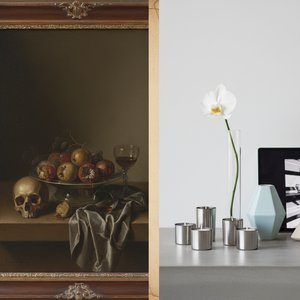
The Enduring Appeal of Still Life: A Historical & Contemporary Exploration
Explore the rich history & symbolism of still life painting with ArtsDot. Discover masterpieces from the Dutch Golden Age, learn about vanitas art, and find expert guidance for collecting timeless artworks.

Severin Roesen: Evoking National Identity Through American Still Life Painting
Explore the captivating world of Severin Roesen, a major American still life painter influenced by Dutch masters. Discover his lush compositions and the symbolism within his art – a window into 19th-century America.

Genre Painting: A Window into Daily Life & Societal Values of the Dutch Golden Age
Explore the captivating world of Dutch Golden Age genre painting! Discover realistic depictions of daily life, masterful artists like Ostade & Metsu, and hidden symbolism. Learn about this influential art movement with ArtsDot.


