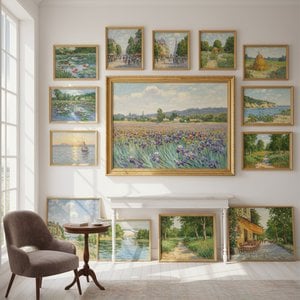
Sanktuarium Światła: Niezmienne objęcia Musée Marmottan Monet
Ukryte w spokojnym zakątku Paryża, na granicy zielonych rozległości Bois de Boulogne, znajduje się Musée Marmottan Monet – nieoczekiwana szkatułka pełna świetlistego serca impresjonizmu. To coś więcej niż tylko repozytorium malarstwa; to głęboko osobista opowieść tkana przez pokolenia, która nie zaczęła się od wielkich artystycznych ambicji, lecz od fascynacji historią napoleońską, by ostatecznie osiągnąć punkt kulminacyjny w głębokim celebrowaniu światła i koloru. Sam budynek, pieczołowicie odrestaurowana XIX-wieczna rezydencja, emanuje dyskretną elegancją; jego architektura stanowi spokojne tło dla żywych płócien znajdujących się wewnątrz, tworząc atmosferę niezwykle intymną – jakbyśmy przekraczali próg pracowni artysty lub wchodzili w migotliwe światło słoneczne jego ukochanego ogrodu w Giverny. To nie jest muzeum, które jedynie wystawia sztukę; ono zaprasza, by zatracić się w jego świecie, poczuć ciepło paryskiego słońca i delikatny szelest liści, kontemplując jednocześnie rewolucyjnego ducha, który zdefiniował dziedzictwo Moneta.
- Rodzinne dziedzictwo: Początki muzeum są nierozerwalnie związane z rodziną Marmottan – Julesem, Paulem i Michelem. Ich pierwotna pasja do artefydatów napoleońskich przerodziła się w niezwykłą kolekcję mebli, rzeźb i obrazów, stanowiąc fundament, na którym zbudowano skrzydło impresjonistyczne.
- Przełomowy dar: Punkt zwrotny nastąpił w 1966 roku wraz z hojnym testamentem Michela Moneta – ponad stu obrazów, w tym ikoniczne Impression, soleil levant , nieodwołalnie ugruntowało miejsce muzeum na międzynarodowej scenie sztuki.
Historia Musée Marmottan Monet jest równie pociągająca jak dzieła, które skrywa. Wszystko zaczęło się od leśniczówki zamówionej przez księcia Valmy w 1882 roku, którą później nabył Jules Marmottan, przekształcając ją w luksusową rezydencję typu hôtel particulier. Przemiana budynku w muzeum nie była jedynie zmianą logistyczną; stanowiła świadomą decyzję o zachowaniu i udostępnieniu rodzinnego dziedzictwa – świadectwo ich oddania sztuce i historii.
Serce Moneta: Nymphéas i inne wizje
W samym sercu Musée Marmottan Monet spoczywa bezprecedensowa kolekcja dzieł Claude Moneta, a w szczególności jego cykl Nymphéas (Lilii wodnych). Te monumentalne płótna, malowane głównie w ciągu ostatnich trzech dekad jego życia w Giverny, nie są zwykłymi pejzażami; to doświadczenia immersyjne – wirujący wir barw i światła, który przenosi widza w spokojne głębie stawu w ogrodzie Moneta. Sama skala tych obrazów zapiera dech w piersiach, wymagając powolnego, uważnego podziwiania ich misternych detali i subtelnych przejść tonalnych. Jednak to coś więcej niż tylko rozmiar; to sposób, w jaki Monet chwyta ulotne efekty słonecznego światła na wodzie, taniec refleksów i efemeryczne piękno natury, co naprawdę wyróżnia te dzieła.
- Impression, Sunrise: Przełomowe Impression, soleil levant (1872), od którego ruch impresjonistyczny zaczerpnął swoją nazwę, jest kamieniem węgielnym kolekcji. Jego zamglony opis portu w Le Havre o świcie ucieleśnia główne zasady nurtu – skupienie na chwytaniu ulotnych momentów i efektów atmosferycznych zamiast precyzyjnego odwzorowania rzeczywistości.
- Podróż przez czas: Muzeum śledzi artystyczną ewolucję Moneta, od tych wczesnych poszukiwań po jego późniejsze, bardziej kontemplacyjne prace, ukazując rozwój stylu i techniki podczas niezwykłej kariery.
Poza Liliami wodnymi , kolekcja szczyci się wyjątkowymi dziełami innych mistrzów impresjonizmu – intymnymi portretami życia domowego autorstwa Berthe Morisot, urzekającymi przedstawieniami tancerek i paryskiego społeczeństwa spod pędzla Edgara Degasa oraz pełnymi witalności pejzażami Renoir, Sisleya i Pissarra. Muzeum nie tylko prezentuje obrazy; ono zaprasza do wejścia w ich świat, by poczuć światło, powietrze i samą esencję rewolucyjnej wizji artystycznej.
Budynek, który mówi wiele
Architektura Musée Marmottan Monet jest równie istotna dla jego uroku, co sama kolekcja. Sama rezydencja – pieczołowicie odrestaurowany budynek z XIX wieku – znacząco przyczynia się do intymnej atmosfery muzeum. W przeciwieństwie do wielkich, rozległych instytucji, które mogą przytłaczać, to muzeum zachowuje poczucie cichej kontemplacji i osobistej więzi. Sale są przestronne, a jednocześnie przytulne, skąpane w naturalnym świetle, co tworzy środowisko sprzyjające głębokiemu przeżywaniu prezentowanej sztuki.
- Prywatny salon: Wejście do środka przypomina wkroczenie do prywatnego salonu, gdzie światło tańczy na ścianach, rozświetlając arcydzieła łagodnym blaskiem.
- Biblioteka Marmottan: Tuż obok muzeum znajduje się Bibliothèque Marmottan, pięknie zachowana biblioteka zawierająca oryginalną kolekcję artefaktów napoleońskich i dzieł literackich rodziny – namacalny łącznik z bogatą historią muzeum.
Co więcej, historia muzeum jest przeplatana osobistymi opowieściami – początkową pasją rodziny Marmottan do sztuki napoleońskiej, hojnym testamentem Michela Moneta, a nawet dramatycznym odzyskaniem skradzionych obrazów w 1990 roku – co dodaje warstw głębi i rezonansu doświadczeniu odwiedzających. Musée Marmottan Monet nie jest tylko skarbcem arcydzieł; to świadectwo trwałej mocy sztuki i wizjonerów, którzy odważyli się spojrzeć na świat w nowym świetle.
Zachowane dziedzictwo: Wystawy i przyszłe horyzonty
Musée Marmottan Monet nieustannie ewoluuje, oferując różnorodny zakres wystaw, które rzucają światło na różne aspekty impresjonizmu i nie tylko. Ostatnie ekspozycje badały wpływ sztuki japońskiej na twórczość Moneta, a także jego relacje z innymi artystami epoki. Muzeum prowadzi również programy edukacyjne dla zwiedzających w każdym wieku, pielęgnując głębsze zrozumienie i docenienie sztuki impresjonistycznej. Patrząc w przyszłość, Musée Marmottan Monet pozostaje oddane ochronie swojej wyjątkowej kolekcji i dzieleniu się nią ze światem – jako latarnia światła w sercu Paryża, celebrująca nieprzemijające dziedzictwo Claude Moneta i pełnego życia ducha impresjonizmu.