Portret John Korner

Poznaj 10 najsłynniejszych obrazów autorstwa John Korner

Aktualizacja: Listopad 2026 · ranking według naszego wskaźnika popularności (liczba wyszukiwań, wizyt i zamówień dla każdego dzieła) · 13 dzieł John Korner w naszym katalogu

W skrócie

Jeśli znasz choć jedno dzieło John Korner, to prawdopodobnie jest to Emerging 2 (1958). Coast Trellice (1958) oraz Coast Glitter 2 (1958) dopełniają zestaw trzech dzieł, które ludzie rozpoznają natychmiast. Nasz katalog zawiera 13 dzieł autorstwa John Korner. Poniżej znajduje się 10 najbardziej znanych prac, z podaniem roku powstania, miejsca ekspozycji oraz informacji o tym, co czyni je wyjątkowymi.

urodzony 1967, Aarhus Najwięcej dzieł: Statens Museum for Kunst

Zacznij tutaj: 10 najlepszych obrazów John Korner

Gdzie możesz zobaczyć obrazy artysty John Korner

Muzeum, w którym znajduje się najwięcej obrazów prezentowanych na tej stronie.

Muzea Miasto Dzieła artysty John Korner Obrazy z tej listy
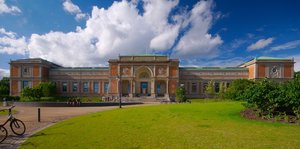
Statens Museum for Kunst, KopenhagaStatens Museum for Kunst Kopenhaga 3 Untitled. Tramp/Crocodile, Anders, Jesper

John Korner rok po roku: wybitne dzieła

Dzieła datowane na tej stronie obejmują jedynie 5 lat twórczości John Korner, od 2004 do 2008. Śledź je rok po roku.

Dzieła według lat

Wybierz rok, aby zobaczyć jego dzieła.

Twoje pytania dotyczące obrazów John Korner

Który obraz artysty John Korner jest najsłynniejszy?Zobacz odpowiedź

Na szczycie listy znajduje się Emerging 2 (1958). Tuż za nim: Coast Trellice (1958) oraz Coast Glitter 2 (1958).

Jakie są 10 najsłynniejszych obrazów, których autorem jest John Korner?Zobacz odpowiedź

Emerging 2, Coast Trellice, Coast Glitter 2, Pacific Gateway, Flowers by a Blue River, Compass Rose 1, White Painting, Untitled. Tramp/Crocodile, Anders i Jesper. Rok powstania oraz muzeum, w którym znajdują się poszczególne dzieła, znajdziesz w powyższej liście.

Ile obrazów stworzył/a John Korner?Zobacz odpowiedź

W naszym katalogu znajduje się 13 dzieł artysty John Korner, datowanych od 2004 do 2008.

Gdzie można zobaczyć słynne obrazy John Korner?Zobacz odpowiedź

Większość z nich znajdziesz w Statens Museum for Kunst (Kopenhaga). Powyższa lista muzeów zawiera pełne zestawienie.

Kiedy John Korner namalował swoje najsłynniejsze dzieła?Zobacz odpowiedź

W 2008, bardziej niż w jakimkolwiek innym czasie: 2 z 10 dzieł na tej stronie pochodzi właśnie z tego okresu, w tym Anders.

Które słynne obrazy John Korner powstały jako pierwsze, a które jako ostatnie?Zobacz odpowiedź

Najwcześniejsze dzieło pochodzi z Untitled. Tramp/Crocodile (2004), a najnowsze z Anders (2008).

Które dzieła artysty John Korner można zobaczyć w Statens Museum for Kunst?Zobacz odpowiedź

Na tej stronie możesz zobaczyć 3 dzieł znajdujących się w Statens Museum for Kunst, Kopenhaga, w tym Untitled. Tramp/Crocodile, Anders i Jesper.

Poznaj John Korner

John Korner: A Quiet Revolution in Watercolor

John Michael Anthony Koerner (September 29, 1913 – February 23, 2014) wasn’t a household name—not in the conventional sense of musical stardom or cinematic acclaim. Yet, his contribution to Danish art history is undeniable: John Korner carved out a distinctive path as a watercolorist whose ethereal landscapes and subtly expressive portraits captured the essence of the Nordic spirit. Born in Aarhus, Denmark, Koerner’s artistic journey began with formal training at the Royal Danish Academy of Fine Arts between 1992 and 1998, where he honed his craft and garnered recognition for his unique vision. He was awarded an Eckersberg Medal in 2012—a prestigious honor bestowed upon Denmark's most promising young artist—solidifying his place among the nation’s artistic elite.
  • Early Life & Influences:
  • Koerner’s formative years were marked by a profound connection to nature. Growing up in Aarhus instilled within him an appreciation for the serene beauty of Denmark's coastal regions and forests—influences that would permeate his artistic output. While biographical details remain somewhat sparse, anecdotal evidence suggests exposure to Impressionist painters like Claude Monet and Camille Pissarro played a crucial role in shaping his aesthetic sensibilities. These artists championed capturing fleeting moments of light and color, mirroring Koerner’s own approach to watercolor.

Watercolor Technique & Artistic Style

Koerner's distinctive style revolved around mastering the delicate medium of watercolor—a technique he embraced with unwavering dedication. Unlike bolder mediums like oil paint, watercolor relies on translucency and layering, allowing for subtle gradations of color and an unparalleled ability to convey atmosphere. He favored a muted palette dominated by blues, greens, and browns—colors that perfectly complemented his subjects—often depicting landscapes bathed in misty mornings or portraits imbued with quiet contemplation. His signature method involved applying thin washes of pigment onto damp paper, building up layers gradually to achieve depth and luminosity. This painstaking process demanded patience and precision, resulting in paintings characterized by a remarkable sense of serenity and understated beauty.
  • Notable Works:
  • “Flowers by a Blue River”, completed in 2004, exemplifies Koerner’s artistic vision. This evocative watercolor captures the tranquil essence of a riverside meadow—a scene rendered with meticulous detail and infused with luminous hues. The artist's masterful use of impasto technique adds textural richness to the composition, creating a dynamic interplay between light and shadow.
  • “Compass Rose 1”
  • : This piece showcases Koerner’s ability to distill complex emotions into simple forms—a testament to his artistic prowess.

Recognition & Legacy

Beyond the Eckersberg Medal, Koerner's work gained international acclaim through exhibitions in Berlin and Helsinki, demonstrating the breadth of his influence within the contemporary art world. His participation in Art Basel solidified his reputation as a respected figure among collectors and critics alike. Furthermore, collaborations with institutions like John Muir House and The Museum of Methodism underscore his commitment to artistic engagement with broader cultural contexts.

Concluding Thoughts

John Korner’s legacy extends beyond the canvases he created—it resides in the enduring beauty of his paintings and the quiet contemplation they inspire. He wasn't driven by grand ambitions or flamboyant gestures; rather, he pursued excellence through unwavering dedication to his craft—a path that ultimately yielded a body of work profoundly rooted in observation, sensitivity, and an unwavering belief in the transformative power of watercolor. His art continues to resonate with viewers who appreciate understated elegance and the profound connection between artist and landscape.