W skrócie
Jeśli znasz choć jedno dzieło Anders Eklund, to prawdopodobnie jest to Gustaf Adolf Reuterholm (1756-1813), baron, president of the Chamber Audit, supreme chamberlain (1756), które znajduje się w National Portrait Gallery of Sweden w Strängnäs. Petter Rungren, hovskräddare hos Gustav III (1762) oraz Jakob Jung, 1729-1810 (1769) dopełniają zestaw trzech dzieł, które ludzie rozpoznają natychmiast. Nasz katalog zawiera 7 dzieł autorstwa Anders Eklund. Poniżej znajduje się 7 najbardziej znanych prac, z podaniem roku powstania, miejsca ekspozycji oraz informacji o tym, co czyni je wyjątkowymi.
Zacznij tutaj: 10 najlepszych obrazów Anders Eklund
Gdzie możesz zobaczyć obrazy artysty Anders Eklund
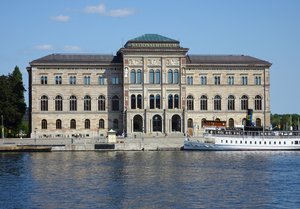
2 muzeów, w których znajduje się najwięcej obrazów z tej strony.
| Muzea | Miasto | Dzieła artysty Anders Eklund | Obrazy z tej listy |
|---|---|---|---|
| Stockholm | 4 | Elisabeth Palm (1756-1786), gift Schön, Carl Christoffer Gjörwell (1731-1811), royal librarian, writer, married to Brigitta Eleonora Müller, Johan Gustav von Carlsson (1743-1801), president of Vasa court of appeal, scientist | |
| Strängnäs | 3 | Gustaf Adolf Reuterholm (1756-1813), baron, president of the Chamber Audit, supreme chamberlain, Petter Rungren, hovskräddare hos Gustav III, Jakob Jung, 1729-1810 |
Anders Eklund dekada po dekadzie: jedno wybitne dzieło na każdą z nich
Dzieła według dekad
Wybierz dekadę, aby zobaczyć jej najważniejsze dzieło.
Gustaf Adolf Reuterholm (1756-1813), baron, president of the Chamber Audit, supreme chamberlain
Johan Gustav von Carlsson (1743-1801), president of Vasa court of appeal, scientist
Carl Christoffer Gjörwell (1731-1811), royal librarian, writer, married to Brigitta Eleonora Müller
Twoje pytania dotyczące obrazów Anders Eklund
Który obraz artysty Anders Eklund jest najsłynniejszy?Zobacz odpowiedź
Na szczycie listy znajduje się Gustaf Adolf Reuterholm (1756-1813), baron, president of the Chamber Audit, supreme chamberlain (1756), National Portrait Gallery of Sweden, Strängnäs. Tuż za nim: Petter Rungren, hovskräddare hos Gustav III (1762) i Jakob Jung, 1729-1810 (1769).
Ile lat miał Anders Eklund, gdy powstało Gustaf Adolf Reuterholm (1756-1813), baron, president of the Chamber Audit, supreme chamberlain?Zobacz odpowiedź
19 lat. Anders Eklund urodził się w 1737, a Gustaf Adolf Reuterholm (1756-1813), baron, president of the Chamber Audit, supreme chamberlain pochodzi z 1756.
Ile obrazów stworzył/a Anders Eklund?Zobacz odpowiedź
W naszym katalogu znajduje się 7 dzieł artysty Anders Eklund, datowanych od 1756 do 1794.
Gdzie można zobaczyć słynne obrazy Anders Eklund?Zobacz odpowiedź
Większość z nich znajdziesz w Nationalmuseum (Stockholm) i National Portrait Gallery of Sweden (Strängnäs). Powyższa lista muzeów zawiera pełne zestawienie.
Kiedy Anders Eklund namalował swoje najsłynniejsze dzieła?Zobacz odpowiedź
W 1760s, bardziej niż w jakimkolwiek innym czasie: 3 z 7 dzieł na tej stronie pochodzi właśnie z tego okresu, w tym Petter Rungren, hovskräddare hos Gustav III.
Które słynne obrazy Anders Eklund powstały jako pierwsze, a które jako ostatnie?Zobacz odpowiedź
Najwcześniejsze dzieło pochodzi z Gustaf Adolf Reuterholm (1756-1813), baron, president of the Chamber Audit, supreme chamberlain (1756), a najnowsze z Carl Christoffer Gjörwell (1731-1811), royal librarian, writer, married to Brigitta Eleonora Müller (1794).
Które dzieła artysty Anders Eklund można zobaczyć w Nationalmuseum?Zobacz odpowiedź
Na tej stronie możesz zobaczyć 4 dzieł znajdujących się w Nationalmuseum, Stockholm, w tym Elisabeth Palm (1756-1786), gift Schön, Carl Christoffer Gjörwell (1731-1811), royal librarian, writer, married to Brigitta Eleonora Müller i Johan Gustav von Carlsson (1743-1801), president of Vasa court of appeal, scientist.
Czy mogę zamówić reprodukcję obrazu Anders Eklund?Zobacz odpowiedź
Tak. Każdy obraz na tej stronie jest dostępny jako ręcznie malowana reprodukcja olejowa lub wydruk, w rozmiarze dopasowanym do Twoich potrzeb. Aby złożyć zamówienie, wystarczy przejść na stronę wybranego obrazu.
Poznaj Anders Eklund
The Silent Elegance of Anders Eklund
In the quiet corridors of Swedish art history, few names evoke the refined grace of the late eighteenth century quite like Anders Eklund. Born in 1737, a period marked by the shifting tides of European Enlightenment, Eklund emerged as a master of the portrait, capturing not just the likenesses of his subjects but the very essence of their social standing and inner composure. His life, spanning from the mid-century to his passing in May 1802, was dedicated to the meticulous pursuit of anatomical accuracy and the subtle play of light upon fabric, establishing him as a significant figure in the Swedish portraiture tradition.
Eklund’s artistry was deeply rooted in the classical traditions of his era, yet he possessed a unique ability to infuse his work with a sense of lived reality. As a painter, he navigated the complexities of texture—the heavy sheen of silk, the delicate lace of a collar, and the soft warmth of human skin—with an almost tactile precision. His technique allowed him to bridge the gap between formal representation and emotional resonance, making his portraits more than mere records of appearance; they became windows into the dignity of the Swedish people during a transformative epoch.
A Legacy Captured in Light and Shadow
The development of Eklund's style reflects a profound engagement with the aesthetic values of his time. While much of his work focused on the formal requirements of portraiture, there is an undeniable fluidity in his brushwork that suggests a deep understanding of movement and atmosphere. His ability to manipulate light—often casting it in a way that highlights the structural integrity of a face while allowing the background to recede into a soft, atmospheric mystery—demonstrates a sophisticated command over the chiaroscuro techniques prevalent in European academies.
Throughout his career, Eklund’s contributions can be seen through several key artistic pillars:
- Mastery of Portraiture: His primary focus remained the elevation of the individual through dignified and anatomically precise depictions.
- Textural Realism: An extraordinary talent for rendering the diverse materials of eighteenth-century attire, from velvet to fine linen.
- Historical Documentation: Through his canvases, he preserved the visual identity and social hierarchy of the Swedish landscape during the late 1700s.
Today, the works attributed to Anders Eklund serve as vital historical artifacts. Held in esteemed collections such as the Nationalmuseum, his paintings continue to offer scholars and art enthusiasts alike a glimpse into the soul of a bygone era. His significance lies not only in his technical skill but in his role as a visual chronicler, ensuring that the elegance and gravity of his age remain vibrantly alive for future generations to contemplate.