

 Podgląd w skali 1:1
 Wyślij jako kartkę
 Udostępnij
 Szczegóły dzieła
 Przewodnik

 Pobierz obraz
 Podobne obiekty
 RTG
RTG Pokaz slajdów
 Pytania i odpowiedzi
 Statystyki
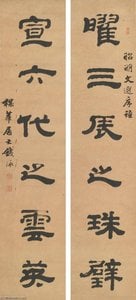
CALLIGRAPHY IN RUNNING SCRIPT

- 23.0 x 16.0 cm

 Rozwiń treść
Giclée / Wydruk artystyczny
Wydruki giclée lub płótna o jakości muzealnej, szybka realizacja i szeroki wybór opcji wykończenia. ( Zamów ręcznie malowaną reprodukcję Przejdź do wersji cyfrowej)




P118B zł10

P118H zł10

P118W zł10

P438Z zł10

P508JH zł12

P508YH zł12

P805H zł10

P805Z zł10

P919BZ zł10

P919G zł10

P919XJ zł10

P959ZH zł10

P968JZ zł12

W106C zł8

W218G zł10

W218JH zł8

W218Y zł10

W307PJ zł10

W316G zł10

W316PJ zł8

W316Y zł10

W398PJ zł8

W4111J zł10

W500HY zł15

W500JH zł15

W692G zł12

W849H zł8

W940BG zł15

W953PJ zł8




Wybierz spośród naszych standardowych rozmiarów, które zachowują oryginalne proporcje dzieła sztuki.

Wpisz wymaganą szerokość i wysokość, aby dopasować grafikę do ramy lub ściany. Wydruk można jedynie przyciąć, nigdy nie powiększając go poza oryginalny obraz, dlatego format o innych proporcjach spowoduje utratę części kompozycji. Przed rozpoczęciem druku prześlemy Ci cyfrowy podgląd do zatwierdzenia. Obraz wyświetlany na tej stronie nie pokazuje rzeczywistego przycięcia — jedynie podgląd oddaje ten efekt.
Dostawa na cały świat () w ciągu 2 tygodni zamiast standardowych 4/5 tygodni. (8 Listopad)

Bezpłatna ekspresowa wysyłka na cały świat

Wysokiej jakości płótno lniane

Pełne ubezpieczenie przesyłki

Gwarancja zwrotu należności celnych i podatków importowych

Gwarancja wiernego odwzorowania kolorów

100-dniowa polityka zwrotów (tylko w przypadku wad)

Gwarancja 100% zwrotu pieniędzy

Zniżka przy zakupie wielu sztuk
 Opcja ze szkłem jest dostępna wyłącznie w rozmiarach poniżej 110 cm

CALLIGRAPHY IN RUNNING SCRIPT
Giclée / Wydruk artystyczny
Wymiary reprodukcji
-


Cena całkowita
zł 246
Podobne dzieła




Biografia artysty
A Life Etched in Brushstrokes: The World of Zha Shibiao
Zha Shibiao (also known as Cha Shih-Piao, born 1615 and died 1698) was a pivotal figure bridging the late Ming and early Qing dynasties in China. While not as widely celebrated in the West as some of his contemporaries, Zha Shibiao’s contribution to landscape painting – particularly his innovative use of ink washes and dramatic compositions – marks him as a significant artist whose work reflects a period of immense social and political upheaval. Born into a scholarly family during a time of declining imperial power, Zha Shibiao initially pursued a career in officialdom, passing the provincial examinations. However, the fall of the Ming dynasty in 1644 profoundly altered his path. He ultimately rejected further attempts to enter government service, choosing instead to dedicate himself fully to the art of painting, finding solace and expression within its traditions. This decision was not merely a personal one; it represented a broader retreat by many intellectuals from public life into the realm of artistic contemplation during a period of instability.The Evolution of a Style: From Tradition to Innovation
Zha Shibiao’s early works demonstrate a strong grounding in the traditions of the Wu School, known for its lyrical landscapes and emphasis on atmospheric effects. He meticulously studied the masters who came before him – figures like Shen Zhou and Wen Zhengming – absorbing their techniques and compositional principles. However, Zha Shibiao was not content with mere imitation. As his career progressed, he began to develop a distinctly personal style characterized by bold brushwork, heightened contrast, and a dramatic use of space. He moved away from the softer, more idealized landscapes of the Wu School towards a more rugged and imposing aesthetic. This shift can be seen as a reflection of the turbulent times in which he lived; his mountains became steeper, his trees more gnarled, and his overall compositions imbued with a sense of power and resilience. His mastery lay in his ability to convey both the grandeur of nature and the emotional weight of human experience. He frequently incorporated figures into his landscapes – often scholars or hermits – who served as symbolic representations of his own philosophical leanings, seeking refuge from the chaos of the world.Ink and Emotion: The Technical Prowess of Zha Shibiao
Zha Shibiao’s technical skill was exceptional. He possessed an extraordinary command of ink washes, utilizing a wide range of tones and textures to create depth and atmosphere in his paintings. His use of dry brushwork – leaving areas of white paper untouched – added a sense of starkness and immediacy to his compositions. He wasn't simply depicting landscapes; he was evoking them. He experimented with different ink consistencies, creating effects that ranged from delicate mistiness to powerful, almost sculptural forms. His paintings often feature towering peaks shrouded in clouds, cascading waterfalls, and dense forests – all rendered with a remarkable degree of precision and expressiveness. Beyond ink washes, Zha Shibiao was also adept at using color sparingly but effectively, adding subtle accents to his landscapes that enhanced their overall impact. He favored muted tones, creating a sense of harmony and balance within his compositions.Themes and Symbolism: A Scholar’s Retreat
The recurring themes in Zha Shibiao's work offer insight into his worldview. Landscapes were not merely aesthetic exercises for him; they served as vehicles for expressing philosophical ideas about nature, humanity, and the search for inner peace. The mountains often symbolize strength, stability, and longevity, while forests represent seclusion and contemplation.- The inclusion of scholars or hermits in his landscapes is particularly significant.
- These figures embody the Confucian ideal of withdrawing from public life to pursue self-cultivation.
- They are often depicted reading, writing poetry, or simply enjoying the beauty of nature – all activities that reflect a rejection of worldly ambition and a focus on spiritual enlightenment.
Legacy and Historical Significance
While Zha Shibiao may not enjoy the same level of international recognition as some other Chinese painters, his contribution to the development of landscape painting is undeniable. He successfully synthesized traditional techniques with a more personal and expressive style, paving the way for future generations of artists. His work reflects the profound social and political changes that occurred during the transition from the Ming to the Qing dynasty, offering valuable insights into the intellectual and emotional climate of the period. He stands as a testament to the enduring power of art to provide solace, meaning, and a sense of continuity in times of upheaval. His paintings continue to be admired for their technical brilliance, dramatic compositions, and profound philosophical depth, securing his place as an important figure in the history of Chinese art.
Zha Shibiao
1615 - 1698
Krótka nota
- Full Name: Zha Shibiao
- Nationality: Chinese
- Date Of Birth: 1615
- Date Of Death: 1698
- Place Of Birth: Xiuning, Anhui Province
- Notable Artworks: ['Landscape Album in Various Styles: Pleasure in a Mountain Brook']
- Artistic Movement Or Style: Anhui School
- Artists Who Influenced This Artist:
- Dong Qichang
- Mi Fu
- Artists Or Movements Influenced By This Artist:
- Hong Ren
- Ni Zan
Powiązane artykuły

Echoes of Time: Exploring the Enduring Appeal & Historical Context of Vintage Art Prints
Explore the captivating world of vintage art prints! Discover their history, collecting tips & enduring appeal. Expert insights on chromolithography and building a legacy collection with ArtsDot.

Dziedzictwo drzeworytu: Technika, historia i ekspresja artystyczna w zmieniającym się świecie
Poznaj fascynującą historię drzeworytu – od starożytnych technik po japońskie 'ukiyo-e'. Odkryj proces tworzenia, wpływ mistrzów i współczesne interpretacje tej wyjątkowej formy sztuki. Ekspercka analiza dla kolekcjonerów i miłośników grafiki.

The Enduring Legacy of Fine Art Prints: Technique, History & Aesthetic Impact
Explore the rich history & techniques of fine art prints. Discover investment potential, assess authenticity, and learn how to preserve your collection with expert guidance. Trusted insights for discerning collectors.

Odbitki Giclée: Jakość Archiwalna i Estetyczne Niuanse dla Wymagającego Kolekcjonera
Poznaj sekrety druku giclée – technologii zapewniającej najwyższą jakość reprodukcji sztuki i trwałość archiwalaną. Poradnik dla wymagających kolekcjonerów o wyborze papieru, tuszy i profilach kolorystycznych.
The Enduring Legacy of Printmaking: Techniques, Themes & Artistic Innovation Across Centuries
Explore the rich history of printmaking with ArtsDot. Discover techniques from intaglio to lithography, learn about collecting valuable prints & find museum-quality reproductions. Expert insights for art enthusiasts and collectors.