Zobacz w skali 1:1
 Wyślij
 Udostępnij
 Szczegóły
 Przewodnik

 Pobierz plik obrazu
 Podobne obiekty
 RTG
RTG Pokaz slajdów
 Statystyki
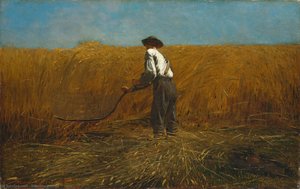
The berry pickers


 Czytaj więcej
Ręcznie malowana reprodukcja olejowa
Ręcznie malowany obraz olejny na płótnie, wykonany na zamówienie przez naszych artystów w wybranym przez Ciebie wymiarze i oprawie. ( Przełącz na wersję drukowaną Przełącz na wersję cyfrową)




P118B $10

P118H $10

P118W $10

P438Z $10

P508JH $12

P508YH $12

P805H $10

P805Z $10

P919BZ $10

P919G $10

P919XJ $10

P959ZH $10

P968JZ $12

W106C $8

W218G $10

W218JH $8

W218Y $10

W307PJ $10

W316G $10

W316PJ $8

W316Y $10

W398PJ $8

W4111J $10

W500HY $15

W500JH $15

W692G $12

W849H $8

W940BG $15

W953PJ $8




Wybierz spośród naszych standardowych rozmiarów, które zachowują oryginalne proporcje dzieła sztuki.

Możesz wprowadzić własne wymiary, aby dopasować obraz do konkretnej ramy lub przestrzeni. Jeśli wybrany rozmiar nie będzie odpowiadał proporcjom oryginału, przytniecie dzieło sztuki lub rozszerzymy je o dodatkowe elementy, ręcznie domalowane przez artystę. Przed rozpoczęciem produkcji wyślemy projekt cyfrowy do Twojej akceptacji.
Należy pamiętać, że podgląd na ekranie nie odzwierciedla rzeczywistego przycinania ani rozszerzania obrazu. Tylko projekt dokładnie pokaże ostateczną kompozycję.
Choć oferujemy możliwość zamówienia niestandardowych rozmiarów, zalecamy wybór wymiaru z gotowej listy, aby zachować oryginalne proporcje dzieła.
Po złożeniu zamówienia zespół ArtsDot.com skontaktuje się z klientem drogą mailową w celu uzyskania instrukcji i prześle wizualizację projektu
Dostawa na całym świecie () w ciągu 3–4 tygodni zamiast standardowych 5 tygodni. (21 Wrzesień). Bez kompromisów w kwestii jakości.

Bezpłatna ekspresowa wysyłka na cały świat

Wysokiej jakości płótno lniane

Pełne ubezpieczenie transportowe

Gwarancja zwrotu należności celnych i podatków importowych

Gwarancja idealnego odwzorowania barw

100-dniowy okres na zwrot dzieła w przypadku wykrycia wad produkcyjnych

Gwarancja 100% zwrotu pieniędzy

Oferta przy zakupie wielu sztuk
 Opcja ze szkłem jest dostępna wyłącznie w rozmiarach poniżej 110 cm

The berry pickers
Technika wykonania
Rozmiar reprodukcji
-


Suma do zapłaty
$ 263
A Moment of Respite: Exploring Winslow Homer’s “The Berry Pickers” (1873)
“The Berry Pickers” offers a captivating glimpse into a tranquil scene of American life, painted in 1873 by the celebrated artist Winslow Homer. This watercolor masterpiece transcends a simple depiction of leisure; it’s an evocative study of light, atmosphere, and the quiet dignity of everyday existence.Subject & Composition
The painting portrays a group – predominantly women and children – engaged in the seemingly humble act of berry picking on a grassy hillside. Their placement is central to the composition, yet feels natural and unposed. Below them, the sea stretches out towards the horizon, creating a sense of expansive space and connection to nature. Homer employs a slightly elevated perspective, inviting the viewer to share in their vantage point and observe this peaceful moment alongside them. The arrangement isn’t about dramatic action; it's about observation – *a slice of life* captured with sensitivity.Style & Technique: Embracing American Impressionism
While Homer is often associated with Realism, “The Berry Pickers” demonstrates a clear leaning towards the emerging principles of American Impressionism. The hallmarks are readily apparent: loose, expressive brushstrokes; a focus on capturing fleeting moments of light and atmosphere; and a deliberate softening of detail. Homer’s masterful use of watercolor allows for layered textures and translucent washes, creating an ethereal quality that enhances the painting's mood. This isn’t about photographic accuracy; it’s about conveying *the feeling* of being present in this scene – the warmth of the sun, the gentle breeze, the scent of salt air.Color & Mood
The color palette is beautifully restrained, dominated by muted greens, browns, blues, and yellows. These harmonious tones contribute to a sense of tranquility, but also carry a subtle undercurrent of melancholy. The diffused lighting, with highlights delicately placed on the figures’ clothing and foliage, further enhances this emotional complexity. Homer doesn't rely on bold contrasts; instead, he builds depth and atmosphere through nuanced variations in tone and color temperature.Historical Context & Artistic Lineage
Winslow Homer (1836-1910) was a pivotal figure in 19th-century American art. Beginning as a commercial illustrator, he honed his skills and developed a unique artistic voice that celebrated the beauty of the American landscape and the lives of its people. “The Berry Pickers” reflects a shift in Homer’s work towards more atmospheric and emotionally resonant compositions. While influenced by European Impressionism, Homer forged his own path, imbuing his paintings with a distinctly American sensibility. His style shares affinities with artists like Childe Hassam, who also focused on capturing the ephemeral qualities of light and everyday life.Symbolism & Emotional Impact
Beyond its aesthetic appeal, “The Berry Pickers” invites contemplation about themes of labor, leisure, and connection to nature. The act of berry picking itself can be seen as symbolic – a simple task that sustains both body and spirit. The figures’ quietude suggests a moment of respite from the demands of daily life, a chance to connect with each other and their surroundings. The painting evokes a feeling of nostalgia and solitude, prompting viewers to reflect on their own experiences of peace and contemplation. It's a work that resonates not just through its visual beauty, but also through its ability to tap into universal human emotions.Collecting & Reproduction
For collectors and interior designers alike, a high-quality reproduction of “The Berry Pickers” offers a timeless addition to any space. Its muted palette and tranquil subject matter lend themselves well to a variety of décor styles – from coastal interiors to more traditional settings. The painting’s subtle emotional depth adds a layer of sophistication and invites quiet contemplation, making it a truly enriching piece to live with.Podobne dzieła


Biografia artysty
Winslow Homer (1836-1910): A Brush With the American Spirit
Winslow Homer, born in Boston in 1836, wasn’t sculpted by the traditional European art academies that shaped so many of his contemporaries. Instead, he emerged from a distinctly American experience, one rooted in practicality and observation. His journey began not with grand historical canvases, but as a commercial illustrator at the tender age of twelve for Harper's Weekly. This early apprenticeship was formative, honing an exceptional ability to capture scenes with clarity and detail – skills that would become hallmarks of his mature work. He wasn’t learning perspective in Paris; he was learning to *see* America, its people, and its unfolding story. The bustling streets of Boston, the quiet dignity of rural New England life, these were his first subjects, rendered with a precision born of necessity for the demands of print media. This foundation allowed him to transition into painting, initially in watercolor, before fully embracing the expressive potential of oil paints.Early Life and Artistic Beginnings
Homer’s childhood was marked by a close relationship between his parents—Charles Savage Homer, a merchant with restless tendencies, and Henrietta Maria Benson Homer, a gifted amateur watercolorist who instilled in him a lifelong appreciation for artistic expression. His brother, Charles S. Homer Jr., pursued a successful career as a chemist, providing a contrasting perspective on the family’s ambitions. From a young age, Homer demonstrated an innate talent for drawing, sketching landscapes and portraits with remarkable accuracy. He began his formal artistic training at fourteen, studying briefly in Paris under Jean-Baptiste Camille Corot—a pivotal experience that exposed him to the Impressionist movement but ultimately solidified his commitment to a distinctly American aesthetic. This Parisian sojourn instilled in Homer a fascination with light and color, influencing his later paintings and establishing a foundation for his distinctive style.The Civil War Years: Witnessing History Through Art
The outbreak of the Civil War profoundly impacted Homer’s artistic vision. Recognizing the opportunity to document the realities of conflict—rather than glorifying heroic battles—he accepted a commission from Harper's Weekly to chronicle life on the Union front lines. Unlike many artists of his time who idealized warfare, Homer eschewed grand narratives and focused instead on portraying the everyday experiences of soldiers and civilians—the quiet moments of grief, resilience, and camaraderie amidst devastation. His sketches and lithographs captured the grim beauty of battlefields—the mud, the smoke, the exhausted faces of men—offering a visceral portrayal of the human cost of war. This experience instilled in him an unwavering commitment to portraying truthfulness and compassion—values that would permeate his subsequent works. Homer’s Civil War drawings stand as unparalleled examples of journalistic art, demonstrating his ability to transform observation into powerful visual storytelling.From Watercolor Landscapes to Monumental Oil Paintings
Initially experimenting with watercolor, Homer quickly mastered the medium's fluidity and luminosity, creating a prolific oeuvre of serene landscapes—primarily set in Maine—that celebrated the majesty of nature and captured the subtle nuances of light and atmosphere. His watercolors are characterized by delicate brushstrokes and vibrant colors—a testament to his meticulous attention to detail and his profound understanding of visual perception. However, Homer’s artistic ambition extended beyond watercolor; he sought to convey emotion and drama through larger canvases painted in oil. He achieved this goal with remarkable success, producing monumental paintings that commanded attention and evoked powerful responses from viewers. Works like *The Gulf Stream*—a dramatic depiction of a lone sailor battling the fury of the ocean—and *Breezing Up (A Fair Wind)*—a celebration of maritime life—demonstrate Homer’s mastery of technique and his ability to capture the sublime beauty of nature alongside its inherent dangers.Legacy and Influence: An American Icon
Winslow Homer's enduring legacy rests on his unwavering commitment to portraying America with honesty and authenticity—rejecting romantic idealism in favor of a direct engagement with reality. He established himself as one of America’s foremost painters, influencing generations of artists who followed him—particularly those committed to realism and landscape painting. His distinctive style—characterized by solidity, texture, and masterful use of light—continues to inspire contemporary artists today. Homer's paintings remain treasured for their emotional depth and visual power—testaments to his profound understanding of the human condition and his ability to convey complex ideas through simple yet evocative imagery. He is remembered not merely as a painter but as a chronicler of American life, capturing its spirit and beauty with unwavering conviction.
Winslow Homer
1836 - 1910 , Stany Zjednoczone
Najważniejsze informacje
- Artistic Movement Or Style: Realizm amerykański
- Artists Or Movements Influenced By This Artist: ['Amerykańskie malarstwo']
- Artists Who Influenced This Artist:
- École de Barbizon
- Courbet
- Millet
- Date Of Birth: 24 lutego 1836
- Date Of Death: 29 września 1910
- Full Name: Winslow Homer
- Nationality: Amerykański
- Notable Artworks:
- Breezing Up
- The Gulf Stream
- Innocence
- Place Of Birth: Boston, USA
Zobacz także powiązane artykuły

Grant Wood & American Regionalism: Identity, Myth & the Rural Landscape
Explore the world of Grant Wood & American Regionalism with ArtsDot. Discover the symbolism behind 'American Gothic', recurring themes, and the movement's lasting impact on art history. High-quality reproductions available.

Amerykański Realizm: 10 Arcydzieł, Które Zdefiniowały Epokę | ArtsDot
Poznaj 10 arcydzieł amerykańskiego realizmu! Odkryj historie Winslowa Homera, Edwarda Hoppera i innych mistrzów. Reprodukcje obrazów najwyższej jakości – inspiracje do Twojego wnętrza na ArtsDot.com

Uchwycenie Światła Narodu: Amerykański Impresjonizm – Ewolucja i Dziedzictwo Ruchu
Odkryj fascynujący świat amerykańskiego impresjonizmu! Poznaj historię, kluczowych artystów i unikalne cechy tego wyjątkowego ruchu. Ekspercka analiza i piękne reprodukcje obrazów na ArtsDot.com.

Winslow Homer: 25 Arcydzieł Malarstwa Amerykańskiego | ArtsDot.com
Poznaj 25 arcydzieł Winslowa Homera – amerykańskiego mistrza realizmu i malarstwa morskiego. Odkryj historie, techniki i inspiracje z jego najsłynniejszych obrazów. Reprodukcje najwyższej jakości na ArtsDot.com! Eksploruj kolekcję online.

Frederick Childe Hassam: American Impressionism's Chronicler of Light & Modern Life
Explore the captivating world of Frederick Childe Hassam, a pioneer of American Impressionism. Discover his iconic paintings capturing light, urban life & coastal beauty. Learn about his legacy and influence on American art history.