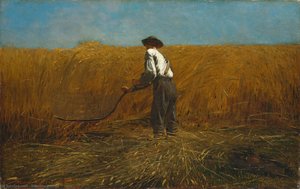
Podgląd w skali 1:1
 Wyślij jako kartkę
 Udostępnij
 Szczegóły dzieła
 Przewodnik

 Pobierz obraz
 Podobne obiekty
 RTG
RTG Pokaz slajdów
 Pytania i odpowiedzi
 Statystyki
Hound and Hunter


 Rozwiń treść
Giclée / Wydruk artystyczny
Wydruki giclée lub płótna o jakości muzealnej, szybka realizacja i szeroki wybór opcji wykończenia. ( Zamów ręcznie malowaną reprodukcję Przejdź do wersji cyfrowej)




P118B zł10

P118H zł10

P118W zł10

P438Z zł10

P508JH zł12

P508YH zł12

P805H zł10

P805Z zł10

P919BZ zł10

P919G zł10

P919XJ zł10

P959ZH zł10

P968JZ zł12

W106C zł8

W218G zł10

W218JH zł8

W218Y zł10

W307PJ zł10

W316G zł10

W316PJ zł8

W316Y zł10

W398PJ zł8

W4111J zł10

W500HY zł15

W500JH zł15

W692G zł12

W849H zł8

W940BG zł15

W953PJ zł8




Wybierz spośród naszych standardowych rozmiarów, które zachowują oryginalne proporcje dzieła sztuki.

Wpisz wymaganą szerokość i wysokość, aby dopasować grafikę do ramy lub ściany. Wydruk można jedynie przyciąć, nigdy nie powiększając go poza oryginalny obraz, dlatego format o innych proporcjach spowoduje utratę części kompozycji. Przed rozpoczęciem druku prześlemy Ci cyfrowy podgląd do zatwierdzenia. Obraz wyświetlany na tej stronie nie pokazuje rzeczywistego przycięcia — jedynie podgląd oddaje ten efekt.
Dostawa na cały świat () w ciągu 2 tygodni zamiast standardowych 4/5 tygodni. (11 Listopad)

Bezpłatna ekspresowa wysyłka na cały świat

Wysokiej jakości płótno lniane

Pełne ubezpieczenie przesyłki

Gwarancja zwrotu należności celnych i podatków importowych

Gwarancja wiernego odwzorowania kolorów

100-dniowa polityka zwrotów (tylko w przypadku wad)

Gwarancja 100% zwrotu pieniędzy

Zniżka przy zakupie wielu sztuk
 Opcja ze szkłem jest dostępna wyłącznie w rozmiarach poniżej 110 cm

Hound and Hunter
Giclée / Wydruk artystyczny
Wymiary reprodukcji
-


Cena całkowita
zł 247
The Painting
"CITE">Winslow Homer's "Hound and Hunter" is a captivating oil on canvas painting created in 1892. The artwork is currently housed at the National Gallery of Art in Washington, United States.Composition and Details
The painting depicts a serene moment between a man and his dog as they enjoy their time together in a boat. The scene is set against a calm background, with the man rowing the boat while holding onto a rope attached to it. Two birds are visible in the image, one near the top left corner and another towards the bottom right side. The boat itself has an oar on each end, with one located at the front and the other at the back. The man appears to be wearing a hat, which is situated close to the center of the scene.Artistic Significance
"CITE">Winslow Homer was a prominent American artist known for his realistic and detailed depictions of everyday life. His works often captured moments of tranquility and connection between humans and nature. "Hound and Hunter" is no exception, as it beautifully portrays the bond between the man and his dog in a peaceful setting.Exhibition History
"CITE">Winslow Homer's paintings were exhibited at various prestigious events, including the 1893 World's Columbian Exposition in Chicago. This event showcased modern American painting and featured works by hundreds of American painters. For more information on this exposition, visit List of American painters exhibited at the 1893 World's Columbian Exposition.Other Works by Winslow Homer
"CITE">Winslow Homer created many notable works, including "High Cliff, Coast of Maine", which is also part of the collection at the National Gallery of Art. For more information on his paintings and to explore other artworks by him, visit Winslow Homer: High Cliff, Coast of Maine at ArtsDot.Conclusion
"CITE">Winslow Homer's "Hound and Hunter" is a beautiful representation of the serenity found in nature. The painting captures a moment of connection between a man and his dog, set against a peaceful backdrop. As an expert in art and salesman at ArtsDot, I highly recommend exploring more ofFor those interested in owning a handmade oil painting reproduction of "Hound and Hunter," visit Winslow Homer: Hound and Hunter at ArtsDot.
Pytania i odpowiedzi
Gdzie mogę znaleźć dzieła sztuki podobne do „Hound and Hunter” – Winslow Homer?
Dzieła podobne do „Hound and Hunter” można znaleźć na stronie Podobne dzieła danego dzieła.
Kto stworzył "Hound and Hunter" i w jakim stylu jest to dzieło?
"Hound and Hunter" powstało autorstwa Winslow Homer w stylu Contemporary Realism. Artysta oraz nurt definiują tradycję tego dzieła.
Co przedstawia „Hound and Hunter” – Winslow Homer?
Tematyka dzieła "Hound and Hunter" to hunting, hunting.
Podobne dzieła


Biografia artysty
Życie i korzenie Winslow Homera
Winslow Homer przybył na świat w Bostonie, w stanie Massachusetts, 24 lutego 1836 roku. Był drugim z trzech synów urodzonych przez Charlesa Savage'a Homera i Henryettę Marię Benson. Jego ojciec, kupiec, ostatecznie opuścił rodzinę, by szukać fortuny podczas gorączki złota w Kalifornii. Ta rozłąka sprawiła, że dom kształtowany był głównie przez obecność jego matki, Henryetty Marii Benson Homer. Była ona utalentowaną amatorką akwarelistki, która stała się jego pierwszą nauczycielką, przekazując mu sposób postrzegania świata poprzez subtelne i delikatne nakładanie barw.
Chłopiec dorastał w domu, w którym cicha praca nad sztuką była stałym elementem codzienności. Podczas gdy ojciec gonił za odległymi możliwościami, wpływ akwareli matki pozostawał niezatarty. Ta wczesna styczność z tym medium pomogła położyć fundamenty pod jego późniejszą twórczość. Dzieciństwo spędzone na malowniczych terenach Cambridge w stanie Massachusetts stanowiło tło dla spokojnego, pełnego uważnej obserwacji życia, zanim artysta skierował swoje kroki ku bardziej gorączkowemu rytmowi pracy komercyjnej.
Wczesne lata, rodzina i kształcenie
Dorastanie na malowniczych, wiejskich terenach Cambridge w stanie Massachusetts stanowiło spokojne tło dla jego wczesnych lat. Już w wieku jedenastu lat zaczął tworzyć szkice, odnajdując swoją drogę poprzez sam akt rysowania. Jego pierwszą nauczycielką była matka, akwarelistka, która malowała studia roślin i kwiatów. Łączyła go z nią bliska więź, przekazując mu nie tylko swój artystyczny talent, ale także pewien szczególny temperament. Jego ojciec, kupiec, był człowiekiem niespokojnym, który ostatecznie opuścił rodzinę, by szukać fortuny podczas gorączki złota w Kalifornii, a później w Europie.
Mając dziewiętnaście lat, rozpoczął dwuletnią praktykę u J. H. Bufforda, komercyjnego litografa w Bostonie. Było to doświadczenie monotonne, przypominające bieg w kołowrotku. Dni upływały mu na pracy nad okładkami nut – zadaniu wymagającym specyficznej dyscypliny i niezwykle pewnej ręki. Ten okres pracy komercyjnej pomógł wypracować klarowność i dbałość o detal, które w późniejszych latach miały zdefiniować jego artystyczną wizję. Z czasem skierował swoje kroki ku formalnemu wykształceniu, uczęszczając na zajęcia w National Academy of Design aż do 1863 roku. W tym czasie spędził również krótki okres, studiując pod okiem Frederica Rondela.
Wolny strzelec i korespondent wojenny
Do 1857 roku Winslow Homer zaczął już kroczyć własną ścieżką, wybierając niezależność wolnego strzelca po decyzji o odrzuceniu posady w prestiżowym „Harper's Weekly”. Otworzył własne studio w Bostonie, poświęcając niemal dwie dekady na pracy ilustratora. Jego rysunki zyskały uznanie w licznych publikacjach, w tym w Ballou's Pictorial. Przełomowym momentem był rok 1859, kiedy to przeprowadzka do Nowego Jorku postawiła go w samym centrum tętniącego życiem amerykańskiego wydawnictwa.
Wybuch wojny secesji nieodwracalnie zmienił charakter jego obserwacji. W latach 1861–1865 „Harper's” wysłało go na linie frontu. Jako „artysta specjalny” otrzymał zadanie kronikarza życia wojsk Unii w Wirginii. Spędzał czas na szkicowaniu surowej rzeczywistości obozowego życia oraz dramatycznych scen bitewnych. Te szkice nie były jedynie zwykłymi rysunkami; stanowiły żywe zapisy ruchu, a także tych cichych, często przepełnionych ciężarem emocji chwil, które towarzyszyły żołnierzom.
- Sharpshooter on Picket Duty (1862)
- Home, Sweet Home (1863)
- Prisoners from the Front (1866)
Rozwój artystyczny w Nowym Jorku i Europie
W 1859 roku Winslow Homer przeniósł się do Nowego Jorku, gdzie otworzył pracownię w słynnym Tenth Street Studio Building. Ten krok stanowił przełomowy moment w jego karierze, oznaczając odejście od dotychczasowej pracy freelancera na rzecz bardziej skoncentrowanych poszukiwań malarskich. Przez kolejne lata, aż do 1863 roku, oddawał się nauce w National Academy of Design, pobierając lekcje u Frédérica Rondela. To właśnie w tym okresie zaczął odchodzić od prostych konturów swoich komercyjnych rycin, kierując się ku pełnej ciężaru i głębi ekspresji technice olejnej. Jego dzieła z tego czasu często dotykały bolesnych realiów epoki, w tym niszczycielskiego wpływu wojny na życie na zapleczu frontu.
Lata następujące przyniosły liczne podróże przez stan Nowy Jork, Virginię oraz Massachusetts. W 1867 roku Winslow Homer spędził rok we Francji, odwiedzając Europę – doświadczenie to zbiegło się w czasie z jego narastającą fascynacją pejzażem. Do lat 70. XIX wieku jego zainteresowania przesunęły się w stronę scen przedstawiających dzieciństwo i młode kobiety, co zdawało się odzwierciedlać pewną nostalgię za prostszymi, minionymi czasami. Tworzył styl obiektywny i wierny temu, co widział, świadomie unikając wygładzonych, akademickich wyrafinowań, które dominowały w ówczesnych szkołach artystycznych.
W 1881 roku artysta rozpoczął dwuletni pobyt w Anglii, mieszkając w Cullercoats niedaleko Newcastle. Życie w bliskim sąsiedztwie wybrzeża wywarło niezatarty wpływ na sposób, w jaki Winslow Homer postrzegał morze w swoich późniejszych latach. Przestał być jedynie ilustratorem scen społecznych; stał się malarzem żywiołów, chwytającym potęgę natury w jej najczystszej postaci.
Lata w Maine i tropikalne podróże
W 1884 roku Winslow Homer osiadł w Prout's Neck w stanie Maine, gdzie spędził kolejne trzy dekady, tworząc w pracowni dostosowanej do jego specyficznych potrzeb i rozbudowanej, by stać się jego azylem. Budynek ten wznosił się na malowniczym odcinku wybrzeża, gdzie potęga Atlantyku była obecna niemal w każdym oddechu. Artysta spędzał tam całe dnie, często malując z balkonu wychodzącego wprost na wzburzoną wodę, nie zważając nawet na surowość zimowych miesięcy.
Surowe, mroźne zimy w Maine skłaniały go jednak do poszukiwania zmiany scenerii. Między 1884 a 1905 rokiem Winslow Homer odbył szereg wypraw, które prowadziły go od chłodnych wybrzeży Maine ku słonecznym tropikom. Podróżował na Bahamy, na Florydę, na Kubę oraz na Bermudy. Te ekspedycje rzuciły go w objęcia Karaibów, ale także w głąb Adirondackich wzgórz i przez dzikie krajobrazy Kanady. W tych ciepłych, egzotycznych zakątkach świata sięgał po akwarele, aby z niezwykłą lekkością uchwycić ulotne światło oraz różnorodne, fascynujące tekstury tamtejszego krajobrazu.
- Natural Bridge, Bahamy (1898)
- Woman Standing by a Gate, Bahamy (1885)
- Spanish Moss at Tampa (1886)
Technika, styl i artystyczne mistrzostwo
Jego wczesne prace w dziedzinie rytownictwa komercyjnego opierały się na czystych konturach i uproszczonych formach. Wykorzystywał dramatyczny kontrast światła i cienia, aby zdefiniować swoje tematy, a ta graficzna klarowność przeniknęła do jego późniejszych malarskich dokonań. W jego głównych dziełach olejnych farba zyskuje poczucie ciężaru i gęstości. Często stosował chiaroscuro, wykorzystując grę światła i mroku do rzeźbienia formy oraz budowania niepowtarzalnej atmosfery na płótnie.
Równie płodny był w technice akwarelowej, do której podchodził w sposób płynny i bezpośredni. Malując krajobrazy Karaibów, wykorzystywał naturalną przezroczystość akwareli, aby oddać krystaliczną czystość bahamskiego morza. Ta niezwykła zdolność do operowania zarówno ciężką, gęstą fakturą oleju, jak i delikatnymi lawowaniami akwareli, pozwoliła mu uchwycić wielowymiarowe aspekty świata natury.
Kluczowe dzieła i arcydzieła
Wczesna twórczość artysty zdradza skupienie na drobnych detalach życia domowego. W obrazie Lady Wearing Spectacles, namalowanym około 1840 roku, postać siedzi na krześle, a jej okulary chwytają światło. Ten okres w jego dorobku odzwierciedla cichą, uważną obserwację ludzi otaczającego go świata. Wraz z upływem lat i przejściem w stronę linii frontu podczas wojny secesyjnej, tematyka uległa zmianie. W 1862 roku stworzył Sharpshooter on Picket Duty, a w 1863 roku Home, Sweet Home – dzieła, które poprzez szkice i malarstwo uchwyciły surową rzeczywistość konfliktu.
Morze stało się nieodłącznym towarzyszem jego późniejszych lat. Dzieło Breezing Up, namalowane około 1876 roku, oddaje ruch łodzi łapiącej sprzyjający wiatr. Do 1885 roku jego uwaga skupiła się na zmaganiach rybaka, co widać w The Fog Warning, Halibut Fishing. Często powracał na surowe wybrzeże Maine, gdzie ciężar farby i faktura płótna oddawały gęstą, przesiąkniętą solą atmosferę Atlantyku. W 1896 roku obraz The Lookout - "All's Well" zaprezentował widok z krawędzi lądu, skierowany ku niezmierzonemu horyzontowi.
Ostatnie lata życia upłynęły mu na obserwowaniu przypływów i potęgi żywiołów. The Gulf Stream, powstały w 1906 roku, ukazuje człowieka mierzącego się z ogromem oceanu. Jego ostatnie ukończone dzieło, Driftwood, zostało namalowane w 1909 roku. Te późne płótna niosą w sobie niemal fizyczne odczucie świata materialnego – rozprysk wody, ziarnistość piasku i nieubłagany nurt prądów morskich.
- Lady Wearing Spectacles, ok. 1840
- Sharpshooter on Picket Duty, 1862
- Home, Sweet Home, 1863
- Breezing Up, ok. 1876
- The Fog Warning, Halibut Fishing, 1885
- The Lookout - "All's Well", 1896
Późne lata i śmierć
Pracownia w Prout's Neck stała się centrum jego wszechświata. Od 1884 roku aż do samego końca żył i tworzył w tych murach, w przestrzeni, która została rozbudowana i przekształcona, by w pełni służyć jego potrzebom. Spędził tam swoje ostatnie dekady, podążając za rytmem zmieniających się pór roku i odnajdując wewnętrzny spokój w unikalnym, nadmorskim świetle. Ten dwupiętrowy budynek, liczący ponad 200 metrów kwadratowych, stał się cichym i trwałym świadkiem jego życia oraz nieustannego procesu twórczego.
W 1910 roku Winslow Homer odszedł w stanie Maine. Jego śmierć nastąpiła 30 września w zaciszu własnej pracowni. Był człowiekiem, który całe swoje życie poświęcił obserwowaniu nieustannego ruchu morza i ciężaru atmosfery, pozostając w tej przestrzeni aż do ostatniej chwili. Jego prochy spoczęły na cmentarzu Mount Auburn, w sektorze Lily Path, na lotu 563.
Dziedzictwo i znaczenie historyczne
Winslow Homer pozostaje centralną postacią w rozwoju amerykańskiego realizmu. Jego twórczość stanowi okno na amerykańskie doświadczenia XIX wieku, utrwalając obraz narodu znajdującego się w fazie gwałtownych przemian. Artysta nie poszukiwał wygładzonych, akademickich stylów Europy; zamiast tego skupił się na szczerych, często trudnych realiach własnego kraju. To oddanie prawdzie o świecie – od tragicznych skutków wojny secesyjnej po zmieniające się krajobrazy wybrzeża – zapewnia mu trwałe miejsce wśród najważniejszych twórców w amerykańskiej tradycji artystycznej.
Jego niezwykła zdolność do dokumentowania napięcia między ludzkim życiem a potęgą świata natury wciąż wpływa na to, w jaki sposób współcześni artyści podchodzą do swoich tematów. Homer odszedł od sielankowych scen swojej młodości, by stawić czoła pierwotnym siłom morza oraz cichej odporności ludzi mierzących się z przeciwnościami losu. Ta ewolucja – od widoków pasterskich ku bardziej bezpośredniemu, obserwacyjnemu stylowi – pomogła zdefiniować unikalny, amerykański sposób patrzenia na rzeczywistość. Jego obrazy nie oferują zromantyzowanej wersji historii; one stanowią jej autentyczne świadectwo.
- The Gulf Stream (1906)
- Breezing Up (1876)
- The Fog Warning (1885)
- Undertow (1886)
- Driftwood (1909)
Gdzie dziś można podziwiać jego dzieła
Śledzenie fizycznej obecności twórczości, którą pozostawił po sobie Winslow Homer, wymaga wizyty w kilku najważniejszych instytucjach rozsianych po całych Stanach Zjednoczonych. Metropolitan Museum of Art w Nowym Jorku skrywa w swoich zbiorach aż 26 jego dzieł. Niedaleko stąd, Brooklyn Museum w Nowym Jorku prowadzi kolekcję obejmującą 17 prac. Z kolei ci, którzy skierują swoje kroki ku stolicy, odnajdą w National Gallery of Art w Waszyngtonie 23 obrazy i rysunki.
Na północnym wschodzie kraju Museum of Fine Arts w Bostonie przechowuje w swojej kolekcji 16 dzieł. Dalej na południe, Sterling and Francine Clark Art Institute w Williamsburgu posiada 12 eksponatów. Kolekcje te stanowią fascynującą ścieżkę pozwalającą prześledzić ewolucję jego warsztatu – od surowych szkiców z czasów wojny secesyjnej, aż po gęste, pełne ekspresji tekstury z jego późniejszych lat.
- The Fog Warning, Halibut Fishing (1885)
- The Gulf Stream (1906)
- Driftwood (1909)
- Breezing Up (A Fair Wind) (1876)
- Old Settlers (1892)

Winslow Homer
1836 - 1910 , Stany Zjednoczone
Krótka nota
- Artistic Movement Or Style: Amerykański realizm
- Artists Or Movements Influenced By This Artist: ['Amerykański realizm']
- Artists Who Influenced This Artist:
- Courbet
- Millet
- Date Of Birth: 1836
- Date Of Death: 1910
- Full Name: Winslow Homer
- Nationality: Amerykański
- Notable Artworks:
- Breezing Up (A Fair Wind)
- The Gulf Stream
- Innocence
- Man of Science
- The Fog Warning
- Place Of Birth: Boston, Stany Zjednoczone
Powiązane artykuły

Winslow Homer: 25 Arcydzieł Malarstwa Amerykańskiego | ArtsDot.com
Poznaj 25 arcydzieł Winslowa Homera – amerykańskiego mistrza realizmu i malarstwa morskiego. Odkryj historie, techniki i inspiracje z jego najsłynniejszych obrazów. Reprodukcje najwyższej jakości na ArtsDot.com! Eksploruj kolekcję online.

Amerykański Realizm: Społeczny Komentarz i Artystyczna Reprezentacja Początku XX Wieku
Odkryj amerykański realizm! Poznaj historie mistrzów i ich arcydzieła odzwierciedlające życie codzienne, pracę i zmieniającą się Amerykę. Inspiracje do Twojego wnętrza na ArtsDot.com.

Amerykański Realizm: 10 Arcydzieł, Które Zdefiniowały Epokę | ArtsDot
Poznaj 10 arcydzieł amerykańskiego realizmu! Odkryj historie Winslowa Homera, Edwarda Hoppera i innych mistrzów. Reprodukcje obrazów najwyższej jakości – inspiracje do Twojego wnętrza na ArtsDot.com

Romantic Realism's Finest: 10 Masterpieces for Your Home | ArtsDot
Explore 10 defining masterpieces of Romantic Realism! Discover Courbet, Millet & Daumier's powerful paintings—capturing emotion and social realities. Find museum-quality reproductions for your home at ArtsDot.com.

Grant Wood & American Regionalism: Identity, Myth & the Rural Landscape
Explore the world of Grant Wood & American Regionalism with ArtsDot. Discover the symbolism behind 'American Gothic', recurring themes, and the movement's lasting impact on art history. High-quality reproductions available.