
 Oil
Oil- WallArt
- Camden Town Group
 1918
1918- Modern
 51.0 x 51.0 cm
 Tate Liverpool

The picture follows your choices: , .
Opis obiektu
A cozy and intimate depiction of a sunlit bedroom in this 1918 painting by Camden Town Group pioneer William Whitehead Ratcliffe that invites you to bring the tranquil charm of early twentieth-century life into your home.
 Rozwiń treść
Biografia artysty
Explore the art of William Whitehead Ratcliffe, a Camden Town Group painter known for his landscapes & early 20th-century British art. Discover his life & work!
Ręcznie malowana reprodukcja olejowa
Ręcznie malowany obraz olejny na płótnie, wykonany na zamówienie przez naszych artystów w wybranym przez Ciebie wymiarze i oprawie. ( Przełącz na wydania drukowane Przejdź do wersji cyfrowej)
More about this painting
 Podgląd w skali 1:1
 Wyślij jako kartkę
 Udostępnij
 Szczegóły dzieła
 Przewodnik

 Pobierz obraz
 Podobne obiekty
 RTG
RTG Pokaz slajdów
 Q&A
Q&A Statystyki
Order your painting in four simple steps
Take your time. You can change any answer; the price in your order card follows each choice.
1 Step one of four
Which size would you like?
These sizes keep the proportions of the original painting. The drawing shows your choice on a wall, above a two-metre sofa.
Or give your own measurements
Wybierz spośród naszych standardowych rozmiarów, które zachowują oryginalne proporcje dzieła sztuki.

Wpisz wymaganą szerokość i wysokość, aby obraz pasował do Twojej ramy lub ściany. Ponieważ jest to dzieło malowane ręcznie, w przypadku rozmiaru o innych proporcjach artysta może domalować nieco więcej wokół obrazu lub przyciąć jego fragmenty — wybór należy do Ciebie. Przed rozpoczęciem pracy prześlemy Ci cyfrową wizualizację do zatwierdzenia. Obraz widoczny na tej stronie nie przedstawia rzeczywistego efektu — jedynie wizualizacja oddaje realny rezultat.
2 Step two of four
How should it be prepared: rolled, stretched or framed?
The prices below are for the size you chose in step one.
Choose the edges of the stretched canvas
Choose your frame

White zł1

Blurside zł1

Extended zł1

P118B zł10

P118H zł10

P118W zł10

P438Z zł10

P508JH zł12

P508YH zł12

P805H zł10

P805Z zł10

P919BZ zł10

P919G zł10

P919XJ zł10

P959ZH zł10

P968JZ zł12

W106C zł8

W218G zł10

W218JH zł8

W218Y zł10

W307PJ zł10

W316G zł10

W316PJ zł8

W316Y zł10

W398PJ zł8

W4111J zł10

W500HY zł15

W500JH zł15

W692G zł12

W849H zł8

W940BG zł15

W953PJ zł8

H24-GOLD zł30

H24-SILVER zł30

H36-GOLD zł45

H36-SILVER zł45
W oprawie
Moulding: . Overall size with the frame: .
3 Step three of four
Would you like anything changed in the painting?
Most people answer no. Because each painting is made by hand, our artist can also adapt it for you.
After order, ArtsDot.com team will email client for instructions and provide a mockup preview
4 Step four of four
A few finishing options
All of them are optional. The answers already selected cost nothing extra.
Who paints it?
Dostawa na całym świecie () w ciągu 3–4 tygodni zamiast standardowych 5 tygodni. (29 Październik). Bez kompromisów w kwestii jakości.
A nameplate, as in a museum?
Szczegóły grawerowanej brązowej tabliczki
This elegant plaque features the artist's name and the title of the artwork, finely engraved for a timeless presentation.
It is made from bronze with a refined, elegant finish. The text is precisely laser-engraved for a sharp and permanent result. Measuring 9x2 cm, the plaque is compact yet easy to read. It's built to be durable and scratch-resistant, offering a professional, museum-quality look. Mounting is simple thanks to the included adhesive backing.
Szczegóły przezroczystej tabliczki akrylowej
The plaque includes essential engraved details such as the artist's name, the title of the artwork, the date it was created, the type of media used-like oil on canvas or watercolor-a brief description of the piece, and a QR code that links to the complete artwork information.
It is crafted from clear acrylic, offering a sleek, modern appearance. The text is UV-engraved in black to ensure strong visual contrast. With a size of 10x15 cm, it ensures optimal readability. It comes equipped with two metal hooks for secure wall mounting. The plaque is designed to be weather-resistant, making it suitable for various environments, and it includes interactive features that work seamlessly with smartphone scanning.
Szczegóły czarnej tabliczki akrylowej
This elegant plaque includes engraved information such as the artist's name, the title of the artwork, the date it was created, the type of media used (like oil on canvas or watercolor), a short description of the artwork, and a QR code for quick access to more information.
The plaque itself is made from refined black acrylic with a premium finish. The text is laser-engraved in white for high contrast and readability. Its size is 10x15 cm, designed to be easy to read. It comes with two metal hooks for professional mounting. The design is sleek and fits any interior style. It is also weather-resistant and durable, with built-in digital integration for mobile compatibility.
A protective varnish?
When do you need it?
✓ Check and order
Your painting, as you ordered it

Attic Room
Technika reprodukcji
Wymiary reprodukcji
-

Wybitny mistrz artystyczny
Większa szczegółowość, finezja i dodatkowy czas na realizację
-

Opcje oprawy reprodukcji
-
-
W przypadku dzieł sztuki lub reprodukcji, których którykolwiek z boków przekracza 105 cm (około 41 cali), rama zostanie wysłana w formie zestawu do samodzielnego montażu. Metoda ta zapewnia bezpieczną dostawę i zapobiega uszkodzeniom podczas transportu.
Wymagany profesjonalny montaż – nie jest to produkt typu DIY.
Zestaw musi zostać złożony, a płótno naciągnięte przez doświadczonego profesjonalnego ramiarza, przy użyciu kleju do drewna (brak w zestawie), kleszczy do naciągania płótna oraz ścisków, które utrzymają krosna w równej pozycji podczas schnięcia kleju. Nieprawidłowy montaż lub nierównomierne napięcie płótna może trwale uszkodzić dzieło sztuki i nie podlega naszej gwarancji.
 W przypadku dzieł sztuki lub reprodukcji, których którykolwiek z boków przekracza 105 cm (około 41 cali), rama zostanie wysłana w formie zestawu do samodzielnego montażu. Metoda ta zapewnia bezpieczną dostawę i zapobiega uszkodzeniom podczas transportu.
W zestawie znajdują się wszystkie listwy z litego drewna, precyzyjnie docięte do wymiarów.
Montaż odbywa się przy użyciu dołączonych wkrętów oraz kleju do drewna do łączenia narożników, którego zestaw nie zawiera i który musi zostać dostarczony przez ramiarza.
Wymagane są profesjonalne narzędzia, których nie ma w zestawie: kleszcze do naciągania płótna (napinacz) oraz zaciski, które pozwolą utrzymać listwy w równej pozycji podczas schnięcia kleju.
Ważne:
Do połączenia narożników niezbędny jest klej do drewna, listwy należy unieruchomić za pomocą ścisków do momentu całkowitego wyschnięcia kleju, a naciągnięcie płótna na złożoną ramę wymaga użycia kleszczy do naciągania płótna. Żaden z tych elementów nie jest dołączony do zestawu. Przed zamówieniem tego rozmiaru zalecamy konsultację z doświadczonym ramiarzem.

Etykieta obiektu
-
-

Lakier ochronny
Lakier z połyskiem (pogłębia kolory, chroni przed światłem i wilgocią)
-

Personalizacja dzieła
Przykłady możliwości personalizacji: zastąp twarz zdjęciem klienta; dodaj zwierzę domowe (np. zamień kota na psa); umieść ukrytą wiadomość w tle; zmień krajobraz lub elementy tła.
-

Ekspresowa
Dostawa na cały świat () w ciągu 3–4 tygodni zamiast standardowych 5 tygodni. (29 Październik). Bez kompromisów w kwestii jakości.
-
Przesyłka ekspresowa
Dostawa na cały świat () w ciągu 5 tygodni. (5 Listopad).
W cenie
Cena całkowita
zł 1013
Opcja ze szkłem jest dostępna wyłącznie w rozmiarach poniżej 110 cm
Included with every order
- Bezpłatna ekspresowa wysyłka na cały świat
- Wysokiej jakości płótno lniane
- Pełne ubezpieczenie przesyłki
- Gwarancja zwrotu należności celnych i podatków importowych
- Gwarancja wiernego odwzorowania kolorów
- 100-dniowa polityka zwrotów (tylko w przypadku wad)
- Gwarancja 100% zwrotu pieniędzy
- Zniżka przy zakupie wielu sztuk


A Sanctuary of Stillness: Exploring Ratcliffe's Attic Room
In the quiet corners of art history, certain works possess the unique ability to transform a mere space into a profound emotional experience. William Whitehead Ratcliffe’s Attic Room, painted in 1918, is one such masterpiece. This intimate portrayal of a domestic interior invites the viewer to step away from the clamor of the modern world and enter a realm of contemplative solitude. The painting captures a bedroom setting tucked within the eaves of an attic, where the soft, natural light filtering through a distant window breathes life into the humble objects scattered throughout the room. There is a palpable sense of peace in this composition, as if time itself has slowed to match the gentle rhythm of a resting soul.
The composition is masterfully arranged to guide the eye through a narrative of quiet companionship between objects. On the left, a bed serves as the anchor of the room, suggesting a place of rest and vulnerability. Nearby, a solitary chair waits, perhaps for a reader or a dreamer, adding a layer of human presence even in the absence of figures. The placement of two vases—one central and one toward the periphery—along with a delicate bottle, creates a rhythmic balance that speaks to the artist's training in the decorative arts. These elements are not merely decorations; they are the silent protagonists of a domestic drama, each contributing to an atmosphere of cozy, lived-in comfort.
Technique and the Camden Town Legacy
As a pioneer of the Camden Town Group, Ratcliffe brought a specific sensibility to his work—a dedication to capturing the vibrancy and immediacy of everyday life. In Attic Room, we see this through a technique that emphasizes texture and light. The way the light interacts with the surfaces of the furniture and the ceramic vessels suggests a profound understanding of how atmosphere is constructed through subtle tonal shifts. The brushwork, while controlled, retains a tactile quality that makes the fabric of the bed and the smoothness of the glass feel almost tangible to the viewer.
For the discerning collector or interior designer, this piece offers more than just visual beauty; it offers a mood. The painting’s palette and its focus on the "beauty in the mundane" make it an extraordinary choice for creating a focal point in a sophisticated living space. Whether placed in a sunlit study or a quiet corner of a bedroom, a high-quality reproduction of this work brings with it the historical weight of early twentieth-century English modernism. It serves as a window into a period where artists sought to find the extraordinary within the ordinary, making it an enduring inspiration for those who value art that speaks to the heart and elevates the home.
Pytania i odpowiedzi
Czy obraz „Attic Room” – William Whitehead Ratcliffe można swobodnie reprodukować?
Jeśli chodzi o prawa autorskie, "Attic Room" znajduje się w należy do domeny publicznej – autorskie prawa majątkowe wygasły.
Kto stworzył "Attic Room" i w jakim roku?
William Whitehead Ratcliffe, "Attic Room", 1918 rok
Jaki rozmiar wydruku jest zalecany dla dzieła "Attic Room"?
Zalecanym rozmiarem wydruku dla dzieła "Attic Room" jest Small. Dostępne są również inne rozmiary o tych samych proporcjach.
Podobne dzieła


William Whitehead Ratcliffe
1870 - 1955
Biografia artysty
A Life Defined by Quiet Devotion
In the vibrant, often turbulent tapestry of early twentieth-century British art, certain names resonate with thunderous fame, while others whisper with a more profound, enduring grace. William Whitehead Ratcliffe belongs to that latter, more intimate category. A pioneer of the Camden Town Group, Ratcliffe was an artist whose life was characterized by a steadfast commitment to his craft, far removed from the pursuit of fleeting celebrity. Born on October 6th, 1870, in the tranquil village of Clenchwarton near Kings Lynn, Norfolk, his journey began in the modest surroundings of a draper’s assistant's family. Though his early years took him to the industrial landscape of Gorton, Manchester, the seeds of his artistic soul were sown through a disciplined pursuit of beauty and design.
Ratcliffe’s path was never one of sudden inspiration, but rather a gradual, deliberate unfolding of talent. While working as a clerk for a cotton merchant, he sought out evening classes at the Manchester School of Art. It was here that he encountered the influential Walter Crane, a master of the decorative arts who instilled in Ratcliffe a lifelong appreciation for the harmony between pattern and landscape. This early training in wallpaper design, gained while working for the Wallpaper Manufacturers’ Combine, would later manifest in his paintings as a unique sensitivity to texture, rhythm, and the quiet elegance of domestic objects.
The Crucible of Creativity: London and Letchworth
The turn of the century brought Ratcliffe to London, a move that would irrevocably alter the trajectory of his life. Drawn to the utopian ideals of the Garden City Movement, he settled in Letchworth Garden City in 1906. This experimental community became more than just a residence; it became a sanctuary for artistic experimentation and fellowship. It was within this setting that Ratcliffe formed a vital artistic circle alongside Harold Gilman and Richard Barry Parker. Under the mentorship and spirited encouragement of Gilman, Ratcliffe underwent a profound metamorphosis, turning his back on the commercial world of illustration to embrace the rigorous and rewarding pursuit of fine art.
Seeking to deepen his technical mastery, Ratcliffe enrolled at the Slade School of Fine Art in London. Studying under figures such as Frank Dobson, he refined his understanding of form and composition, blending the decorative sensibilities of his youth with a burgeoning interest in the immediacy of modern life. This period of formal education provided the structural foundation upon which he would build his most evocative works, allowing him to bridge the gap between the structured world of design and the fluid, emotive realm of painting.
A Legacy of Stillness and Light
The work of William Whitehead Ratcliffe is often characterized by a remarkable ability to find the extraordinary within the ordinary. As a member of the Camden Town Group, he shared their dedication to capturing the vibrancy of everyday existence, yet his approach often leaned toward a more contemplative, almost spiritual, stillness. His landscapes and interiors are not merely depictions of places, but explorations of atmosphere and emotion.
Consider the following hallmarks of his enduring artistic contribution:
- The Poetics of the Interior: In masterpieces such as Attic Room (1918), Ratcliffe transforms a simple domestic setting into a realm of profound solitude. Through the masterful use of soft, natural light filtering through eaves, he breathes life into humble objects—a bed, a chair, a solitary vase—creating a narrative of quiet companionship and peace.
- Landscape as Emotion: His depictions of the English countryside, such as Reflections, Ickleford, utilize Impressionistic brushwork to capture the tranquil beauty of rural life, emphasizing the tactile quality of the landscape.
- Architectural Essence: In works like Totnes, Devon (1931), he demonstrates a keen eye for the structural character of towns, capturing the idyllic harmony between architecture and the natural world.
Though he may not have shared the widespread fame of his contemporary Harold Gilman, Ratcliffe’s significance lies in his unwavering authenticity. He remained a full-time artist throughout his life, supported by the very community and family ties that nurtured his early growth. When he passed away in January 1955, he left behind a body of work that serves as a poignant reminder of the beauty found in the quiet corners of the world—a testament to an artist who found greatness not in the spotlight, but in the gentle rhythm of a life lived through art.
Powiązane artykuły

Harmonizacja Historii i Barw: Przewodnik po Dopasowywaniu Stylów Artystycznych do Architektury Wnętrz dla Zrównoważonego Dekoratorstwa
Odkryj sekrety harmonijnego wnętrza! Przewodnik po dopasowywaniu stylów artystycznych do architektury, aby stworzyć przestrzeń idealnie odzwierciedlającą Twój gust. Ekspertowe porady i inspiracje dla zrównoważonego dekoratorstwa.

Ponad Efemeryczne Trendy: Kultywowanie Trwałej Estetyki Wnętrz Poprzez Renesansowy Rewers, Światło Impresjonizmu i Żywe Barwy Pop Artu
Odkryj sekrety tworzenia ponadczasowych wnętrz! Eksperckie porady o renesansie, impresjonizmie i pop art. Wybierz luksusowe reprodukcje obrazów lub zamów dzieło na miarę. ArtsDot – harmonia sztuki i designu.
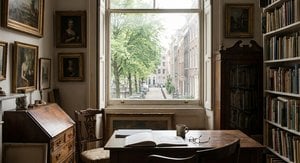
Wewnętrzny Świat Domu: Ewolucja Reprezentacji Przestrzeni w Historii Sztuki
Odkryj fascynującą ewolucję reprezentacji przestrzeni mieszkalnej w historii sztuki! Od starożytności po współczesność – analiza trendów, stylów i inspiracji dla miłośników wnętrz. Ekspercka wiedza i piękne reprodukcje na ArtsDot.