Zobacz w skali 1:1
 Wyślij
 Udostępnij
 Szczegóły
 Przewodnik

 Pobierz plik obrazu
 Podobne obiekty
 RTG
RTG Pokaz slajdów
 Statystyki
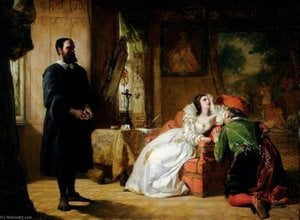
The Sleeping Model


 Czytaj więcej
Ręcznie malowana reprodukcja olejowa
Ręcznie malowany obraz olejny na płótnie, wykonany na zamówienie przez naszych artystów w wybranym przez Ciebie wymiarze i oprawie. ( Przełącz na wersję drukowaną Przełącz na wersję cyfrową)




P118B zł10

P118H zł10

P118W zł10

P438Z zł10

P508JH zł12

P508YH zł12

P805H zł10

P805Z zł10

P919BZ zł10

P919G zł10

P919XJ zł10

P959ZH zł10

P968JZ zł12

W106C zł8

W218G zł10

W218JH zł8

W218Y zł10

W307PJ zł10

W316G zł10

W316PJ zł8

W316Y zł10

W398PJ zł8

W4111J zł10

W500HY zł15

W500JH zł15

W692G zł12

W849H zł8

W940BG zł15

W953PJ zł8




Wybierz spośród naszych standardowych rozmiarów, które zachowują oryginalne proporcje dzieła sztuki.

Wpisz wymaganą szerokość i wysokość, aby obraz pasował do Twojej ramy lub ściany. Ponieważ jest to dzieło malowane ręcznie, w przypadku rozmiaru o innym proporcji artysta może domalować nieco więcej wokół obrazu lub przyciąć fragmenty — wybór należy do Ciebie. Przed rozpoczęciem pracy prześlemy Ci cyfrową wizualizację do zatwierdzenia. Obraz widoczny na tej stronie nie przedstawia rzeczywistego efektu — jedynie wizualizacja oddaje realny rezultat.
Po złożeniu zamówienia zespół ArtsDot.com skontaktuje się z klientem drogą mailową w celu uzyskania instrukcji i prześle wizualizację projektu
Dostawa na całym świecie () w ciągu 3–4 tygodni zamiast standardowych 5 tygodni. (25 Październik). Bez kompromisów w kwestii jakości.

Bezpłatna ekspresowa wysyłka na cały świat

Wysokiej jakości płótno lniane

Pełne ubezpieczenie transportowe

Gwarancja zwrotu należności celnych i podatków importowych

Gwarancja idealnego odwzorowania barw

100-dniowy okres na zwrot dzieła w przypadku wykrycia wad produkcyjnych

Gwarancja 100% zwrotu pieniędzy

Oferta przy zakupie wielu sztuk
 Opcja ze szkłem jest dostępna wyłącznie w rozmiarach poniżej 110 cm

The Sleeping Model
Technika wykonania
Rozmiar reprodukcji
-


Suma do zapłaty
zł 1009
A Moment Frozen in Victorian Tranquility
In the quiet corners of a nineteenth-century studio, where the scent of oil paint and turpentine lingers, William Powell Frith captures a scene of profound, unexpected stillness. The Sleeping Model is not merely a portrait of rest; it is a window into the delicate social fabric of the Victorian era. The painting presents a woman reclining gracefully in a chair, her head surrendered to sleep as it rests heavily upon her hand. This image, while seemingly peaceful, carries an underlying tension that speaks to the societal anxieties of the time. During this period, the presence of women in artistic spaces was often viewed through a lens of suspicion, and Frith masterfully navigates these complexities by presenting a moment of vulnerability that feels both intimate and deeply human.
The composition is a masterful study in chiaroscuro, where the dramatic interplay between light and shadow sculpts the woman’s form against the rich, deep tones of the room. Frith, heavily influenced by the domestic realism of Sir David Wilkie, employs a meticulous oil technique characterized by layered brushstrokes that lend a luminous quality to the skin and fabric. As the eye wanders through the studio, one notices the fine details that ground the scene in reality: the sturdy easel holding a canvas, the humble basket resting on the floor, and the subtle presence of other figures that suggest a larger, bustling world existing just beyond this momentary lapse into slumber. The red walls of the studio provide a warm, dramatic backdrop, pulling the viewer into the heart of the artist's sanctuary.
Symbolism and the Artist's Vision
Beyond its surface beauty, the painting serves as a poignant narrative about class and identity. The model herself—historically identified as an orange seller whom Frith encountered in the street—represents the intersection of different social strata within the artist's workspace. Her posture, caught between the exhaustion of labor and the grace of repose, acts as a quiet defiance of the rigid expectations placed upon women of her standing. There is a profound sense of contemplation embedded in her stillness; even in sleep, she commands the space, inviting the viewer to reflect on the unseen lives that move through the shadows of history.
For the discerning collector or interior designer, this piece offers more than just aesthetic elegance. It provides a focal point of intellectual and emotional depth. The painting’s ability to evoke a sense of nostalgic peace while maintaining a sophisticated, academic rigor makes it an ideal centerpiece for a curated collection. Whether placed in a sunlit gallery or a moody, classic study, The Sleeping Model brings with it the weight of history and the timeless allure of a story caught in mid-breath. It is a celebration of the fleeting moments that define our existence, rendered with the unparalleled skill of one of Britain's greatest chroniclers of social life.
Pytania i odpowiedzi
Czy dzieło "The Sleeping Model" znajduje się w kraju swojego twórcy?
Tak – dzieło znajduje się w kraju pochodzenia artysty. William Powell Frith urodził(a) się w Wielka Brytania, a oryginał dzieła „The Sleeping Model” znajduje się w muzeum w Wielka Brytania.
Czy istnieje karta informacyjna o „The Sleeping Model” autorstwa William Powell Frith przeznaczona dla studentów?
Przewodnik po "The Sleeping Model" to strona Przewodnik dzieła sztuki – nadrukowalna karta informacyjna prezentująca utwór wraz z podpisem, informacją o autorstwie oraz tabelą danych (artysta, daty, technika, wymiary oryginału, kolekcja).
Jakie miejsce w dorobku twórczym William Powell Frith zajmuje dzieło "The Sleeping Model"?
"The Sleeping Model" dzieli z innymi dziełami William Powell Frith styl właściwy dla Victorian Realism oraz powracające motywy: wilkie influence, victorian society, catholic faith, social critique, narrative scenes.
Podobne dzieła


Biografia artysty
Early Life and Training
William Powell Frith, a name synonymous with the vibrant tapestry of Victorian England, was born on January 9, 1819, in Aldfield, a small village nestled near Ripon in North Yorkshire. His early life, steeped in the traditions of his family’s hotel business – his father ran an inn in Harrogate – provided a grounding in observation and social interaction, qualities that would later profoundly shape his artistic vision. While initially intending to follow in his father's footsteps and pursue a career as an auctioneer, Frith’s innate talent for art quickly became apparent, prompting his family to encourage him to nurture his creative inclinations.
His formal artistic education began at Sass’s Academy in Charlotte Street, London, a prestigious institution renowned for its rigorous training. From there, he continued his studies at the Royal Academy Schools, immersing himself in the techniques and principles of classical art while simultaneously absorbing the burgeoning trends of the era. This dual approach – a respect for tradition alongside an openness to innovation – would be a defining characteristic of Frith’s artistic journey.
Career Highlights and Artistic Style
Frith's career blossomed in the mid-19th century, establishing him as one of Britain’s most celebrated artists. He quickly gained recognition for his ability to capture the essence of everyday life with remarkable detail and a keen eye for social commentary. A key influence on Frith was Sir David Wilkie, whose depictions of domestic scenes – particularly *The Chelsea Pensioners* – provided a model for the scale, composition, and narrative power that would become hallmarks of Frith’s work.
However, Frith didn't simply imitate Wilkie; he developed his own distinctive style. He was a master of genre painting, specializing in panoramic narratives that unfolded within public spaces – bustling markets, crowded racecourses, railway stations, and seaside resorts. His paintings are characterized by an astonishing number of figures, each rendered with meticulous precision, creating a sense of immersive realism. Frith’s use of photographic studies, pioneered by Robert Howlett, allowed him to achieve unprecedented levels of accuracy in depicting details such as clothing, architecture, and facial expressions – particularly evident in masterpieces like *The Derby Day*.
Notable works include Ramsgate Sands (1854), a lively depiction of seaside entertainment; The Derby Day (1858), a monumental painting capturing the chaotic energy of Epsom Downs Racecourse, so popular that railings were erected to allow spectators to view it more closely; *The Railway Station* (1862), a detailed portrayal of Paddington Station’s bustling activity; and *The Sleeping Model* (1853), his Diploma work at the Royal Academy, which explored the stark contrast between wealth and poverty. His final series, The Race for Wealth (1880), offered moral reflections on Victorian society through a sequence of five paintings.
Development and Later Years
Frith was not merely a painter; he was also a keen observer and insightful commentator on the social dynamics of his time. He meticulously documented the fashions, customs, and interactions of various social classes, offering a valuable visual record of Victorian England. He wrote two autobiographies, My Autobiography (1887) and Further Reminiscences (1888), providing intimate accounts of his artistic development, his encounters with prominent figures, and his perspectives on the art world.
Despite his immense success, Frith remained a traditionalist, expressing reservations about the direction of modern art. He valued craftsmanship and realism above all else, often lamenting what he perceived as a decline in artistic standards. Remarkably, Frith lived to witness significant changes in the art world during his long life, outliving many of his contemporaries from The Clique – a group of artists who shared his artistic sensibilities.
Historical Significance and Legacy
William Powell Frith’s paintings hold immense historical significance as they offer a unique window into Victorian England. His detailed depictions of everyday life provide invaluable insights into the social customs, fashion trends, and leisure activities of the era. He was one of the most commercially successful artists of his time, with his works widely admired and sought after by collectors and institutions.
Frith’s influence extends beyond his individual achievements. He significantly contributed to the development of genre painting in Britain, elevating it from a minor art form to a respected and popular genre. His meticulous attention to detail set a new standard for realism, inspiring generations of artists. Today, Frith's paintings continue to be exhibited and studied, serving as enduring reminders of a vibrant and transformative period in British history – a testament to the artist’s remarkable talent and insightful vision.

William Powell Frith
1819 - 1909 , Wielka Brytania
Najważniejsze informacje
- Artistic Movement Or Style: Pittura genowa
- Artists Or Movements Influenced By This Artist: ['The Clique']
- Artists Who Influenced This Artist: ['David Wilkie']
- Date Of Birth: 9 stycznia 1819
- Date Of Death: 2 listopada 1909
- Full Name: William Powell Frith
- Nationality: Angielski
- Notable Artworks:
- Ramsgate Sands
- Derby Day
- Stacja kolejowa
- Place Of Birth: Aldfield, Wielka Brytania
Zobacz także powiązane artykuły

William Salter: A Life Immersed in Colour – Victorian Botanical Art & Social Vision
Explore the life & art of William Salter (1804-1875), a Victorian master renowned for his botanical illustrations and striking portraits. Discover his social vision & legacy at ArtsDot.

R.A. Benjamin Williams: Victorian Genre Painting & Social Commentary
Explore the captivating world of Benjamin Williams Leader's Victorian genre paintings. Discover his mastery of naturalism, social commentary & lasting influence on British art. Expert insights at ArtsDot.

William Powell Frith: Narratives of Victorian Society & the Rise of Realist Painting
Explore the life & works of William Powell Frith, the 'greatest British painter of social scenes.' Discover his iconic Victorian genre paintings and learn about his lasting impact on realist art. Hand-painted reproductions available.

William James Müller: Navigating Victorian Sentiment & Realism in British Landscape Painting
Explore the captivating landscapes of William James Müller, the leading artist of the Bristol School. Discover his Victorian masterpieces, Egyptian travels & Lycian sketches – a journey through 19th-century art and technique.

Akademizm w sztuce: Od ideałów antyku do konwencji XIX wieku
Poznaj historię akademizmu w sztuce – od XVII-wiecznych korzeni po krytykę w XIX wieku. Analiza technik, hierarchii tematów i wpływu klasycznych wzorców. Ekspercka wiedza dla miłośników sztuki.