


 Podgląd w skali
 Wyślij jako kartkę
 Udostępnij
 Szczegóły dzieła

 Pobierz
 Podobne obiekty
 RTG
RTG Pokaz slajdów
 Statystyki
View at Gillingham with Cottages

 Rozwiń treść
Ręcznie malowana reprodukcja olejowa
Ręcznie malowany obraz olejny na płótnie, wykonany na zamówienie przez naszych artystów w wybranym przez Ciebie wymiarze i oprawie. ( Przełącz na wydruki Przełącz na obraz cyfrowy)




P118B $10

P118H $10

P118W $10

P438Z $10

P508JH $12

P508YH $12

P805H $10

P805Z $10

P919BZ $10

P919G $10

P919XJ $10

P959ZH $10

P968JZ $12

W106C $8

W218G $10

W218JH $8

W218Y $10

W307PJ $10

W316G $10

W316PJ $8

W316Y $10

W398PJ $8

W4111J $10

W500HY $15

W500JH $15

W692G $12

W849H $8

W940BG $15

W953PJ $8




Wybierz spośród naszych standardowych rozmiarów, które zachowują oryginalne proporcje dzieła sztuki.

Możesz wprowadzić własne wymiary, aby dopasować obraz do konkretnej ramy lub przestrzeni. Jeśli wybrany rozmiar nie będzie odpowiadał proporcjom oryginału, przytniecie dzieło sztuki lub rozszerzymy je o dodatkowe elementy, ręcznie domalowane przez artystę. Przed rozpoczęciem produkcji wyślemy projekt cyfrowy do Twojej akceptacji.
Należy pamiętać, że podgląd na ekranie nie odzwierciedla rzeczywistego przycinania ani rozszerzania obrazu. Tylko projekt dokładnie pokaże ostateczną kompozycję.
Choć oferujemy możliwość zamówienia niestandardowych rozmiarów, zalecamy wybór wymiaru z gotowej listy, aby zachować oryginalne proporcje dzieła.
Po złożeniu zamówienia zespół ArtsDot.com skontaktuje się z klientem drogą mailową w celu uzyskania instrukcji i prześle wizualizację projektu
Dostawa na całym świecie () w ciągu 3–4 tygodni zamiast standardowych 5 tygodni. (13 Wrzesień). Bez kompromisów w kwestii jakości.

Bezpłatna ekspresowa wysyłka na cały świat

Wysokiej jakości płótno lniane

Pełne ubezpieczenie przesyłki

Gwarancja zwrotu należności celnych i podatków importowych

Gwarancja wiernego odwzorowania kolorów

100-dniowa polityka zwrotów (tylko w przypadku wad)

Gwarancja 100% zwrotu kosztów

Zniżka przy zamówieniu wielu produktów
 Opcja ze szkłem jest dostępna wyłącznie w rozmiarach poniżej 110 cm

View at Gillingham with Cottages
Technika reprodukcji
Wymiary reprodukcji
-


Cena całkowita
$ 263
Podobne dzieła


O artyście
William James Müller: Życie i Sztuka
Wczesne lata i artystyczne początki
- William James Müller urodził się w 1812 roku w Bristolu, w Wielkiej Brytaryi.
- Choć szczegóły dotyczące jego wczesnego wykształcenia artystycznego pozostają dość niejasne, artysta ten szybko zdołał zaznaczyć swoją obecność w tętniącej życiem społeczności artystycznej Bristolu.
- W tym czasie Bristol stanowił kluczowe centrum malarstwa pejzażowego, znane jako „Szkoła Bristolskia”, co wywarło ogromny wpływ na rozwój talentu Müllera.
Rozwój artystyczny i inspiracje
- Wczesna twórczość Müllera koncentrowała się na lokalnych krajobrazach okolic Bristolu, wykazując niezwykłą biegłość w chwytaniu efektów atmosferycznych oraz malowniczych widoków.
- Artysta czerpał silne inspiracje od twórców związanych ze Szkołą Bristolską, takich jak James Baker Pyne i Thomas Rowbotham, którzy kładli nacisk na bezpośrednią obserwację natury oraz romantyczną wrażliwość.
- Około lat 30. XIX wieku Müller rozpoczął szerokie podróże, udając się w szczególności do Egiptu, Likii (dzisiejsza Turcja) oraz innych zakątków Bliskiego Wschodu.
- Wyprawy te głęboko przekształciły jego styl malarski, skłaniając go ku tematyce orientalistycznej – pełnej przedstawień życia i krajobrazów Bliskiego Wschodu.
Kluczowe tematy i styl artystyczny
- Twórczość Müllera charakteryzuje się unikalnym połączeniem drobiazgowej obserwacji z romantyczną wyobraźnią.
- Jego płótna często zachwycają żywą kolorystyką, dramatycznym operowaniem światłem oraz poczuciem głębi atmosferycznej.
- Z wielką sprawnością potrafił oddać zarówno majestat starożytnych ruin, jak i codzienność ludzi zamieszkujących odwiedzane przez niego regiony.
- Do jego głównych motywów należą: pejzaże (zarówno brytyjskie, jak i orientalistyczne), wydarzenia historyczne (takie jak zamieszki w Bristolu) oraz sceny z życia codziennego.
Najważniejsze dzieła i osiągnięcia
- Do najbardziej uznanych dzieł Müllera należą m.in. „Akropol w Atenach”, „Studium mężczyzny w mauretańskim stroju” oraz „Zamieszki w Bristolu – spalenie domów celnych przy moście Prince Street z widokiem na St Mary Redcliffe”.
- Jego obraz przedstawiający zamieszki w Bristolu ma szczególne znaczenie jako dokument historyczny, utrwalający burzliwe wydarzenia z dziejów miasta.
- Müller regularnie wystawiał swoje prace w licznych galeriach, zdobywając uznanie dzięki swojej biegłości technicznej i oryginalności.
Znaczenie historyczne i dziedzictwo
- William James Müller odegrał istotną rolę w popularyzacji malarstwa orientalistycznego wśród brytyjskiej publiczności.
- Jego szczegółowe przedstawienia Egiptu i Likii pozwalały europejskim widzom zajrzeć do kultur, które w tamtym czasie pozostawały dla wielu niemal całkowicie nieznane.
- Mimo przedwczesnej śmierci w 1845 roku, jego dorobek jest nadal ceniony za wysokie walory artystyczne i wartość historyczną.
- Pozostaje on ważną postacią Szkoły Bristolskiej oraz reprezentantem brytyjskiego malarstwa pejzażowego i orientalistycznego XIX wieku.

William James Müller
1812 - 1845 , Anglia
Krótka nota
- Artistic Movement Or Style: Szkoła Bristolska
- Artists Or Movements Influenced By This Artist: ['Orientalizm']
- Artists Who Influenced This Artist:
- Claude Lorrain
- Ruysdael
- Date Of Birth: 28 czerwca 1812
- Date Of Death: 8 września 1845
- Full Name: William James Müller
- Nationality: Brytyjski
- Notable Artworks:
- Akropol Ateński
- Studium mężczyzny w kostiumie muzułmańskim
- Place Of Birth: Bristol, Anglia
Powiązane artykuły

James Abbott McNeill Whistler: 25 Arcydzieł Sztuki Pejzażowej i Portretowej | ArtsDot
Odkryj 25 arcydzieł Jamesa Abbotta McNeilla Whistler'a! Poznaj historię impresjonistycznych pejzaży, portretów i słynnych 'Nokturnów'. Reprodukcje obrazów najwyższej jakości na ArtsDot.com – inspiracje dla Twojego wnętrza.
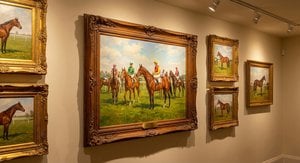
Sir Alfred James Munnings: 25 Arcydzieł Malarstwa Koni i Angielskiej Wsi | ArtsDot.com
Odkryj 25 arcydzieł Sir Alfreda Jamesa Munningsa – mistrza malarstwa koni i angielskiego krajobrazu. Poznaj historię, technikę i piękno jego obrazów. Reprodukcje najwyższej jakości na ArtsDot.com! Eksploruj pełną kolekcję online.

John Constable: 25 Najlepszych Obrazów Mistrza Angielskiego Krajobrazu | ArtsDot
Odkryj 25 arcydzieł Johna Constable'a – mistrza angielskiego krajobrazu! Poznaj romantyczne pejzaże, technikę malarską i inspiracje z Dedham Vale. Reprodukcje obrazów najwyższej jakości na ArtsDot.com. Eksploruj pełną kolekcję online!

William James Müller: Navigating Victorian Sentiment & Realism in British Landscape Painting
Explore the captivating landscapes of William James Müller, the leading artist of the Bristol School. Discover his Victorian masterpieces, Egyptian travels & Lycian sketches – a journey through 19th-century art and technique.

Evoking Nature's Sublime: A Comprehensive Exploration of 19th-Century Landscape Painting
Explore the captivating world of 19th-century landscape painting! Discover renowned artists like Friedrich & Monet, key movements, and find the perfect artwork to bring nature's serenity into your home. Expert insights at ArtsDot.