


 Podgląd w skali
 Wyślij jako kartkę
 Udostępnij
 Szczegóły dzieła

 Pobierz
 Podobne obiekty
 RTG
RTG Pokaz slajdów
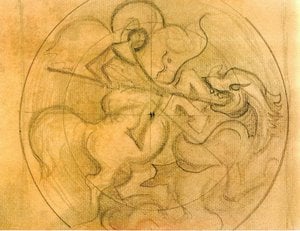
The Call
 1916
1916 40.0 x 30.0 cm
 Rozwiń treść
Ręcznie malowana reprodukcja olejowa
Ręcznie malowany obraz olejny na płótnie, wykonany na zamówienie przez naszych artystów w wybranym przez Ciebie wymiarze i oprawie. ( Zamów wydruk Kup obraz wysokiej rozdzielczości)




































Wybierz spośród naszych standardowych rozmiarów, które zachowują oryginalne proporcje dzieła sztuki.

Możesz wprowadzić własne wymiary, aby dopasować obraz do konkretnej ramy lub przestrzeni. Jeśli wybrany rozmiar nie będzie odpowiadał proporcjom oryginału, przytniecie dzieło sztuki lub rozszerzymy je o dodatkowe elementy, ręcznie domalowane przez artystę. Przed rozpoczęciem produkcji wyślemy projekt cyfrowy do Twojej akceptacji.
Należy pamiętać, że podgląd na ekranie nie odzwierciedla rzeczywistego przycinania ani rozszerzania obrazu. Tylko projekt dokładnie pokaże ostateczną kompozycję.
Choć oferujemy możliwość zamówienia niestandardowych rozmiarów, zalecamy wybór wymiaru z gotowej listy, aby zachować oryginalne proporcje dzieła.
Po złożeniu zamówienia zespół ArtsDot.com skontaktuje się z klientem drogą mailową w celu uzyskania instrukcji i prześle wizualizację projektu
Dostawa na całym świecie () w ciągu 3–4 tygodni zamiast standardowych 5 tygodni. (5 Wrzesień). Bez kompromisów w kwestii jakości.

Bezpłatna ekspresowa wysyłka na cały świat

Wysokiej jakości płótno lniane

Pełne ubezpieczenie przesyłki

Gwarancja zwrotu należności celnych i podatków importowych

Gwarancja wiernego odwzorowania kolorów

Polityka 60-dniowego zwrotu (tylko w przypadku wad)

Gwarancja 100% zwrotu kosztów

Zniżka przy zamówieniu wielu produktów
 Opcja ze szkłem jest dostępna wyłącznie w rozmiarach poniżej 110 cm

The Call
Technika reprodukcji
Wymiary reprodukcji
-


Cena całkowita
$ 263
Podobne dzieła


O artyście
A Chronicler of a Changing Bristol: The Life and Art of William Holt Yates Titcomb
William Holt Yates Titcomb, often signing his works as W.H.Y. Titcomb or simply Titcombe, remains a fascinating figure in the pantheon of Victorian and Edwardian British artists. Born in 1858, Titcomb dedicated his artistic career to documenting the bustling life of Bristol, England – a city undergoing rapid industrialization and social transformation. While not widely known outside of regional collections and enthusiasts, his paintings offer an invaluable visual record of a specific time and place, imbued with both meticulous detail and a palpable sense of atmosphere. He wasn’t merely painting *what* he saw; he was capturing the very spirit of Bristol's evolution, from its maritime heritage to the rise of steam power and the everyday lives of its inhabitants.Early Life and Artistic Training
Details regarding Titcomb’s early life are somewhat scarce, a common fate for artists who prioritized production over self-promotion. However, it is known that he received formal artistic training, though the exact institutions remain undocumented. His style suggests an academic grounding, evident in his precise draftsmanship and understanding of light and shadow. He quickly gravitated towards watercolor as his preferred medium, a choice perfectly suited to capturing the nuances of Bristol’s often-misty climate and the reflective surfaces of its docks and waterways. The influence of earlier topographical artists is discernible in his early works, but Titcomb soon developed a distinctive voice, moving beyond mere documentation to embrace a more narrative approach. He wasn't simply recording buildings; he was illustrating the stories unfolding within them.Bristol as Muse: Themes and Techniques
Titcomb’s artistic output is overwhelmingly focused on Bristol and its surrounding areas. His paintings depict scenes of the docks teeming with activity, the iconic Clifton Suspension Bridge shrouded in fog, bustling streetscapes filled with horse-drawn carriages and pedestrians, and the grand architecture of the city's historic buildings. A recurring theme in his work is the impact of industrialization. He frequently depicted steam engines – particularly those used in the Wills Tobacco factories – not as symbols of progress alone, but also as powerful forces reshaping the urban landscape and the lives of working people. His technique is characterized by a remarkable level of detail, achieved through careful layering of watercolor washes and precise brushwork. He possessed an exceptional ability to render light reflecting off water, glass, and metal surfaces, creating a sense of realism that draws the viewer into the scene. Beyond technical skill, Titcomb’s paintings are notable for their atmospheric quality – he masterfully captured the mood and character of Bristol, from the bright sunshine of summer days to the gloom of winter evenings. He often included figures in his compositions, adding a human element to his depictions of urban life. These aren't portraits, but rather glimpses into the everyday routines of Bristolians.Beyond Industry: Historical and Religious Subjects
While best known for his industrial scenes, Titcomb also explored historical and religious subjects, often with a local connection. One notable example is his painting depicting John Wesley preaching in Bristol, capturing a pivotal moment in the city’s Methodist history. This work demonstrates his ability to handle larger-scale compositions and portray human drama effectively. He wasn't limited to contemporary scenes; he actively engaged with Bristol’s past, seeking to visually represent its rich heritage. These historical paintings often served as commissions for local institutions or private collectors, further solidifying his reputation within the community.Legacy and Historical Significance
William Holt Yates Titcomb died in 1930, leaving behind a substantial body of work that provides a unique window into the life of Victorian and Edwardian Bristol. Though he never achieved widespread fame during his lifetime, his paintings have gained increasing recognition in recent years as historians and art enthusiasts appreciate their historical value and artistic merit. His works are now held in numerous public and private collections, including those of the Bristol Museum & Art Gallery.- A Visual Archive: Titcomb’s paintings serve as an invaluable visual archive of a city undergoing rapid change, documenting buildings, industries, and social customs that have since disappeared.
- Social Commentary: His depictions of industrial life offer subtle but insightful commentary on the impact of technology on working-class communities.
- Local Pride: Titcomb’s unwavering focus on Bristol reflects a deep sense of local pride and a commitment to preserving the city’s unique character.
- Atmospheric Realism: His masterful use of watercolor and his ability to capture atmospheric effects continue to captivate viewers today.

william holt yates titcomb
1858 - 1930

