
- Strona główna

- Reprodukcja obrazu olejnego
- william elford
- Landscape, Sheepstor, near Burrator Reservoir, Devon

 Zamów wydruk Kup cyfrowy obraz
 Udostępnij
 Udostępnij
 Details
 Dodaj do ulubionych

 Pobierz
 Podobne obiekty
 X-Ray
X-Ray
 Pokaz slajdów
Landscape, Sheepstor, near Burrator Reservoir, Devon
 Romanticism
 1818
1818 30.0 x 38.0 cm
 Royal Albert Memorial Museum
Ręcznie malowana reprodukcja olejowa
Ręcznie malowany olej na płótnie w Twoim wymiarze i ramie, tworzony na zamówienie przez naszych artystów.




































 Dowiedz się więcej
Wybierz spośród naszych predefiniowanych rozmiarów, które zachowują oryginalne proporcje dzieła sztuki.

Możesz wprowadzić własne wymiary, aby dopasować obraz do konkretnej ramy lub przestrzeni. Jeśli wybrany rozmiar nie będzie odpowiadał proporcjom oryginału, przytniecie dzieło sztuki lub rozszerzymy je o dodatkowe elementy, ręcznie domalowane przez artystę. Przed rozpoczęciem produkcji wyślemy projekt cyfrowy do Twojej akceptacji.
Należy pamiętać, że podgląd na ekranie nie odzwierciedla rzeczywistego przycinania ani rozszerzania obrazu. Tylko projekt dokładnie pokaże ostateczną kompozycję.
Choć oferujemy możliwość zamówienia niestandardowych rozmiarów, zalecamy wybór wymiaru z gotowej listy, aby zachować oryginalne proporcje dzieła.
Po złożeniu zamówienia zespół ArtsDot.com skontaktuje się z klientem drogą mailową w celu uzyskania instrukcji i prześle wizualizację projektu
Dostawa na całym świecie () w ciągu 3/4 tygodni zamiast standardowych 5 tygodni. (1 Lipiec). Bez kompromisów w kwestii jakości.

Bezpłatna ekspresowa wysyłka na cały świat

Wysokiej jakości płótno lniane

Pełne ubezpieczenie przesyłki

Gwarancja zwrotu należności celnych

Gwarancja pełnego zgodności kolorystycznej

Polityka 60-dniowego zwrotu (tylko w przypadku wad)

Gwarancja 100% zwrotu pieniędzy

Zniżka przy większych zamówieniach
 Opcja szkła jest dostępna wyłącznie w rozmiarach poniżej 110 cm

Landscape, Sheepstor, near Burrator Reservoir, Devon
Technika reprodukcji
Wymiary reprodukcji
-


Cena całkowita
-
Podobne dzieła sztuki


Biografia artysty
William Elford: A Banker's Brushstrokes – Bridging Finance and Artistic Vision
William Elford (1749 – 1837) stands as an intriguing figure in British art history, a man whose life intersected powerfully with the burgeoning Romantic movement while simultaneously maintaining a distinguished career in banking. More than just a wealthy gentleman dabbling in painting, Elford possessed a multifaceted intellect and unwavering dedication to both his profession and his artistic pursuits—a combination that resulted in a body of work characterized by sensitivity, meticulous observation, and an undeniable connection to the landscapes of Devonshire. Born into a prominent family rooted in Plymouth’s maritime heritage – the Elfords had been involved in trade for generations – William received an education that prioritized classical learning alongside practical skills. His father, Lancelot Elford, was a clergyman with considerable influence within the region, fostering in young William a respect for scholarship and intellectual curiosity. This upbringing undoubtedly shaped his worldview and instilled a desire to engage with the world beyond mere financial transactions. Grace Wills, his mother, brought into the family a lineage of artistic sensibilities, hinting at an inherent predisposition towards creative expression. Elford’s banking career began modestly but swiftly ascended as he partnered with Tingcombe & Clerk in Plymouth, establishing himself as a respected financier and securing positions within the town's administration. He served as Recorder of Plymouth from 1797 to 1833, demonstrating his commitment to civic duty and contributing significantly to the governance of Devonshire. Simultaneously, he pursued parliamentary representation, campaigning unsuccessfully for Rye in 1796 and Westbury later on—a testament to his ambition and engagement with political discourse. His involvement in the Irish Rebellion of 1798 further cemented his reputation as a patriot and underscored his willingness to serve his country actively. Notably, he commanded the South Devon Militia during this turbulent period, showcasing leadership qualities alongside artistic inclination. However, it was Elford’s artistic endeavors that truly captivated contemporaries and secured his place in art annals. He joined the Royal Academy exhibitions from 1774 until his death in 1837, consistently presenting landscapes imbued with Romantic ideals—particularly those depicting the dramatic beauty of Dartmoor and its environs. His paintings weren't merely decorative; they were meticulously crafted studies of light, color, and texture, reflecting a profound understanding of topographical accuracy combined with expressive artistic vision. Among his most celebrated works is ‘The White Lady of Avenel,’ completed in 1822—a haunting depiction of Dartmoor’s desolate moorland bathed in twilight hues. This painting exemplifies Elford's ability to capture the sublime, conveying both grandeur and melancholy with remarkable subtlety. Watercolor sketches found in the British Museum provide further evidence of his artistic versatility and meticulous attention to detail. Elford’s scientific pursuits complemented his artistic endeavors. Elected Fellow of the Royal Society in 1790 and subsequently Linnaean Society member in 1813, he investigated alternative yeast preparations—a pioneering effort that garnered considerable acclaim during his lifetime. This intellectual curiosity extended beyond botany; Elford was a sociable man who frequented Bath, engaging in lively discussions with literary luminaries and artists of the era. His legacy endures not only as a banker and politician but also as an artist whose canvases continue to resonate with viewers today—a testament to the enduring power of blending intellect and artistic passion.
william elford
1749 - 1837
Kluczowe informacje
- Artistic Movement Or Style: Romanticism
- Artists Or Movements Influenced By This Artist: ['']
- Artists Who Influenced This Artist: ['']
- Date Of Birth: 1749
- Date Of Death: 1837
- Full Name: William Elford
- Nationality: English
- Notable Artworks:
- The White Lady of Avenel
- Landscape, Sheepstor, near Burrator Reservoir
- Place Of Birth: Plymouth, England
Powiązane artykuły

Obrazowanie Emocji i Transcendencji: Romantyczny Krajobraz Malarski XVIII i XIX Wieku
Odkryj fascynujący świat romantycznego krajobrazu malarskiego XVIII i XIX wieku! Poznaj arcydzieła Friedricha, Turnera i polskich mistrzów. Analiza emocji, historii i inspiracji w sztuce.

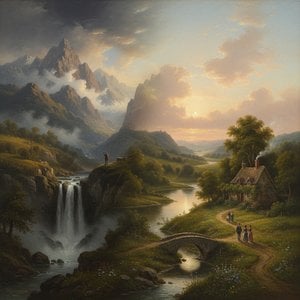
Sublime i malownicze: Emocje i natura w romantycznym krajobrazie
Odkryj fascynujący świat romantyzmu w malarstwie! Poznaj Caspara Davida Friedricha, kategorię sublime i symbolikę krajobrazów. Inspiracje dla miłośników sztuki i dekoracji wnętrz – ArtsDot.
10 Arcydzieł Malarstwa Olejnego, Które Zmieniły Historię Sztuki | ArtsDot.com
Poznaj 10 legendarnych arcydzieł malarstwa olejnego, które na zawsze zmieniły historię sztuki! Odkryj historie van Gogha, Moneta i Rembrandta. Reprodukcje obrazów najwyższej jakości – ArtsDot.com. Eksploruj kolekcję online!

Arcydzieła na panelu olejnym: 10 obrazów, które zmieniły historię sztuki | ArtsDot.com
Poznaj 10 arcydzieł malarstwa olejnego na panelu, które zrewolucjonizowały sztukę! Odkryj historie Van Gogha, Rembrandta i Botticellego. Reprodukcje obrazów najwyższej jakości – inspiracje do wnętrz na ArtsDot.com.

From Snapshot to Legacy: The Art of Commissioning a Hand-Painted Reproduction from Photography – Preserving Memories Through Oil Painting Techniques
Transform cherished photos into timeless oil paintings with skilled artists. Trusted for bespoke portraits & heirloom art. Discover the process, styles & lasting value – a legacy preserved.

