


 Zobacz w skali 1:1
 Wyślij
 Udostępnij
 Szczegóły
 Przewodnik

 Pobierz plik obrazu
 Podobne obiekty
 RTG
RTG Pokaz slajdów
 Statystyki
Daffodils
 Contemporary Realism
 50.0 x 39.0 cm
 Czytaj więcej
Dzieło sztuki prezentowane na tej stronie podlega ochronie prawem autorskim, co oznacza, że nie mamy prawa do tworzenia ani sprzedaży jego identycznej reprodukcji. Ochrona ta jest egzekwowana na mocy umów międzynarodowych, takich jak Konwencja berneńska oraz przez przepisy prawa krajowego, w tym te określone w Prawo autorskie USA – Tytuł 17.
Jako pełną szacunku i legalną alternatywę oferujemy personalizowane, malowane ręcznie dzieła sztuki inspirowane oryginałem. Nasi wykwalifikowani i profesjonalni artyści starannie analizują styl, nastrój oraz artystyczną esencję pierwowzoru, aby stworzyć nowe, unikalne dzieło, które przywołuje te same emocje – pozostając jednocześnie w pełni oryginalną kreacją.
Metoda ta jest w pełni zgodna z przepisami prawa autorskiego, ponieważ nie polega na kopiowaniu ani powielaniu chronionego dzieła. Stanowi ona kreatywną reinterpretację – nowy obraz, który czerpie inspirację z oryginału, ale nie jest z nim tożsamy.
Ręcznie malowana reprodukcja olejowa
Ręcznie malowany obraz olejny na płótnie, wykonany na zamówienie przez naszych artystów w wybranym przez Ciebie wymiarze i oprawie. ( Przełącz na wersję drukowaną Przełącz na wersję cyfrową)




P118B zł10

P118H zł10

P118W zł10

P438Z zł10

P508JH zł12

P508YH zł12

P805H zł10

P805Z zł10

P919BZ zł10

P919G zł10

P919XJ zł10

P959ZH zł10

P968JZ zł12

W106C zł8

W218G zł10

W218JH zł8

W218Y zł10

W307PJ zł10

W316G zł10

W316PJ zł8

W316Y zł10

W398PJ zł8

W4111J zł10

W500HY zł15

W500JH zł15

W692G zł12

W849H zł8

W940BG zł15

W953PJ zł8




Wybierz spośród naszych standardowych rozmiarów, które zachowują oryginalne proporcje dzieła sztuki.

Wpisz wymaganą szerokość i wysokość, aby obraz pasował do Twojej ramy lub ściany. Ponieważ jest to dzieło malowane ręcznie, w przypadku rozmiaru o innym proporcji artysta może domalować nieco więcej wokół obrazu lub przyciąć fragmenty — wybór należy do Ciebie. Przed rozpoczęciem pracy prześlemy Ci cyfrową wizualizację do zatwierdzenia. Obraz widoczny na tej stronie nie przedstawia rzeczywistego efektu — jedynie wizualizacja oddaje realny rezultat.
Po złożeniu zamówienia zespół ArtsDot.com skontaktuje się z klientem drogą mailową w celu uzyskania instrukcji i prześle wizualizację projektu
Dostawa na całym świecie () w ciągu 3–4 tygodni zamiast standardowych 5 tygodni. (23 Październik). Bez kompromisów w kwestii jakości.

Bezpłatna ekspresowa wysyłka na cały świat

Wysokiej jakości płótno lniane

Pełne ubezpieczenie transportowe

Gwarancja zwrotu należności celnych i podatków importowych

Gwarancja idealnego odwzorowania barw

100-dniowy okres na zwrot dzieła w przypadku wykrycia wad produkcyjnych

Gwarancja 100% zwrotu pieniędzy

Oferta przy zakupie wielu sztuk
 Opcja ze szkłem jest dostępna wyłącznie w rozmiarach poniżej 110 cm

Daffodils
Technika wykonania
Rozmiar reprodukcji
-


Suma do zapłaty
zł 1009
Podobne dzieła


Biografia artysty
A Belfast Visionary: The Life and Legacy of William Conor
Born amidst the industrial heartbeat of Victorian Belfast in 1881, William Conor emerged as a profound chronicler of the human condition and the rugged beauty of Ulster life. His origins at 5 Fortingale Street, a locale nestled between the Shankill Road and the Old Lodge Road, deeply informed his artistic soul. Descended from a lineage of wrought-iron workers, Conor’s early years were shaped by the grit and determination of Belfast's working class. This industrial backdrop provided more than just a setting; it offered a lifelong reservoir of subject matter. His path toward greatness was ignited at the tender age of ten, when the keen eyes of music teacher Louis Mantell recognized the latent brilliance in Conor’s chalk drawings, ultimately guiding him toward the formal training of the College of Art.
The development of Conor’s technique was a meticulous journey of discipline and discovery. Before fully committing to the canvas, he served an apprenticeship as a lithographer for David Allen and Sons. This period in the poster design department was far from a detour; rather, it instilled in him a rigorous approach to craftsmanship and a mastery of printmaking that would later manifest in his precise compositions. As he matured, Conor’s horizons expanded far beyond the shipyard vistas of his home. His travels through the Blasket Islands, Dingle Bay, and the vibrant streets of Paris acted as vital catalysts for his creative evolution. In the studios of France, he immersed himself in the study of Dutch and Italian masters, absorbing the dramatic chiaroscuro of Rembrandt and the luminous stillness of Vermeer. These influences allowed him to blend a modern Impressionistic sensibility with a timeless, representational depth.
Mastery of Emotion and the Ulster Spirit
Conor’s artistry is defined by an extraordinary ability to find the extraordinary within the ordinary. He possessed a rare, empathetic gaze that could transform a simple domestic scene into a profound meditation on existence. Whether capturing the quiet intimacy of The Elder Sister or the nostalgic warmth of Taking His Steps, his work resonates with a deep sense of human connection and Irish heritage. His brushwork, often characterized by a balance of bold strokes and delicate detail, served to elevate the lives of working-class people to the level of high art. He did not merely paint scenes; he captured the very atmosphere of a changing era—the camaraderie of urban life, the serenity of a snow-covered City Hall, and the rhythmic pulse of the Belfast shipyards.
During the tumultuous years of the First World War, Conor’s significance took on a historical dimension. Commissioned by the British government to produce official pictorial records, he documented the lives of soldiers and munitions workers, providing a visual testament to the era's sacrifices. This period of service solidified his role as an artist of national importance. His later years saw him establishing a formidable presence in the London art scene, socializing with luminaries such as Sir John Lavery and Augustus John, while simultaneously maintaining a deep connection to his roots through frequent exhibitions at the Royal Hibernian Academy (RHA) from 1918 until 1967.
The enduring legacy of William Conor lies in his role as a visual poet of Northern Ireland. His achievements are marked by several key milestones:
- Academic Distinction: His influential roles within the Royal Institute of Painters in Water Colours (RPIWC) and the Ulster Academy of Arts.
- Cultural Documentation: His unparalleled ability to document the social fabric of Belfast, from industrial landscapes to intimate domesticity.
- Technical Versatility: A seamless transition from the disciplined precision of lithography to the emotive fluidity of oil painting.
- Historical Recognition: The preservation of his significant works within prestigious institutions like the Ulster Museum.
Ultimately, Conor remains a cornerstone of Irish art history. He bridged the gap between the industrial reality of the late 19th century and the burgeoning modernism of the 20th, leaving behind a body of work that continues to evoke warmth, nostalgia, and a profound respect for the resilient spirit of the people of Ulster.

William Conor
1881 - 1968
Najważniejsze informacje
- Artistic Movement Or Style: Realism
- Artists Or Movements Influenced By This Artist:
- Pre-Raphaelitism
- Aestheticism
- Artists Who Influenced This Artist:
- John Lavery
- Augustus Edwin John
- Date Of Birth: 1881
- Date Of Death: 1968
- Full Name: William Conor OBE RHA PPRUA ROI
- Nationality: Irish
- Notable Artworks: ['Watching From The Gods, The Royal Theatre, Belfast']
- Place Of Birth: Belfast, Ireland
Zobacz także powiązane artykuły
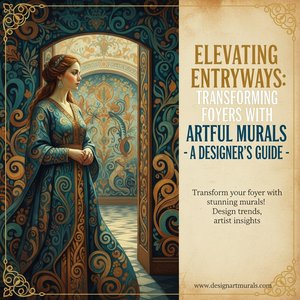
Przebudzenie Przedsionka: Transformacja Holów z Użyciem Artystycznych Murali – Przewodnik Projektanta
Przewodnik dla projektantów hoteli o transformacji holu za pomocą murali. Inspiracje, techniki, case studies i porady ekspertów. Stwórz niezapomniane pierwsze wrażenie!

Projektowanie Hoteli z Muralami: Kompleksowy Przewodnik dla Profesjonalistów
Kompleksowy przewodnik po wykorzystaniu murali w projektowaniu hoteli. Inspiracje, porady ekspertów i studia przypadków. Stwórz unikalny wystrój i wzmocnij branding hotelu!

Od scenerii dżungli po geometryczne złoto: przewodnik po najpopularniejszych stylach murali we współczesnym designie
Odkryj najnowsze trendy w projektowaniu murali hotelowych! Ekspercki przewodnik po stylach, kolorach i technikach. Stwórz unikalny design wnętrz z naszym wsparciem.

Rewolucja we Wnętrzach: Murale w Kuchni i Łazience – Nowy Trend dla Hotelarzy
Odkryj rewolucję we wnętrzach hoteli! Eksperckie porady o muralach w kuchni i łazience – inspiracje, trwałe materiały i unikalny design. Stwórz niezapomniany klimat dla gości.

Przemiana Przestrzeni: Jak Murale Kształtują Tożsamość Marki i Doświadczenia Klientów
Odkryj, jak unikalne murale wzmacniają tożsamość marki hotelu i tworzą niezapomniane wrażenia dla gości. Eksperckie porady i inspiracje od .