


 Zobacz w skali 1:1
 Wyślij
 Udostępnij
 Szczegóły
 Guide
Guide

 Pobierz plik obrazu
 Podobne obiekty
 RTG
RTG Pokaz slajdów
 Statystyki
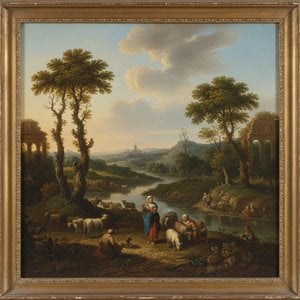
Landscape With Amorous Shepherds

 Czytaj więcej
Giclée / Wydruk artystyczny
Wydruki giclée lub płótna o jakości muzealnej, szybka realizacja i szeroki wybór opcji wykończenia. ( Kup ręcznie malowany obraz Przełącz na wersję cyfrową)




P118B $10

P118H $10

P118W $10

P438Z $10

P508JH $12

P508YH $12

P805H $10

P805Z $10

P919BZ $10

P919G $10

P919XJ $10

P959ZH $10

P968JZ $12

W106C $8

W218G $10

W218JH $8

W218Y $10

W307PJ $10

W316G $10

W316PJ $8

W316Y $10

W398PJ $8

W4111J $10

W500HY $15

W500JH $15

W692G $12

W849H $8

W940BG $15

W953PJ $8




Wybierz spośród naszych standardowych rozmiarów, które zachowują oryginalne proporcje dzieła sztuki.

Możesz wprowadzić własne wymiary, aby dopasować dzieło do konkretnej ramy lub przestrzeni. Jeśli wybrany rozmiar nie będzie odpowiadał proporcjom oryginalnego obrazu, przytniecie dzieło lub rozszerzymy obraz za pomocą odbicia lustrzanego lub jednolitego wypełnienia krawędzi. Przed rozpoczęciem produkcji prześlemy cyfrową wizualizację do Twojej akceptacji.
Prosimy pamiętać, że podgląd na ekranie nie odzwierciedla faktycznego przycinania ani rozszerzania. Tylko wizualizacja dokładnie pokaże końcową kompozycję.
Mimo dostępności niestandardowych rozmiarów, zalecamy wybór wymiaru z listy zdefiniowanej, aby zachować oryginalne proporcje.
Dostawa na cały świat () w ciągu 2 tygodni zamiast standardowych 4/5 tygodni. (21 Wrzesień)

Bezpłatna ekspresowa wysyłka na cały świat

Wysokiej jakości płótno lniane

Pełne ubezpieczenie transportowe

Gwarancja zwrotu należności celnych i podatków importowych

Gwarancja idealnego odwzorowania barw

100-dniowy okres na zwrot dzieła w przypadku wykrycia wad produkcyjnych

Gwarancja 100% zwrotu pieniędzy

Oferta przy zakupie wielu sztuk
 Opcja ze szkłem jest dostępna wyłącznie w rozmiarach poniżej 110 cm

Landscape With Amorous Shepherds
Giclée / Wydruk artystyczny
Rozmiar reprodukcji
-


Suma do zapłaty
$ 62
Podobne dzieła


Biografia artysty
The Architect of Illusion: The Multifaceted Legacy of Willem van Nieulandt
Willem van Nieulandt, a name that resonates with the intellectual vigor of the Dutch Golden Age, was far more than a mere practitioner of the brush. Born around 1584 in the vibrant artistic hub of Antwerp, he emerged as a true Renaissance man—a poet, playwright, engraver, and painter whose work bridged the gap between visual splendor and literary depth. His life was a tapestry woven from the threads of various European cultures, shaped by the religious upheavals of his era and a profound, lifelong obsession with the grandeur of classical antiquity. To study Van Nieulandt is to witness a mind attempting to reconstruct the lost glory of Rome through the delicate medium of light, shadow, and ink.
The foundations of his artistry were laid in an environment steeped in tradition. As the son of the painter Adrien van Nieulandt the elder, Willem was immersed in the language of art from infancy. However, the shifting political tides of the late 16th century—specifically the siege of Antwerp and the ensuing religious tensions between Catholics and Protestants—forced his family to relocate to Amsterdam. It was here that his formal training began, under the guidance of Roelant Savery. This early period instilled in him a meticulous attention to detail and a mastery of the stylistic currents flowing through the Dutch Republic. Yet, the true metamorphosis of his soul occurred when he embarked on a transformative pilgrimage to Rome in 1607. Seeking the mentorship of the renowned Paulus Bril, Van Nieulandt did not merely learn new techniques; he absorbed the very essence of the Italianate spirit.
Ruins and Reverie: The Symbiosis of Landscape and Lore
In the sun-drenched landscapes of Italy, Van Nieulandt found his true calling. He became a master of the capriccio—a style of painting that blends real architectural fragments with imaginative compositions to create a dreamlike, idealized reality. His works often feature the skeletal remains of Roman temples, crumbling forums, and weathered monuments, not as mere subjects of decay, but as vessels for profound emotional truths. Through his eyes, a broken column was not just stone; it was a poignant symbol of the passage of time and the inevitable decline of even the mightiest empires. This fascination with the classical past allowed him to infuse his landscapes with a sense of melancholy and contemplation that resonated deeply with the humanist ideals of his age.
What truly distinguishes Van Nieulatesque compositions is the way he enlivened these silent ruins with human drama. His canvases frequently serve as stages for biblical narratives, mythological encounters, or contemporary figures lost in thought amidst the debris of history. One might find a scene from Genesis, such as Rebecca offering water to Eliezer, set against the backdrop of the Roman Forum. By placing timeless human stories within the context of ancient architectural decay, he created a powerful dialogue between the eternal and the ephemeral. His ability to weave intricate narratives into his landscapes transformed his paintings from simple vistas into complex, multi-layered meditations on faith, memory, and the human condition.
A Lasting Impression on the Golden Age
Beyond the canvas, Van Nieulandt’s influence extended into the very fabric of Northern European literature and printmaking. As a celebrated poet and playwright in the Habsburg Netherlands, he possessed a unique ability to articulate the intellectual zeitgeist of the early 17th century. His engravings further expanded his reach, allowing his precise, detailed visions of Roman grandeur to circulate widely throughout Europe. This versatility ensured that his artistic voice was heard not only by those who admired fine painting but also by the scholars and literati who shaped the cultural landscape of his time.
The historical significance of Willem van Nieulandt lies in his role as a bridge between eras. He carried the torch of classical humanism into the burgeoning era of the Dutch Golden Age, blending the nostalgic reverence for antiquity with the emerging realism of Northern European art. Though he passed away around 1635, his legacy remains etched in the architectural fragments and poetic verses he left behind. He remains a vital figure for any student of art history, representing a rare moment in time when the poet's pen and the painter's brush worked in perfect, haunting harmony to capture the fleeting beauty of a world in transition.

willem van nieulandt
1584 - 1635
Najważniejsze informacje
- Artistic Movement Or Style: Italianate Ruins
- Artists Or Movements Influenced By This Artist: ['Renaissance Painting']
- Artists Who Influenced This Artist: ['Roelant Savery']
- Date Of Death: 1635
- Full Name: Willem van Nieulandt
- Nationality: Dutch
- Notable Artworks: ['The Ruins of Pompeii']
- Place Of Birth: Antwerp
Zobacz także powiązane artykuły

Złoty Wiek Niderlandów: Światło, Realizm i Kulturowe Innowacje w Malarstwie Barokowym
Odkryj fascynujący świat malarstwa holenderskiego Złotego Wieku! Poznaj arcydzieła Rembrandta, Vermeera i innych mistrzów. Analiza technik, gatunków i wpływu na sztukę europejską.

Charles Leickert: Capturing the Dutch Golden Age Light – A Comprehensive Study of Technique, Context, and Legacy
Explore the captivating winter landscapes of Charles Leickert, a master of Dutch Golden Age light & atmosphere. Discover his techniques, symbolism, and lasting legacy – a comprehensive study for art enthusiasts and collectors.

Złoty Wiek Holandii: 10 arcydzieł, które zmieniły historię sztuki | ArtsDot.com
Odkryj 10 arcydzieł Złotego Wieku Holandii! Poznaj historię Rembrandta, Vermeera i innych mistrzów. Reprodukcje obrazów najwyższej jakości do Twojego wnętrza – ArtsDot.com.

Golden Light & Dutch Skies: Bringing the Magic of Dutch Golden Age Landscapes into Your Home
Transform your home with the breathtaking light of Dutch Golden Age landscapes. Discover how hand-painted oil reproductions of masterworks like Ruisdael and Vermeer bring timeless elegance, atmosphere, and soulful texture to modern interiors. Elevate your space with museum-quality art.
Nicolaes Berchem: Dutch Golden Age Pastoralism & the Evolution of Landscape Painting
Explore the captivating world of Nicolaes Berchem, a leading Dutch Golden Age painter. Discover his idyllic landscapes, masterful technique & lasting influence on art history. Learn more at ArtsDot.