


 Zobacz w skali 1:1
 Wyślij
 Udostępnij
 Szczegóły
 Przewodnik

 Pobierz plik obrazu
 Podobne obiekty
 RTG
RTG Pokaz slajdów
 Statystyki
Sem título
 Acrylic On Canvas
- WallArt
- Emotional Architecture
 1959
1959 70.0 x 70.0 cm
 Centro Cultural Banco do Brasil Rio de Janeiro
 Czytaj więcej
Dzieło sztuki prezentowane na tej stronie podlega ochronie prawem autorskim, co oznacza, że nie mamy prawa do tworzenia ani sprzedaży jego identycznej reprodukcji. Ochrona ta jest egzekwowana na mocy umów międzynarodowych, takich jak Konwencja berneńska oraz przez przepisy prawa krajowego, w tym te określone w Prawo autorskie USA – Tytuł 17.
Jako pełną szacunku i legalną alternatywę oferujemy personalizowane, malowane ręcznie dzieła sztuki inspirowane oryginałem. Nasi wykwalifikowani i profesjonalni artyści starannie analizują styl, nastrój oraz artystyczną esencję pierwowzoru, aby stworzyć nowe, unikalne dzieło, które przywołuje te same emocje – pozostając jednocześnie w pełni oryginalną kreacją.
Metoda ta jest w pełni zgodna z przepisami prawa autorskiego, ponieważ nie polega na kopiowaniu ani powielaniu chronionego dzieła. Stanowi ona kreatywną reinterpretację – nowy obraz, który czerpie inspirację z oryginału, ale nie jest z nim tożsamy.
Ręcznie malowana reprodukcja olejowa
Ręcznie malowany obraz olejny na płótnie, wykonany na zamówienie przez naszych artystów w wybranym przez Ciebie wymiarze i oprawie. ( Przełącz na wersję drukowaną Przełącz na wersję cyfrową)




P118B zł10

P118H zł10

P118W zł10

P438Z zł10

P508JH zł12

P508YH zł12

P805H zł10

P805Z zł10

P919BZ zł10

P919G zł10

P919XJ zł10

P959ZH zł10

P968JZ zł12

W106C zł8

W218G zł10

W218JH zł8

W218Y zł10

W307PJ zł10

W316G zł10

W316PJ zł8

W316Y zł10

W398PJ zł8

W4111J zł10

W500HY zł15

W500JH zł15

W692G zł12

W849H zł8

W940BG zł15

W953PJ zł8




Wybierz spośród naszych standardowych rozmiarów, które zachowują oryginalne proporcje dzieła sztuki.

Wpisz wymaganą szerokość i wysokość, aby obraz pasował do Twojej ramy lub ściany. Ponieważ jest to dzieło malowane ręcznie, w przypadku rozmiaru o innym proporcji artysta może domalować nieco więcej wokół obrazu lub przyciąć fragmenty — wybór należy do Ciebie. Przed rozpoczęciem pracy prześlemy Ci cyfrową wizualizację do zatwierdzenia. Obraz widoczny na tej stronie nie przedstawia rzeczywistego efektu — jedynie wizualizacja oddaje realny rezultat.
Po złożeniu zamówienia zespół ArtsDot.com skontaktuje się z klientem drogą mailową w celu uzyskania instrukcji i prześle wizualizację projektu
Dostawa na całym świecie () w ciągu 3–4 tygodni zamiast standardowych 5 tygodni. (24 Październik). Bez kompromisów w kwestii jakości.

Bezpłatna ekspresowa wysyłka na cały świat

Wysokiej jakości płótno lniane

Pełne ubezpieczenie transportowe

Gwarancja zwrotu należności celnych i podatków importowych

Gwarancja idealnego odwzorowania barw

100-dniowy okres na zwrot dzieła w przypadku wykrycia wad produkcyjnych

Gwarancja 100% zwrotu pieniędzy

Oferta przy zakupie wielu sztuk
 Opcja ze szkłem jest dostępna wyłącznie w rozmiarach poniżej 110 cm

Sem título
Technika wykonania
Rozmiar reprodukcji
-


Suma do zapłaty
zł 1012
A Circular Echo: Exploring Werner Mathias Goeritz’s “Sem título”
Werner Mathias Goeritz Brunner, known simply as Mathias Goeritz, was a profoundly influential figure in 20th-century art, bridging the gap between European Expressionism and the burgeoning abstract movements of Mexico. His work, often characterized by its dynamic energy and exploration of emotional resonance, continues to captivate viewers with its layered complexity. “Sem título” (Untitled), created in 1959, exemplifies this approach – a deceptively simple circular metal sculpture that belies a rich history and profound artistic intent.
The piece itself is immediately striking: a perfectly formed circle rendered in a warm, golden hue. Crafted from metal, its surface isn’t smooth or polished; instead, it boasts an intricate, textured pattern reminiscent of a honeycomb or the delicate geometry of a beehive. This tactile quality invites close inspection, revealing subtle variations in color and form that suggest both precision and spontaneity. The size – 70 x 70 cm – is intimate enough for contemplation yet substantial enough to command attention within any space. It’s not merely an object; it's a carefully considered composition designed to evoke a specific feeling.
The Roots of Emotional Architecture
Goeritz’s artistic journey was deeply shaped by his experiences in Europe, particularly the turmoil of World War II and its aftermath. Following the collapse of Germany, he sought refuge in Morocco and Spain before finally settling in Mexico in 1949. This period of displacement profoundly influenced his work, leading him to develop what he termed “Emotional Architecture.” This concept moved beyond mere building design; it aimed to infuse architecture with a deeper sense of human experience – capturing the emotional landscape of a space through form and material.
“Sem título” can be understood as a distilled expression of this philosophy. The circle itself is a potent symbol, representing wholeness, unity, and the cyclical nature of life. The textured surface mirrors the complexities of human emotion – suggesting both order and chaos, stability and movement. Goeritz’s background in art history, particularly his study of Ferdinand von Rayski, informed his approach to abstraction, seeking to convey ideas and feelings through non-representational forms.
Technique and Materiality
The creation of “Sem título” involved a meticulous process combining technical skill with artistic intuition. While the exact techniques employed by Goeritz remain somewhat elusive, it’s believed that he utilized metalworking techniques to achieve the intricate surface pattern. The choice of metal itself – likely steel or aluminum – speaks to the piece's durability and its ability to reflect light in a captivating manner. The golden hue adds warmth and richness, further enhancing the sculpture’s visual impact.
It is important to note that Goeritz was also deeply influenced by his time in Mexico, particularly the work of architect Luis Barragán. Barragán's use of color and texture to create emotionally resonant spaces undoubtedly informed Goeritz’s approach to sculpture. The interplay of light and shadow on the textured surface of “Sem título” echoes this emphasis on sensory experience.
A Legacy of Emotional Resonance
“Sem título” is more than just a decorative object; it's a testament to Goeritz’s artistic vision and his exploration of the human condition. It invites viewers to engage with their own emotions, prompting reflection on themes of unity, complexity, and the search for meaning. His work continues to be studied and appreciated for its innovative blend of art, architecture, and emotional expression. Reproductions offer a wonderful opportunity to bring this powerful piece into your home or office, allowing you to experience firsthand the enduring legacy of Mathias Goeritz.
Pytania i odpowiedzi
Jaka jest technika i data powstania „Sem título” autorstwa Werner Mathias Goeritz Brunner?
"Sem título" powstało w 1959 roku przy użyciu techniki Acrylic On Canvas. Materiał i data opisują, w jaki sposób oraz kiedy wykonano oryginał.
Gdzie można obecnie zobaczyć dzieło „Sem título” autorstwa Werner Mathias Goeritz Brunner?
Oryginał dzieła „Sem título” autorstwa Werner Mathias Goeritz Brunner znajduje się w Centro Cultural Banco do Brasil Rio de Janeiro, Rio de Janeiro, Brazylia. Reprodukcja pozwala na eksponowanie pracy w domu.
Co przedstawia „Sem título” autorstwa Werner Mathias Goeritz Brunner i w jakim nastroju?
„Sem título” autorstwa Werner Mathias Goeritz Brunner przedstawia metalwork, geometric, circular, patterned, beehive, texture, modern, wprowadzając Calm nastrój. Tematyka i atmosfera wspólnie definiują to dzieło.
Podobne dzieła


Biografia artysty
Early Life and Education
- Born: April 4, 1915, Danzig, Germany (now Gdańsk, Poland)
- Died: August 4, 1990, Mexico City
- Origin: German-Mexican
- Early life was spent in Berlin after his birth in Danzig.
- Studied philosophy and art history at Friedrich-Wilhelm-Universität (Humboldt University of Berlin) from 1934.
- Received a doctorate in art history in 1940 with a dissertation on Ferdinand von Rayski.
- Trained as an artist at the Kunstgewerbe- und Handwerkerschule in Berlin-Charlottenberg, studying drawing with Max Kaus and Hans Orlowski.
Career Development and Artistic Style
- Worked at Berlin's Nationalgalerie (Alte Nationalgalerie) under Paul Ortwin Rave.
- Left Germany in 1941, settling initially in Tetuan, Morocco.
- Married photographer Marianne Gast in 1942 and settled in Granada, Spain.
- First solo exhibition held in Madrid in 1946.
- Immigrated to Mexico in 1949.
- Collaborated with architect Luis Barragán on monumental abstract sculptures in reinforced concrete (e.g., *El Animal del Pedregal*, *Torres de la Ciudad Satélite*).
- Artistic style influenced by Expressionism, emphasizing subjective experience and emotional impact through distorted forms.
Notable Works and Contributions
- Sculptures: El Eco (Experimental Museum, Mexico City), *Los Amantes* (Hotel Presidente, Acapulco), *La Mano Divina*, *La Mano Codiciosa* (reliefs in the Iglesia de San Lorenzo, Mexico City).
- Developed the concept of "Emotional Architecture," emphasizing emotional and spiritual aspects in building design.
- His work visually and conceptually influenced contemporary architects.
Recognition and Legacy
- Received the Pritzker Prize in 1980, a significant recognition for his contributions to architecture.
- Goeritz's legacy extends beyond individual artworks; he significantly impacted architectural theory and practice through Emotional Architecture.
- His work continues to be studied and appreciated for its innovative blend of art, architecture, and emotional expression.
Further Information
- Wikipedia: Mathias Goeritz - Wikipedia
- Tate: Mathias Goeritz 1915–1990 | Tate

Werner Mathias Goeritz Brunner
1915 - 1990 , Germany
Najważniejsze informacje
- Full Name: Werner Mathias Goeritz Brunner
- Nationality: German-Mexican
- Date Of Birth: 1915
- Date Of Death: 1990
- Place Of Birth: Danzig, Germany
- Notable Artworks:
- El Eco Museo Experimental
- Los Amantes
- La Mano Divina
- La Mano Codiciosa
- Artistic Movement Or Style: Abstract Expressionism
- Artists Or Movements Influenced By This Artist: ['Contemporary architects']
Zobacz także powiązane artykuły
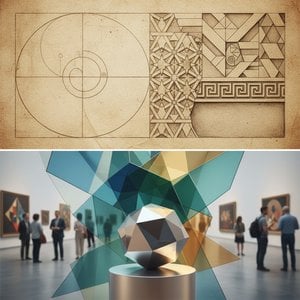
Geometryczna Abstrakcja w Sztuce: Historyczny Przegląd i Współczesny Apel dla Kolekcjonerów
Poznaj historię geometrycznej abstrakcji w sztuce – od kubizmu po współczesne trendy. Poradnik dla kolekcjonerów o inwestycjach, wartości dzieł i wybitnych polskich artystach. Ekspercka analiza i inspiracje.

Poza Formą i Kolorem: Ewolucja Abstrakcji Geometrycznej w Sztuce XX i XXI Wieku
Odkryj fascynującą historię abstrakcji geometrycznej w sztuce XX i XXI wieku! Analiza kluczowych nurtów, artystów i technik. Ekspercka wiedza dla kolekcjonerów na ArtsDot.com.

Poza Formą i Kolorem: Trwała Spuścizna Abstrakcji Geometrycznej w Historii Sztuki
Poznaj fascynującą historię abstrakcji geometrycznej – od rosyjskiej awangardy po wpływ na współczesną sztukę i design. Ekskluzywne analizy, kluczowi artyści i perspektywy inwestycyjne dla kolekcjonerów.

Geometria Sztuki: 10 Arcydzieł Abstrakcji Geometrycznej | ArtsDot.com
Odkryj 10 arcydzieł abstrakcji geometrycznej! Poznaj historię Mondriana, Kandinskiego i Maleвича. Inspiracje wnętrzarskie z malarstwem abstrakcyjnym – reprodukcje najwyższej jakości na ArtsDot.com. Eksploruj kolekcję online!

Golden Glow: How to Use Metallic Gold Artworks to Elevate Your Home Decor with Timeless Luxury
Discover how to elevate your home with the timeless elegance of metallic gold artworks. From sculptural metal pieces to gilded oil paintings, learn expert interior design tips for integrating luxurious gold accents into your space with sophistication and grace.