

 Preview
 Zamów wydruk Kup cyfrowy obraz
 Udostępnij
 Udostępnij
 Szczegóły dzieła
 Dodaj do ulubionych

 Pobierz
 Podobne obiekty
 RTG
RTG
 Pokaz slajdów
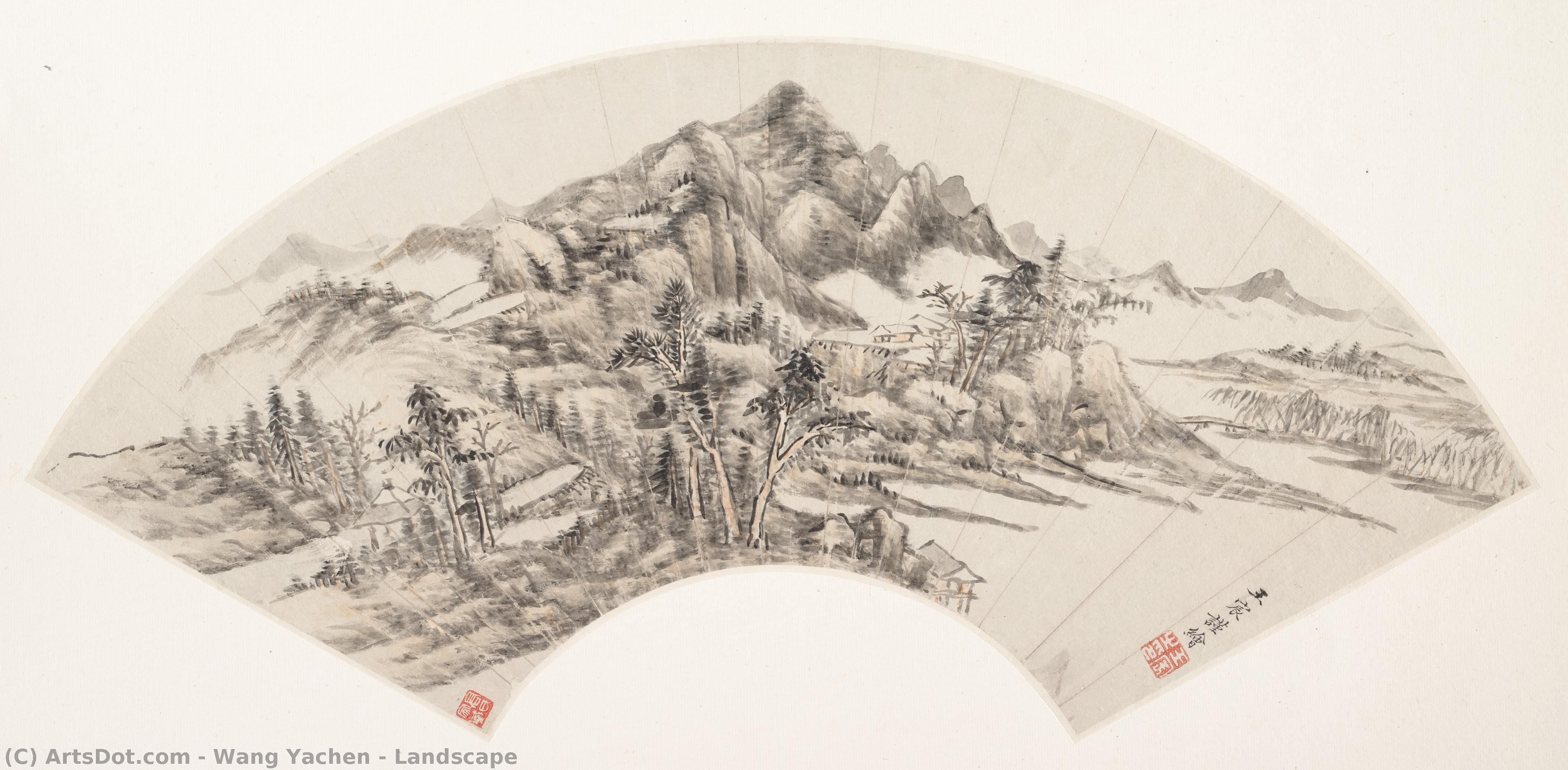
Landscape
 Song Dynasty Landscape Painting
 1788
1788 18.0 x 51.0 cm
 Rozwiń treść
Ręcznie malowana reprodukcja olejowa
Ręcznie malowany olej na płótnie w Twoim wymiarze i ramie, tworzony na zamówienie przez naszych artystów.




































Wybierz spośród naszych predefiniowanych rozmiarów, które zachowują oryginalne proporcje dzieła sztuki.

Możesz wprowadzić własne wymiary, aby dopasować obraz do konkretnej ramy lub przestrzeni. Jeśli wybrany rozmiar nie będzie odpowiadał proporcjom oryginału, przytniecie dzieło sztuki lub rozszerzymy je o dodatkowe elementy, ręcznie domalowane przez artystę. Przed rozpoczęciem produkcji wyślemy projekt cyfrowy do Twojej akceptacji.
Należy pamiętać, że podgląd na ekranie nie odzwierciedla rzeczywistego przycinania ani rozszerzania obrazu. Tylko projekt dokładnie pokaże ostateczną kompozycję.
Choć oferujemy możliwość zamówienia niestandardowych rozmiarów, zalecamy wybór wymiaru z gotowej listy, aby zachować oryginalne proporcje dzieła.
Po złożeniu zamówienia zespół ArtsDot.com skontaktuje się z klientem drogą mailową w celu uzyskania instrukcji i prześle wizualizację projektu
Dostawa na całym świecie () w ciągu 3/4 tygodni zamiast standardowych 5 tygodni. (24 Lipiec). Bez kompromisów w kwestii jakości.

Bezpłatna ekspresowa wysyłka na cały świat

Wysokiej jakości płótno lniane

Pełne ubezpieczenie przesyłki

Gwarancja zwrotu należności celnych

Gwarancja pełnego zgodności kolorystycznej

Polityka 60-dniowego zwrotu (tylko w przypadku wad)

Gwarancja 100% zwrotu pieniędzy

Zniżka przy większych zamówieniach
 Opcja szkła jest dostępna wyłącznie w rozmiarach poniżej 110 cm

Landscape
Technika reprodukcji
Wymiary reprodukcji
-


Cena całkowita
-
Opis dzieła
Podobne dzieła sztuki


Biografia artysty
A Life Immersed in Ink: The World of Wang Yachen
Wang Yachen (1894-1983), a name resonating with the delicate brushstrokes and vibrant spirit of twentieth-century Chinese art, stands as a compelling figure bridging tradition and modernity. Born in Hangzhou, Zhejiang province – a region steeped in artistic heritage – Wang’s life unfolded against a backdrop of profound social and political change. He wasn't merely an artist; he was a scholar, educator, and a dedicated observer of the natural world, qualities that deeply informed his distinctive style. While initially engaging with Western oil painting techniques, it was within the realm of traditional Chinese ink wash painting – particularly flower-and-bird motifs and, most notably, goldfish – that Wang truly found his voice. His journey reflects a conscious embrace of cultural roots amidst a period of experimentation and upheaval, solidifying his position as an influential artist who skillfully balanced innovation with reverence for the past.Early Training and Artistic Diversification
Wang Yachen’s early artistic development was marked by a willingness to explore diverse mediums. He received formal training in both Chinese calligraphy and painting, laying a strong foundation in brush control, composition, and the expressive power of ink. However, he also ventured into the relatively new field of oil painting, studying Western techniques and aesthetics. This period of experimentation broadened his artistic horizons and instilled within him an understanding of perspective, light, and shadow – elements that would subtly influence his later work in traditional Chinese styles. He held several important academic positions throughout his career, including professor at the Shanghai Academy of Fine Arts, dean of the Xinhua Art Academy, and principal of the Xinhua Normal School, demonstrating a commitment to art education and fostering the next generation of artists. This dedication to teaching wasn’t separate from his artistic practice; it was an integral part of his belief in preserving and evolving Chinese artistic traditions.The Rise of Goldfish: A Signature Style
While proficient in various genres, Wang Yachen is most celebrated for his exquisite depictions of goldfish. He elevated this seemingly simple subject to a level of profound artistry, imbuing the fish with symbolic meaning and capturing their graceful movements with remarkable precision. In Chinese culture, goldfish represent wealth, abundance, and good fortune – auspicious symbols deeply embedded in societal values. Wang’s goldfish paintings weren't merely decorative; they were imbued with philosophical undertones, reflecting themes of vitality, resilience, and harmony. His mastery lay not only in his technical skill but also in his ability to convey the essence of life through these shimmering creatures. He developed a unique approach to ink wash painting, employing delicate washes and subtle gradations of tone to create an ethereal quality that captured the play of light on water and the translucent beauty of the fish themselves.Influences and Artistic Philosophy
Wang Yachen’s artistic philosophy was deeply rooted in the traditions of the Song Dynasty masters – artists renowned for their landscapes, ink wash techniques, and philosophical depth. He drew inspiration from the works of these earlier painters, studying their compositions, brushwork, and use of space. However, he wasn't simply a copyist; he synthesized these influences with his own unique sensibility, creating a style that was both respectful of tradition and distinctly modern. His paintings often evoke a sense of tranquility and contemplation, inviting viewers to immerse themselves in the beauty of nature and reflect on the deeper meaning of life. He believed in the importance of capturing the *qi* – the vital energy or spirit – within his subjects, striving to convey not just their physical form but also their inner essence.Legacy and Historical Significance
Wang Yachen’s contributions to twentieth-century Chinese art are significant on multiple levels. He played a crucial role in preserving and promoting traditional painting techniques during a period of rapid modernization. His exquisite goldfish paintings have become iconic representations of Chinese artistic skill and cultural symbolism, captivating audiences both domestically and internationally. Beyond his technical prowess, Wang Yachen’s legacy lies in his ability to bridge the gap between tradition and modernity, demonstrating that it is possible to embrace innovation while remaining deeply rooted in one's cultural heritage. His works continue to be exhibited in museums and galleries worldwide, serving as a testament to his enduring artistic vision and profound impact on the art world. He left behind a body of work that not only showcases exceptional skill but also embodies a deep appreciation for beauty, harmony, and the timeless power of ink wash painting.
Kluczowe informacje
- Artistic Movement Or Style: Flower-and-bird painting
- Date Of Birth: 1894
- Date Of Death: 1983
- Full Name: Wang Yachen
- Nationality: Chinese
- Notable Artworks: ['Landscape']
- Place Of Birth: Hangzhou, China
Powiązane artykuły

Refleksje Epoki: Komentarz Społeczny i Artystyczne Reprezentacje w XVIII-wiecznym Towarzystwie
Poznaj głęboką analizę sztuki oświecenia! Odkryj wpływ filozofii na klasycyzm i rokok, rolę portretu w reprezentacji społeczeństwa oraz mecenat Stanisława Augusta Poniatowskiego. Ekspercka analiza dzieł sztuki.

Efemerowe Wyrażenia: Niuanse Malarstwa Tuszem w Historii i Sztuce Współczesnej
Poznaj fascynujący świat malarstwa tuszem! Odkryj historię, techniki i filozofię tej wyjątkowej sztuki azjatyckiej. Przewodnik po mistrzach pędzla i inspiracje dla współczesnych artystów.

Sztuczna Inteligencja w Służbie Kreatywności: Transformacja Fotografii w Stylach Malarskich – Analiza i Perspektywy Nowych Technik Generatywnych
Odkryj rewolucyjną transformację fotografii dzięki sztucznej inteligencji! Analizujemy technologie, etykę i przyszłość tworzenia obrazów AI. Eksperckie spojrzenie na kreatywność i innowacje w świecie sztuki cyfrowej.

Concrete Visions: Exploring the Urban Landscape in Painting – From Realism to Contemporary Art
Explore the evolution of cityscape painting from Realism to contemporary art with ArtsDot. Discover key artists & invest in timeless urban visions. Expert guidance, museum-quality reproductions.

Thomas Hudson: A Study in 18th-Century Portraiture & British Artistic Identity
Explore the life & work of Thomas Hudson, a leading 18th-century British portraitist. Discover his mastery of the 'Grand Manner,' influential style, and lasting impact on British art. Learn about his notable portraits like Judge William Noel & Alexander Van Aken.

