

 Podgląd w skali
 Wyślij jako kartkę
 Udostępnij
 Szczegóły dzieła

 Pobierz
 Podobne obiekty
 RTG
RTG Pokaz slajdów
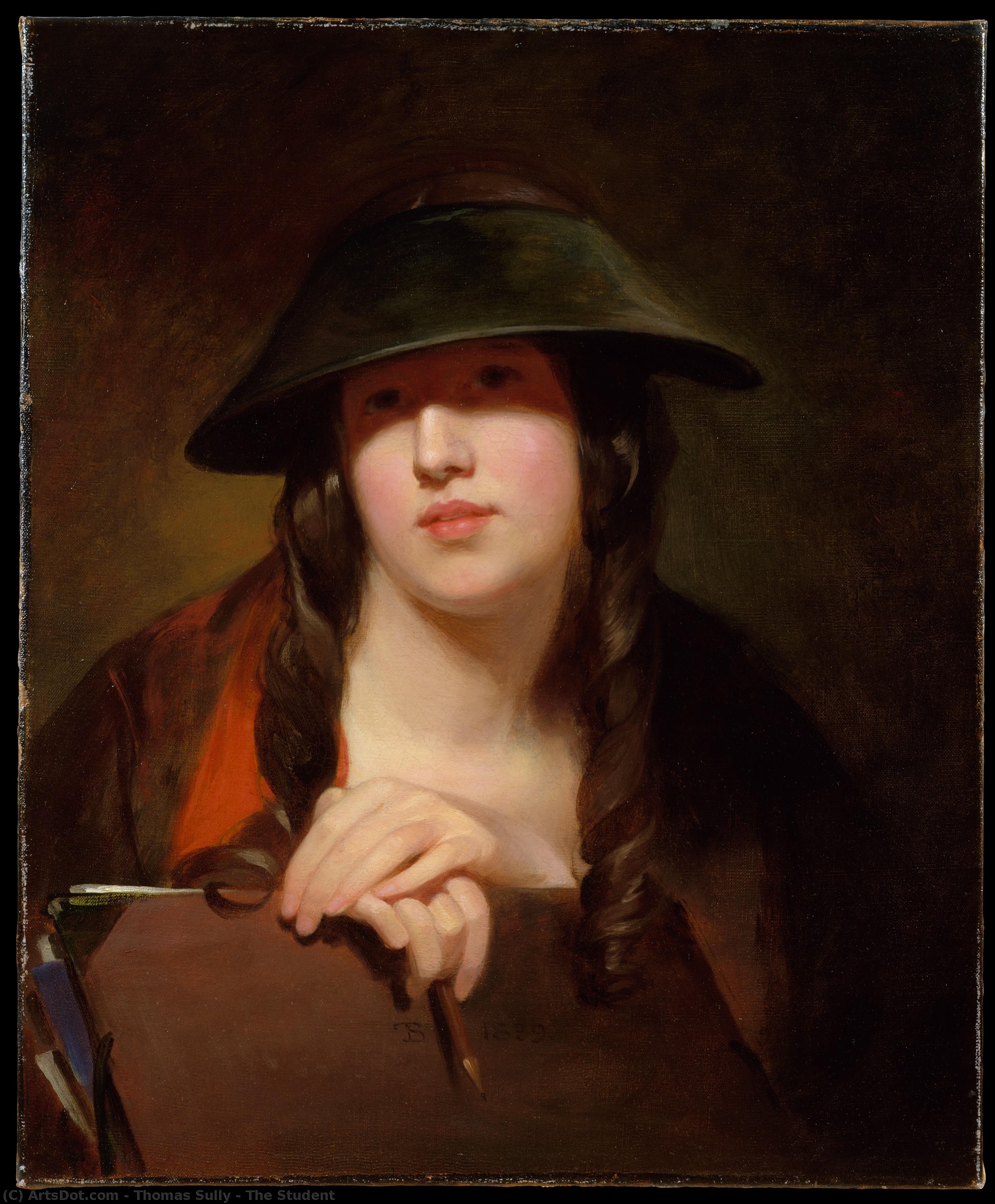
The Student
 Oil On Canvas
- WallArt
- Neoclassicism
 1839
1839- 19th Century
 60.0 x 50.0 cm
 Metropolitan Museum of Art
 Rozwiń treść
Giclée / Wydruk artystyczny
Druk giclée lub płótno o jakości muzealnej, szybka realizacja i szeroki wybór opcji wykończenia. ( Zamów ręcznie malowaną reprodukcję Kup obraz wysokiej rozdzielczości)




P118B $10

P118H $10

P118W $10

P438Z $10

P508JH $12

P508YH $12

P805H $10

P805Z $10

P919BZ $10

P919G $10

P919XJ $10

P959ZH $10

P968JZ $12

W106C $8

W218G $10

W218JH $8

W218Y $10

W307PJ $10

W316G $10

W316PJ $8

W316Y $10

W398PJ $8

W4111J $10

W500HY $15

W500JH $15

W692G $12

W849H $8

W940BG $15

W953PJ $8




Wybierz spośród naszych standardowych rozmiarów, które zachowują oryginalne proporcje dzieła sztuki.

Możesz wprowadzić własne wymiary, aby dopasować dzieło do konkretnej ramy lub przestrzeni. Jeśli wybrany rozmiar nie będzie odpowiadał proporcjom oryginalnego obrazu, przytniecie dzieło lub rozszerzymy obraz za pomocą odbicia lustrzanego lub jednolitego wypełnienia krawędzi. Przed rozpoczęciem produkcji prześlemy cyfrową wizualizację do Twojej akceptacji.
Prosimy pamiętać, że podgląd na ekranie nie odzwierciedla faktycznego przycinania ani rozszerzania. Tylko wizualizacja dokładnie pokaże końcową kompozycję.
Mimo dostępności niestandardowych rozmiarów, zalecamy wybór wymiaru z listy zdefiniowanej, aby zachować oryginalne proporcje.
Dostawa na cały świat () w ciągu 2 tygodni zamiast standardowych 4/5 tygodni. (17 Sierpień)

Bezpłatna ekspresowa wysyłka na cały świat

Wysokiej jakości płótno lniane

Pełne ubezpieczenie przesyłki

Gwarancja zwrotu należności celnych i podatków importowych

Gwarancja wiernego odwzorowania kolorów

Polityka 60-dniowego zwrotu (tylko w przypadku wad)

Gwarancja 100% zwrotu kosztów

Zniżka przy zamówieniu wielu produktów
 Opcja ze szkłem jest dostępna wyłącznie w rozmiarach poniżej 110 cm

The Student
Giclée / Wydruk artystyczny
Wymiary reprodukcji
-


Cena całkowita
$ 62
Opis kolekcjonerski
A Portrait of Quiet Intensity: Thomas Sully’s “The Student”
Thomas Sully's "The Student," painted in 1839, is more than just a likeness; it’s a carefully constructed tableau of introspection and nascent artistic promise. This captivating portrait, rendered in rich oil on canvas, offers a glimpse into the mind of a young artist grappling with observation, creativity, and perhaps a touch of melancholy – emotions subtly conveyed through masterful technique and evocative symbolism. The painting immediately draws the viewer in with its dramatic lighting, casting deep shadows that emphasize the subject’s face and clothing while simultaneously creating an atmosphere of quiet contemplation. Sully's skill lies not merely in replicating appearance but in capturing the *essence* of his sitter, a young woman poised on the cusp of her artistic journey.
The neoclassical style evident in “The Student” is deeply rooted in the traditions of portraiture prevalent during Sully’s career. He skillfully employs lines to define the contours of the subject's face, hair, and clothing – a precision that speaks to his meticulous attention to detail. The shapes are predominantly organic: the flowing lines of her hair, the rounded forms of her face, and the rectangular structure of her hat and sketchbook all contribute to a sense of naturalism balanced with formal elegance. The visible brushstrokes, layered textures, and the deliberate use of dark browns, reds, and greens – a palette that evokes both seriousness and sophistication – further enhance the painting’s tactile quality and imbue it with a palpable sense of history.
Decoding Symbolism: The Language of Art
Beyond its technical brilliance, “The Student” is laden with symbolic elements. The most obvious is, of course, the sketchbook and pencil in her hand – potent emblems of artistic creation and the act of observation. These tools represent not just a means of recording visual information but also the process of translating that information into art. The hat itself can be interpreted as a symbol of identity, perhaps even protection from the outside world, suggesting a desire for solitude and focused creative work. Sully’s choice of attire – modest yet refined – hints at the young woman's aspirations and her position within the social hierarchy of the time.
The composition itself is carefully orchestrated to draw attention to the subject’s inner world. The shallow perspective, typical of portraiture, emphasizes her presence within the frame, creating a sense of intimacy and immediacy. Subtle variations in tone and shadow subtly create depth, preventing the image from feeling flat or static. Sully masterfully uses light and dark not just for aesthetic effect but to shape our understanding of the sitter’s mood – a quiet intensity that suggests both vulnerability and determination.
A Transatlantic Legacy: Thomas Sully's Artistic Journey
Understanding “The Student” requires acknowledging the broader context of Thomas Sully’s life and career. Born in Horncastle, Lincolnshire, England, in 1783, Sully’s journey was one of remarkable transatlantic passage – a testament to his adaptability and artistic ambition. His early exposure to theatrical performance, where he initially pursued a career as a tumbler, undoubtedly shaped his ability to capture fleeting expressions and embody character, skills that would prove invaluable in his portraiture work. His apprenticeship with an insurance broker honed his observational abilities and attention to detail, while his subsequent studies under Benjamin West in London solidified his technical training and introduced him to the conventions of neoclassical portraiture.
Sully’s arrival in America marked a pivotal moment in his career. He quickly established himself as one of the leading portrait painters of his time, capturing the likenesses of prominent figures – presidents, generals, and social elites alike. His work reflected both American ideals of civic virtue and European artistic traditions. “The Student,” therefore, can be seen as a microcosm of Sully’s broader artistic vision: a celebration of individual character, rendered with technical skill and imbued with symbolic meaning. It stands as a poignant reminder of the quiet dedication required to pursue a life devoted to art.
Bringing "The Student" Home: A Reproduction for Your Collection
ArtsDot is proud to offer meticulously crafted hand-painted reproductions of Thomas Sully’s “The Student.” Each reproduction captures the painting's original textures, colors, and emotional depth with unparalleled accuracy. Whether you are an art collector, interior designer seeking a sophisticated statement piece, or simply someone captivated by this evocative portrait, our reproductions provide a beautiful and authentic way to experience the artistry of Thomas Sully. Explore our range of sizes and canvas options to find the perfect addition to your home or office – a timeless work of art that speaks volumes about observation, creativity, and the enduring power of human expression.
Podobne dzieła


O artyście
A Transatlantic Brushstroke: The Life and Art of Thomas Sully
Thomas Sully’s story is one of remarkable journeys – a transatlantic passage not just across oceans, but through artistic styles and cultural landscapes. Born in 1783 under the skies of Horncastle, Lincolnshire, England, his early life was shaped by an itinerant upbringing as the son of actors Matthew and Sarah Chester Sully. This exposure to performance, with its demands for capturing fleeting expressions and embodying character, would prove profoundly influential on his artistic sensibilities. His family’s relocation to Charleston, South Carolina in 1792 marked a new chapter, offering opportunities within the burgeoning American theater scene. It was here, amidst the vibrant energy of colonial life, that young Thomas began to develop his own artistic talents, initially drawn to the world of theatrical design and eventually discovering a passion for painting. His innate ability to observe and render detail, honed through his experience with stagecraft – particularly in creating realistic costumes and props – laid the foundation for his future success as a portrait painter.From Miniature to Monumental: Forging an American Style
Sully’s artistic development wasn't confined by geographical boundaries; it was a process of continuous adaptation and refinement. A pivotal moment arrived when, beginning in 1808, he embarked on a period of study in London with the esteemed Benjamin West, a leading figure in British art. While West’s influence was significant, it was the encounter with Thomas Lawrence that truly resonated deeply with Sully. Lawrence's elegant style – characterized by its refined grace, masterful use of light and texture, and remarkable ability to capture both likeness and character – captivated the young American artist. Returning to the United States imbued with this aesthetic, Sully quickly earned the moniker “the Sir Thomas Lawrence of America.” However, he didn’t simply imitate; instead, he skillfully adapted and integrated these influences into a distinctly American style. This involved a careful balancing act: retaining the European sophistication while simultaneously incorporating elements that reflected the unique sensibilities of the New World. His portraits weren't merely technical exercises in likeness; they were explorations of personality, imbued with psychological depth and emotional resonance – a hallmark of his distinctive approach.The Influence of London and the Pursuit of Perfection
Sully’s time in London proved to be transformative, not just artistically but personally. He immersed himself in the art world, studying techniques, observing masters, and absorbing the prevailing artistic trends. His dedication was further fueled by a desire for technical perfection – he meticulously practiced his craft, honing his skills through countless hours of observation and experimentation. This pursuit of excellence is evident in the remarkable detail and precision that characterize his portraits, from the delicate folds of fabric to the subtle nuances of expression. He also sought guidance from Jean Belzons, a French miniaturist who served as his brother-in-law, though their relationship eventually soured. Despite this setback, Sully’s exposure to diverse artistic perspectives broadened his horizons and solidified his commitment to mastering the art of portraiture.A Portrait of an Era: Subjects and Significance
Sully's prolific output—over 2,000 paintings over seven decades—reflects both his skill and his relentless dedication. He didn’t merely paint portraits for wealthy patrons; he documented a pivotal era in American history, preserving the faces and stories of men and women who shaped the nation’s destiny. His subjects ranged from prominent politicians like Thomas Jefferson and John Quincy Adams to celebrated military heroes such as Marquis de Lafayette, and even members of the royal family, including Queen Victoria. His portraits captured not just physical likenesses but also conveyed a sense of character, personality, and social standing. *The Passage of the Delaware*, painted in 1819, stands as a particularly significant work – a grand depiction of Washington’s iconic crossing that demonstrated Sully's ability to handle large-scale compositions and imbue them with dramatic power. This painting cemented his place as one of America’s leading portraitists and historical painters.Legacy and Enduring Influence
Thomas Sully’s legacy extends far beyond the canvases he created. He was a dedicated teacher, mentoring numerous aspiring artists and contributing to the development of American artistic talent. His influence can be seen in the works of his students, who carried forward his techniques and aesthetic sensibilities. Furthermore, Sully's work has been recognized for its historical significance, with many of his portraits serving as important visual records of a bygone era. Today, his paintings hang in prestigious museums across the country – a testament to his enduring artistic skill and lasting contribution to American art history. His story remains a compelling example of transatlantic exchange, artistic adaptation, and the power of portraiture to capture not just likenesses but also the spirit of an age.
Tomasz Sully
1783 - 1872 , Wielka Brytania
Krótka nota
- Artistic Movement Or Style: Romantyzm, Neoklasycyzm
- Artists Or Movements Influenced By This Artist: ['Amerykańska portretystyka']
- Artists Who Influenced This Artist:
- Benjamin West
- Thomas Lawrence
- Date Of Birth: 1783
- Date Of Death: 1872
- Full Name: Thomas Sully
- Nationality: Brytyjsko-amerykański
- Notable Artworks:
- Przejście przez Delaware
- Portrety Jeffersona
- Place Of Birth: Horncastle, Anglia
Powiązane artykuły

Romantic Realism's Finest: 10 Masterpieces for Your Home | ArtsDot
Explore 10 defining masterpieces of Romantic Realism! Discover Courbet, Millet & Daumier's powerful paintings—capturing emotion and social realities. Find museum-quality reproductions for your home at ArtsDot.com.

Trwała Spuścizna Malarstwa Olejnego: Technika, Historia i Estetyczny Wpływ
Poznaj historię i technikę malarstwa olejnego! Eksperckie artykuły o konserwacji, renowacji oraz współczesnych zastosowaniach. Dowiedz się więcej o mistrzach i trwałości obrazów olejnych.

Thomas Barker of Bath: Landscape Painting & Societal Reflection in Early 19th-Century England
Explore the life & work of Thomas Barker of Bath, a key figure in 19th-century English Romanticism. Discover his Parisian success, iconic paintings like 'The Bride of Death', and lasting artistic legacy. Learn more at ArtsDot.

Arcydzieła XIX Wieku: 10 Obrazów Opowiadających Epokę | ArtsDot
Odkryj 10 arcydzieł XIX wieku! Poznaj historię Monet, Van Gogha i Courbeta. Imesjonizm, realizm, romantyzm – obrazy pełne emocji i piękna czekają na ArtsDot.com. Znajdź idealny obraz do swojego wnętrza!

Reflections of an Era: Identity & Social Commentary in 19th-Century Portraiture
Explore the captivating world of 19th-century portraiture! Discover key artists, movements like Realism & Impressionism, and the powerful social commentary embedded within these iconic artworks. Expert insights at ArtsDot.

