


Obraz dostosowuje się do Twoich wyborów: , .
Opis obiektu
Admire 'Arnold, Stp' by Thomas Phillips – a dignified 18th/19th-century portrait showcasing realistic detail & dramatic lighting. Explore this classical oil painting’s timeless beauty.
Biografia artysty
Thomas Phillips (1770-1845) – wybitny brytyjski malarz portretowy, znany z precyzji i oddania charakteru znanych postaci, m.in. Lorda Byrona. #SztukaBrytyjska #Portrety
 Rozwiń treść
Zamów swój w czterech prostych krokach
Nie spiesz się. Możesz zmienić każdą odpowiedź; cena w Twoim koszyku będzie aktualizowana po każdym wyborze.
1 Pierwszy z czterech kroków
Który rozmiar wybierasz?
Te rozmiary zachowują proporcje oryginalnego obrazu. Rysunek przedstawia wybrany przez Ciebie format na ścianie, nad dwumetrową sofą.
lub podaj własne wymiary
Wybierz spośród naszych standardowych rozmiarów, które zachowują oryginalne proporcje dzieła sztuki.

Wpisz wymaganą szerokość i wysokość, aby obraz pasował do Twojej ramy lub ściany. Ponieważ jest to dzieło malowane ręcznie, w przypadku rozmiaru o innych proporcjach artysta może domalować nieco więcej wokół obrazu lub przyciąć jego fragmenty — wybór należy do Ciebie. Przed rozpoczęciem pracy prześlemy Ci cyfrową wizualizację do zatwierdzenia. Obraz widoczny na tej stronie nie przedstawia rzeczywistego efektu — jedynie wizualizacja oddaje realny rezultat.
2 Drugi z czterech kroków
W jaki sposób przygotować dzieło: w formie tuby, na krosnach czy w ramie?
Poniższe ceny dotyczą rozmiaru wybranego w pierwszym kroku.
Wybierz krawędzie płótna naciągniętego na ramę
Wybierz ramę

Białe krawędzie zł1

rozmyte krawędzie zł1

Przedłużony zł1

P118B zł10

P118H zł10

P118W zł10

P438Z zł10

P508JH zł12

P508YH zł12

P805H zł10

P805Z zł10

P919BZ zł10

P919G zł10

P919XJ zł10

P959ZH zł10

P968JZ zł12

W106C zł8

W218G zł10

W218JH zł8

W218Y zł10

W307PJ zł10

W316G zł10

W316PJ zł8

W316Y zł10

W398PJ zł8

W4111J zł10

W500HY zł15

W500JH zł15

W692G zł12

W849H zł8

W940BG zł15

W953PJ zł8

H24-GOLD zł30

H24-SILVER zł30

H36-GOLD zł45

H36-SILVER zł45
W oprawie
Profil: . Wymiar całkowity w ramie: .
3 Trzeci z czterech kroków
Czy chcieliby Państwo wprowadzić jakieś zmiany w obrazie?
Większość osób odpowiada przecząco. Ponieważ każdy obraz jest tworzony ręcznie, nasz artysta może również dostosować go do Twoich potrzeb.
Po złożeniu zamówienia zespół ArtsDot.com skontaktuje się z klientem drogą mailową w celu uzyskania instrukcji i prześle podgląd projektu
4 Krok czwarty z czterech
Kilka opcji wykończenia
Wszystkie są opcjonalne. Wybrane już odpowiedzi nie wiążą się z żadnymi dodatkowymi kosztami.
Kto jest autorem?
Dostawa na całym świecie () w ciągu 3–4 tygodni zamiast standardowych 5 tygodni. (24 Listopad). Bez kompromisów w kwestii jakości.
Tabliczka informacyjna, jak w muzeum?
Szczegóły grawerowanej brązowej tabliczki
This elegant plaque features the artist's name and the title of the artwork, finely engraved for a timeless presentation.
It is made from bronze with a refined, elegant finish. The text is precisely laser-engraved for a sharp and permanent result. Measuring 9x2 cm, the plaque is compact yet easy to read. It's built to be durable and scratch-resistant, offering a professional, museum-quality look. Mounting is simple thanks to the included adhesive backing.
Szczegóły przezroczystej tabliczki akrylowej
The plaque includes essential engraved details such as the artist's name, the title of the artwork, the date it was created, the type of media used-like oil on canvas or watercolor-a brief description of the piece, and a QR code that links to the complete artwork information.
It is crafted from clear acrylic, offering a sleek, modern appearance. The text is UV-engraved in black to ensure strong visual contrast. With a size of 10x15 cm, it ensures optimal readability. It comes equipped with two metal hooks for secure wall mounting. The plaque is designed to be weather-resistant, making it suitable for various environments, and it includes interactive features that work seamlessly with smartphone scanning.
Szczegóły czarnej tabliczki akrylowej
This elegant plaque includes engraved information such as the artist's name, the title of the artwork, the date it was created, the type of media used (like oil on canvas or watercolor), a short description of the artwork, and a QR code for quick access to more information.
The plaque itself is made from refined black acrylic with a premium finish. The text is laser-engraved in white for high contrast and readability. Its size is 10x15 cm, designed to be easy to read. It comes with two metal hooks for professional mounting. The design is sleek and fits any interior style. It is also weather-resistant and durable, with built-in digital integration for mobile compatibility.
Werniks ochronny?
Kiedy potrzebujesz dostawy?
✓ Sprawdź i zamów
Twoje dzieło, dokładnie tak, jak zamówiłeś

Arnold, Stp
Technika reprodukcji
Wymiary reprodukcji
-

Wybitny mistrz artystyczny
Większa szczegółowość, finezja i dodatkowy czas na realizację
-

Opcje oprawy reprodukcji
-
-
W przypadku dzieł sztuki lub reprodukcji, których którykolwiek z boków przekracza 105 cm (około 41 cali), rama zostanie wysłana w formie zestawu do samodzielnego montażu. Metoda ta zapewnia bezpieczną dostawę i zapobiega uszkodzeniom podczas transportu.
Wymagany profesjonalny montaż – nie jest to produkt typu DIY.
Zestaw musi zostać złożony, a płótno naciągnięte przez doświadczonego profesjonalnego ramiarza, przy użyciu kleju do drewna (brak w zestawie), kleszczy do naciągania płótna oraz ścisków, które utrzymają krosna w równej pozycji podczas schnięcia kleju. Nieprawidłowy montaż lub nierównomierne napięcie płótna może trwale uszkodzić dzieło sztuki i nie podlega naszej gwarancji.
 W przypadku dzieł sztuki lub reprodukcji, których którykolwiek z boków przekracza 105 cm (około 41 cali), rama zostanie wysłana w formie zestawu do samodzielnego montażu. Metoda ta zapewnia bezpieczną dostawę i zapobiega uszkodzeniom podczas transportu.
W zestawie znajdują się wszystkie listwy z litego drewna, precyzyjnie docięte do wymiarów.
Montaż odbywa się przy użyciu dołączonych wkrętów oraz kleju do drewna do łączenia narożników, którego zestaw nie zawiera i który musi zostać dostarczony przez ramiarza.
Wymagane są profesjonalne narzędzia, których nie ma w zestawie: kleszcze do naciągania płótna (napinacz) oraz zaciski, które pozwolą utrzymać listwy w równej pozycji podczas schnięcia kleju.
Ważne:
Do połączenia narożników niezbędny jest klej do drewna, listwy należy unieruchomić za pomocą ścisków do momentu całkowitego wyschnięcia kleju, a naciągnięcie płótna na złożoną ramę wymaga użycia kleszczy do naciągania płótna. Żaden z tych elementów nie jest dołączony do zestawu. Przed zamówieniem tego rozmiaru zalecamy konsultację z doświadczonym ramiarzem.

Etykieta obiektu
-
-

Lakier ochronny
Lakier z połyskiem (pogłębia kolory, chroni przed światłem i wilgocią)
-

Personalizacja dzieła
Przykłady możliwości personalizacji: zastąp twarz zdjęciem klienta; dodaj zwierzę domowe (np. zamień kota na psa); umieść ukrytą wiadomość w tle; zmień krajobraz lub elementy tła.
-

Ekspresowa
Dostawa na cały świat () w ciągu 3–4 tygodni zamiast standardowych 5 tygodni. (24 Listopad). Bez kompromisów w kwestii jakości.
-
Przesyłka ekspresowa
Dostawa na cały świat () w ciągu 5 tygodni. (1 Grudzień).
W cenie
Cena całkowita
zł 1033
Opcja ze szkłem jest dostępna wyłącznie w rozmiarach poniżej 110 cm
W każdym zamówieniu
- Bezpłatna ekspresowa wysyłka na cały świat
- Wysokiej jakości płótno lniane
- Pełne ubezpieczenie przesyłki
- Gwarancja zwrotu należności celnych i podatków importowych
- Gwarancja wiernego odwzorowania kolorów
- 100-dniowa polityka zwrotów (tylko w przypadku wad)
- Gwarancja 100% zwrotu pieniędzy
- Zniżka przy zakupie wielu sztuk


 Podgląd w skali 1:1
 Przełącz na wydania drukowane
 Wyślij jako kartkę
 Udostępnij
 Szczegóły dzieła
 Przewodnik

 Pobierz obraz
 Podobne obiekty
 RTG
RTG Pokaz slajdów
 Pytania i odpowiedzi
 Statystyki
Podobne dzieła


Thomas Phillips
1770 - 1845, Wielka Brytania
Biografia artysty
Early Life and Artistic Foundations
Thomas Phillips, born in Dudley, Worcestershire, in 1770, emerged from relatively modest beginnings to become a prominent figure in the British art scene of the late 18th and early 19th centuries. His initial artistic training wasn’t within the traditional confines of painting, but rather in the craft of glass-painting under Francis Eginton in Birmingham. This foundational experience instilled in him a meticulous attention to detail and an understanding of color and light – skills crucial for capturing the nuances of human expression – that would later characterize his portraiture. The intricate designs and vibrant hues of stained glass demanded precision and a keen eye for composition, qualities Phillips readily applied to his future work on canvas. A pivotal moment arrived in 1790 when Phillips journeyed to London, armed with an introduction to Benjamin West, a leading artist of the time and a key figure in the Royal Academy. West’s guidance proved invaluable, securing him employment on the painted-glass windows of St George's Chapel at Windsor Castle – a project that allowed him to hone his skills within a grand architectural context and provided exposure to large-scale decorative work. This early immersion in elaborate designs undoubtedly shaped his compositional sensibilities and appreciation for narrative storytelling in art, influencing the dramatic lighting and carefully arranged elements often found in his portraits. In 1791, Phillips formally enrolled as a student at the Royal Academy, marking the beginning of his formal artistic education and his integration into the established art world.A Rising Portraitist: Style and Subject Matter
Phillips quickly found his niche in portraiture, though not without navigating a competitive landscape already populated by renowned artists like Thomas Lawrence and John Hoppner. Initially, his sitters were largely unknown individuals – members of the gentry, clergymen, and local notables – but through dedication and skill, he steadily ascended the social ladder, attracting increasingly prominent figures to his studio. His style was characterized by a meticulous realism, reflecting both the influence of his early training in glass-painting and the prevailing artistic tastes of the era. He possessed an ability to capture not just physical likeness, but also something of the sitter’s character and intellect – a subtle expression of their personality that went beyond mere representation. This talent proved particularly valuable when portraying the “men of genius” – scientists, writers, poets, and explorers – who became a recurring theme in his work. He was known for his ability to convey not just outward appearance but also inner thoughts and emotions through carefully observed details: the furrowed brow suggesting contemplation, the twinkle in the eye hinting at wit and intelligence. His portraits were often imbued with a sense of dignity and gravitas, reflecting the status and accomplishments of their subjects.Royal Patronage and Academic Recognition
The year 1804 marked a significant turning point in Phillips’ career with his election as an associate of the Royal Academy, alongside William Owen. This recognition solidified his position within the artistic establishment and signaled growing confidence in his abilities. Shortly thereafter, he relocated to 8 George Street, Hanover Square, a prestigious address that would remain his home and studio for the next four decades – a symbol of his rising status and access to influential circles. His clientele continued to expand, encompassing members of the royal family, including Prince William IV, as well as prominent figures from Parliament, the military, and the literary world. He painted portraits of the Prince of Wales (later George IV), the Marchioness of Stafford, and Lord Thurlow, among others – each portrait a testament to his skill and ability to capture the essence of his subjects. In 1824, Phillips achieved full academician status, presenting his diploma work *Venus and Adonis*, considered one of his most imaginative compositions, demonstrating a departure from purely portraiture into more ambitious narrative painting. The subject matter – inspired by the classical poet—showcased his evolving artistic vision and his willingness to experiment with allegorical themes.Later Years: Professorship and Legacy
Phillips’s contributions to the art world extended beyond his own paintings. In 1825, he was appointed Professor of Painting at the Royal Academy, succeeding Henry Fuseli – a position he held until 1832. This role allowed him to share his knowledge and expertise with aspiring artists, shaping the next generation of British painters. He published *Lectures on the History and Principles of Painting* in 1833, offering insights into his artistic philosophy and pedagogical approach—a valuable resource for students eager to understand the foundations of art. His lectures emphasized careful observation, meticulous technique, and a deep understanding of composition and color theory. While his later years saw a slight decline in public acclaim – partly due to shifts in artistic taste – Phillips remained a respected figure within the art community until his death in 1845. His legacy lies not only in the numerous portraits he created – capturing the likenesses of many notable figures of his time—but also in his dedication to artistic education and his contribution to the development of British portraiture. He left behind a body of work that reflects both the technical skill and the intellectual curiosity of an artist deeply engaged with the cultural landscape of his era, demonstrating a remarkable ability to capture not just outward appearance but also inner thoughts and emotions. His attention to detail, combined with a sensitivity to character, ensures his place as a significant figure in 19th-century British art.Powiązane artykuły

Rodzinny Portret w Duchu Mistrzów: Przemiana Współczesnego Zdjęcia w Majestatyczny Obraz Olejny
Przemień swoje zdjęcie w majestatyczny portret olejny! Ręcznie malowane obrazy na zamówienie, inspirowane mistrzami renesansu. Eksperci, najwyższa jakość i trwałość. Idealny prezent dla rodziny!
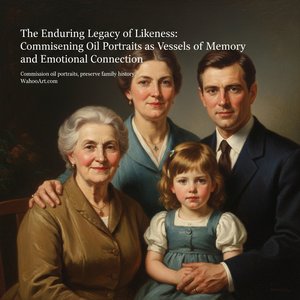
Trwałe Ślady Pamięci: Portrety Olejne jako Naczynia Emocji i Dziedzictwa Rodzinnego
Odkryj piękno portretów olejnych tworzonych ręcznie przez doświadczonych artystów. Spersonalizowane obrazy na zamówienie – inwestycja w rodzinną historię i trwałą pamiątkę. Zobacz portfolio i zamów swój wyjątkowy portret!

Thomas Phillips: Portraiture, Patronage & the Rise of Victorian Society Art
Explore the life & work of Thomas Phillips (1770-1845), a leading Victorian portrait painter renowned for his captivating portrayals of Britain's 'men of genius'. Discover his artistic journey, patronage, and lasting legacy.