


 Podgląd w skali
 Wyślij jako kartkę
 Udostępnij
 Szczegóły dzieła

 Pobierz
 Podobne obiekty
 RTG
RTG Pokaz slajdów
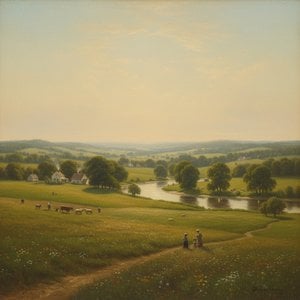
A Pastoral Landscape


 Rozwiń treść
Giclée / Wydruk artystyczny
Druk giclée lub płótno o jakości muzealnej, szybka realizacja i szeroki wybór opcji wykończenia. ( Zamów ręcznie malowaną reprodukcję Kup obraz wysokiej rozdzielczości)




P118B $10

P118H $10

P118W $10

P438Z $10

P508JH $12

P508YH $12

P805H $10

P805Z $10

P919BZ $10

P919G $10

P919XJ $10

P959ZH $10

P968JZ $12

W106C $8

W218G $10

W218JH $8

W218Y $10

W307PJ $10

W316G $10

W316PJ $8

W316Y $10

W398PJ $8

W4111J $10

W500HY $15

W500JH $15

W692G $12

W849H $8

W940BG $15

W953PJ $8




Wybierz spośród naszych standardowych rozmiarów, które zachowują oryginalne proporcje dzieła sztuki.

Możesz wprowadzić własne wymiary, aby dopasować dzieło do konkretnej ramy lub przestrzeni. Jeśli wybrany rozmiar nie będzie odpowiadał proporcjom oryginalnego obrazu, przytniecie dzieło lub rozszerzymy obraz za pomocą odbicia lustrzanego lub jednolitego wypełnienia krawędzi. Przed rozpoczęciem produkcji prześlemy cyfrową wizualizację do Twojej akceptacji.
Prosimy pamiętać, że podgląd na ekranie nie odzwierciedla faktycznego przycinania ani rozszerzania. Tylko wizualizacja dokładnie pokaże końcową kompozycję.
Mimo dostępności niestandardowych rozmiarów, zalecamy wybór wymiaru z listy zdefiniowanej, aby zachować oryginalne proporcje.
Dostawa na cały świat () w ciągu 2 tygodni zamiast standardowych 4/5 tygodni. (26 Sierpień)

Bezpłatna ekspresowa wysyłka na cały świat

Wysokiej jakości płótno lniane

Pełne ubezpieczenie przesyłki

Gwarancja zwrotu należności celnych i podatków importowych

Gwarancja wiernego odwzorowania kolorów

Polityka 60-dniowego zwrotu (tylko w przypadku wad)

Gwarancja 100% zwrotu kosztów

Zniżka przy zamówieniu wielu produktów
 Opcja ze szkłem jest dostępna wyłącznie w rozmiarach poniżej 110 cm

A Pastoral Landscape
Giclée / Wydruk artystyczny
Wymiary reprodukcji
-


Cena całkowita
$ 62
Opis kolekcjonerski
A Symphony of Serenity: The Soul of A Pastoral Landscape
In the vast tapestry of American art history, few moments capture the quiet breath of nature as poignantly as Thomas Moran’s A Pastoral Landscape. Painted in 1889, this exquisite oil on canvas serves as a profound departure from the rugged, awe-inspiring vistas of the American West for which Moran is most famous. Instead of the dramatic canyons and sun-scorched peaks, we are invited into a sanctuary of peace—a lush, verdant corner of the Long Island marshlands. The painting presents an idyllic countryside where time seems to suspend itself; a gentle river meanders through the heart of the composition, its surface reflecting the soft, diffused light of an overcast sky. Here, the artist captures not just a place, but a feeling of profound tranquility, inviting the viewer to step away from the clamor of modernity and into a world of rhythmic, natural grace.
The mastery of Moran’s technique is on full display through his delicate handling of light and atmosphere. Utilizing the principles of Romanticism, he moves beyond mere topographical accuracy to evoke an emotional response. The composition is built upon receding planes that guide the eye with effortless fluidity: from the textured, rocky outcrops in the foreground to the soft, grassy meadows where cattle graze in quiet companionship, and finally toward the dense, mysterious forests that loom in the distance. His brushwork is both purposeful and subtle, layering colors to create a sense of palpable depth. The palette, dominated by rich greens, earthy browns, and the muted blues of a cloudy sky, creates a harmonious atmosphere where every element—from the swaying trees to the shimmering water—feels interconnected within a single, breathing ecosystem.
Symbolism and the Sublime in the Everyday
While many associate the concept of the sublime with terrifying storms or monumental mountains, Moran finds it here in the quiet persistence of life. The painting functions as a symbolic bridge between the wildness of nature and the comfort of the pastoral ideal. The presence of grazing cows introduces a sense of domestic harmony, suggesting a world where humanity and nature exist in a state of gentle equilibrium. The meandering river acts as a metaphor for the passage of time—constant, flowing, and life-giving. Even the sky, with its blend of white and grey clouds, suggests the potential for change, reminding us that even in moments of absolute stillness, the natural world is in a state of perpetual motion.
For the discerning collector or interior designer, A Pastoral Landscape offers more than just visual beauty; it provides an emotional anchor for a space. The painting’s muted tones and soft lighting make it an incredibly versatile piece for sophisticated decor, capable of bringing a sense of calm to a modern study, a classic library, or a bright, airy living room. It serves as a window into a lost era of American innocence, making it an ideal centerpiece for those looking to infuse their surroundings with a sense of history, prestige, and enduring peace. To possess a high-quality reproduction of this work is to hold a fragment of the Romantic spirit, ensuring that the serene beauty of Moran’s vision continues to inspire generations to come.
Podobne dzieła


O artyście
A Pioneer of the American West
Thomas Moran, born in Bolton, England, in 1837, wasn’t destined for a life steeped in the rugged beauty of the American landscape he would come to immortalize. His family's emigration to the United States in 1844, seeking opportunity and escaping the burgeoning industrialization of their homeland, proved pivotal. This early transatlantic journey instilled within young Moran a lifelong fascination with the sea – a theme that subtly echoed throughout his later depictions of landlocked vistas. Initially apprenticed as a wood engraver in Philadelphia, he quickly discovered his true calling lay not in replicating images but creating them. The meticulous detail demanded by engraving honed his observational skills, yet it was the burgeoning world of watercolor and the influence of artists like J.M.W. Turner that truly ignited his artistic spirit. Moran’s brother, Edward, also a marine artist, provided early collaboration and support, sharing studio space and fostering a shared dedication to their craft. This familial bond laid the foundation for a career that would redefine how America saw itself – and its western territories.The Hudson River School and Beyond
Moran’s artistic development was deeply intertwined with the Hudson River School, though he ultimately transcended its conventions. While inheriting their reverence for nature and dramatic use of light and shadow, Moran brought a unique perspective shaped by his own experiences and an evolving American identity. The Hudson River School painters often focused on taming the wilderness, presenting it as a benevolent space ripe for cultivation. Moran, however, captured the West’s untamed grandeur with a sense of awe and respect that bordered on reverence. His style blended meticulous realism with romantic idealism, creating scenes that were both visually stunning and emotionally resonant. He wasn't merely documenting landscapes; he was crafting myths – visions of a land brimming with potential and spiritual significance. The influence of Turner is undeniable in Moran’s work—the swirling skies, the atmospheric perspective, and the emphasis on light as a transformative force all bear witness to this artistic debt. Yet, Moran infused these techniques with an American sensibility, focusing on the unique geological formations and vast scale of the Western territories. His paintings weren't simply representations of place; they were statements about national pride, environmental stewardship, and the power of art to influence public opinion.Documenting a Nation’s Expansion
Moran’s career reached its zenith during a period of intense national expansion and exploration. In 1871, he joined a government-sponsored expedition to Yellowstone, an area largely unknown to most Americans. The sketches and paintings that emerged from this journey were nothing short of revelatory. His monumental canvas, *The Grand Canyon of the Yellowstone*, purchased by the U.S. government for $10,000 – a staggering sum at the time – played a crucial role in galvanizing public support for establishing Yellowstone as the nation’s first national park in 1872. This wasn't simply artistic achievement; it was an act of conservation advocacy. Moran’s art didn’t just reflect the beauty of the West, it actively shaped its preservation. He continued to document other significant landscapes, including the Colorado River and the Grand Canyon, further solidifying his reputation as the premier painter of the American West. His work became synonymous with the spirit of exploration and the promise of a new frontier.Key Works & Recognition
- The Grand Canyon of the Yellowstone (1872): A pivotal painting instrumental in establishing Yellowstone National Park.
- Chasm of the Colorado (1873-74): Showcasing the immense scale and dramatic beauty of the Grand Canyon.
- Mountain of the Saints, Jackson Hole, Wyoming (1895): Demonstrating his mastery of atmospheric perspective and light.
- Numerous sketches and watercolors documenting expeditions to Yellowstone, Colorado, and other Western territories.
Legacy and Enduring Influence
Thomas Moran’s contributions extend far beyond his breathtaking canvases. He helped to define America's visual identity, shaping how generations perceived their own landscape. His paintings weren’t just representations of place; they were statements about national pride, environmental stewardship, and the power of art to influence public opinion. His legacy continues to inspire artists today, and his works remain highly sought after by museums and collectors worldwide. The Smithsonian American Art Museum, among many others, proudly displays his masterpieces, ensuring that his vision endures for future generations. While often categorized within the Hudson River School or the Rocky Mountain School, Moran’s artistic voice was distinctly his own—a powerful blend of observation, imagination, and a deep reverence for the natural world. He passed away in Santa Barbara, California, in 1926, leaving behind a body of work that continues to captivate and inspire, reminding us of the enduring beauty and fragility of the American West.
Tomasz Moran
1837 - 1926 , Wielka Brytania
Krótka nota
- Artistic Movement Or Style: Szkoła Hudson
- Artists Or Movements Influenced By This Artist: ['Rocky Mountain School']
- Artists Who Influenced This Artist:
- Turner
- Cole
- Date Of Birth: 12 lutego 1837
- Date Of Death: 25 sierpnia 1926
- Full Name: Thomas Moran
- Nationality: Amerykański
- Notable Artworks:
- Kanion Yellowstone
- Umiarkowanie Kolorado
- Place Of Birth: Bolton, Anglia
Powiązane artykuły

Idylliczne Wizje: Pastoralna Scena w Sztuce – Od Arkadii do Współczesności
Odkryj fascynującą historię sztuki pastoralnej – od arkadyjskich wizji po współczesne interpretacje. Analiza symboliki, wpływ na malarstwo i rysunek. Ekspercka wiedza o renesansie, baroku i rokoko.

Romantyczny Krajobraz w Malarstwie: 10 Arcydzieł, Które Zdefiniowały Epokę | ArtsDot.com
Odkryj 10 arcydzieł romantyzmu w malarstwie! Poznaj historie Caspara Davida Friedricha, Turnera i innych mistrzów. Inspiracje wnętrzarskie & reprodukcje obrazów najwyższej jakości na ArtsDot.com. Eksploruj kolekcję online!

Idyllic Visions: Exploring the Pastoral Tradition in Western Art – Themes, Techniques & Enduring Appeal
Explore the rich history of pastoral art from classical Arcadia to contemporary interpretations. Discover key artists, themes & collecting tips at ArtsDot.

Thomas Hill: Luminosity, Landscape & the American Pastoral Ideal
Explore the luminous landscapes of Thomas Hill, a pivotal figure in the Hudson River School & Luminism movements. Discover his artistic journey, philosophical depth, and enduring legacy with ArtsDot.
Thomas Worthington Whittredge: Capturing the American Pastoral Ideal with Luminist Light
Explore the luminous landscapes of Thomas Worthington Whittredge, a key figure in the Hudson River School and master of Luminism. Discover his captivating paintings & legacy with ArtsDot.

