

 Podgląd w skali 1:1
 Wyślij jako kartkę
 Udostępnij
 Szczegóły dzieła
 Przewodnik

 Pobierz obraz
 Podobne obiekty
 RTG
RTG Pokaz slajdów
 Pytania i odpowiedzi
 Statystyki
Prometheus Bound

- 243.0 x 162.0 cm


 Rozwiń treść
Giclée / Wydruk artystyczny
Wydruki giclée lub płótna o jakości muzealnej, szybka realizacja i szeroki wybór opcji wykończenia. ( Zamów ręcznie malowaną reprodukcję Przejdź do wersji cyfrowej)




P118B zł10

P118H zł10

P118W zł10

P438Z zł10

P508JH zł12

P508YH zł12

P805H zł10

P805Z zł10

P919BZ zł10

P919G zł10

P919XJ zł10

P959ZH zł10

P968JZ zł12

W106C zł8

W218G zł10

W218JH zł8

W218Y zł10

W307PJ zł10

W316G zł10

W316PJ zł8

W316Y zł10

W398PJ zł8

W4111J zł10

W500HY zł15

W500JH zł15

W692G zł12

W849H zł8

W940BG zł15

W953PJ zł8




Wybierz spośród naszych standardowych rozmiarów, które zachowują oryginalne proporcje dzieła sztuki.

Wpisz wymaganą szerokość i wysokość, aby dopasować grafikę do ramy lub ściany. Wydruk można jedynie przyciąć, nigdy nie powiększając go poza oryginalny obraz, dlatego format o innych proporcjach spowoduje utratę części kompozycji. Przed rozpoczęciem druku prześlemy Ci cyfrowy podgląd do zatwierdzenia. Obraz wyświetlany na tej stronie nie pokazuje rzeczywistego przycięcia — jedynie podgląd oddaje ten efekt.
Dostawa na cały świat () w ciągu 2 tygodni zamiast standardowych 4/5 tygodni. (19 Listopad)

Bezpłatna ekspresowa wysyłka na cały świat

Wysokiej jakości płótno lniane

Pełne ubezpieczenie przesyłki

Gwarancja zwrotu należności celnych i podatków importowych

Gwarancja wiernego odwzorowania kolorów

100-dniowa polityka zwrotów (tylko w przypadku wad)

Gwarancja 100% zwrotu pieniędzy

Zniżka przy zakupie wielu sztuk
 Opcja ze szkłem jest dostępna wyłącznie w rozmiarach poniżej 110 cm

Prometheus Bound
Giclée / Wydruk artystyczny
Wymiary reprodukcji
-


Cena całkowita
zł 245
The Weight of Myth: Thomas Cole’s “Prometheus Bound”
Thomas Cole's "Prometheus Bound," painted in 1847, isn’t merely a landscape; it’s a profound meditation on defiance, punishment, and the enduring human spirit. This monumental canvas, now residing within the Fine Arts Museums of San Francisco, transcends its subject matter to become a powerful allegory for the struggles inherent in challenging authority and forging one's own destiny. Cole, a pivotal figure in the Hudson River School movement, masterfully blends Romanticism with an underlying moral urgency, creating an image that continues to resonate deeply with viewers today.
The scene depicts Prometheus, chained to a towering rock formation amidst a desolate, snow-laden mountainscape. The composition is strikingly dramatic – a vast expanse of jagged peaks dominates the background, dwarfing the solitary figure of the Titan and emphasizing his isolation and vulnerability. A vulture circles overhead, a constant reminder of Zeus’s relentless retribution, while a subtle hint of Jupiter, the Roman equivalent of Zeus, watches from above, embodying the cold indifference of divine power. Cole's use of light is particularly masterful; a diffused, almost ethereal glow illuminates the scene, casting long shadows and creating an atmosphere of both grandeur and despair. The color palette—primarily cool blues, grays, and whites—reinforces this sense of bleakness, punctuated by the fiery red underpaint used to render the snow-covered mountains – a deliberate choice that subtly hints at Prometheus’s stolen fire.
A Myth Made Manifest: Exploring the Narrative
The painting draws directly from Aeschylus's Greek tragedy, “Prometheus Bound,” a story of rebellion against the gods. Prometheus, in this narrative, is not simply a titan but a symbol of humanity’s relentless pursuit of knowledge and progress. He steals fire from Mount Olympus, gifting it to mankind – an act of defiance that ultimately earns him eternal torment at the hands of Zeus. Cole doesn't shy away from the brutality of the punishment; the stark depiction of Prometheus’s chains and the looming threat of the vulture vividly convey the weight of his transgression. However, within this scene of suffering, there is also a palpable sense of resilience. Prometheus’s gaze, fixed upon the viewer, exudes an almost defiant serenity—a refusal to succumb to despair.
The inclusion of the chorus, comprised of figures emerging from the depths of the mountains, adds another layer of complexity to the narrative. They represent the forces of nature, witnesses to Prometheus's plight, and perhaps even a subtle acknowledgment of his heroic struggle. Their hesitant approach, marked by curiosity and apprehension, suggests that even those seemingly untouched by divine wrath recognize the significance of Prometheus’s actions.
The Hudson River School: A New American Vision
“Prometheus Bound” is a quintessential example of the Hudson River School's artistic philosophy. Unlike earlier European landscape paintings that often focused on idyllic pastoral scenes, Cole sought to capture the raw power and sublime beauty of the American wilderness. He employed a technique known as “atmospheric perspective,” subtly blurring distant elements to create a sense of depth and vastness. This approach wasn’t simply about replicating reality; it was about conveying an emotional response—a feeling of awe and reverence for nature's grandeur.
Cole’s work also reflects the burgeoning American identity of the mid-19th century, grappling with themes of independence, self-reliance, and the relationship between humanity and the natural world. The painting can be interpreted as a metaphor for America’s own struggle to assert its sovereignty against established powers – a sentiment particularly relevant in the context of westward expansion and the nation's growing tensions with European empires.
A Timeless Masterpiece: Reproduction & Beyond
Reproductions of “Prometheus Bound” offer an exceptional opportunity to bring this powerful image into any setting. The meticulous detail, evocative atmosphere, and profound symbolism ensure that a high-quality reproduction will serve as both a beautiful work of art and a compelling conversation piece. Consider framing the artwork in a manner that complements its dramatic scale and reinforces its thematic resonance – perhaps within a contemporary interior space to juxtapose the ancient myth with modern life.
For those seeking an authentic experience, exploring the original painting at the Fine Arts Museums of San Francisco is highly recommended. It’s a truly immersive encounter with one of America's most significant artistic achievements—a testament to Thomas Cole’s genius and a timeless exploration of human courage in the face of overwhelming adversity.
Pytania i odpowiedzi
Gdzie mogę pobrać „Prometheus Bound” – Thomas Cole?
Możliwość pobrania dzieła „Prometheus Bound”: strona Pobierz plik cyfrowy oferuje wysokiej rozdzielczości cyfrowe zdjęcie do pobrania.
W jakim wieku Thomas Cole stworzył(a) "Prometheus Bound"?
Gdy w 1847 roku powstało dzieło „Prometheus Bound”, Thomas Cole – urodzony/a w 1801 – miał/a 46 lat.
Jaka jest technika i wymiary oryginału „Prometheus Bound” – Thomas Cole?
"Prometheus Bound" powstało przy użyciu Oil i w swojej oryginalnej formie ma wymiary 243 x 162 cm.
Podobne dzieła


Biografia artysty
Życie i sztuka Thomas Cole
Urodzony 1 lutego 1801 roku w Bolton le Moors w hrabstwie Lancashire w Anglii, Thomas Cole rozpoczął swoją drogę daleko od krajobrazów, które ostatecznie miały stać się jego znakiem rozpoznawczym. Jego rodzina wyemigrowała do Stanów Zjednoczonych w 1818 roku, szukając nowego początku na ziemiach pełnych ogromnych, nieodkrytych jeszcze terytoriów. W tych wczesnych latach był człowiekiem wielu rzemiosł – pracował jako rytownik, by w 1822 roku odnaleźć stałe zajęcie jako portrecista. W dużej mierze był samoukiem; swoje wrażliwe oko wypracował poprzez uważną obserwację natury oraz lekturę książek, zamiast poprzez formalne wykształcenie akademickie. Ta niezależność ducha pozwoliła mu spojrzeć na amerykańską dzicz przez pryzmat całkowicie własny, nieprzesiąknięty europejskimi schematami.
Z czasem jego zainteresowania przesunęły się od twarzy poszczególnych ludzi ku monumentalnej skali świata naturalnego. Zakładając szkołę Hudson River School, dostarczył on wizualnego języka narodowi, który wciąż dopiero definiował swoją tożsamość. W swojej twórczości często poszukiwał duchowego rezonansu w nieokiełznanych lasach i górach, odchodząc od sztywnych, ustrukturyzowanych tradycji Europy. Żył w stanie nieustannej obserwacji, odnajdując głęboki sens w grze światła i cienia rozlewającej się po dolinach Nowego Świata. To oddanie pejzażowi towarzyszyło mu aż do śmierci, która nastąpiła 11 lutego 1848 roku w Catskill w stanie Nowy Jork.
Pobyt w Catskill i Nowym Jorku
Po okresie życia w Filadelfii, w 1825 roku, Cole przeniósł się do Catskill w stanie Nowy Jork. Ta przeprowadzka okazała się kluczowym momentem, który zdefiniował zarówno jego życie, jak i dorobek twórczy. Do 1827 roku założył stałą pracownię w Cedar Grove – gospodarstwie w Catskill, które służyło mu zarówno jako dom, jak i miejsce pracy. To właśnie w tym krajobrazie dokonała się jego artystyczna przemiana: porzucił wczesne zajęcie jako portrecista na rzecz głębokiej, pełnej pasji studiów nad dziką, nieokiełznaną naturą Ameryki.
Jego życie prywatne w Catskill zostało naznaczone ważnym wydarzeniem w 1836 roku, kiedy to poślubił Marię Bartow. Ten czas stabilizacji zbiegł się w czasie z jego najbardziej płodnym okresem twórczym; w swojej pracowni z niezwykłą precyzją przekładał topografię otoczenia na monumentalne płótna. Środowisko Doliny Rzeki Hudson nie było dla niego jedynie tłem dla malowanych tematów, lecz stałą, niemal żywą obecnością w jego codziennym istnieniu.
Koniec jego życia nadszedł tak gwałtownie, jak zmiany pór roku, które tak często uwieczniał na swoich obrazach. Cole zmarł w Catskill 11 lutego 1848 roku po walce z opłucną. Pozostawił po sobie dorobek głęboko zakorzeniony w ziemi i świetle regionu, w którym spędził swoje najważniejsze, formacyjne dekady.
Technika i styl artystyczny
Thomas Cole tworzył przede wszystkim techniką olejną na płótnie, co pozwoliło mu wypracować renomę mistrza zarówno w dziedzinie romantycznego pejzażu, jak i malarstwa historycznego. Jego unikalne podejście artystyczne często polegało na umieszczaniu niewielkich postaci lub samotnych budowli na tle nastrojowych, rozległych krajobrazów natury. Kompozycje te rzadko były jedynie prostym przedstawieniem scenerii; częściej miały charakter alegoryczny, wykorzystując świat fizyczny do sugerowania głębszych znaczeń moralnych lub duchowych. Artysta posiadał niezwykłą zdolność oddawania tekstur amerykańskiej dziczy, po mistrzowsku wykorzystując grę światła i cienia, by stworzyć niepowtarzalne poczucie atmosfery oraz głębi.
Jego estetyka była często postrzegana jako konserwatywna, co odzwierciedlało pewien rodzaj oporu wobec gwałtownych przemian jego epoki. Poprzez charakterystyczne pociągnięcia pędzla, Cole oferował cichą krytykę współczesnych trendów industrializmu, urbanizmu oraz nieustannego parcia na zachód. Wolał przedstawiać Nowy Świat jako nieskazitelny, naturalny raj, co stanowiło ostry kontrast dla spowitych smogiem krajobrazów miejskich brytyjskiej ery rewolucji przemysłowej, w której dorastał. To zamiłowanie do tego, co nieokiełznane, w przeciwieństwie do środowiska zbudowanego przez człowieka, nadało jego pracom wyjątkowy, często eskapistyczny charakter.
- The Oxbow (ok. 1836)
- The Voyage of Life: Childhood (1842)
- The Voyage of Life: Manhood (1842)
- The Voyage of Life: Old Age (1842)
- Prometheus Bound (1847)
Kluczowe dzieła i najważniejsze cykle
Wczesna twórczość Cole’a ujawniała narastającą fascynację surową potęgą amerykańskiego krajobrazu. W 1826 roku stworzył Kaaterskill Falls, dzieło, które uchwyciło pionową energię dzikiej natury. W miarę jak jego ambicje rosły, artysta zwracał się ku coraz bardziej złożonym kompozycjom. Około 1833 roku namalował The Titan's Goblet, a do 1836 roku ukończył The Oxbow – obraz, w którym zestawiono nieokiełznaną dolinę rzeczną z napierającą obecnością uprawianych pól uprawnych. Ta napięcie między tym, co dzikie, a tym, co oswojone, stało się powracającym motywem w jego języku wizualnym.
Jego najbardziej ambitnym przedsięwzięciem była pięcioczęściowa seria The Course of Empire, ukończona w 1836 roku. Poprzez te płótna artysta śledził cykliczne wzloty i upadki cywilizacji, prowadząc widza od stanu nieskazitelnej czystości aż po nieuniknioną destrukcję. To zainteresowanie przemijaniem czasu i kondycją ludzką towarzyszyło mu przez późne lata życia. W 1842 roku namalował The Voyage of Life, alegoryczną serię przedstawiającą etapy ludzkiej egzystencji. Jego ostatnie lata przyniosły zwrot ku jeszcze głębszej, często religijnej lub mitologicznej tematyce. Jest to wyraźnie widoczne w The Architect's Dream, namalowanym około 1840 roku, oraz w Prometheus Bound z 1847 roku, monumentalnym dziele opartym na greckiej tragedii. Nawet jego praca z 1845 roku, The Hunter, odzwierciedlała tę niezwykłą zdolność do umieszczania ludzkich postaci wewnątrz rozległej, skąpanej w słońcu doliny.
- Kaaterskill Falls (1826)
- The Oxbow (1836)
- The Course of Empire (1836)
- The Voyage of Life (1842)
- The Hunter (1845)
- Prometheus Bound (1847)
Krąg, rywale i uczniowie
Życie Thomasa Cole'a było zakotwiczone w sieci intymnych relacji, które rozciągały się od jego najbliższej rodziny aż po najbardziej obiecujące talenty jego epoki. Jego siostra, Sarah Cole, podzielała jego skłonność ku pejzażowi, wypracowując własną, niezależną pozycję jako malarka. W samym domu artysty impuls twórczy był wspólnym językiem; jego córka, Emily Cole, obrała inną, lecz pokrewną ścieżkę, pracując jako malarka botaniczna akwarelami i przenosząc swoje umiejętności na delikatne medium porcelany.
Jego profesjonalny wpływ był najbardziej odczuwalny poprzez mentorską opiekę nad Frederic Edwin Church. Przewodząc Churchowi, Cole zapewnił, że zasady Hudson River School znajdą swojego potężnego następcę. Ta linia sukcesji nie była jedynie kwestią techniki, lecz przekazaniem specyficznego sposobu patrzenia na amerykańską dzicz. Poza swoimi formalnymi uczniami, Cole utrzymywał głęboką i trwałą przyjaźń z Danielem Wadsworthem – relację, która stanowiła stały punkt odniesienia pośród jego niezwykle płodnej twórczości.
Dziedzictwo i nieprzemijający wpływ
Odejście Thomasa Cole w 1848 roku pozostawiło w amerykańskim krajobrazie pustkę, którą wielu próbowało wypełnić przez kolejne dziesięciolecia. Jako założyciel Hudson River School, dostarczył on pierwszego znaczącego słownika wizualnego narodowi, który pragnął zdefiniować siebie poprzez własną ziemię i niebo. Jego twórczość wykraczała daleko poza zwykłe rejestrowanie walorów pejzażu, ustanawiając język obrazowania, który pozwolił kolejnym pokoleniom malarzy zgłębiać duchowe i moralne wymiary dziczy. Ta ewolucja pomogła przekształcić sztukę amerykańską z prowincjonalnej imitacji europejskich tradycji w odrębną, potężną siłę artystyczną.
Wpływ artysty sięgał znacznie poza krąg jego bezpośrednich współczesnych. Przez nauczanie o znaczeniu bezpośredniej obserwacji połączonej z głęboką refleksją filozoficzną, ukształtował on trajektorię amerykańskiego malarstwa pejzażowego na znaczną część XIX wieku. Umiejętność wplatania alegorii w świat natury sprawiła, że jego oddziaływanie odczuwano nie tylko w estetyce pociągnięcia pędzla, ale w samym sposobie, w jaki opinia publiczna postrzegała amerykańską dzicz. Pozostaje on fundamentem amerykańskich osiągnięć artystycznych, postacią, której obecność jest wciąż wyczuwalna w nieustannych studiach nad relacją między człowiekiem a nieokiełznanym środowiskiem.
- The Voyage of Life (1842)
- The Course of Empire (ukończone w 1836)
- The Oxbow (ok. 1836)
- Prometheus Bound (1847)
Gdzie dziś można podziwiać jego dzieła
Aby stanąć twarzą w twarz z namacalnymi śladami jego wizji, należy udać się do najważniejszych skarbców amerykańskiej sztuki. Metropolitan Museum of Art w Nowym Jorku przechowuje znaczące dzieła z jego dorobku, w tym studia do „Snu Arkadii”. Z kolei w Waszyngtonie, w National Gallery of Art, zachowano kilka jego kluczowych płócien, takich jak „Podróż życia: Dzieciństwo”, „Podróż życia: Młodość” oraz „Podróż życia: Starość”. Obrazy te pozwalają na bezpośrednie zgłębienie jego sposobu postrzegania ludzkiego doświadczenia przez pryzmat naturalnego krajobrazu.
W Museum of Fine Arts w Bostonie znajduje się również kolekcja jego malarstwa, która oferuje dalszy wgląd w proces jego artystycznego rozwoju. Dla tych zaś, którzy pragną poczuć więź z jego osobistym otoczeniem, Thomas Cole National Historic Site w Catskill w stanie Nowy Jork zachowuje autentyczny dom i pracownię, w których artysta mieszkał i tworzył. To miejsce, znane jako Cedar Grove, zapewnia rzadką okazję do wglądu w przestrzenie domowe i twórcze, które ukształtowały jego życie oraz sposób, w jaki obserwował dolinę rzeki Hudson.
- The Titan's Goblet (1833)
- The Architect (1840)
- The Hunter (1845)
- Prometheus Bound (1847)

Thomas Cole
1801 - 1848 , Wielka Brytania
Krótka nota
- Artistic Movement Or Style: Szkoła Hudson River
- Artists Or Movements Influenced By This Artist:
- Frederic Edwin Church
- Szkoła Hudson River
- Artists Who Influenced This Artist:
- Claude Lorrain
- J.M.W. Turner
- Date Of Birth: 1801
- Date Of Death: 1848
- Full Name: Thomas Cole
- Nationality: anglo-amerykańska
- Notable Artworks:
- The Oxbow
- The Course of Empire
- The Voyage of Life
- Prometheus Bound
- Place Of Birth: Bolton, Wielka Brytania
Powiązane artykuły

Echa Olimpu: Mity w sztuce Zachodu – od antycznych korzeni do współczesnych reinterpretacji
Odkryj fascynującą historię mitów w sztuce Zachodu! Analizujemy wpływ greckich bogów na ikonografię, reinterpretacje klasycznych opowieści i ich obecność we współczesnej kulturze. Ekspercka wiedza dla miłośników sztuki.

Cnota Obywatelska w Sztuce Zachodniej: Polityka jako Inspiracja i Symbol
Poznaj fascynującą historię cnoty obywatelskiej w sztuce zachodniej! Analizujemy alegorie polityczne, portrety idealnych obywateli i wpływ idei na malarstwo od starożytności po współczesność. Ekspercka analiza dzieł sztuki.
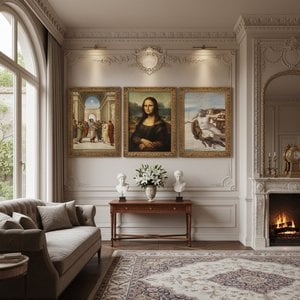
10 Arcydzieł Renesansu: Obrazy, które Zdefiniowały Epokę | ArtsDot.pl
Odkryj 10 arcydzieł renesansu – od Mona Lisy po freski Michała Anioła! Poznaj historie, techniki i wpływ największych artystów. Reprodukcje najwyższej jakości na ArtsDot.com. Eksploruj kolekcję online!

Wilderness and Wonder: An Exploration of the Sublime in American Romantic Landscape Painting
Explore the power of the sublime through Thomas Cole and the Hudson River School. Discover the majesty of American Romantic landscapes now.

Beyond Imitation: The Cultural Resonance of Fine Art Reproduction & Discerning Collectors
Explore the cultural significance of fine art reproduction & its appeal to discerning collectors. Discover how reproductions enhance aesthetics, build collections, and signal status. Expert insights & museum-quality artistry.


