

 Podgląd w skali 1:1
 Wyślij jako kartkę
 Udostępnij
 Szczegóły dzieła
 Przewodnik

 Pobierz obraz
 Podobne obiekty
 RTG
RTG Pokaz slajdów
 Pytania i odpowiedzi
 Statystyki
Living Fire


 Rozwiń treść
Dzieło sztuki prezentowane na tej stronie podlega ochronie prawem autorskim, co oznacza, że nie mamy prawa do tworzenia ani sprzedaży jego identycznej reprodukcji. Ochrona ta jest egzekwowana na mocy umów międzynarodowych, takich jak Konwencja berneńska oraz przez przepisy prawa krajowego, w tym te określone w Prawo autorskie USA – Tytuł 17.
Metoda ta jest w pełni zgodna z przepisami prawa autorskiego, ponieważ nie polega na kopiowaniu ani powielaniu chronionego dzieła. Stanowi ona kreatywną reinterpretację – nowy obraz, który czerpie inspirację z oryginału, ale nie jest z nim tożsamy.
Giclée / Wydruk artystyczny
Wydruki giclée lub płótna o jakości muzealnej, szybka realizacja i szeroki wybór opcji wykończenia. ( Zamów ręcznie malowaną reprodukcję Przejdź do wersji cyfrowej)




P118B zł10

P118H zł10

P118W zł10

P438Z zł10

P508JH zł12

P508YH zł12

P805H zł10

P805Z zł10

P919BZ zł10

P919G zł10

P919XJ zł10

P959ZH zł10

P968JZ zł12

W106C zł8

W218G zł10

W218JH zł8

W218Y zł10

W307PJ zł10

W316G zł10

W316PJ zł8

W316Y zł10

W398PJ zł8

W4111J zł10

W500HY zł15

W500JH zł15

W692G zł12

W849H zł8

W940BG zł15

W953PJ zł8




Wybierz spośród naszych standardowych rozmiarów, które zachowują oryginalne proporcje dzieła sztuki.

Wpisz wymaganą szerokość i wysokość, aby dopasować grafikę do ramy lub ściany. Wydruk można jedynie przyciąć, nigdy nie powiększając go poza oryginalny obraz, dlatego format o innych proporcjach spowoduje utratę części kompozycji. Przed rozpoczęciem druku prześlemy Ci cyfrowy podgląd do zatwierdzenia. Obraz wyświetlany na tej stronie nie pokazuje rzeczywistego przycięcia — jedynie podgląd oddaje ten efekt.
Dostawa na cały świat () w ciągu 2 tygodni zamiast standardowych 4/5 tygodni. (8 Listopad)

Bezpłatna ekspresowa wysyłka na cały świat

Wysokiej jakości płótno lniane

Pełne ubezpieczenie przesyłki

Gwarancja zwrotu należności celnych i podatków importowych

Gwarancja wiernego odwzorowania kolorów

100-dniowa polityka zwrotów (tylko w przypadku wad)

Gwarancja 100% zwrotu pieniędzy

Zniżka przy zakupie wielu sztuk
 Opcja ze szkłem jest dostępna wyłącznie w rozmiarach poniżej 110 cm

Living Fire
Giclée / Wydruk artystyczny
Wymiary reprodukcji
-


Cena całkowita
zł 246
A Visionary Descent into the Mystical
In the hauntingly beautiful Living Fire, created in 1963, we encounter the profound and enigmatic world of Teofil Ociepka, a master of Polish Primitivism. This large-scale oil on canvas serves as a window into a realm where the boundaries between the physical and the spiritual dissolve. At the heart of this composition sits a formidable red creature, a being of mythic proportions that commands the viewer's immediate attention. With its long, flowing hair and imposing horns, the figure evokes the primal energy of a dragon or a demonic entity, yet there is an unexpected, humanizing touch in the pipe held within its mouth. This singular detail introduces a surreal, almost whimsical tension to an otherwise fearsome subject, inviting us to contemplate the duality of nature—the coexistence of the wild and the domestic, the terrifying and the mundane.
The painting’s atmosphere is thick with the esoteric energy that defined Ociepka’s life and work. As a self-taught artist, occultist, and theosophist, Ociepka did not merely paint scenes; he channeled visions. The composition is far from static; it is a dynamic tapestry where smaller, indistinct figures drift through the background like echoes of a forgotten dream. These secondary figures, disconnected from the central beast, create a sense of vast, populated mythos, suggesting that the main creature is but one inhabitant of a much larger, unseen spiritual landscape. For the collector or interior designer, this piece offers more than just visual interest; it provides a profound narrative depth that can serve as a powerful focal point in any curated space.
Technique and the Language of Symbolism
Ociepka’s technique is a masterful study in the power of Primitivism. Eschewing the complex anatomical precision of academic realism, he utilizes bold colors and strikingly flat forms to achieve a heightened emotional resonance. The use of vibrant reds and deep, saturated tones in Living Fire creates a sense of heat and movement, making the canvas feel as though it is pulsing with life. His brushwork, while seemingly simple, possesses a rhythmic quality that guides the eye through the swirling textures of the creature's mane and the mysterious depths of the background. This stylistic choice allows the symbolic weight of the imagery to take precedence over literal representation, forcing the viewer to engage with the painting on an intuitive, rather than purely intellectual, level.
The symbolism within the work is deeply rooted in Ociepka’s fascination with the occult and theosophical doctrines. Every element—from the fiery hue of the central figure to the enigmatic presence of the smaller spirits—functions as a sigil or a symbol within a larger cosmic drama. The painting acts as a bridge between folk art traditions and high mysticism, making it an extraordinary piece for those who appreciate art that explores the hidden layers of reality. To possess a reproduction of Living Fire is to bring a fragment of this spiritual exploration into one's own environment, offering a constant source of introspection and a striking aesthetic statement that transcends the fleeting trends of modern decor.
Pytania i odpowiedzi
Czy mogę zobaczyć „Living Fire” – Teofil Ociepka na własnej ścianie przed zakupem?
„Living Fire” posiada podgląd w rozszerzonej rzeczywistości: strona Podgląd w AR pozwala zobaczyć dzieło w Twojej własnej przestrzeni na kompatybilnym urządzeniu.
Do jakiego pomieszczenia, biorąc pod uwagę kolorystykę, polecane jest dzieło „Living Fire” – Teofil Ociepka?
Kolorystyka Dark w dziele „Living Fire” – Teofil Ociepka idealnie współgra z rekomendowanym wnętrzem: Restaurant.
Czy istnieją dzieła podobne do „Living Fire”?
Dzieła podobne do „Living Fire” można znaleźć na stronie Podobne dzieła danego dzieła.
Podobne dzieła


Biografia artysty
The Mystical Vision of Teofil Ociepka
In the quiet corners of Polish art history, few figures possess the enigmatic allure of Teofil Ociepka. Born on April 22, 1891, in Janów Śląski, Poland, Ociepka was far more than a mere painter; he was a seeker, an occultist, and a dedicated theosophist whose brush served as a conduit for the unseen realms. As a self-taught primitivist, his work emerged not from formal academic training, but from a profound, internal necessity to translate spiritual truths onto canvas. His life, which spanned until 1978 in Bydgoszcz, was a continuous journey through the layers of the subconscious and the esoteric, leaving behind a body of work that vibrates with a dreamlike, otherworldly energy.
Ociepka’s artistic development was deeply intertwined with his spiritual pursuits. His fascination with the occult and theosophy provided him with a unique visual vocabulary, one where the boundaries between the physical landscape and the metaphysical plane are perpetually blurred. Unlike many of his contemporaries who sought to capture the external reality of the Polish countryside, Ociepka looked inward. His early life in Poland, marked by a deep immersion in folk traditions and mystical philosophies, allowed him to cultivate a style that felt both ancient and deeply personal. This fusion of folk art simplicity and complex esoteric symbolism created a tension in his work that continues to captivate modern viewers.
A Language of Symbols and Color
The aesthetic power of Ociepka’s paintings lies in their striking, unadorned clarity. His technique was characterized by the use of bold, saturated colors and remarkably flat, simplified forms—a hallmark of the Primitivist movement. However, beneath this deceptive simplicity lies a dense web of meaning. Every stroke and every shape often carries a weight of symbolic significance, reflecting his preoccupation with the hidden forces of the universe. His landscapes and still-life compositions are rarely just depictions of nature; they are sacred spaces populated by motifs that whisper of cosmic order and spiritual mystery.
When observing his most celebrated works, such as "The Garden" or "The Mountain," one is struck by the following elements:
- Bold Color Palettes: The use of vibrant, often non-naturalistic hues to evoke emotional and spiritual states.
- Symbolic Motifs: The integration of esoteric symbols that bridge the gap between the earthly and the divine.
- Flatness of Form: A rejection of traditional perspective in favor of a more direct, iconographic presentation.
- Dreamlike Atmosphere: A sense of stillness and transcendence that invites the viewer into a meditative state.
Legacy and Historical Significance
Teofil Ociepka stands alongside legendary figures like Nikifor and Henri Rousseau as a master of the Primitivist tradition. While his work shares the raw, intuitive quality found in Rousseau’s jungles, Ociepka’s focus on theosophy gives his oeuvre a distinctively spiritual gravity. He did not merely paint what he saw; he painted what he felt to be true in the higher vibrations of existence. His ability to weave the humble aesthetics of Polish folk art into a grander narrative of universal mysticism has secured his place as one of Poland's most fascinating and enduring artistic voices.
Today, the legacy of Ociepka is preserved through collections in prestigious institutions, including the National Museum in Wrocław and the Museum of Folk Architecture in Sanok. His work remains a vital touchstone for anyone interested in the intersection of art, spirituality, and the human psyche. To encounter an Ociepka painting is to step into a realm where the veil between worlds is thin, offering a glimpse into the profound mysteries that the artist spent his entire life attempting to illuminate.

Teofil Ociepka
1891 - 1978 , Poland
Krótka nota
- Artistic Movement Or Style: Primitivism
- Full Name: Teofil Ociepka
- Nationality: Polish
- Notable Artworks:
- Living Fire
- Mammoth. Saturn
- Self-Portrait
- Basilisk
- Place Of Birth: Janów Śląski, Poland
- Date Of Birth: 1891
- Date Of Death: 1978
Powiązane artykuły

Stanisław Wyspiański: Symbolism, National Identity & the Polish Secession
Explore the life & work of Stanisław Wyspiański, a pivotal figure in Polish Symbolism and the Young Poland movement. Discover his iconic paintings, dramas, and stained glass designs reflecting national identity & artistic innovation.

Jan Matejko: Historical Narrative & National Identity in 19th-Century Polish Painting
Explore the powerful historical paintings of Jan Matejko, Poland's national artist. Discover his iconic works & learn how he shaped Polish identity in the 19th century. High-quality reproductions available.

Mark Rothko: 25 Arcydzieł Koloru i Emocji | Reprodukcje Obrazów | ArtsDot.com
Odkryj 25 arcydzieł Marka Rothko – mistrza abstrakcji i koloru. Poznaj historie, techniki i emocje kryjące się za jego płótnami. Reprodukcje obrazów najwyższej jakości na ArtsDot.com. Eksploruj kolekcję online!
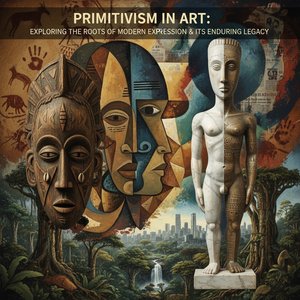
Prymitywizm w sztuce: Korzenie nowoczesnej ekspresji i jego trwałe dziedzictwo
Poznaj fascynujący świat prymitywizmu w sztuce! Odkryj korzenie nowoczesnej ekspresji, wpływ na awangardę i sylwetki kluczowych artystów. Ekspercka analiza i bogate źródła.

Crimson Threads of Narrative: Exploring Symbolism & Representation in Artworks Featuring the Red Dress
Explore the rich symbolism of the red dress in art history! From ancient power displays to iconic portraits like Cézanne’s 'Madame Cezanne', discover the cultural and artistic significance behind this captivating color. Expert analysis & insights.