

 Podgląd w skali
 Wyślij jako kartkę
 Udostępnij
 Szczegóły dzieła

 Pobierz
 Podobne obiekty
 RTG
RTG Pokaz slajdów
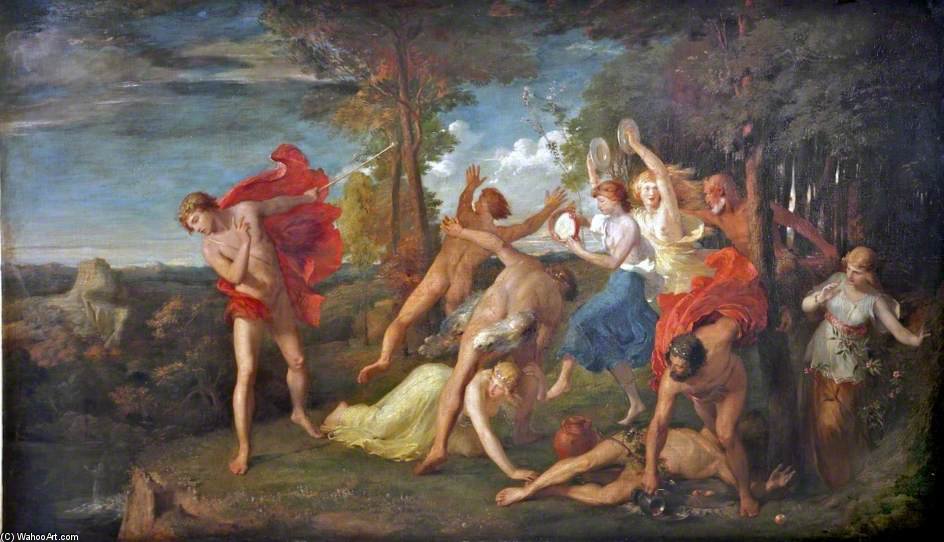
Comus
 Rozwiń treść
Ręcznie malowana reprodukcja olejowa
Ręcznie malowany obraz olejny na płótnie, wykonany na zamówienie przez naszych artystów w wybranym przez Ciebie wymiarze i oprawie. ( Zamów wydruk Kup obraz wysokiej rozdzielczości)




































Wybierz spośród naszych standardowych rozmiarów, które zachowują oryginalne proporcje dzieła sztuki.

Możesz wprowadzić własne wymiary, aby dopasować obraz do konkretnej ramy lub przestrzeni. Jeśli wybrany rozmiar nie będzie odpowiadał proporcjom oryginału, przytniecie dzieło sztuki lub rozszerzymy je o dodatkowe elementy, ręcznie domalowane przez artystę. Przed rozpoczęciem produkcji wyślemy projekt cyfrowy do Twojej akceptacji.
Należy pamiętać, że podgląd na ekranie nie odzwierciedla rzeczywistego przycinania ani rozszerzania obrazu. Tylko projekt dokładnie pokaże ostateczną kompozycję.
Choć oferujemy możliwość zamówienia niestandardowych rozmiarów, zalecamy wybór wymiaru z gotowej listy, aby zachować oryginalne proporcje dzieła.
Po złożeniu zamówienia zespół ArtsDot.com skontaktuje się z klientem drogą mailową w celu uzyskania instrukcji i prześle wizualizację projektu
Dostawa na całym świecie () w ciągu 3–4 tygodni zamiast standardowych 5 tygodni. (18 Sierpień). Bez kompromisów w kwestii jakości.

Bezpłatna ekspresowa wysyłka na cały świat

Wysokiej jakości płótno lniane

Pełne ubezpieczenie przesyłki

Gwarancja zwrotu należności celnych i podatków importowych

Gwarancja wiernego odwzorowania kolorów

Polityka 60-dniowego zwrotu (tylko w przypadku wad)

Gwarancja 100% zwrotu kosztów

Zniżka przy zamówieniu wielu produktów
 Opcja ze szkłem jest dostępna wyłącznie w rozmiarach poniżej 110 cm

Comus
Technika reprodukcji
Wymiary reprodukcji
-


Cena całkowita
$ 263
Podobne dzieła


O artyście
Early Life and Influences
Sir William Blake Richmond (1842–1921) was born at 10 York Street, London, England on November 29, 1842. His formative years were deeply shaped by his association with the ancients—a group of artists and writers captivated by the visionary poetry of William Blake. This profound influence permeated Richmond’s early artistic endeavors, evident in paintings such as “Abel the Shepherd” and “Christ and the Woman of Samaria,” exhibited at the Royal Academy in 1825. These works foreshadowed his distinctive style—characterized by meticulous detail and a masterful conveyance of subject matter's inner life.Career Highlights
Richmond swiftly established himself as a celebrated portrait painter, capturing the grandeur and character of British gentry, nobility, and royalty with unparalleled skill. His canvases are distinguished by their unwavering commitment to realism combined with an expressive artistic vision. Among his most notable achievements were “Trees at Bocca d’Arno,” a landscape imbued with Romantic idealism, and “The Crown of Peace,” a monumental depiction reflecting the aspirations of Victorian society. These paintings cemented Richmond's reputation as a leading figure in British art during his time.Notable Associations and Travels
Recognizing the importance of artistic education abroad, Richmond embarked on a transformative journey to Paris in 1828. There, he immersed himself in the studios and hospitals of École des Beaux-Arts, honing his anatomical understanding and broadening his artistic horizons. A memorable encounter occurred during his travels—a chance meeting with Beau Brumell at Calais, where they exchanged snuff pins—marking a pivotal moment that solidified Richmond’s connections within London's intellectual elite. Furthermore, he benefited greatly from the counsel of Lord Sidmouth, securing a portrait commission that now resides in the National Portrait Gallery.Artistic Style and Technique
Richmond’s artistic style was firmly rooted in Romanticism, prioritizing emotional intensity and imaginative vision alongside technical precision. He skillfully employed oil paints—often layered with painstaking detail—to achieve luminous effects and convey nuanced psychological states. His meticulous observation of nature—particularly evident in “Trees at Bocca d’Arno”—served as a cornerstone of his artistic practice. Richmond's dedication to capturing the essence of his subjects ensured that his legacy would endure for generations to come.Legacy and Later Life
While Richmond continued to produce portraits throughout his career, focusing on conveying dignity and inner reflection, he never relinquished his passion for landscape painting. He passed away peacefully on February 11, 1921, leaving behind a substantial body of work that continues to inspire artists and scholars alike. Sir William Blake Richmond remains an exemplar of Victorian artistic excellence—a testament to the transformative power of observation, imagination, and unwavering dedication to craft.
Sir William Blake Richmond
1809 - 1896 , Wielka Brytania
Krótka nota
- Artistic Movement Or Style: Romanticism
- Artists Who Influenced This Artist: ['William Blake']
- Date Of Birth: March 28, 1809
- Date Of Death: March 19, 1896
- Full Name: Sir William Blake Richmond
- Nationality: British
- Notable Artworks:
- Trees at Bocca d'Arno
- The Crown of Peace
- Place Of Birth: Brompton, United Kingdom

