
 Oil On Canvas
- WallArt
- Pre-Raphaelite
 1851
1851 11.0 x 76.0 cm
 Tate Britain
The picture follows your choices: , .
Opis obiektu
Experience Millais’ "Ophelia" – a breathtaking Pre-Raphaelite masterpiece! Explore its serene beauty, intricate detail & symbolic depth. A timeless work of art.
 Rozwiń treść
Biografia artysty
John Everett Millais (1829-1896) – wybitny malarz Prerafaelita, znany z realizmu i obrazów takich jak "Ophelia". Jego twórczość odzwierciedlałaby ducha epoki wiktoriańskiej.
Ręcznie malowana reprodukcja olejowa
Ręcznie malowany obraz olejny na płótnie, wykonany na zamówienie przez naszych artystów w wybranym przez Ciebie wymiarze i oprawie. ( Przełącz na wydania drukowane Przejdź do wersji cyfrowej)
More about this painting
 Podgląd w skali 1:1
 Wyślij jako kartkę
 Udostępnij
 Szczegóły dzieła
 Przewodnik

 Pobierz obraz
 Podobne obiekty
 RTG
RTG Pokaz slajdów
 Q&A
Q&A Statystyki
Order your painting in four simple steps
Take your time. You can change any answer; the price in your order card follows each choice.
1 Step one of four
Which size would you like?
These sizes keep the proportions of the original painting. The drawing shows your choice on a wall, above a two-metre sofa.
Or give your own measurements
Wybierz spośród naszych standardowych rozmiarów, które zachowują oryginalne proporcje dzieła sztuki.

Wpisz wymaganą szerokość i wysokość, aby obraz pasował do Twojej ramy lub ściany. Ponieważ jest to dzieło malowane ręcznie, w przypadku rozmiaru o innych proporcjach artysta może domalować nieco więcej wokół obrazu lub przyciąć jego fragmenty — wybór należy do Ciebie. Przed rozpoczęciem pracy prześlemy Ci cyfrową wizualizację do zatwierdzenia. Obraz widoczny na tej stronie nie przedstawia rzeczywistego efektu — jedynie wizualizacja oddaje realny rezultat.
2 Step two of four
How should it be prepared: rolled, stretched or framed?
The prices below are for the size you chose in step one.
Choose the edges of the stretched canvas
Choose your frame

White zł1

Blurside zł1

Extended zł1

P118B zł10

P118H zł10

P118W zł10

P438Z zł10

P508JH zł12

P508YH zł12

P805H zł10

P805Z zł10

P919BZ zł10

P919G zł10

P919XJ zł10

P959ZH zł10

P968JZ zł12

W106C zł8

W218G zł10

W218JH zł8

W218Y zł10

W307PJ zł10

W316G zł10

W316PJ zł8

W316Y zł10

W398PJ zł8

W4111J zł10

W500HY zł15

W500JH zł15

W692G zł12

W849H zł8

W940BG zł15

W953PJ zł8

H24-GOLD zł30

H24-SILVER zł30

H36-GOLD zł45

H36-SILVER zł45
W oprawie
Moulding: . Overall size with the frame: .
3 Step three of four
Would you like anything changed in the painting?
Most people answer no. Because each painting is made by hand, our artist can also adapt it for you.
After order, ArtsDot.com team will email client for instructions and provide a mockup preview
4 Step four of four
A few finishing options
All of them are optional. The answers already selected cost nothing extra.
Who paints it?
Dostawa na całym świecie () w ciągu 3–4 tygodni zamiast standardowych 5 tygodni. (29 Październik). Bez kompromisów w kwestii jakości.
A nameplate, as in a museum?
Szczegóły grawerowanej brązowej tabliczki
This elegant plaque features the artist's name and the title of the artwork, finely engraved for a timeless presentation.
It is made from bronze with a refined, elegant finish. The text is precisely laser-engraved for a sharp and permanent result. Measuring 9x2 cm, the plaque is compact yet easy to read. It's built to be durable and scratch-resistant, offering a professional, museum-quality look. Mounting is simple thanks to the included adhesive backing.
Szczegóły przezroczystej tabliczki akrylowej
The plaque includes essential engraved details such as the artist's name, the title of the artwork, the date it was created, the type of media used-like oil on canvas or watercolor-a brief description of the piece, and a QR code that links to the complete artwork information.
It is crafted from clear acrylic, offering a sleek, modern appearance. The text is UV-engraved in black to ensure strong visual contrast. With a size of 10x15 cm, it ensures optimal readability. It comes equipped with two metal hooks for secure wall mounting. The plaque is designed to be weather-resistant, making it suitable for various environments, and it includes interactive features that work seamlessly with smartphone scanning.
Szczegóły czarnej tabliczki akrylowej
This elegant plaque includes engraved information such as the artist's name, the title of the artwork, the date it was created, the type of media used (like oil on canvas or watercolor), a short description of the artwork, and a QR code for quick access to more information.
The plaque itself is made from refined black acrylic with a premium finish. The text is laser-engraved in white for high contrast and readability. Its size is 10x15 cm, designed to be easy to read. It comes with two metal hooks for professional mounting. The design is sleek and fits any interior style. It is also weather-resistant and durable, with built-in digital integration for mobile compatibility.
A protective varnish?
When do you need it?
✓ Check and order
Your painting, as you ordered it

Ophelia
Technika reprodukcji
Wymiary reprodukcji
-

Wybitny mistrz artystyczny
Większa szczegółowość, finezja i dodatkowy czas na realizację
-

Opcje oprawy reprodukcji
-
-
W przypadku dzieł sztuki lub reprodukcji, których którykolwiek z boków przekracza 105 cm (około 41 cali), rama zostanie wysłana w formie zestawu do samodzielnego montażu. Metoda ta zapewnia bezpieczną dostawę i zapobiega uszkodzeniom podczas transportu.
Wymagany profesjonalny montaż – nie jest to produkt typu DIY.
Zestaw musi zostać złożony, a płótno naciągnięte przez doświadczonego profesjonalnego ramiarza, przy użyciu kleju do drewna (brak w zestawie), kleszczy do naciągania płótna oraz ścisków, które utrzymają krosna w równej pozycji podczas schnięcia kleju. Nieprawidłowy montaż lub nierównomierne napięcie płótna może trwale uszkodzić dzieło sztuki i nie podlega naszej gwarancji.
 W przypadku dzieł sztuki lub reprodukcji, których którykolwiek z boków przekracza 105 cm (około 41 cali), rama zostanie wysłana w formie zestawu do samodzielnego montażu. Metoda ta zapewnia bezpieczną dostawę i zapobiega uszkodzeniom podczas transportu.
W zestawie znajdują się wszystkie listwy z litego drewna, precyzyjnie docięte do wymiarów.
Montaż odbywa się przy użyciu dołączonych wkrętów oraz kleju do drewna do łączenia narożników, którego zestaw nie zawiera i który musi zostać dostarczony przez ramiarza.
Wymagane są profesjonalne narzędzia, których nie ma w zestawie: kleszcze do naciągania płótna (napinacz) oraz zaciski, które pozwolą utrzymać listwy w równej pozycji podczas schnięcia kleju.
Ważne:
Do połączenia narożników niezbędny jest klej do drewna, listwy należy unieruchomić za pomocą ścisków do momentu całkowitego wyschnięcia kleju, a naciągnięcie płótna na złożoną ramę wymaga użycia kleszczy do naciągania płótna. Żaden z tych elementów nie jest dołączony do zestawu. Przed zamówieniem tego rozmiaru zalecamy konsultację z doświadczonym ramiarzem.

Etykieta obiektu
-
-

Lakier ochronny
Lakier z połyskiem (pogłębia kolory, chroni przed światłem i wilgocią)
-

Personalizacja dzieła
Przykłady możliwości personalizacji: zastąp twarz zdjęciem klienta; dodaj zwierzę domowe (np. zamień kota na psa); umieść ukrytą wiadomość w tle; zmień krajobraz lub elementy tła.
-

Ekspresowa
Dostawa na cały świat () w ciągu 3–4 tygodni zamiast standardowych 5 tygodni. (29 Październik). Bez kompromisów w kwestii jakości.
-
Przesyłka ekspresowa
Dostawa na cały świat () w ciągu 5 tygodni. (5 Listopad).
W cenie
Cena całkowita
zł 1013
Opcja ze szkłem jest dostępna wyłącznie w rozmiarach poniżej 110 cm
Included with every order
- Bezpłatna ekspresowa wysyłka na cały świat
- Wysokiej jakości płótno lniane
- Pełne ubezpieczenie przesyłki
- Gwarancja zwrotu należności celnych i podatków importowych
- Gwarancja wiernego odwzorowania kolorów
- 100-dniowa polityka zwrotów (tylko w przypadku wad)
- Gwarancja 100% zwrotu pieniędzy
- Zniżka przy zakupie wielu sztuk


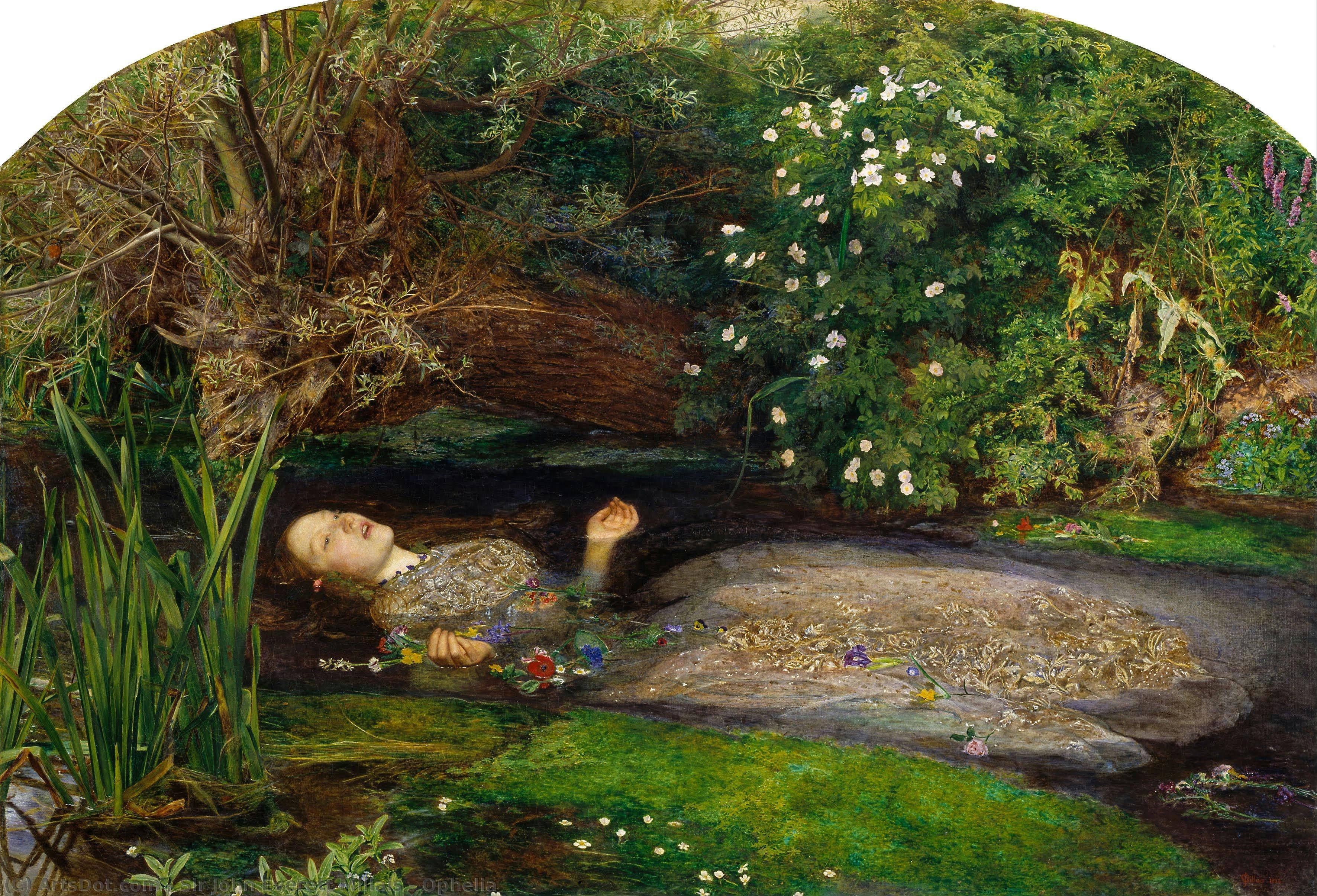
A Frozen Moment of Melancholy: Millais’s “Ophelia”
Sir John Everett Millais's "Ophelia," painted in 1851–52, isn’t merely a depiction of a tragic Shakespearean scene; it’s an immersive experience—a meticulously crafted tableau of sorrow and beauty that continues to captivate viewers over a century and a half later. This iconic Pre-Raphaelite masterpiece transcends its literary source, becoming a profound meditation on loss, innocence, and the poignant surrender to nature's embrace. The painting immediately draws the eye with its luminous palette and astonishing level of detail, inviting the viewer into a world both idyllic and profoundly mournful.
Millais’s genius lies not just in his technical skill—though that is undeniably remarkable—but in his ability to evoke an atmosphere of palpable grief. He achieved this through a radical departure from conventional artistic practices for the time, choosing to paint *en plein air* (outdoors) and working directly from nature. This commitment to realism, coupled with the Pre-Raphaelite Brotherhood’s fascination with medieval and Renaissance art, resulted in a work that feels simultaneously ancient and utterly contemporary. The scene unfolds along the Hogsmill River near Ewell, Surrey, where Millais meticulously recreated the landscape, capturing the dappled sunlight filtering through the foliage and the shimmering reflections on the water's surface.
The Figure of Despair
At the heart of “Ophelia” is her figure—a young woman reclining gracefully in the stream, her expression a mixture of serene acceptance and heartbreaking resignation. Elizabeth Siddall, Millais’s model for Ophelia, endured an extraordinary ordeal to achieve this portrayal. For weeks, she posed submerged in a bathtub filled with cold water, draped in heavy velvet robes to simulate the chill of the river. This dedication to realism extended beyond mere appearance; it was a deliberate attempt to capture the physical sensation of drowning—a testament to Millais’s commitment to portraying the subject matter with unflinching honesty.
The details surrounding Siddall's posing are particularly poignant, revealing the demanding nature of Pre-Raphaelite art production. The discomfort she experienced led to a severe illness, requiring medical attention and ultimately shaping the painting’s atmosphere of vulnerability. Millais’s careful observation of her posture, the delicate drape of her gown, and the subtle expression on her face all contribute to the overwhelming sense of tragedy.
Symbolism Woven into the Scene
“Ophelia” is rich in symbolic detail, each element carefully chosen to deepen the narrative’s emotional resonance. The flowers scattered around her—violets, pansies, poppies, willow branches, and daisies—are not merely decorative; they carry specific meanings rooted in Victorian symbolism. Violets represent faithfulness and modesty, while poppies symbolize death and sleep. The willow branch, a traditional symbol of mourning, drapes over the riverbank, mirroring Ophelia’s descent into sorrow. Even the arrangement of the flowers suggests a deliberate composition—a visual representation of her fragmented thoughts and memories.
The inclusion of a silver casket, partially submerged in the water, further reinforces the theme of loss and remembrance. It is a relic from her past, a symbol of her shattered engagement and the world she has lost. The presence of a small mouse nestled amongst the embroidery on the table adds an unexpected layer of detail—a reminder of mortality and the fragility of life.
A Legacy of Beauty and Sorrow
“Ophelia” remains one of the most celebrated paintings in the Pre-Raphaelite canon, admired for its technical brilliance, emotional depth, and enduring power. It’s a work that invites repeated viewing—each encounter revealing new layers of meaning and nuance. Beyond its artistic merit, “Ophelia” has become an iconic image of female vulnerability and tragic beauty, frequently referenced in literature, film, and popular culture. Its depiction of a young woman surrendering to the embrace of nature continues to resonate with viewers today, serving as a poignant reminder of the ephemeral nature of life and the enduring power of art to capture both its splendor and its sorrow.
Reproductions of “Ophelia” offer an accessible way to experience this masterpiece firsthand. Whether displayed in a grand salon or a cozy study, this evocative image will undoubtedly spark conversation and inspire contemplation for years to come.
Pytania i odpowiedzi
Do jakiego nurtu należy "Ophelia"?
„Ophelia” – John Everett Millais należy do nurtu Pre-Raphaelite. Nurt ten stanowi stylistyczny kontekst dzieła.
W jaki sposób styl dzieła "Ophelia" odnosi się do epoki jego twórcy?
"Ophelia" należy do nurtu Pre-Raphaelite, a jego twórca tworzył w epoce – Wiek XIX.
Gdzie mogę znaleźć dzieła sztuki podobne do „Ophelia” – John Everett Millais?
Dzieła podobne do „Ophelia” można znaleźć na stronie Podobne dzieła danego dzieła.
Podobne dzieła


John Everett Millais
1829 - 1896, Wielka Brytania
Biografia artysty
A Prodigy of the Pre-Raphaelites: The Life and Art of Sir John Everett Millais
Born in Southampton in 1829, John Everett Millais entered the Royal Academy Schools at the astonishing age of eleven—the youngest student ever admitted. This early demonstration of prodigious talent foreshadowed a career that would not only define an artistic movement but also capture the Victorian imagination with its breathtaking realism and emotional depth. From his earliest days, Millais possessed a remarkable gift for observation, a quality that would become the cornerstone of his artistic style. He wasn’t merely painting what he saw; he was meticulously recreating it, imbuing each brushstroke with an almost photographic fidelity. This dedication to truth in representation set him apart and ultimately led him to challenge the established conventions of British art.The Birth of a Brotherhood and Artistic Rebellion
Millais’s artistic trajectory took a pivotal turn in 1848 when, alongside Dante Gabriel Rossetti and William Holman Hunt, he founded the Pre-Raphaelite Brotherhood. This wasn't simply an aesthetic choice; it was a deliberate rebellion against what they perceived as the artificiality of academic art—art that had strayed too far from the natural world and the sincerity of early Renaissance masters, those working *before* Raphael. The Pre-Raphaelites sought to revive the clarity, detail, and vibrant color palettes of artists like Jan van Eyck and Fra Angelico. Their manifesto was one of truth to nature, a rejection of idealized forms, and an embrace of subjects drawn from literature, mythology, and everyday life. Millais’s early works, such as *Isabella*, immediately showcased this new approach—a meticulous attention to detail combined with a narrative intensity that captivated and often provoked audiences. His most controversial work during this period, Christ in the House of His Parents (1849-50), depicted the Holy Family not as ethereal beings but as ordinary working-class people, sparking outrage among critics who found its realism unsettling and even blasphemous. The painting’s depiction of a mother washing her child's clothes in a muddy stream was considered shockingly unidealized for religious art at the time.Evolving Styles and Victorian Sensibilities
The mid-1850s marked a period of significant change for Millais, both personally and artistically. His marriage to Effie Gray, following the annulment of her marriage to John Ruskin, profoundly influenced his work. He moved away from the intensely detailed, symbolic style of his early Pre-Raphaelite paintings towards a broader, more atmospheric realism. This shift wasn’t simply a matter of stylistic preference; it reflected a growing engagement with contemporary life and a desire to capture the fleeting beauty of the natural world. Paintings like *Autumn Leaves* exemplify this new direction—a serene depiction of a group of young women drifting leaves on a river, imbued with a sense of melancholy and nostalgia. The painting’s luminous quality and subtle color variations were groundbreaking for their time. He also found considerable success as a portraitist, capturing the likenesses of prominent Victorian figures, including John Gladstone and Benjamin Disraeli. This period saw Millais achieve widespread popularity and financial security, but it also drew criticism from some who felt he had compromised his artistic principles.Major Works & Collections
- Christ in the House of His Parents (1849-1850): Tate Britain, London – A controversial masterpiece that exemplifies early Pre-Raphaelite realism.
- Ophelia (1851-1852): Tate Britain, London – Perhaps his most famous work, renowned for its haunting beauty and symbolic depth.
- A Huguenot (1851-1852): Private Collection – A dramatic depiction of religious conflict and forbidden love.
- Mariana (1850-1851): Manchester Art Gallery – Inspired by Shakespeare and Tennyson, showcasing Millais’s skill in capturing mood and atmosphere.
- Autumn Leaves (1855-1856): City of Manchester Art Galleries – A serene and evocative painting that reflects his evolving style.
Legacy and Lasting Influence
Despite these criticisms, Sir John Everett Millais remains one of the most important figures in 19th-century British art. His influence extends far beyond the Pre-Raphaelite Brotherhood; he helped to redefine the standards of realism and narrative painting, inspiring generations of artists. His iconic images—Ophelia, with its haunting beauty and symbolic richness, A Huguenot, depicting a moment of poignant drama, and countless others—continue to resonate with audiences today. Millais’s ability to blend meticulous observation with emotional depth, his mastery of color and composition, and his willingness to challenge artistic conventions cemented his place as a true innovator. In 1896, he was elected President of the Royal Academy, a testament to his enduring legacy—though sadly, he passed away only months later. His work continues to be celebrated in museums and collections worldwide, ensuring that the beauty and power of his art will endure for generations to come.


Powiązane artykuły

Dante Gabriel Rossetti: 25 Arcydzieł Pełnych Pasji i Symboliki | ArtsDot
Odkryj 25 najpiękniejszych obrazów Dante Gabriela Rossettiego! Poznaj historię, symbolikę i techniki prerafaelitów. Reprodukcje najwyższej jakości do Twojego wnętrza – ArtsDot.

Arthur Hughes: Pre-Raphaelite Visions of Beauty & Melancholy
Explore the captivating world of Arthur Hughes (1832-1915), a leading Pre-Raphaelite painter. Discover his dreamy landscapes, poetic narratives & iconic Victorian artworks. Learn about his life, style & collecting today.

Braterstwo Prerafaelitów: Bunt przeciw akademizmowi i renesansowy powrót do piękna
Poznaj historię Bractwa Prerafaelitów – ruchu artystycznego, który zrewolucjonizował malarstwo angielskie. Analiza sprzeciwu wobec akademizmu, inspiracji renesansowych i kluczowych dzieł Millaisa, Rossettiego i Hunta.