


 Podgląd w skali
 Wyślij jako kartkę
 Udostępnij
 Szczegóły dzieła

 Pobierz
 Podobne obiekty
 RTG
RTG Pokaz slajdów
The Farmyard


 Rozwiń treść
Giclée / Wydruk artystyczny
Druk giclée lub płótno o jakości muzealnej, szybka realizacja i szeroki wybór opcji wykończenia. ( Zamów ręcznie malowaną reprodukcję Kup obraz wysokiej rozdzielczości)




P118B $10

P118H $10

P118W $10

P438Z $10

P508JH $12

P508YH $12

P805H $10

P805Z $10

P919BZ $10

P919G $10

P919XJ $10

P959ZH $10

P968JZ $12

W106C $8

W218G $10

W218JH $8

W218Y $10

W307PJ $10

W316G $10

W316PJ $8

W316Y $10

W398PJ $8

W4111J $10

W500HY $15

W500JH $15

W692G $12

W849H $8

W940BG $15

W953PJ $8




Wybierz spośród naszych standardowych rozmiarów, które zachowują oryginalne proporcje dzieła sztuki.

Możesz wprowadzić własne wymiary, aby dopasować dzieło do konkretnej ramy lub przestrzeni. Jeśli wybrany rozmiar nie będzie odpowiadał proporcjom oryginalnego obrazu, przytniecie dzieło lub rozszerzymy obraz za pomocą odbicia lustrzanego lub jednolitego wypełnienia krawędzi. Przed rozpoczęciem produkcji prześlemy cyfrową wizualizację do Twojej akceptacji.
Prosimy pamiętać, że podgląd na ekranie nie odzwierciedla faktycznego przycinania ani rozszerzania. Tylko wizualizacja dokładnie pokaże końcową kompozycję.
Mimo dostępności niestandardowych rozmiarów, zalecamy wybór wymiaru z listy zdefiniowanej, aby zachować oryginalne proporcje.
Dostawa na cały świat () w ciągu 2 tygodni zamiast standardowych 4/5 tygodni. (17 Sierpień)

Bezpłatna ekspresowa wysyłka na cały świat

Wysokiej jakości płótno lniane

Pełne ubezpieczenie przesyłki

Gwarancja zwrotu należności celnych i podatków importowych

Gwarancja wiernego odwzorowania kolorów

Polityka 60-dniowego zwrotu (tylko w przypadku wad)

Gwarancja 100% zwrotu kosztów

Zniżka przy zamówieniu wielu produktów
 Opcja ze szkłem jest dostępna wyłącznie w rozmiarach poniżej 110 cm

The Farmyard
Giclée / Wydruk artystyczny
Wymiary reprodukcji
-


Cena całkowita
$ 62
Opis kolekcjonerski
A Pastoral Vision: George Clausen’s “The Farmyard”
George Clausen's "The Farmyard," painted in 1908, isn’t merely a depiction of rural life; it’s a carefully constructed tableau brimming with quiet observation and a profound appreciation for the rhythms of the English countryside. More than just a snapshot, this Impressionist landscape invites us into a moment suspended between labor and leisure, capturing the golden light of a summer afternoon bathing a humble farm scene in an ethereal glow. Clausen, a key figure in establishing British modernism, moved beyond the rigid conventions of academic painting, embracing instead a looser brushstroke and a heightened sensitivity to color and atmosphere – qualities powerfully evident in this work.
The composition immediately draws the eye towards the young boy, a central figure against the backdrop of a weathered farmhouse. His purposeful stride, carrying a wooden plank, suggests an active role within the farm’s operations, yet his youthful face holds a hint of serenity, suggesting a connection to this land that transcends mere toil. To his left, the ancient oak tree stands as a silent sentinel, its gnarled branches and dappled shade providing a grounding element to the scene. The careful rendering of the leaves – in shades ranging from vibrant emerald to muted olive – speaks to Clausen’s meticulous attention to detail and his ability to capture the subtle nuances of light filtering through foliage. The rustic farmhouse itself, with its thatched roof and simple construction, embodies a timelessness, anchoring the painting within a tradition of rural life.
Impressionist Techniques and Light's Dance
Clausen’s mastery lies in his skillful manipulation of light and color – hallmarks of the Impressionist movement. He eschews sharp outlines and precise detail in favor of loose brushstrokes that create an almost shimmering effect, particularly noticeable in the depiction of the sky and the foliage. The colors aren't blended smoothly; instead, they are juxtaposed to create a vibrant interplay of hues, mimicking the fleeting effects of sunlight on the landscape. Observe how the warm yellows and oranges of the afternoon sun illuminate the boy’s figure and cast long shadows across the ground, while cooler blues and greens dominate the distant fields and trees. This dynamic use of color isn't simply decorative; it conveys a sense of movement and vitality, capturing the ephemeral quality of light at that specific moment in time.
The artist’s technique is particularly noteworthy in his rendering of texture. The rough bark of the oak tree, the weathered planks of the boy’s load, and the thatched roof of the farmhouse are all depicted with a tactile realism achieved through short, broken brushstrokes. This attention to surface detail adds depth and dimension to the painting, inviting us to almost feel the warmth of the sun on our skin and the scent of the countryside in the air.
Symbolism and the Dignity of Labor
Beyond its purely aesthetic qualities, “The Farmyard” carries a subtle layer of symbolic meaning. The young boy’s presence suggests themes of childhood innocence, connection to nature, and the continuation of rural traditions. His purposeful walk speaks to a sense of responsibility and engagement with the land – a quiet dignity often overlooked in depictions of farm life. The inclusion of the wooden plank hints at the physical labor involved in farming, while the farmhouse represents the stability and continuity of family life. The painting isn’t romanticized; it presents a realistic portrayal of rural existence, acknowledging both its hardships and its inherent beauty.
Furthermore, the composition subtly evokes a sense of harmony between humanity and nature. The boy is integrated seamlessly into the landscape, suggesting a mutual respect and interdependence. This theme resonates with the broader Victorian interest in pastoralism – a longing for an idealized rural past that offered respite from the rapid industrialization and social upheaval of the era. “The Farmyard” serves as a poignant reminder of this enduring fascination with the English countryside and its timeless appeal.
A Timeless Masterpiece: Reproduction Considerations
Reproductions of "The Farmyard" capture the essence of Clausen’s original vision, offering a window into a bygone era. When selecting a reproduction, consider the quality of materials and printing techniques used to ensure accurate color representation and detail. Hand-painted reproductions offer the most authentic experience, meticulously recreating the artist's brushstrokes and atmospheric effects. These are particularly valuable for collectors seeking an investment that honors the artistry of this significant British painter. For interior design enthusiasts, “The Farmyard”’s tranquil scene provides a touch of rustic charm and timeless elegance to any space – a reminder of the beauty and serenity found in the natural world.
Podobne dzieła


O artyście
A Life Painted in Light: The World of Sir George Clausen
Sir George Clausen, a name perhaps less immediately recognized than some of his Impressionist contemporaries, nevertheless occupies a vital and uniquely British space within the history of late 19th and early 20th century art. Born in London in 1852, his life spanned an era of immense social and artistic change, and his canvases reflect both the enduring beauty of the English countryside and the profound anxieties of a world grappling with modernity and war. Clausen wasn’t merely *influenced* by Impressionism; he adapted its principles to create something distinctly his own – a style that blended fleeting moments of light and atmosphere with a deep-seated empathy for rural life and the dignity of labor. His journey began within the traditional confines of academic training at the Royal Academy Schools, but a restless spirit and an observant eye soon led him towards more progressive artistic horizons. Travel throughout Europe proved formative, exposing him to the burgeoning Impressionist movement in France and instilling a passion for *plein air* painting – capturing the immediacy of light and atmosphere directly from nature.From Rural Idylls to Scenes of Modern Life
Clausen’s artistic output is characterized by a remarkable sensitivity to his subjects, whether they be sweeping landscapes or intimate portraits of everyday people. He found inspiration in the rhythms of agricultural life, depicting scenes of harvesting, ploughing, and gleaning with an almost reverential attention to detail. Paintings like *Bird Scaring*, *Girl*, and *Ploughing* aren’t simply depictions of rural labor; they are celebrations of the human connection to the land, imbued with a sense of quiet dignity and poetic beauty. He possessed an extraordinary ability to capture the transient effects of light – the golden glow of sunset on a field, the dappled shade beneath a hedgerow – lending his landscapes a luminous quality that is both captivating and emotionally resonant. However, Clausen’s vision wasn't limited to idyllic rural scenes. He also explored themes of modern life, portraying bustling streets and intimate domestic interiors with equal skill and sensitivity. *The Chinese Pot*, for example, showcases his mastery of light and shadow in an interior setting, capturing a moment of quiet contemplation. He didn’t shy away from the complexities of the changing world, but approached them with a nuanced understanding and a compassionate eye.A Founder of Change: The New English Art Club
Clausen’s commitment to artistic innovation extended beyond his own practice. He was a key figure in the formation of the New English Art Club in 1886, a group that challenged the conservative conventions of the Royal Academy and championed a more progressive approach to painting. The NEAC provided a platform for artists who sought to break free from academic constraints and embrace looser brushwork, bolder colors, and a greater emphasis on capturing subjective experience. This act of artistic rebellion solidified Clausen’s position as a leading voice in the British art world, demonstrating his dedication to fostering creativity and challenging established norms. His election as a Royal Academician in 1906 signaled a broader acceptance of these new ideas within the mainstream art establishment, though he never abandoned his commitment to independent artistic expression. He believed strongly in the power of artists to shape perceptions and reflect the realities of their time.The Shadow of War: Witnessing a Changing World
The outbreak of World War I profoundly impacted Clausen’s life and work. Appointed as an official war artist, he documented the conflict through both paintings and lithographs, offering a poignant glimpse into the realities of wartime experience. However, it was a deeply personal tragedy that arguably had the most profound effect on his art. The loss of his daughter's fiancé during the war inspired *Youth Mourning*, a hauntingly beautiful painting depicting a young woman consumed by grief in a desolate landscape. This work is not merely a depiction of sorrow; it’s an embodiment of the collective trauma experienced by a nation grappling with unimaginable loss. His contribution to the print portfolio *Britain's Efforts and Ideals* through six lithographs further demonstrates his commitment to documenting the war effort, showcasing the industrial production supporting the troops at the front. This period marked a shift in Clausen’s artistic focus, moving from idyllic scenes of rural life to more somber reflections on the human cost of conflict.Legacy and Lasting Influence
Sir George Clausen died in 1944, leaving behind a rich and diverse body of work that continues to resonate with audiences today. His historical significance lies not only in his contribution to the development of British Impressionism but also in his ability to capture the essence of a changing world with sensitivity, skill, and profound emotional depth. He successfully bridged the gap between traditional academic techniques and modern artistic sensibilities, creating a style that was both innovative and deeply rooted in English artistic traditions. Here are some key achievements:- Elected Royal Academician
- Founder of the New English Art Club
- Rural life
- Light and atmosphere
- Human figures
- War art
- Impressionism
- Jules Bastien-Lepage
- Plein air painting

George Clausen
1852 - 1944 , Wielka Brytania
Krótka nota
- Artistic Movement Or Style: Impressionizm
- Artists Or Movements Influenced By This Artist: ['New English Art Club']
- Artists Who Influenced This Artist: ['Jules Bastien-Lepage']
- Date Of Birth: 1852
- Date Of Death: 1944
- Full Name: Sir George Clausen
- Nationality: Brytyjski
- Notable Artworks:
- The Chinese Pot
- Little White Roses
- Youth Mourning
- Place Of Birth: Londyn, Wielka Brytania
Powiązane artykuły

Sir George Clausen: Capturing Edwardian Life & British Impressionism's Nuances
Explore the luminous world of Sir George Clausen, a leading British Impressionist painter. Discover his captivating scenes of Edwardian life, rural England & poignant war art. Learn about his legacy and find high-quality reproductions at ArtsDot.

Krajobraz w sztuce: 10 arcydzieł, które inspirują (malarstwo, dekoracje wnętrz)
Odkryj 10 arcydzieł krajobrazu w sztuce! Poznaj historie Moneta, van Gogha i Turnera. Inspiracje pejzażami, techniki malarskie i reprodukcje najwyższej jakości na ArtsDot.com. Znajdź idealny obraz do Twojego wnętrza!

John Constable: 25 Najlepszych Obrazów Mistrza Angielskiego Krajobrazu | ArtsDot
Odkryj 25 arcydzieł Johna Constable'a – mistrza angielskiego krajobrazu! Poznaj romantyczne pejzaże, technikę malarską i inspiracje z Dedham Vale. Reprodukcje obrazów najwyższej jakości na ArtsDot.com. Eksploruj pełną kolekcję online!

10 Arcydzieł Impresjonizmu Krajobrazowego, Które Zdefiniowały Sztukę
Odkryj 10 arcydzieł impresjonizmu krajobrazowego! Poznaj historie Moneta, Renoir'a i Van Gogha. Inspiracje wnętrzarskie, techniki malarskie i piękne reprodukcje obrazów na ArtsDot.com. Eksploruj kolekcję online!
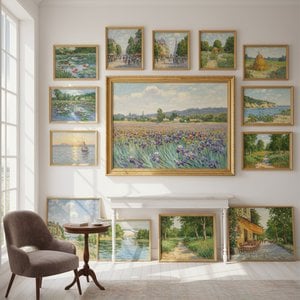
10 Arcydzieł Impresjonizmu Krajobrazowego: Sztuka, Artyści i Dekoracje Wnetrz
Odkryj 10 arcydzieł impresjonizmu krajobrazowego! Poznaj historie Monet, Renoir i innych mistrzów. Inspiracje wnętrzarskie, techniki malarskie i reprodukcje obrazów najwyższej jakości na ArtsDot.com. Eksploruj pełną kolekcję online!

