


 Podgląd w skali
 Wyślij jako kartkę
 Udostępnij
 Szczegóły dzieła

 Pobierz
 Podobne obiekty
 RTG
RTG Pokaz slajdów
Rinaldo und Armida
 Baroque Elegance
 1629
1629- Renaissance
 187.0 x 147.0 cm
 Galeria Obrazów Sanssouci
 Rozwiń treść
Giclée / Wydruk artystyczny
Druk giclée lub płótno o jakości muzealnej, szybka realizacja i szeroki wybór opcji wykończenia. ( Przełącz na obraz ręcznie malowany Przełącz na obraz)




P118B $10

P118H $10

P118W $10

P438Z $10

P508JH $12

P508YH $12

P805H $10

P805Z $10

P919BZ $10

P919G $10

P919XJ $10

P959ZH $10

P968JZ $12

W106C $8

W218G $10

W218JH $8

W218Y $10

W307PJ $10

W316G $10

W316PJ $8

W316Y $10

W398PJ $8

W4111J $10

W500HY $15

W500JH $15

W692G $12

W849H $8

W940BG $15

W953PJ $8




Wybierz spośród naszych standardowych rozmiarów, które zachowują oryginalne proporcje dzieła sztuki.

Możesz wprowadzić własne wymiary, aby dopasować dzieło do konkretnej ramy lub przestrzeni. Jeśli wybrany rozmiar nie będzie odpowiadał proporcjom oryginalnego obrazu, przytniecie dzieło lub rozszerzymy obraz za pomocą odbicia lustrzanego lub jednolitego wypełnienia krawędzi. Przed rozpoczęciem produkcji prześlemy cyfrową wizualizację do Twojej akceptacji.
Prosimy pamiętać, że podgląd na ekranie nie odzwierciedla faktycznego przycinania ani rozszerzania. Tylko wizualizacja dokładnie pokaże końcową kompozycję.
Mimo dostępności niestandardowych rozmiarów, zalecamy wybór wymiaru z listy zdefiniowanej, aby zachować oryginalne proporcje.
Dostawa na cały świat () w ciągu 2 tygodni zamiast standardowych 4/5 tygodni. (10 Sierpień)

Bezpłatna ekspresowa wysyłka na cały świat

Wysokiej jakości płótno lniane

Pełne ubezpieczenie przesyłki

Gwarancja zwrotu należności celnych i podatków importowych

Gwarancja wiernego odwzorowania kolorów

Polityka 60-dniowego zwrotu (tylko w przypadku wad)

Gwarancja 100% zwrotu kosztów

Zniżka przy zamówieniu wielu produktów
 Opcja ze szkłem jest dostępna wyłącznie w rozmiarach poniżej 110 cm

Rinaldo und Armida
Giclée / Wydruk artystyczny
Wymiary reprodukcji
-


Cena całkowita
$ 62
Opis kolekcjonerski
A Portrait of Majesty: Rinaldo and Armida by Sir Anthony van Dyck
Sir Anthony van Dyck’s “Rinaldo und Armida,” completed in 1629, stands as a testament to the grandeur and sophistication of Baroque portraiture—a genre that sought to capture not merely likeness but also character and aspiration. Executed during Van Dyck's prolific period at the English court under Charles I, this monumental canvas transcends mere representation; it embodies an idealized vision of heroic romance interwoven with profound psychological depth. Measuring 187 x 147 cm, the painting immediately commands attention with its masterful composition and luminous coloration—a hallmark of Rubens’ influence on Van Dyck's artistic sensibilities.The Baroque Vision: Drama and Light
The artwork firmly establishes itself within the stylistic conventions of the Baroque period. Like many paintings from this era, “Rinaldo und Armida” prioritizes dramatic lighting – a technique championed by Rubens – to sculpt form and heighten emotional impact. Notice how Van Dyck skillfully employs chiaroscuro, contrasting areas of intense illumination with deep shadows, creating an atmosphere of theatrical grandeur that draws the viewer into the scene’s narrative core. This deliberate manipulation of light isn't merely decorative; it serves to emphasize Rinaldo’s noble posture and Armida’s contemplative gaze, conveying a sense of inner turmoil alongside outward composure.A Narrative Tapestry: Rubensian Influence and Mythological Allegory
The painting draws heavily upon the epic poem “Orlando Furioso” by Ludovico Ariosto—a cornerstone of Renaissance humanist literature—providing a rich tapestry of mythological allusion and heroic drama. Rinaldo, Prince of Salerno, and Armida, enchantress summoned from Tartarus to seduce him, occupy center stage, their figures rendered with meticulous detail and imbued with palpable emotion. The inclusion of supporting characters – notably the man on the left and the three figures on the right—further enriches the narrative landscape, hinting at a larger world beyond the immediate interaction between the protagonists. These figures are strategically positioned to amplify the drama and underscore themes of temptation, loyalty, and divine intervention.Symbolism Embedded in Detail: Color Palette and Composition
Beyond its dramatic lighting and mythological references, “Rinaldo und Armida” is replete with symbolic elements subtly integrated into Van Dyck’s artistic choices. The dominant color palette—characterized by warm reds and golds—evokes notions of royalty, passion, and spiritual fervor—consistent with the aspirations of Charles I's court. Furthermore, the placement of the trees in the foreground serves as a visual anchor, grounding the scene in earthly reality while simultaneously symbolizing resilience and enduring beauty. The careful arrangement of figures contributes to an overall sense of balance and harmony, reflecting the Baroque ideal of order amidst complexity.Emotional Resonance: Capturing Inner States
Ultimately, Van Dyck’s achievement lies in his ability to convey profound psychological states—a feat accomplished through nuanced facial expressions and subtle gestures. Armida's contemplative gaze suggests a preoccupation with inner thoughts and emotions, hinting at the internal conflict inherent in her predicament. Rinaldo’s posture exudes confidence and nobility, yet beneath the surface lurks an awareness of the perilous allure of Armida’s enchantment. This masterful depiction of human psychology elevates “Rinaldo und Armida” beyond mere visual spectacle—transforming it into a timeless portrait that continues to resonate with viewers centuries later.Podobne dzieła


O artyście
A Flemish Master at the Courts of Europe
Sir Anthony van Dyck, born in Antwerp in 1599, emerged as one of the most celebrated and influential portraitists of the Baroque era. His life, though tragically cut short at just forty-two years old, was a whirlwind of artistic exploration and prestigious commissions that took him from his native Flanders to Italy and ultimately to the heart of the English court. From an early age, van Dyck displayed remarkable talent, entering Hendrick van Balen’s workshop as a young apprentice and quickly absorbing the prevailing styles of the time. However, it was his association with Peter Paul Rubens – not merely as a student but as a collaborator – that truly shaped his artistic foundation. He learned from Rubens' dynamic compositions, rich color palettes, and masterful handling of light and shadow, yet van Dyck soon began to forge his own distinct path, one characterized by an elegance and refinement that would become his signature. This early apprenticeship instilled in him a deep understanding of anatomy, perspective, and the dramatic use of color – elements he skillfully integrated into his later works.Italian Sojourns and the Birth of a Style
The years van Dyck spent in Italy, beginning around 1621, proved pivotal in his artistic development. He resided primarily in Genoa, where he found favor among the city’s aristocratic families. It was here that he began to cultivate the sophisticated style for which he would become renowned – a style marked by graceful poses, luxurious fabrics, and an almost palpable sense of nobility. Unlike the robust energy often found in Rubens' work, van Dyck’s Italian portraits exuded a refined composure, capturing not just physical likeness but also the inner character and social standing of his sitters. He meticulously studied the works of Titian and other Venetian masters, adopting their use of light and shadow to create dramatic effects and emphasizing the beauty of the human form. During this period, he also embarked on his *Iconography*, a series of meticulously rendered portrait etchings featuring prominent figures of his time – artists, scholars, and rulers alike. This project showcased his exceptional technical skill and established him as a leading printmaker; it was a deliberate effort to elevate the status of the artist himself, presenting portraits alongside works of art and literature. These etchings weren’t simply records; they were carefully constructed images designed to immortalize the subjects and convey their status and intellect.The King's Painter: Van Dyck in England
In 1632, van Dyck received an invitation that would forever alter his career trajectory – a summons from Charles I of England to become the court painter. This appointment marked a turning point, not only for van Dyck but also for English portraiture. He arrived in London with a considerable reputation and quickly became indispensable to the king, tasked with creating images that projected an aura of power, majesty, and divine right. Van Dyck’s portraits of Charles I are particularly noteworthy; he moved away from the stiff, formal representations favored by earlier artists, instead portraying the king as a dynamic, charismatic leader. He employed innovative techniques – dramatic lighting, sweeping gestures, and carefully chosen backgrounds – to create images that were both visually stunning and politically charged. His influence extended beyond the royal family, shaping the visual culture of the English aristocracy for generations to come. He didn’t just paint portraits; he crafted an image of kingship, influencing how royalty was perceived for over a century. The court demanded a new kind of portraiture – one that captured not just appearance but also character and authority, and van Dyck delivered precisely that.Legacy and Enduring Influence
Van Dyck's untimely death in 1641 robbed the art world of a prodigious talent, but his legacy endures to this day. His impact on English portraiture is immeasurable; he established a standard of elegance and sophistication that subsequent artists would strive to emulate.- Technical Innovation: He was a master of both oil painting and etching, constantly experimenting with new techniques – particularly in the use of light and shadow to create depth and drama.
- Stylistic Refinement: His portraits are characterized by their graceful poses, luxurious fabrics, and subtle psychological insights; he possessed an uncanny ability to capture the essence of his sitters.
- Courtly Influence: He transformed the image of the English monarchy, creating a visual language of power and prestige that resonated throughout the nation.
Key Influences
Van Dyck’s artistic development was shaped by a confluence of influences. Initially, he studied under Hendrick van Balen, absorbing the Northern Renaissance style characterized by detailed realism and meticulous observation. However, it was his association with Peter Paul Rubens that proved transformative. Rubens' dynamic compositions, rich color palettes, and masterful use of light and shadow profoundly impacted van Dyck’s approach to painting. Furthermore, his time in Italy exposed him to the Venetian masters, particularly Titian, whose loose brushwork and emphasis on atmospheric perspective influenced his later style. The influence of these diverse sources combined to create a unique artistic voice that would define van Dyck's legacy as one of the greatest portraitists of all time.
Antoni van Dyck
1599 - 1641 , Belgia
Krótka nota
- Artistic Movement Or Style: Barokowy
- Artists Or Movements Influenced By This Artist: ['Angielskie malarstwo']
- Artists Who Influenced This Artist: ['Rubens']
- Date Of Birth: 22 marca 1599
- Date Of Death: 9 grudnia 1641
- Full Name: Sir Anthony van Dyck
- Nationality: Flamandzki
- Notable Artworks:
- Portret kobiety
- Portret Karola I
- Lord John Stuart
- Place Of Birth: Antwerp, Belgia
Powiązane artykuły
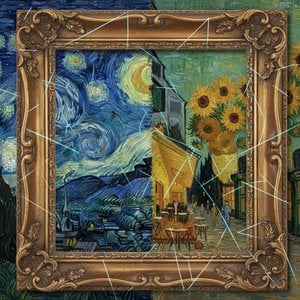
25 Najlepszych Obrazów Vincenta van Gogha – Galeria Sztuki Online | ArtsDot
Odkryj 25 najsłynniejszych obrazów Vincenta van Gogha! Poznaj historie, techniki i emocje kryjące się za 'Gwieździstą noc', 'Słonecznikami' i innymi arcydziełami. Reprodukcje najwyższej jakości na ArtsDot.com – inspiracje dla Twojego wnętrza.

Sir Anthony van Dyck: Courtly Portraiture & the Shaping of Baroque Identity
Explore the life & legacy of Sir Anthony van Dyck, the leading court painter of his era. Discover his innovative portraiture, Baroque masterpieces, and investment potential for discerning collectors. Learn more at ArtsDot.

Potęga i Emocje w Portrecie Barokowym: Innowacje Artystyczne i Odzwierciedlenie Epoki
Odkryj potęgę i emocje w portrecie barokowym! Analiza innowacyjnych technik malarskich, realizmu Velázqueza i wpływu sztuki na społeczeństwo. Ekspercka wiedza o historii i interpretacji dzieł.

Rembrandt van Rijn: 25 Najwybitniejszych Dzieł Sztuki – Reprodukcje i Inspiracje do Wnętrz
Poznaj 25 arcydzieł Rembrandta van Rijn! Odkryj fascynujące historie, techniki i wpływ holenderskiego mistrza baroku na świat sztuki. Reprodukcje obrazów najwyższej jakości – inspiracje do wnętrz na ArtsDot.com

Barokowe arcydzieła: 10 obrazów, które zdefiniowały epokę | ArtsDot.com
Odkryj 10 arcydzieł baroku! Caravaggio, Rembrandt, Rubens i inni artyści, którzy zdefiniowali epokę. Poznaj historie, techniki i inspiracje tych niezwykłych obrazów. Reprodukcje najwyższej jakości na ArtsDot.com – idealne do Twojego wnętrza!



