


 Podgląd w skali
 Wyślij jako kartkę
 Udostępnij
 Szczegóły dzieła

 Pobierz
 Podobne obiekty
 RTG
RTG Pokaz slajdów
 Statystyki
A Piper
 Oil On Canvas
- WallArt
- Impressionism
 Modern
 79.0 x 100.0 cm
 Rozwiń treść
Giclée / Wydruk artystyczny
Druk giclée lub płótno o jakości muzealnej, szybka realizacja i szeroki wybór opcji wykończenia. ( Zamów ręcznie malowaną reprodukcję Przełącz na obraz cyfrowy)




P118B $10

P118H $10

P118W $10

P438Z $10

P508JH $12

P508YH $12

P805H $10

P805Z $10

P919BZ $10

P919G $10

P919XJ $10

P959ZH $10

P968JZ $12

W106C $8

W218G $10

W218JH $8

W218Y $10

W307PJ $10

W316G $10

W316PJ $8

W316Y $10

W398PJ $8

W4111J $10

W500HY $15

W500JH $15

W692G $12

W849H $8

W940BG $15

W953PJ $8




Wybierz spośród naszych standardowych rozmiarów, które zachowują oryginalne proporcje dzieła sztuki.

Możesz wprowadzić własne wymiary, aby dopasować dzieło do konkretnej ramy lub przestrzeni. Jeśli wybrany rozmiar nie będzie odpowiadał proporcjom oryginalnego obrazu, przytniecie dzieło lub rozszerzymy obraz za pomocą odbicia lustrzanego lub jednolitego wypełnienia krawędzi. Przed rozpoczęciem produkcji prześlemy cyfrową wizualizację do Twojej akceptacji.
Prosimy pamiętać, że podgląd na ekranie nie odzwierciedla faktycznego przycinania ani rozszerzania. Tylko wizualizacja dokładnie pokaże końcową kompozycję.
Mimo dostępności niestandardowych rozmiarów, zalecamy wybór wymiaru z listy zdefiniowanej, aby zachować oryginalne proporcje.
Dostawa na cały świat () w ciągu 2 tygodni zamiast standardowych 4/5 tygodni. (10 Wrzesień)

Bezpłatna ekspresowa wysyłka na cały świat

Wysokiej jakości płótno lniane

Pełne ubezpieczenie przesyłki

Gwarancja zwrotu należności celnych i podatków importowych

Gwarancja wiernego odwzorowania kolorów

100-dniowa polityka zwrotów (tylko w przypadku wad)

Gwarancja 100% zwrotu kosztów

Zniżka przy zamówieniu wielu produktów
 Opcja ze szkłem jest dostępna wyłącznie w rozmiarach poniżej 110 cm

A Piper
Giclée / Wydruk artystyczny
Wymiary reprodukcji
-


Cena całkowita
$ 62
A Symphony of Resilience: The Soul of A Piper
In the evocative canvas of Sir Alfred James Munnings, we find more than just a depiction of military life; we encounter a profound moment of human connection suspended in time. A Piper transports the viewer to a coastal enclave during the tumultuous era of wartime, where the air is thick with both the tension of conflict and the warmth of camaraderie. At the heart of this bustling scene stands the piper, a solitary figure whose music serves as an invisible thread weaving together a disparate group of soldiers and horses. The composition is masterfully dynamic, pulling the eye through a crowded, energetic gathering that feels almost palpable in its movement. As we gaze upon the figures clustered around the musician, there is a sense of shared respite, a fleeting sanctuary found within the melody amidst the encroaching shadows of war.
The technical brilliance of this piece lies in Munnings’s ability to marry Impressionistic fluidity with a rugged, tactile reality. Utilizing an impasto technique, the artist applies oil paint with a deliberate, expressive hand, allowing thick layers of pigment to catch the light and create a physical texture that mimics the coarse fabrics of uniforms and the sturdy coats of horses. The color palette is a sophisticated study in earth tones—rich browns, muted greens, and sandy tans—which ground the scene in a sense of historical weight. Yet, these somber hues are punctuated by sudden, spirited accents of red and soft blues, mirroring the unpredictable energy of the crowd. This interplay of light and shadow, particularly the warm, late-afternoon glow that bathes the landscape, lends the work an atmospheric depth that makes the distant, hazy hills feel both reachable and infinitely far away.
Symbolism and the Spirit of Tradition
Beyond its surface beauty, A Piper functions as a poignant symbol of cultural endurance. The piper himself acts as a totem of tradition, representing the persistence of art and culture even when faced with the chaos of global upheaval. To the discerning collector or interior designer, this painting offers a narrative of hope and resilience. The presence of the horse, a recurring motif in Munnings’s celebrated oeuvre, adds a layer of pastoral grace to the military setting, softening the harshness of the wartime context with the timeless rhythm of rural life. The composition, though crowded, achieves a harmonious balance through organic shapes and a flattened perspective that emphasizes the intimacy of the group.
For those seeking to adorn a space with art that inspires conversation and emotional depth, this reproduction offers an unparalleled opportunity. It is a piece that does not merely decorate a wall but breathes life into a room, providing a focal point that invites contemplation on the human condition. Whether placed in a grand gallery or a sophisticated private study, A Piper serves as a window into a vanishing world—a beautifully rendered tribute to the strength found in melody and the unbreakable bonds of companionship during our most challenging historical chapters.
Podobne dzieła


O artyście
A Life Immersed in Equine Grace
Sir Alfred James Munnings, a name inextricably linked to the vibrant depiction of horses and the romantic allure of rural England, occupies a pivotal position within 20th-century British art. Born in 1878 amidst the rolling landscapes of Suffolk, his life was profoundly shaped by an enduring connection with the equine world – a bond that would define his artistic vision and propel him to prominence. Munnings wasn’t simply recording what he saw; he was preserving a feeling, an atmosphere, a world poised on the brink of irreversible change. He captured a vanishing way of life, a keenly observed portrait of Britain steeped in tradition, hunting, and the rhythms of the countryside. His work stands as a testament to his deep appreciation for the beauty of the English landscape and the magnificent creatures that inhabit it.From Rural Beginnings to Artistic Development
Munnings’s artistic journey began not within the formal confines of an academy, but in the practical world of a Norwich printing house. This apprenticeship honed his skills in design and observation while simultaneously allowing him to pursue studies at the Norwich School of Art. It was a formative period, instilling a discipline that would serve him well as he navigated the challenges of establishing himself as an artist. Early influences included the plein air painters of the Newlyn School in Cornwall, where he embraced their commitment to capturing light and atmosphere directly from nature. This immersion in Impressionistic techniques laid the groundwork for his signature style – loose brushwork, a vibrant palette, and a palpable sense of movement. His early works often depicted rural scenes, particularly those featuring gypsies and horses roaming the Suffolk countryside, imbued with a romantic sensibility that showcased his growing mastery of color and light. These paintings weren’t merely representations; they were expressions of a deep affection for the land and its inhabitants. The influence of artists like Frederic Leighton is evident in the idealized beauty of some of these early works, yet Munnings quickly developed his own distinctive style, prioritizing observation and capturing the essence of rural life over strict academic conventions.War, Recognition, and a Champion of Tradition
The First World War profoundly shaped both Munnings's artistic perspective and his public profile. Though initially deemed unfit for combat, he served as an official war artist with the Canadian Cavalry Brigade, documenting the vital role horses played in the conflict. This experience brought him face-to-face with the harsh realities of war – the suffering, the loss, and the enduring bond between humans and animals. His paintings from this period are not glorifications of battle, but poignant reflections on sacrifice and resilience, capturing a somber beauty amidst devastation. The images he produced during this time are considered some of his most powerful and emotionally resonant works. Following the war, Munnings’s reputation soared. Prestigious commissions poured in, allowing him to acquire Castle House, a magnificent estate in Dedham, Essex – a property that would become both his home and studio for the remainder of his life. He became a sought-after portraitist, capturing the likenesses of prominent figures from the aristocracy and racing world. His ability to convey not only physical resemblance but also character and spirit cemented his reputation as one of Britain’s leading artists. However, Munnings was also a staunch defender of traditional artistic values, often expressing his views with passionate conviction.A Controversial Voice and Enduring Legacy
Munnings's artistic philosophy was deeply rooted in tradition, and he became a vocal critic of the burgeoning modernist movements that were challenging conventional notions of art. His famous – and often controversial – 1949 BBC radio broadcast saw him launch a scathing attack on Cubism and Surrealism, delivered with characteristic candor (and reportedly fueled by alcohol). While his remarks sparked outrage among proponents of modern art, they also resonated with those who valued representational painting and the enduring power of artistic skill. He wasn’t simply resisting change for its own sake; he believed in the importance of preserving artistic standards and celebrating beauty in its traditional forms. This conviction culminated in his election as President of the Royal Academy in 1944, a position he held until 1949, solidifying his status within the British art establishment. He was knighted Bachelor in 1944 and appointed a Knight Commander of the Royal Victorian Order in 1947, further acknowledging his contributions to the nation’s cultural life. Sir Alfred James Munnings left behind a vast and compelling body of work that continues to captivate audiences today. His paintings offer a window into a bygone era – a world of horses, hunting, and rural landscapes that has largely disappeared. The Munnings Art Museum, established by his wife Violet at Castle House, serves as a testament to his enduring legacy, preserving his art and providing a space for future generations to appreciate his unique vision. Beyond the technical brilliance of his paintings, it is Munnings’s ability to evoke emotion that truly sets him apart. He captured not just the physical beauty of horses, but also their spirit, their power, and their connection to the human heart. His work remains a powerful reminder of the enduring appeal of representational painting and the importance of preserving artistic traditions in an ever-changing world.Major Achievements
- Royal Academy President: Elected President of the Royal Academy in 1944, serving until 1949.
- Knighthood: Knighted Bachelor in 1944 and appointed a Knight Commander of the Royal Victorian Order in 1947.
- War Artist Commissions: Recognized for his work documenting the Canadian Cavalry during WWI.
- Sculptural Work: Created sculptures, including an equestrian statue of Edward Horner.

Alfred Munnings
1878 - 1959 , Wielka Brytania
Krótka nota
- Artistic Movement Or Style: Impressionizm
- Artists Or Movements Influenced By This Artist: ['Nowoczesność']
- Artists Who Influenced This Artist: ['Piotrowie Szkoła']
- Date Of Birth: 1878
- Date Of Death: 1959
- Full Name: Sir Alfred James Munnings
- Nationality: Brytyjski
- Notable Artworks:
- The Fancy Dress Ball
- A Piper
- Sky Study -
- Place Of Birth: Mendham Township, UK
Powiązane artykuły

The Noble Steed on Canvas: A Historical & Artistic Exploration of Horse Painting Across Cultures
Explore the rich history of horse painting! Discover masterpieces from Stubbs to Munnings & learn about symbolism, techniques & artists. Find museum-quality reproductions at ArtsDot.

Impressionistic Realism's Finest: 10 Masterpieces for Your Home | ArtsDot
Journey through Impressionistic Realism with 10 iconic masterpieces by Monet, Renoir & Van Gogh. Explore art history, techniques & find museum-quality reproductions for your home at ArtsDot.com. Discover all masterpieces online!

Konie jako Muzy w Sztuce: Historyczna i Artystyczna Eksploracja Końskiego Wizerunku
Odkryj fascynującą historię koni w sztuce! Eksploracja końskiego wizerunku od mitologii po współczesność. Analiza symboliki, gatunków i wpływowych dzieł malarskich. Poznaj bogactwo artystycznej interpretacji konia.

Pierre-Auguste Renoir: 25 Arcydzieł Pełnych Światła i Uroków | ArtsDot.com
Odkryj 25 najpiękniejszych obrazów Pierre’a-Auguste Renoir! Poznaj historię impresjonizmu, światło w jego malarstwie i arcydzieła takie jak 'Taniec w Le Moulin de la Galette'. Reprodukcje najwyższej jakości na ArtsDot.com – inspiracje dla Twojego wnętrza.
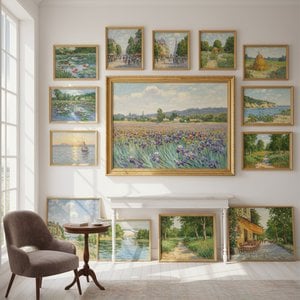
10 Arcydzieł Impresjonizmu Krajobrazowego: Sztuka, Artyści i Dekoracje Wnetrz
Odkryj 10 arcydzieł impresjonizmu krajobrazowego! Poznaj historie Monet, Renoir i innych mistrzów. Inspiracje wnętrzarskie, techniki malarskie i reprodukcje obrazów najwyższej jakości na ArtsDot.com. Eksploruj pełną kolekcję online!


