

 Podgląd w skali 1:1
 Wyślij jako kartkę
 Udostępnij
 Szczegóły dzieła
 Przewodnik

 Pobierz obraz
 Podobne obiekty
 RTG
RTG Pokaz slajdów
 Q&A
Q&A Statystyki
A Cloud Study

- 36.0 x 46.0 cm


 Rozwiń treść
Dzieło sztuki prezentowane na tej stronie podlega ochronie prawem autorskim, co oznacza, że nie mamy prawa do tworzenia ani sprzedaży jego identycznej reprodukcji. Ochrona ta jest egzekwowana na mocy umów międzynarodowych, takich jak Konwencja berneńska oraz przez przepisy prawa krajowego, w tym te określone w Prawo autorskie USA – Tytuł 17.
Metoda ta jest w pełni zgodna z przepisami prawa autorskiego, ponieważ nie polega na kopiowaniu ani powielaniu chronionego dzieła. Stanowi ona kreatywną reinterpretację – nowy obraz, który czerpie inspirację z oryginału, ale nie jest z nim tożsamy.
Giclée / Wydruk artystyczny
Wydruki giclée lub płótna o jakości muzealnej, szybka realizacja i szeroki wybór opcji wykończenia. ( Zamów ręcznie malowaną reprodukcję Przejdź do wersji cyfrowej)




P118B zł10

P118H zł10

P118W zł10

P438Z zł10

P508JH zł12

P508YH zł12

P805H zł10

P805Z zł10

P919BZ zł10

P919G zł10

P919XJ zł10

P959ZH zł10

P968JZ zł12

W106C zł8

W218G zł10

W218JH zł8

W218Y zł10

W307PJ zł10

W316G zł10

W316PJ zł8

W316Y zł10

W398PJ zł8

W4111J zł10

W500HY zł15

W500JH zł15

W692G zł12

W849H zł8

W940BG zł15

W953PJ zł8




Wybierz spośród naszych standardowych rozmiarów, które zachowują oryginalne proporcje dzieła sztuki.

Wpisz wymaganą szerokość i wysokość, aby dopasować grafikę do ramy lub ściany. Wydruk można jedynie przyciąć, nigdy nie powiększając go poza oryginalny obraz, dlatego format o innych proporcjach spowoduje utratę części kompozycji. Przed rozpoczęciem druku prześlemy Ci cyfrowy podgląd do zatwierdzenia. Obraz wyświetlany na tej stronie nie pokazuje rzeczywistego przycięcia — jedynie podgląd oddaje ten efekt.
Dostawa na cały świat () w ciągu 2 tygodni zamiast standardowych 4/5 tygodni. (3 Listopad)

Bezpłatna ekspresowa wysyłka na cały świat

Wysokiej jakości płótno lniane

Pełne ubezpieczenie przesyłki

Gwarancja zwrotu należności celnych i podatków importowych

Gwarancja wiernego odwzorowania kolorów

100-dniowa polityka zwrotów (tylko w przypadku wad)

Gwarancja 100% zwrotu pieniędzy

Zniżka przy zakupie wielu sztuk
 Opcja ze szkłem jest dostępna wyłącznie w rozmiarach poniżej 110 cm

A Cloud Study
Giclée / Wydruk artystyczny
Wymiary reprodukcji
-


Cena całkowita
zł 241
A Cloud Study by Sir Alfred James Munnings: Capturing Ephemeral Beauty
Sir Alfred James Munnings’ “Cloud Study,” executed around 1906, stands as a quintessential example of Impressionistic landscape painting and embodies the spirit of British sporting art at the turn of the century. More than just a depiction of a dramatic Exmoor sky, it's an exploration of atmosphere, light, and emotion—a testament to Munnings’ ability to distill complex sensations into a deceptively simple visual form. This artwork resides within The Munnings Art Museum in Colchester, UK, offering visitors a chance to immerse themselves in the artist’s world and appreciate his enduring legacy.Subject Matter & Composition: A Moment Frozen in Time
The painting captures a tempestuous Exmoor vista dominated by towering cumulonimbus clouds – swirling masses of grey and white that convey an overwhelming sense of dynamism and impending rain. Munnings skillfully eschews precise representation, prioritizing instead the feeling of the scene. The horizontal composition emphasizes the vastness of the sky and sea, mirroring the grandeur of the natural world and reflecting a Romantic sensibility prevalent during his time. Unlike traditional landscapes focused on detailed topographical accuracy, “Cloud Study” prioritizes capturing the ephemeral quality of light and weather conditions—a hallmark of Impressionism’s core principles.Technique & Style: Loose Brushstrokes and Atmospheric Perspective
Munnings employed oil paint with a characteristic loose brushstroke technique, applying thick impasto – heavily textured paint – to build up layers of color and create palpable surface energy. Visible brushstrokes aren't merely accidental; they are deliberate choices designed to convey movement and texture—the turbulent winds whipping across the moorland and the restless churning of the ocean beneath. Munnings skillfully utilizes atmospheric perspective, subtly blurring details in the distant horizon to suggest depth and creating a sense of recession into the landscape. This technique contributes significantly to the painting’s melancholic mood and reinforces its impressionistic aesthetic.Historical Context & Artistic Influences: Echoes of Romanticism
“Cloud Study” emerged during a period marked by significant artistic experimentation and shifting sensibilities—the waning years of Victorian England saw a growing fascination with untamed landscapes and an embrace of subjective experience. Munnings’ work draws heavily from the Romantic tradition, particularly the emphasis on emotion and imagination as pathways to understanding nature. Artists like John Constable and Frederic Church championed similar approaches, prioritizing expressive color palettes and capturing the sublime beauty of wilderness—influences that undeniably shaped Munnings' artistic vision.Symbolism & Emotional Impact: Beyond Representation
While devoid of overt symbolic imagery beyond the inherent associations of clouds and water with weather and grandeur, “Cloud Study” speaks volumes about the artist’s psychological state and his desire to convey a profound emotional response to the natural world. The muted color palette—predominantly cool blues and greys—underscores the painting's somber mood, mirroring the brooding atmosphere of an approaching storm. More than simply depicting what Munnings saw; he sought to capture how he *felt* – conveying a sense of awe, vulnerability, and contemplation before the immensity of nature’s power. It remains a captivating piece for anyone seeking inspiration from British Impressionism.Additional Resources
- Cloud Study - Admire 'Cloud Study' by Sir Alfred Munnings – a captivating British sporting painting. Explore his evocative landscapes & discover this unique artwork.
- Sir Alfred James Munnings - Discover England’s foremost horse painter! Explore vibrant Impressionistic scenes of hunting, racing & rural life. A passionate defender of traditional art.
- The Munnings Art Museum - Discover Sir Alfred Munnings' world at his Dedham home & studio! Explore iconic horse paintings, drawings & equestrian art. Open Wed-Sun + Bank Holidays.
- The Munnings Art Museum - Explore Sir Alfred Munnings' former home in Colchester! Discover British sporting paintings, his studio reconstruction & historic gardens – open Wed-Sun until Oct 26th.
- Sir John Watson Gordon: A Study in Scottish Landscape Painting & Tonal Impressionism - Explore the captivating portraits of Sir John Watson Gordon, a leading Scottish master. Discover his evolution from neoclassical style to atmospheric Tonalism and influence on 19th-century British art.
Pytania i odpowiedzi
Z jakiej techniki wykorzystano "A Cloud Study"?
„A Cloud Study” wykonano w technice Oil On Canvas.
Jaki format i orientacja druku są sugerowane dla „A Cloud Study” – Alfred Munnings?
W przypadku "A Cloud Study" zalecanym formatem wydruku jest rozmiar Medium w orientacji Landscape.
Czy „A Cloud Study” – Alfred Munnings to jasne czy ciemne dzieło?
Pod względem postrzeganej jasności, „A Cloud Study” – Alfred Munnings jest balanced.
Podobne dzieła


Biografia artysty
A Life Immersed in Equine Grace
Sir Alfred James Munnings, a name inextricably linked to the vibrant depiction of horses and the romantic allure of rural England, occupies a pivotal position within 20th-century British art. Born in 1878 amidst the rolling landscapes of Suffolk, his life was profoundly shaped by an enduring connection with the equine world – a bond that would define his artistic vision and propel him to prominence. Munnings wasn’t simply recording what he saw; he was preserving a feeling, an atmosphere, a world poised on the brink of irreversible change. He captured a vanishing way of life, a keenly observed portrait of Britain steeped in tradition, hunting, and the rhythms of the countryside. His work stands as a testament to his deep appreciation for the beauty of the English landscape and the magnificent creatures that inhabit it.From Rural Beginnings to Artistic Development
Munnings’s artistic journey began not within the formal confines of an academy, but in the practical world of a Norwich printing house. This apprenticeship honed his skills in design and observation while simultaneously allowing him to pursue studies at the Norwich School of Art. It was a formative period, instilling a discipline that would serve him well as he navigated the challenges of establishing himself as an artist. Early influences included the plein air painters of the Newlyn School in Cornwall, where he embraced their commitment to capturing light and atmosphere directly from nature. This immersion in Impressionistic techniques laid the groundwork for his signature style – loose brushwork, a vibrant palette, and a palpable sense of movement. His early works often depicted rural scenes, particularly those featuring gypsies and horses roaming the Suffolk countryside, imbued with a romantic sensibility that showcased his growing mastery of color and light. These paintings weren’t merely representations; they were expressions of a deep affection for the land and its inhabitants. The influence of artists like Frederic Leighton is evident in the idealized beauty of some of these early works, yet Munnings quickly developed his own distinctive style, prioritizing observation and capturing the essence of rural life over strict academic conventions.War, Recognition, and a Champion of Tradition
The First World War profoundly shaped both Munnings's artistic perspective and his public profile. Though initially deemed unfit for combat, he served as an official war artist with the Canadian Cavalry Brigade, documenting the vital role horses played in the conflict. This experience brought him face-to-face with the harsh realities of war – the suffering, the loss, and the enduring bond between humans and animals. His paintings from this period are not glorifications of battle, but poignant reflections on sacrifice and resilience, capturing a somber beauty amidst devastation. The images he produced during this time are considered some of his most powerful and emotionally resonant works. Following the war, Munnings’s reputation soared. Prestigious commissions poured in, allowing him to acquire Castle House, a magnificent estate in Dedham, Essex – a property that would become both his home and studio for the remainder of his life. He became a sought-after portraitist, capturing the likenesses of prominent figures from the aristocracy and racing world. His ability to convey not only physical resemblance but also character and spirit cemented his reputation as one of Britain’s leading artists. However, Munnings was also a staunch defender of traditional artistic values, often expressing his views with passionate conviction.A Controversial Voice and Enduring Legacy
Munnings's artistic philosophy was deeply rooted in tradition, and he became a vocal critic of the burgeoning modernist movements that were challenging conventional notions of art. His famous – and often controversial – 1949 BBC radio broadcast saw him launch a scathing attack on Cubism and Surrealism, delivered with characteristic candor (and reportedly fueled by alcohol). While his remarks sparked outrage among proponents of modern art, they also resonated with those who valued representational painting and the enduring power of artistic skill. He wasn’t simply resisting change for its own sake; he believed in the importance of preserving artistic standards and celebrating beauty in its traditional forms. This conviction culminated in his election as President of the Royal Academy in 1944, a position he held until 1949, solidifying his status within the British art establishment. He was knighted Bachelor in 1944 and appointed a Knight Commander of the Royal Victorian Order in 1947, further acknowledging his contributions to the nation’s cultural life. Sir Alfred James Munnings left behind a vast and compelling body of work that continues to captivate audiences today. His paintings offer a window into a bygone era – a world of horses, hunting, and rural landscapes that has largely disappeared. The Munnings Art Museum, established by his wife Violet at Castle House, serves as a testament to his enduring legacy, preserving his art and providing a space for future generations to appreciate his unique vision. Beyond the technical brilliance of his paintings, it is Munnings’s ability to evoke emotion that truly sets him apart. He captured not just the physical beauty of horses, but also their spirit, their power, and their connection to the human heart. His work remains a powerful reminder of the enduring appeal of representational painting and the importance of preserving artistic traditions in an ever-changing world.Major Achievements
- Royal Academy President: Elected President of the Royal Academy in 1944, serving until 1949.
- Knighthood: Knighted Bachelor in 1944 and appointed a Knight Commander of the Royal Victorian Order in 1947.
- War Artist Commissions: Recognized for his work documenting the Canadian Cavalry during WWI.
- Sculptural Work: Created sculptures, including an equestrian statue of Edward Horner.

Alfred Munnings
1878 - 1959 , Wielka Brytania
Krótka nota
- Artistic Movement Or Style: Impressionizm
- Artists Or Movements Influenced By This Artist: ['Nowoczesność']
- Artists Who Influenced This Artist: ['Piotrowie Szkoła']
- Date Of Birth: 1878
- Date Of Death: 1959
- Full Name: Sir Alfred James Munnings
- Nationality: Brytyjski
- Notable Artworks:
- The Fancy Dress Ball
- A Piper
- Sky Study -
- Place Of Birth: Mendham Township, UK
Powiązane artykuły

10 Arcydzieł Impresjonizmu Krajobrazowego, Które Zdefiniowały Sztukę
Odkryj 10 arcydzieł impresjonizmu krajobrazowego! Poznaj historie Moneta, Renoir'a i Van Gogha. Inspiracje wnętrzarskie, techniki malarskie i piękne reprodukcje obrazów na ArtsDot.com. Eksploruj kolekcję online!

Alfred Sisley: Capturing the Ephemeral Essence of Impressionist Landscape
Explore the life & art of Alfred Sisley, a master of Impressionist landscape painting. Discover his dedication to 'en plein air' techniques and serene depictions of nature. Learn about his legacy & find high-quality reproductions at ArtsDot.
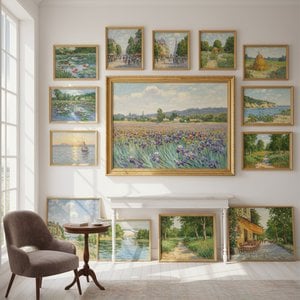
10 Arcydzieł Impresjonizmu Krajobrazowego: Sztuka, Artyści i Dekoracje Wnetrz
Odkryj 10 arcydzieł impresjonizmu krajobrazowego! Poznaj historie Monet, Renoir i innych mistrzów. Inspiracje wnętrzarskie, techniki malarskie i reprodukcje obrazów najwyższej jakości na ArtsDot.com. Eksploruj pełną kolekcję online!

John Constable: 25 Najlepszych Obrazów Mistrza Angielskiego Krajobrazu | ArtsDot
Odkryj 25 arcydzieł Johna Constable'a – mistrza angielskiego krajobrazu! Poznaj romantyczne pejzaże, technikę malarską i inspiracje z Dedham Vale. Reprodukcje obrazów najwyższej jakości na ArtsDot.com. Eksploruj pełną kolekcję online!

Sir Alfred James Munnings: 25 Arcydzieł Malarstwa Koni i Angielskiej Wsi | ArtsDot.com
Odkryj 25 arcydzieł Sir Alfreda Jamesa Munningsa – mistrza malarstwa koni i angielskiego krajobrazu. Poznaj historię, technikę i piękno jego obrazów. Reprodukcje najwyższej jakości na ArtsDot.com! Eksploruj pełną kolekcję online.


