


 Zobacz w skali 1:1
 Wyślij
 Udostępnij
 Szczegóły
 Guide
Guide

 Pobierz plik obrazu
 Podobne obiekty
 RTG
RTG Pokaz slajdów
 Statystyki
Grass and Insects


 Czytaj więcej
Ręcznie malowana reprodukcja olejowa
Ręcznie malowany obraz olejny na płótnie, wykonany na zamówienie przez naszych artystów w wybranym przez Ciebie wymiarze i oprawie. ( Przełącz na wersję drukowaną Przełącz na wersję cyfrową)




P118B $10

P118H $10

P118W $10

P438Z $10

P508JH $12

P508YH $12

P805H $10

P805Z $10

P919BZ $10

P919G $10

P919XJ $10

P959ZH $10

P968JZ $12

W106C $8

W218G $10

W218JH $8

W218Y $10

W307PJ $10

W316G $10

W316PJ $8

W316Y $10

W398PJ $8

W4111J $10

W500HY $15

W500JH $15

W692G $12

W849H $8

W940BG $15

W953PJ $8




Wybierz spośród naszych standardowych rozmiarów, które zachowują oryginalne proporcje dzieła sztuki.

Możesz wprowadzić własne wymiary, aby dopasować obraz do konkretnej ramy lub przestrzeni. Jeśli wybrany rozmiar nie będzie odpowiadał proporcjom oryginału, przytniecie dzieło sztuki lub rozszerzymy je o dodatkowe elementy, ręcznie domalowane przez artystę. Przed rozpoczęciem produkcji wyślemy projekt cyfrowy do Twojej akceptacji.
Należy pamiętać, że podgląd na ekranie nie odzwierciedla rzeczywistego przycinania ani rozszerzania obrazu. Tylko projekt dokładnie pokaże ostateczną kompozycję.
Choć oferujemy możliwość zamówienia niestandardowych rozmiarów, zalecamy wybór wymiaru z gotowej listy, aby zachować oryginalne proporcje dzieła.
Po złożeniu zamówienia zespół ArtsDot.com skontaktuje się z klientem drogą mailową w celu uzyskania instrukcji i prześle wizualizację projektu
Dostawa na całym świecie () w ciągu 3–4 tygodni zamiast standardowych 5 tygodni. (20 Wrzesień). Bez kompromisów w kwestii jakości.

Bezpłatna ekspresowa wysyłka na cały świat

Wysokiej jakości płótno lniane

Pełne ubezpieczenie transportowe

Gwarancja zwrotu należności celnych i podatków importowych

Gwarancja idealnego odwzorowania barw

100-dniowy okres na zwrot dzieła w przypadku wykrycia wad produkcyjnych

Gwarancja 100% zwrotu pieniędzy

Oferta przy zakupie wielu sztuk
 Opcja ze szkłem jest dostępna wyłącznie w rozmiarach poniżej 110 cm

Grass and Insects
Technika wykonania
Rozmiar reprodukcji
-


Suma do zapłaty
$ 263
Shin Saimdang’s “Grass and Insects”: A Window into Joseon Life
“Grass and Insects,” a captivating panel from Shin Saimdang’s renowned ten-panel folding screen, offers a remarkably intimate glimpse into the world of 16th-century Korea. More than just a beautiful depiction of nature, this artwork embodies the artistic sensibilities, philosophical leanings, and profound life experiences of one of Joseon Dynasty's most celebrated female figures – Shin Saimdang herself. The piece, currently housed within the National Museum of Korea in Seoul, is not merely a painting; it’s a carefully constructed microcosm reflecting her world, her values, and her enduring legacy.
At first glance, “Grass and Insects” presents a vibrant tapestry of meticulously rendered flora and fauna. Delicate grasses sway gently, interspersed with the intricate details of wildflowers – poppies bursting with crimson, hibiscus radiating warmth, and day lilies unfolding their pristine petals. Beneath this verdant canopy, a diverse array of insects buzz and crawl: long-headed grasshoppers leap, mantises stalk their prey, dung beetles diligently roll their spheres, and dragonflies shimmer in the light. However, to reduce it simply to a naturalistic study would be a profound oversight. Shin Saimdang’s genius lies not just in her technical skill but in the subtle symbolism woven throughout the composition.
The Art of Balance: Technique and Style
Executed with the characteristic grace and precision of Korean painting, “Grass and Insects” exemplifies the meticulous brushwork and vibrant color palettes favored during the Joseon period. The artist’s use of *sumi* ink on paper creates a remarkable depth and luminosity, capturing the textures of the leaves, the shimmer of the insects' wings, and the delicate veins of the flowers. The composition is carefully balanced, employing principles of asymmetry to create visual harmony. Notice how the dense clusters of grasses are counterbalanced by the more open spaces filled with wildflowers – a deliberate arrangement that mirrors the complexities of life itself.
Crucially, the painting’s style aligns closely with the *hyobokja* (harmony landscape) tradition, prevalent during Shin Saimdang's era. This approach prioritized capturing the essence of nature rather than creating an exact representation. The artist skillfully uses layering and atmospheric perspective to suggest depth and distance, drawing the viewer into this miniature world. The painting’s overall effect is one of serene beauty and quiet contemplation – a testament to Shin Saimdang’s mastery of her craft.
A Portrait of a Woman: Symbolism and Context
Beyond its aesthetic qualities, “Grass and Insects” offers invaluable insights into the life and worldview of Shin Saimdang. The inclusion of specific plants and insects carries symbolic weight, reflecting her deep understanding of Confucian philosophy and her appreciation for the natural world. Watermelons, often associated with prosperity and abundance, are prominently featured, while mice – traditionally symbols of diligence and thrift – add a touch of rustic charm. The presence of dragonflies, known for their fleeting beauty, may allude to the transient nature of life and the importance of cherishing each moment.
Furthermore, the painting’s origins as part of a ten-panel folding screen provide crucial context. These screens were traditionally used in scholarly households to display calligraphy, paintings, and poems – serving as both decorative objects and intellectual forums. The inclusion of O Sechang's critique on the tenth panel highlights the importance of artistic judgment and the role of art criticism within Joseon society. It also underscores Shin Saimdang’s position as a respected artist and intellectual figure.
A Legacy of Beauty: Emotional Resonance
“Grass and Insects” transcends its status as a mere artwork; it is a poignant reflection on life, beauty, and the enduring spirit of a remarkable woman. The painting's delicate details invite viewers to pause, observe, and contemplate the interconnectedness of all things. The vibrant colors evoke feelings of joy and tranquility, while the intricate patterns stimulate the imagination. It’s a piece that speaks to our innate appreciation for nature and our longing for harmony – qualities deeply valued by Shin Saimdang throughout her life.
Today, “Grass and Insects” stands as a powerful symbol of Korean artistic heritage and a testament to the extraordinary achievements of Shin Saimdang. Reproductions of this captivating artwork offer a beautiful way to bring a touch of Joseon elegance into any space, reminding us of the enduring power of art to inspire, uplift, and connect us to the past.
Podobne dzieła


Biografia artysty
Pionierka koreańskiej sztuki w epoce dynastii Joseon
Shin Saimdang, niezwykle wszechstronna artystka z Korei Południowej, żyła w czasach dynastii Joseon, pozostawiając niezatarty ślad w historii sztuki koreańskiej. Urodzona 29 października 1504 roku w Gangneung, w prowincji Gangwon, nie była jedynie malarką, lecz także utalentowaną pisarką, kaligrafką i poetką.Wczesne lata i artystyczne początki
Talenty artystyczne Shin Saimdang objawiły się już w bardzo młodym wieku. Mając zaledwie siedem lat, potrafiła naśladować styl malarski An Gyeona, innego wybitnego koreańskiego artysty. Jej rodzinny dom, Ojukheon, będący jednocześnie siedzibą jej rodziny maternalnej, do dziś zachowany jest w doskonałym stanie, stanowiąc żywe świadectwo jej korzeni.Wkład artystyczny i styl
Malarstwo Shin Saimdang, charakteryzujące się precyzyjnymi pociągnięciami pędzla oraz żywymi kolorami, stanowi część dziesięciopanelowego parawanu. Jej dzieła, takie jak Trawa i owady, przedstawiają bogactwo tematów, w tym arbuzy, bakłażany, maki, hibiskusy oraz różnorodne owady. Te niezwykłe płótna można podziwiać w Narodowym Muzeum Korei (Seul, Korea Południowa), gdzie nieustannie inspirują miłośników sztuki.- Zobacz dzieła Shin Saimdang w ArtsDot: https://ArtsDot.com/@/shin-saimdang
- Zbadaj kolekcję Narodowego Muzeum Korei: /en/art/show/national-museum-of-korea-seoul/
- Dowiedz się więcej o nurcie sztuki dynastii Joseon: ruch artystyczny dynastii Joseon
Dziedzictwo i wpływ
Dziedzictwo Shin Saimdang wykracza daleko poza jej twórczość malarską, gdyż jest ona również znana jako matka Yi I, słynnego uczonego i polityka z okresu dynastii Joseon. Jej życie i praca stanowią źródło inspiracji dla wielu, ucieleśniając samą esencję sztuki koreańskiej tamtej epoki. Kluczowe dzieła Shin Saimdang:- Trawa i owady (Narodowe Muzeum Korei, Seul, Korea Południowa)
- Inne znaczące prace charakteryzujące się subtelną kreską i czystymi, żywymi barwami, stanowiące część dziesięciopanelowego parawanu.
- An Gyeon, kolejny wybitny koreański malarz wczesnego okresu dynastii Joseon.

Shin Saimdang
1504 - 1551 , Korea Południowa
Najważniejsze informacje
- Artistic Movement Or Style: Sztuka dynastii Joseon
- Artists Or Movements Influenced By This Artist: Sztuka dynastii Joseon
- Artists Who Influenced This Artist: An Gyeon
- Date Of Birth: 29 października 1504
- Date Of Death: 1551
- Full Name: Shin Saimdang
- Nationality: Koreańska
- Notable Artworks: ['Trawa i owady']
- Place Of Birth: Gangneung, Korea Południowa
Zobacz także powiązane artykuły
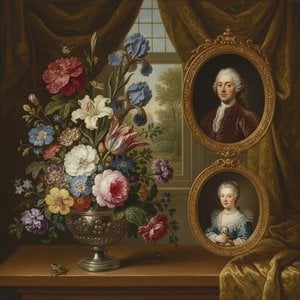
Jan van Kessel the Elder: A Baroque Master of Floral Still Life & Miniature Portraiture
Discover the exquisite detail of Jan van Kessel the Elder's Baroque floral still lifes & captivating miniatures. Explore his artistic legacy, scientific precision, and lasting influence on 17th-century Flemish painting.

Yi Eungro: Bridging East & West in the Landscape of Korean Modernism
Explore the captivating world of Yi Eungro (Lee Ungno), a pivotal figure in Korean modernism. Discover his unique fusion of Eastern and Western artistic traditions, abstract masterpieces, and lasting legacy. A must-read for discerning art collectors.