


 Podgląd w skali 1:1
 Wyślij jako kartkę
 Udostępnij
 Szczegóły dzieła
 Przewodnik

 Pobierz obraz
 Podobne obiekty
 RTG
RTG Pokaz slajdów
 Statystyki
On Reclusion
 Acrylic On Canvas
- WallArt
- Literati School
 301
301 41.0cm x 59.0cm
 Metropolitan Museum of Art
 Rozwiń treść
Ręcznie malowana reprodukcja olejowa
Ręcznie malowany obraz olejny na płótnie, wykonany na zamówienie przez naszych artystów w wybranym przez Ciebie wymiarze i oprawie. ( Przełącz na wydania drukowane Przejdź do wersji cyfrowej)




P118B zł10

P118H zł10

P118W zł10

P438Z zł10

P508JH zł12

P508YH zł12

P805H zł10

P805Z zł10

P919BZ zł10

P919G zł10

P919XJ zł10

P959ZH zł10

P968JZ zł12

W106C zł8

W218G zł10

W218JH zł8

W218Y zł10

W307PJ zł10

W316G zł10

W316PJ zł8

W316Y zł10

W398PJ zł8

W4111J zł10

W500HY zł15

W500JH zł15

W692G zł12

W849H zł8

W940BG zł15

W953PJ zł8




Wybierz spośród naszych standardowych rozmiarów, które zachowują oryginalne proporcje dzieła sztuki.

Wpisz wymaganą szerokość i wysokość, aby obraz pasował do Twojej ramy lub ściany. Ponieważ jest to dzieło malowane ręcznie, w przypadku rozmiaru o innych proporcjach artysta może domalować nieco więcej wokół obrazu lub przyciąć jego fragmenty — wybór należy do Ciebie. Przed rozpoczęciem pracy prześlemy Ci cyfrową wizualizację do zatwierdzenia. Obraz widoczny na tej stronie nie przedstawia rzeczywistego efektu — jedynie wizualizacja oddaje realny rezultat.
Po złożeniu zamówienia zespół ArtsDot.com skontaktuje się z klientem drogą mailową w celu uzyskania instrukcji i prześle wizualizację projektu
Dostawa na całym świecie () w ciągu 3–4 tygodni zamiast standardowych 5 tygodni. (26 Październik). Bez kompromisów w kwestii jakości.

Bezpłatna ekspresowa wysyłka na cały świat

Wysokiej jakości płótno lniane

Pełne ubezpieczenie przesyłki

Gwarancja zwrotu należności celnych i podatków importowych

Gwarancja wiernego odwzorowania kolorów

100-dniowa polityka zwrotów (tylko w przypadku wad)

Gwarancja 100% zwrotu pieniędzy

Zniżka przy zakupie wielu sztuk
 Opcja ze szkłem jest dostępna wyłącznie w rozmiarach poniżej 110 cm

On Reclusion
Technika reprodukcji
Wymiary reprodukcji
-


Cena całkowita
zł 1010
A Hermit’s Retreat: Exploring Sesson Yūbai's *On Reclusion*
This exquisite calligraphy scroll by Sesson Yūbai (1290-1347) offers a profound glimpse into the heart of Zen Buddhism and the literati tradition. More than just beautiful writing, *On Reclusion* is a visual poem – a distillation of a life deliberately turned inward for spiritual cultivation. The artwork presents four carefully rendered Chinese characters arranged vertically on creamy washi paper, executed with masterful control of sumi ink. Notice how Yūbai doesn’t simply write the words; he *paints* them, imbuing each stroke with energy and intention. The generous space between the columns isn't emptiness but a deliberate compositional choice, allowing the dynamic diagonals and horizontal extensions to breathe and resonate.Zen & Calligraphy: A Harmonious Union
Sesson Yūbai was uniquely positioned to bridge Japanese and Chinese artistic sensibilities. He spent twenty-three years in China, absorbing the latest calligraphic styles after initial training with Issan Ichinei in Japan. This experience is evident in the boldness and fluidity of his brushwork – a departure from earlier, more restrained Japanese calligraphy. The poem itself speaks to a humble existence: “My thatched hut is woven with disordered layers of clouds… Before my window, flowing waters; facing my pillow, books.” It’s an articulation of contentment found not in worldly possessions or ambitions, but in the simple rhythms of nature and the pursuit of knowledge. This theme – finding peace through detachment – is central to Zen philosophy and frequently appears in the writings of monks like Yūbai. The artwork isn't merely illustrative of the poem; it *embodies* its spirit.Technique & Materials: The Essence of Sumi-e
Yūbai’s skill lies in his mastery of sumi-e, or ink wash painting. This technique demands absolute control over the ink's density and flow, achieved through varying pressure on the brush and careful dilution with water.- The monochrome palette focuses attention on the form and energy of each stroke.
- The use of washi paper – traditionally made from long fibers – allows for subtle variations in ink absorption, creating a nuanced texture.
- The seemingly spontaneous brushwork is actually the result of years of rigorous training and meditative practice.
Symbolism & Emotional Resonance
Beyond its aesthetic beauty, *On Reclusion* carries deep symbolic weight. The act of reclusion itself – withdrawing from society – was often seen as a path to enlightenment in Zen Buddhism. The poem suggests that true fulfillment isn't found in external pursuits but within oneself. The imagery of flowing water and books represents the continuous flow of life and the importance of learning. For collectors and interior designers, this artwork offers more than just visual appeal; it provides a focal point for contemplation and a reminder to embrace simplicity and mindfulness. Its understated elegance complements both traditional and contemporary spaces, adding a touch of serene sophistication. The work’s emotional impact is one of quietude, peace, and a gentle invitation to turn inward.Pytania i odpowiedzi
Do czego zaleca się wykorzystanie reprodukcji „On Reclusion” – Sesson Yūbai?
Reprodukcja dzieła „On Reclusion” – Sesson Yūbai jest polecana do Mood. Sugestia ta wynika z tematyki, nastroju oraz kolorystyki pracy.
W którym muzeum znajduje się oryginał "On Reclusion"?
Oryginał dzieła „On Reclusion” można zobaczyć w Metropolitan Museum of Art, New York, United States of America.
Czy Sesson Yūbai, twórca "On Reclusion", jest znany pod innymi nazwiskami?
Sesson Yūbai występuje również pod innymi nazwiskami: 雪村友梅.
Podobne dzieła


Biografia artysty
Sesson Yūbai: The Poet of Quietude
Sesson Yūbai (雪村 友梅; 1290 – 14th day of the 1st month, 1347) stands as one of Japan’s most revered Zen Buddhist poets and monks—a figure inextricably linked to the profound aesthetic principles that define the Five Mountains School of Zen. Born in Tokyo during a period of significant cultural exchange between China and Japan, Yūbai's life was marked by rigorous monastic training under the guidance of Issan Ichinei, establishing him firmly within the Linji Ch’an tradition. This formative experience would profoundly shape his artistic vision and intellectual pursuits, propelling him to become a pivotal voice in Japanese literature and Zen art.- Early Life & Training: Yūbai's initial studies commenced under Issan Ichinei, a Chinese emigrant monk who championed the Linji sect’s radical approach to enlightenment—a method prioritizing direct experience over intellectual contemplation. Recognizing Yūbai’s exceptional aptitude, Issan entrusted him with overseeing the establishment of a temple in Kyoto, marking the beginning of his influential monastic career.
- Journey to China: Driven by an unwavering commitment to Zen practice and scholarship, Yūbai embarked on a transformative journey to China around 1307. During this protracted period—spanning over two decades—he immersed himself in intensive study with numerous eminent masters, absorbing the nuances of Chinese Buddhist philosophy and calligraphy techniques. Notably, he endured imprisonment during the persecution of Buddhists under Kublai Khan’s rule, an ordeal that instilled within him a deep appreciation for resilience and simplicity.
The Art of Minimalist Calligraphy: Reflecting Zen Essence
Yūbai's poetic output is inextricably intertwined with his mastery of calligraphy—a practice considered paramount in Zen Buddhism. His work embodies the school’s core tenets: stillness, clarity, and an uncompromising devotion to capturing the essence of reality through sparse brushstrokes. The celebrated “Abiding Nowhere, The Awakened Mind Arises” (阿無所住處,悟心生), housed at the Tokugawa Art Museum, exemplifies this distinctive style. Characterized by expansive spaces between columns of text—allowing for deliberate pauses and fostering contemplation—the painting’s composition mirrors Yūbai's poetic sensibility. Each stroke is imbued with intention, reflecting Zen’s emphasis on mindful action and intuitive understanding.- Bingatshū: Yūbai’s magnum opus, Bingatshū (鏡沙樹), comprises 242 poems—a testament to his unwavering dedication to Zen practice and artistic expression. These verses eschew ornate embellishments, prioritizing directness and emotional resonance. They grapple with themes of impermanence, solitude, and the pursuit of enlightenment—mirroring the core concerns of Zen philosophy.
- Influence on Zen Art: Yūbai’s aesthetic principles profoundly impacted subsequent generations of Zen artists. His insistence on simplicity and contemplation served as a guiding force in shaping the visual language of Zen monasteries and temples across Japan, fostering an enduring tradition of minimalist calligraphy and landscape painting that continues to inspire artistic creativity today.
Temple Foundations & Legacy: Shaping Buddhist Culture
Beyond his poetic achievements, Sesson Yūbai left an indelible mark on Japanese Buddhism through the establishment of several provincial temple-monasteries—most notably Hōun-ji and Hōrin-ji in Harima Prefecture. These temples were recognized as “jissatsu” by Muromachi shogunate, signifying their prestige and encouraging patronage for Zen monastic institutions. Yūbai’s disciples, including Akamatsu Norimura and Akamatsu Norisuke, diligently upheld his legacy—propagating Zen philosophy and artistic traditions throughout Japan. His influence extended beyond the visual arts, shaping the intellectual landscape of his time and cementing his place as a cornerstone of Japanese cultural heritage.Concluding Reflections
Sesson Yūbai’s life embodies the spirit of Zen Buddhism—a pursuit of enlightenment through mindful contemplation and unwavering devotion to ethical conduct. His poetry transcends mere literary artistry, offering profound insights into the human condition and illuminating the path toward inner peace. As a master calligrapher and temple founder, Yūbai solidified his position as one of Japan’s most influential figures—a testament to the enduring power of Zen aesthetics and philosophy to inspire artistic creativity and spiritual contemplation for centuries to come.
Sesson Yūbai
1290 - 1347 , Japan
Krótka nota
- Full Name: Sesson Yūbai 雪村友梅
- Nationality: Japanese
- Date Of Birth: 1290
- Date Of Death: 1347
- Place Of Birth: Tokyo, Japan
- Notable Artworks: ['Abiding Nowhere, The Awakened Mind Arises']
- Artistic Movement Or Style: Zen Buddhism
- Artists Who Influenced This Artist: ['Issan Ichinei']
- Artists Or Movements Influenced By This Artist: ['Zen Art']
Powiązane artykuły

Efemerowe Wyrażenia: Niuanse Malarstwa Tuszem w Historii i Sztuce Współczesnej
Poznaj fascynujący świat malarstwa tuszem! Odkryj historię, techniki i filozofię tej wyjątkowej sztuki azjatyckiej. Przewodnik po mistrzach pędzla i inspiracje dla współczesnych artystów.

Katsushika Hokusai: 25 Arcydzieł Sztuki Japońskiej dla Kolekcjonerów i Miłośników Dekoracji
Odkryj 25 arcydzieł Katsushika Hokusai, mistrza ukiyo-e! Poznaj historię Wielkiej Fali i innych ikonicznych drzeworytów. Inspiracje wnętrzarskie i reprodukcje obrazów najwyższej jakości na ArtsDot.com – sztuka japońska dla Twojego domu.
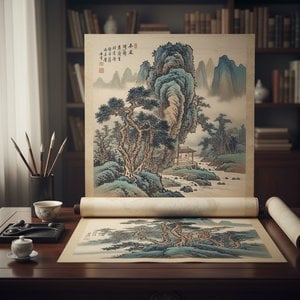
Pu Xinyu's 'Puru': A Legacy of Literati Painting & Emotional Resonance
Explore the captivating world of Pu Xinyu (Puru), the last great literati painter. Discover his imperial heritage, masterful ink wash techniques & enduring legacy – a valuable addition to any discerning art collection.

Cy Twombly: Scribbles of Emotion – Deconstructing Post-War Expressionism Through Calligraphy & Abstraction
Explore the captivating world of Cy Twombly with ArtsDot. Discover the emotional depth & artistic significance behind his abstract calligraphy. Expert insights for collectors.

Xie Zhiliu: A Legacy of Ink Wash Painting & Modern Chinese Literati Tradition
Explore the legacy of Xie Zhiliu, a master of Chinese ink wash painting & prominent figure in modern art. Discover his techniques, influences, and contributions to literati tradition. A guide for discerning collectors.