


 Podgląd w skali
 Wyślij jako kartkę
 Udostępnij
 Szczegóły dzieła

 Pobierz
 Podobne obiekty
 RTG
RTG Pokaz slajdów
 Statystyki
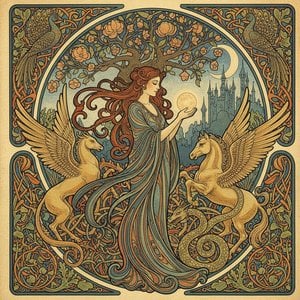
Perdita

 Rozwiń treść
Ręcznie malowana reprodukcja olejowa
Ręcznie malowany obraz olejny na płótnie, wykonany na zamówienie przez naszych artystów w wybranym przez Ciebie wymiarze i oprawie. ( Przełącz na wydruki Przełącz na obraz cyfrowy)




































Wybierz spośród naszych standardowych rozmiarów, które zachowują oryginalne proporcje dzieła sztuki.

Możesz wprowadzić własne wymiary, aby dopasować obraz do konkretnej ramy lub przestrzeni. Jeśli wybrany rozmiar nie będzie odpowiadał proporcjom oryginału, przytniecie dzieło sztuki lub rozszerzymy je o dodatkowe elementy, ręcznie domalowane przez artystę. Przed rozpoczęciem produkcji wyślemy projekt cyfrowy do Twojej akceptacji.
Należy pamiętać, że podgląd na ekranie nie odzwierciedla rzeczywistego przycinania ani rozszerzania obrazu. Tylko projekt dokładnie pokaże ostateczną kompozycję.
Choć oferujemy możliwość zamówienia niestandardowych rozmiarów, zalecamy wybór wymiaru z gotowej listy, aby zachować oryginalne proporcje dzieła.
Po złożeniu zamówienia zespół ArtsDot.com skontaktuje się z klientem drogą mailową w celu uzyskania instrukcji i prześle wizualizację projektu
Dostawa na całym świecie () w ciągu 3–4 tygodni zamiast standardowych 5 tygodni. (10 Wrzesień). Bez kompromisów w kwestii jakości.

Bezpłatna ekspresowa wysyłka na cały świat

Wysokiej jakości płótno lniane

Pełne ubezpieczenie przesyłki

Gwarancja zwrotu należności celnych i podatków importowych

Gwarancja wiernego odwzorowania kolorów

100-dniowa polityka zwrotów (tylko w przypadku wad)

Gwarancja 100% zwrotu kosztów

Zniżka przy zamówieniu wielu produktów
 Opcja ze szkłem jest dostępna wyłącznie w rozmiarach poniżej 110 cm

Perdita
Technika reprodukcji
Wymiary reprodukcji
-


Cena całkowita
$ 263
Podobne dzieła


O artyście
Edvard Munch: A Soul Exposed
Edvard Munch (1863 – 1944) stands as one of the most profoundly influential and emotionally resonant figures in modern art. Born in Løten, Norway, into a family marked by illness and loss, his early life was steeped in anxiety and foreshadowed the themes that would dominate his artistic output for over six decades. More than simply a painter, Munch crafted an intensely personal visual language—a direct conduit to the anxieties and spiritual uncertainties of the modern age. His work, characterized by its raw emotion, distorted forms, and unsettling color palettes, continues to captivate and disturb viewers alike, cementing his legacy as a pioneer of Expressionism and a master of conveying psychological states.Early Life and Influences: A Cradle of Sorrow
Munch’s childhood was profoundly shaped by tragedy and illness. The death of his mother when he was only five years old, followed by the loss of his sister to tuberculosis and later his father and brother, instilled in him a deep-seated awareness of mortality and suffering. These experiences weren't merely biographical details; they became the bedrock of his artistic vision. He described his life as being “watched over” by “black angels,” reflecting the pervasive sense of dread that permeated his existence. His early exposure to Kristiania’s bohemian scene, a vibrant community of artists and writers challenging societal norms, provided an alternative intellectual environment. Figures like Christian Krohg encouraged him to explore his inner world through art, urging him to paint "soul painting"—a radical departure from the prevailing naturalist aesthetic of the time. The influence of French Impressionism and Post-Impressionists such as Paul Gauguin and Vincent van Gogh—particularly their use of color and expressive brushwork—also played a crucial role in shaping his evolving style.The Emergence of a Distinctive Style: ‘The Scream’ and Beyond
Munch's artistic development was marked by a gradual shift from representational painting to an increasingly subjective exploration of emotion. His early works, such as *Madonna* (1893-94), demonstrated a growing interest in depicting psychological states rather than simply rendering external reality. However, it is arguably with *The Scream* (originally titled *Der Schrei der Natur*, or “The Cry of Nature”), created in 1893, that he achieved international recognition. This iconic image—a figure frozen in an expression of primal terror against a blood-red sky—became a symbol of modern anxiety and alienation. Following the success of *The Scream*, Munch embarked on the ambitious *Frieze of Life* series (1893–1900), a cycle of paintings depicting key stages of human existence: love, ecstasy, compassion, sexual frustration, illness, suicide, and death. These works are characterized by their intensely symbolic imagery and exploration of the darker aspects of the human psyche.Technique and Symbolism: Color as Emotion
Munch’s technique was deliberately unconventional, prioritizing emotional impact over realistic representation. He frequently employed distorted forms, exaggerated perspectives, and jarring color combinations to convey his inner turmoil. Color played a particularly significant role in his work—not merely as descriptive elements but as vehicles for expressing mood and emotion. The fiery reds and oranges of *The Scream*, for example, evoke a sense of panic and impending doom, while the sickly greens and yellows often associated with illness and decay contribute to an atmosphere of unease. He also experimented extensively with printmaking, creating woodcuts and lithographs that served as both independent works of art and illustrations for his own writings. His use of line—often jagged and restless—further amplified the sense of agitation and instability present in many of his compositions.Legacy and Historical Significance
Edvard Munch’s work profoundly impacted the development of Expressionism, influencing artists such as Ernst Ludwig Kirchner and Emil Nolde. His willingness to confront difficult emotions – grief, anxiety, despair – paved the way for a new era in art where subjective experience took precedence over objective representation. *The Scream*, in particular, has become one of the most recognizable images in Western culture, transcending its artistic origins to serve as a universal symbol of existential angst. Despite facing periods of mental instability and professional setbacks, Munch’s legacy endures, reminding us of the power of art to articulate the deepest recesses of the human soul and to capture the complexities of the modern condition. His work continues to be exhibited worldwide, inspiring contemplation and dialogue about the nature of human experience.
robert anning bell
1863 - 1933 , United Kingdom
Krótka nota
- Artistic Movement Or Style: Expressionism, Symbolism
- Artists Or Movements Influenced By This Artist: ['German Expressionism']
- Artists Who Influenced This Artist:
- Vincent van Gogh
- Paul Gauguin
- Date Of Birth: December 12, 1863
- Date Of Death: January 23, 1944
- Full Name: Edvard Munch
- Nationality: Norwegian
- Notable Artworks:
- The Scream
- Madonna
- Place Of Birth: Løten, Norway
Powiązane artykuły

Hablot Knight Browne: Phiz & the Victorian Social Canvas – A Critical Legacy
Explore the life & art of Hablot Knight Browne ('Phiz'), Dickens's iconic illustrator. Discover his masterful social commentary, technical innovations, and enduring legacy in Victorian illustration. A critical examination for history lovers.

Trwała moc ilustracji: Historia sztuki narracyjnej i wizualnego opowiadania historii
Odkryj fascynującą historię sztuki narracyjnej – od starożytnych malowideł po współczesne komiksy i gry wideo. Ekspercka analiza technik wizualnego opowiadania historii i ich wpływu na kulturę.

Kay Rasmus Nielsen: A Golden Age Illustrator's Enchanting Legacy of Symbolism & Narrative
Explore the captivating world of Kay Rasmus Nielsen, a celebrated Golden Age illustrator renowned for his Art Nouveau fairy tale art & Disney contributions. Discover his unique style, enduring legacy, and how to collect his enchanting works.

Wiktoriańska Estetyka Ilustracji: Studium Narracji i Techniki w Sztuce XIX Wieku
Odkryj fascynujący świat ilustracji wiktoriańskiej! Studium narracji, technik graficznych i symboliki XIX wieku. Poznaj wybitnych artystów i ich wpływ na współczesną sztukę. Ekspercka analiza dla miłośników historii sztuki.
Edmund Dulac: A Master of Golden Age Illustration – Exploring Myth, Symbolism & Art Nouveau Legacy
Explore the captivating world of Edmund Dulac, a master of Golden Age illustration! Discover his enchanting fairy tales, Art Nouveau style, and lasting influence on art & design. Learn about *The Rubaiyat* and more.