


 Podgląd w skali
 Wyślij jako kartkę
 Udostępnij
 Szczegóły dzieła

 Pobierz
 Podobne obiekty
 RTG
RTG Pokaz slajdów
Classical landscape

 Rozwiń treść
Giclée / Wydruk artystyczny
Druk giclée lub płótno o jakości muzealnej, szybka realizacja i szeroki wybór opcji wykończenia. ( Zamów ręcznie malowaną reprodukcję Kup obraz wysokiej rozdzielczości)




P118B $10

P118H $10

P118W $10

P438Z $10

P508JH $12

P508YH $12

P805H $10

P805Z $10

P919BZ $10

P919G $10

P919XJ $10

P959ZH $10

P968JZ $12

W106C $8

W218G $10

W218JH $8

W218Y $10

W307PJ $10

W316G $10

W316PJ $8

W316Y $10

W398PJ $8

W4111J $10

W500HY $15

W500JH $15

W692G $12

W849H $8

W940BG $15

W953PJ $8




Wybierz spośród naszych standardowych rozmiarów, które zachowują oryginalne proporcje dzieła sztuki.

Możesz wprowadzić własne wymiary, aby dopasować dzieło do konkretnej ramy lub przestrzeni. Jeśli wybrany rozmiar nie będzie odpowiadał proporcjom oryginalnego obrazu, przytniecie dzieło lub rozszerzymy obraz za pomocą odbicia lustrzanego lub jednolitego wypełnienia krawędzi. Przed rozpoczęciem produkcji prześlemy cyfrową wizualizację do Twojej akceptacji.
Prosimy pamiętać, że podgląd na ekranie nie odzwierciedla faktycznego przycinania ani rozszerzania. Tylko wizualizacja dokładnie pokaże końcową kompozycję.
Mimo dostępności niestandardowych rozmiarów, zalecamy wybór wymiaru z listy zdefiniowanej, aby zachować oryginalne proporcje.
Dostawa na cały świat () w ciągu 2 tygodni zamiast standardowych 4/5 tygodni. (19 Sierpień)

Bezpłatna ekspresowa wysyłka na cały świat

Wysokiej jakości płótno lniane

Pełne ubezpieczenie przesyłki

Gwarancja zwrotu należności celnych i podatków importowych

Gwarancja wiernego odwzorowania kolorów

Polityka 60-dniowego zwrotu (tylko w przypadku wad)

Gwarancja 100% zwrotu kosztów

Zniżka przy zamówieniu wielu produktów
 Opcja ze szkłem jest dostępna wyłącznie w rozmiarach poniżej 110 cm

Classical landscape
Giclée / Wydruk artystyczny
Wymiary reprodukcji
-


Cena całkowita
$ 62
Podobne dzieła


O artyście
Richard Wilson: Pionier brytyjskiego malarstwa pejzażowego
Wczesne lata i kształcenie
Richard Wilson przyszedł na świat 24 lipca 1713 roku w Islington, w Wielkiej Brytanii. Choć szczegóły dotyczące jego wczesnych lat pozostają niejasne, uważa się, że przeszedł on gruntowne podstawowe szkolenie artystyczne. Pierwsze umiejętności Wilsona prawdopodobnie kształtowały się poprzez skrupulatną samodzielne naukę i uważną obserwację natury, a także pod wpływem innych ówczesnych mistrzów. Jego twórczość świadczy o głębokim zrozumieniu technik klasycznych, co sugeruje świadome dążenie do opanowania fundamentalnych zasad sztuki.
Kariera artystyczna i ewolucja stylu
Artystyczna podróż Wilsona rozwijała się w dwóch wyraźnych fazach. Swoją drogę rozpoczął jako malarz portrecista, lecz z czasem stopniowo zwrócił się ku pejzażowi – gatunkowi, z którego słynie do dziś. Ta przemiana stała się przełomowym momentem w historii brytyjskiej sztuki. Jego krajobrazy nie były jedynie prostymi przedstawieniami widoków; stanowiły one starannie skonstruowane kompozycje, przesycone atmosferą i głębokim ładunkiem emocjonalnym.
- Wczesne wpływy: Początkowo w portretach Wilsona widoczne były ślady stylu uznanych artystów, takich jak Godfrey Kneller. z
- Przejście ku pejzażowi: Jego podróż do Włoch około 1752 roku okazała się przełomowa. Kontakt z krajobrazem w duchu włoskim oraz dziełami Claude’a Lorraina głęboko odmienił jego styl.
- Dojrzały styl: Wilson wypracował unikalnie brytyjskie podejście do pejzażu, umiejętnie łącząc ideały klasyczne ze specyficznymi walorami angielskiej prowincji.
Inspiracje i warsztat artystyczny
Najistotniejszą postacią, która wpłynęła na twórczość Richarda Wilsona, był Thomas Gainsborough. Artysta podziwiał zdolność Gainsborough do chwytania światła i nastroju, włączając podobne techniki do własnego warsztastwu. Wilson potrafił jednak wyróżnić się poprzez bardziej przemyślaną strukturę kompozycyjną oraz większy nacisk na ukazywanie wyidealizowanego piękna.
- Klasyczna kompozycja: W swoich pejzażach Wilson często stosował klasyczne zasady równowagi i harmonii.
- Perspektywa powietrzna: Po mistrzowsku wykorzystywał perspektywę powietrzną, aby nadać swoim dziełom poczucie głębi i nieskończonej przestrzeni.
- Złote światło: Jego obrazy charakteryzują się ciepłym, złotym światłem, które przywołuje stan wewnętrznego spokoju i ukojenia.
Najważniejsze dzieła i osiągnięcia
Kilka jego prac stanowi doskonały przykład mistrzostwa Wilsona.
- Meleager i Atalanta (ok. 1743): Ten obraz ukazuje jego niezwykłą zdolność do uchwycenia samej esencji brytyjskiej natury.
- The Hengö Watch (1756-57): Arcydzieło demonstrujące kunszt Wilsona w balansowaniu światłem, kolorem i kompozycją.
- Liczne inne pejzaże: Artysta pozostawił po sobie bogaty dorobek przedstawiający różnorodne miejsca w całej Brytanii oraz we Włoszech.
Znaczenie historyczne i dziedzictwo
Richard Wilson jest uznawany za postać kluczową dla rozwoju brytyjskiego malarstwa krajobrazowego. Otworzył on drogę przyszłym pokoleniom artystów, w tym Francisowi Cotesowi, ukazując artystyczny potencjał brytyjskiej ziemi. Jego dążenie do uwiecznienia piękna i spokoju natury pomogło ustanowić wyraźnie brytyjską tradycję sztuki pejzażowej.
- Odejście od portretu: Skupienie się Wilsona na krajobrazie rzuciło wyzwanie dominacji malarstwa portretowego w ówczesnej brytyjskiej sztuce.
- Tożsamość narodowa: Jego obrazy przyczyniły się do budowania poczucia tożsamości narodowej oraz dumy z piękna Wysp Brytyjskich.
- Trwały wpływ: Twórczość Wilsona nieustannie inspiruje artystów i miłośników sztuki, utwierdzając jego miejsce jako fundamentalnej postaci w historii malarstwa.
Zbiory muzealne
Dzieła Wilsona można podziwiać w prestiżowych galeriach, w tym w:
- Tate Britain, Londyn, Wielka Brytania
- Walker Art Gallery, Liverpool, Wielka Brytania
- National Museum of Wales, Cardiff, Wielka Brytania

richard wilson
1713 - 1782 , Wielka Brytania
Krótka nota
- Artistic Movement Or Style: Krajobrazowy klasyczny
- Artists Or Movements Influenced By This Artist:
- Francis Cotes
- Turner
- Artists Who Influenced This Artist:
- Godfrey Kneller
- Claude Lorrain
- Date Of Birth: 1 sierpnia 1714
- Date Of Death: 15 maja 1782
- Full Name: Richard Wilson
- Nationality: Brytyjski
- Notable Artworks:
- Meleager i Atalanta
- Widok Śnieżki
- Place Of Birth: Penegoes, nr. Machynlleth, Montgomeryshire
Powiązane artykuły
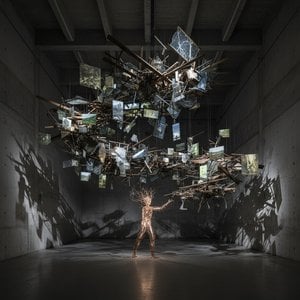
Richard Wilson: Deconstructing Landscape & Memory in Contemporary Installation Art
Explore Richard Wilson's groundbreaking landscape paintings & his enduring influence on contemporary installation art. Discover investment opportunities, provenance insights & the materiality of memory in this expert analysis.

Krajobraz w sztuce: 10 arcydzieł, które inspirują (malarstwo, dekoracje wnętrz)
Odkryj 10 arcydzieł krajobrazu w sztuce! Poznaj historie Moneta, van Gogha i Turnera. Inspiracje pejzażami, techniki malarskie i reprodukcje najwyższej jakości na ArtsDot.com. Znajdź idealny obraz do Twojego wnętrza!

Romantyczny Krajobraz w Malarstwie: 10 Arcydzieł, Które Zdefiniowały Epokę | ArtsDot.com
Odkryj 10 arcydzieł romantyzmu w malarstwie! Poznaj historie Caspara Davida Friedricha, Turnera i innych mistrzów. Inspiracje wnętrzarskie & reprodukcje obrazów najwyższej jakości na ArtsDot.com. Eksploruj kolekcję online!

John Constable: 25 Najlepszych Obrazów Mistrza Angielskiego Krajobrazu | ArtsDot
Odkryj 25 arcydzieł Johna Constable'a – mistrza angielskiego krajobrazu! Poznaj romantyczne pejzaże, technikę malarską i inspiracje z Dedham Vale. Reprodukcje obrazów najwyższej jakości na ArtsDot.com. Eksploruj pełną kolekcję online!

Evocations of Place: A Historical Journey Through Landscape Art
Explore the rich history of landscape art with ArtsDot. Discover renowned artists, movements like Impressionism & Romanticism, and expert guidance for collecting timeless pieces. Find your perfect serene escape today!

