


Obraz dostosowuje się do Twoich wyborów: , .
Opis obiektu
René Magritte’s surrealist masterpiece ‘The Rape’ depicts a woman draped in fabric concealing her face against a serene blue sky—a haunting exploration of concealment and perception within the Belgian Surrealist movement. Discover this iconic artwork and bring its enigmatic beauty into your home.
 Rozwiń treść
Biografia artysty
Mistrz surrealizmu znany z obrazu Zdradliwość obrazów. Odkryj jego enigmatyczne i skłaniające do myślenia dzieła już dziś.
Ręcznie malowana reprodukcja olejowa
Ręcznie malowany obraz olejny na płótnie, wykonany na zamówienie przez naszych artystów w wybranym przez Ciebie wymiarze i oprawie. ( Przełącz na wydania drukowane Przejdź do wersji cyfrowej)
Ten utwór podlega ochronie prawem autorskim
Dzieło sztuki prezentowane na tej stronie podlega ochronie prawem autorskim, co oznacza, że nie mamy prawa do tworzenia ani sprzedaży jego identycznej reprodukcji. Ochrona ta jest egzekwowana na mocy umów międzynarodowych, takich jak Konwencja berneńska oraz przez przepisy prawa krajowego, w tym te określone w Prawo autorskie USA – Tytuł 17.
Jako pełną szacunku i legalną alternatywę oferujemy personalizowane, malowane ręcznie dzieła sztuki inspirowane oryginałem. Nasi wykwalifikowani i profesjonalni artyści starannie analizują styl, nastrój oraz artystyczną esencję pierwowzoru, aby stworzyć nowe, unikalne dzieło, które przywołuje te same emocje – pozostając jednocześnie w pełni oryginalną kreacją.
Metoda ta jest w pełni zgodna z przepisami prawa autorskiego, ponieważ nie polega na kopiowaniu ani powielaniu chronionego dzieła. Stanowi ona kreatywną reinterpretację – nowy obraz, który czerpie inspirację z oryginału, ale nie jest z nim tożsamy.
Więcej o tym obrazie
 Podgląd w skali 1:1
 Wyślij jako kartkę
 Udostępnij
 Szczegóły dzieła
 Przewodnik

 Pobierz obraz
 Podobne obiekty
 RTG
RTG Pokaz slajdów
 Pytania i odpowiedzi
 Statystyki
Zamów swój obraz w czterech prostych krokach
Nie spiesz się. Możesz zmienić każdą odpowiedź; cena w Twoim koszyku będzie aktualizowana po każdym wyborze.
1 Pierwszy z czterech kroków
Który rozmiar wybierasz?
Te rozmiary zachowują proporcje oryginalnego obrazu. Rysunek przedstawia wybrany przez Ciebie format na ścianie, nad dwumetrową sofą.
lub podaj własne wymiary
Wybierz spośród naszych standardowych rozmiarów, które zachowują oryginalne proporcje dzieła sztuki.

Wpisz wymaganą szerokość i wysokość, aby obraz pasował do Twojej ramy lub ściany. Ponieważ jest to dzieło malowane ręcznie, w przypadku rozmiaru o innych proporcjach artysta może domalować nieco więcej wokół obrazu lub przyciąć jego fragmenty — wybór należy do Ciebie. Przed rozpoczęciem pracy prześlemy Ci cyfrową wizualizację do zatwierdzenia. Obraz widoczny na tej stronie nie przedstawia rzeczywistego efektu — jedynie wizualizacja oddaje realny rezultat.
2 Drugi z czterech kroków
W jaki sposób przygotować dzieło: w formie tuby, na krosnach czy w ramie?
Poniższe ceny dotyczą rozmiaru wybranego w pierwszym kroku.
Wybierz krawędzie płótna naciągniętego na ramę
Wybierz ramę

Białe krawędzie zł1

rozmyte krawędzie zł1

Przedłużony zł1

P118B zł10

P118H zł10

P118W zł10

P438Z zł10

P508JH zł12

P508YH zł12

P805H zł10

P805Z zł10

P919BZ zł10

P919G zł10

P919XJ zł10

P959ZH zł10

P968JZ zł12

W106C zł8

W218G zł10

W218JH zł8

W218Y zł10

W307PJ zł10

W316G zł10

W316PJ zł8

W316Y zł10

W398PJ zł8

W4111J zł10

W500HY zł15

W500JH zł15

W692G zł12

W849H zł8

W940BG zł15

W953PJ zł8

H24-GOLD zł30

H24-SILVER zł30

H36-GOLD zł45

H36-SILVER zł45
W oprawie
Profil: . Wymiar całkowity w ramie: .
3 Trzeci z czterech kroków
Czy chcieliby Państwo wprowadzić jakieś zmiany w obrazie?
Większość osób odpowiada przecząco. Ponieważ każdy obraz jest tworzony ręcznie, nasz artysta może również dostosować go do Twoich potrzeb.
Po złożeniu zamówienia zespół ArtsDot.com skontaktuje się z klientem drogą mailową w celu uzyskania instrukcji i prześle podgląd projektu
4 Krok czwarty z czterech
Kilka opcji wykończenia
Wszystkie są opcjonalne. Wybrane już odpowiedzi nie wiążą się z żadnymi dodatkowymi kosztami.
Kto jest autorem?
Dostawa na całym świecie () w ciągu 3–4 tygodni zamiast standardowych 5 tygodni. (11 Listopad). Bez kompromisów w kwestii jakości.
Tabliczka informacyjna, jak w muzeum?
Szczegóły grawerowanej brązowej tabliczki
This elegant plaque features the artist's name and the title of the artwork, finely engraved for a timeless presentation.
It is made from bronze with a refined, elegant finish. The text is precisely laser-engraved for a sharp and permanent result. Measuring 9x2 cm, the plaque is compact yet easy to read. It's built to be durable and scratch-resistant, offering a professional, museum-quality look. Mounting is simple thanks to the included adhesive backing.
Szczegóły przezroczystej tabliczki akrylowej
The plaque includes essential engraved details such as the artist's name, the title of the artwork, the date it was created, the type of media used-like oil on canvas or watercolor-a brief description of the piece, and a QR code that links to the complete artwork information.
It is crafted from clear acrylic, offering a sleek, modern appearance. The text is UV-engraved in black to ensure strong visual contrast. With a size of 10x15 cm, it ensures optimal readability. It comes equipped with two metal hooks for secure wall mounting. The plaque is designed to be weather-resistant, making it suitable for various environments, and it includes interactive features that work seamlessly with smartphone scanning.
Szczegóły czarnej tabliczki akrylowej
This elegant plaque includes engraved information such as the artist's name, the title of the artwork, the date it was created, the type of media used (like oil on canvas or watercolor), a short description of the artwork, and a QR code for quick access to more information.
The plaque itself is made from refined black acrylic with a premium finish. The text is laser-engraved in white for high contrast and readability. Its size is 10x15 cm, designed to be easy to read. It comes with two metal hooks for professional mounting. The design is sleek and fits any interior style. It is also weather-resistant and durable, with built-in digital integration for mobile compatibility.
Werniks ochronny?
Kiedy potrzebujesz dostawy?
✓ Sprawdź i zamów
Twoje dzieło, dokładnie tak, jak zamówiłeś

The Rape
Technika reprodukcji
Wymiary reprodukcji
-

Wybitny mistrz artystyczny
Większa szczegółowość, finezja i dodatkowy czas na realizację
-

Opcje oprawy reprodukcji
-
-
W przypadku dzieł sztuki lub reprodukcji, których którykolwiek z boków przekracza 105 cm (około 41 cali), rama zostanie wysłana w formie zestawu do samodzielnego montażu. Metoda ta zapewnia bezpieczną dostawę i zapobiega uszkodzeniom podczas transportu.
Wymagany profesjonalny montaż – nie jest to produkt typu DIY.
Zestaw musi zostać złożony, a płótno naciągnięte przez doświadczonego profesjonalnego ramiarza, przy użyciu kleju do drewna (brak w zestawie), kleszczy do naciągania płótna oraz ścisków, które utrzymają krosna w równej pozycji podczas schnięcia kleju. Nieprawidłowy montaż lub nierównomierne napięcie płótna może trwale uszkodzić dzieło sztuki i nie podlega naszej gwarancji.
 W przypadku dzieł sztuki lub reprodukcji, których którykolwiek z boków przekracza 105 cm (około 41 cali), rama zostanie wysłana w formie zestawu do samodzielnego montażu. Metoda ta zapewnia bezpieczną dostawę i zapobiega uszkodzeniom podczas transportu.
W zestawie znajdują się wszystkie listwy z litego drewna, precyzyjnie docięte do wymiarów.
Montaż odbywa się przy użyciu dołączonych wkrętów oraz kleju do drewna do łączenia narożników, którego zestaw nie zawiera i który musi zostać dostarczony przez ramiarza.
Wymagane są profesjonalne narzędzia, których nie ma w zestawie: kleszcze do naciągania płótna (napinacz) oraz zaciski, które pozwolą utrzymać listwy w równej pozycji podczas schnięcia kleju.
Ważne:
Do połączenia narożników niezbędny jest klej do drewna, listwy należy unieruchomić za pomocą ścisków do momentu całkowitego wyschnięcia kleju, a naciągnięcie płótna na złożoną ramę wymaga użycia kleszczy do naciągania płótna. Żaden z tych elementów nie jest dołączony do zestawu. Przed zamówieniem tego rozmiaru zalecamy konsultację z doświadczonym ramiarzem.

Etykieta obiektu
-
-

Lakier ochronny
Lakier z połyskiem (pogłębia kolory, chroni przed światłem i wilgocią)
-

Personalizacja dzieła
Przykłady możliwości personalizacji: zastąp twarz zdjęciem klienta; dodaj zwierzę domowe (np. zamień kota na psa); umieść ukrytą wiadomość w tle; zmień krajobraz lub elementy tła.
-

Ekspresowa
Dostawa na cały świat () w ciągu 3–4 tygodni zamiast standardowych 5 tygodni. (11 Listopad). Bez kompromisów w kwestii jakości.
-
Przesyłka ekspresowa
Dostawa na cały świat () w ciągu 5 tygodni. (18 Listopad).
W cenie
Cena całkowita
zł 1028
Opcja ze szkłem jest dostępna wyłącznie w rozmiarach poniżej 110 cm
W każdym zamówieniu
- Bezpłatna ekspresowa wysyłka na cały świat
- Wysokiej jakości płótno lniane
- Pełne ubezpieczenie przesyłki
- Gwarancja zwrotu należności celnych i podatków importowych
- Gwarancja wiernego odwzorowania kolorów
- 100-dniowa polityka zwrotów (tylko w przypadku wad)
- Gwarancja 100% zwrotu pieniędzy
- Zniżka przy zakupie wielu sztuk


A Silent Scream Frozen in Blue
The haunting allure of René Magritte’s The Rape lies in its ability to suspend the viewer in a state of profound, unsettling stillness. Painted during the height of the Surrealist movement between 1928 and 1930, this masterpiece serves as a visual paradox, where the serenity of a summer sky clashes violently with an underlying sense of dread. The composition presents a woman draped in fabric that obscures her identity, set against an expansive azure backdrop dotted with soft, idyllic clouds. This juxtaposition creates a dreamlike atmosphere that is simultaneously beautiful and deeply disturbing, inviting those who gaze upon it to look past the surface and confront the mysteries hidden within the subconscious.The Mastery of Surrealist Technique
Magritte’s technical execution in this piece demonstrates his unique ability to use traditional oil painting methods to achieve extraordinary, illogical ends. Eschewing the frantic energy of some of his contemporaries, Magritte employed smooth blending and meticulous tonal gradations that lend the canvas an ethereal, almost weightless quality. The palette is deceptively simple, dominated by tranquil blues and crisp whites, yet the way these colors interact creates a sense of depth that defies the flattened perspective typical of Surrealist works. For collectors and interior designers, this painting offers a sophisticated balance; its clean lines and atmospheric color scheme allow it to integrate seamlessly into modern spaces, while its complex textures provide a focal point of intellectual depth.Symbolism and the Unseen Reality
At the heart of The Rape is the recurring Magritte motif of the veiled face, a symbol that resonates with both psychological complexity and personal tragedy. The artist’s fascination with what remains hidden—a theme deeply rooted in his early life experiences—is palpable here. By obscuring the woman's features, Magritte strips away her individuality, transforming her into a vessel for universal emotions such as loss, mystery, and repressed desire. This technique challenges the viewer's perception of reality, forcing an engagement with the unseen. The painting does not merely depict a scene; it orchestrates a confrontation with the unknown, making it a profound choice for those who seek art that provokes contemplation and emotional resonance long after the initial encounter.Pytania i odpowiedzi
Czy „The Rape” – René Magritte to obraz, rysunek czy grafika?
"The Rape" to WallArt.
Gdzie i w jakim celu zaleca się użycie "The Rape"?
Zalecane zastosowanie (Accent) oraz przestrzeń (Living Room) to dwie rekomendacje dla dzieła „The Rape” – René Magritte.
Czy dzieło „The Rape” autorstwa René Magritte znajduje się w domenie publicznej i dlaczego?
Status praw autorskich do dzieła „The Rape” – nadal objęte ochroną prawa autorskiego – wynika z faktu, że artysta zmarł w 1967.
Podobne dzieła


René Magritte
1898 - 1967, Belgia
Biografia artysty
Wczesne lata życia René Magritte
Urodzony 21 listopada 1898 roku w Lessines w Belgii, René François Ghislain Magritte wkroczył w świat zdefiniowany przez cichą pracowitość jego rodziny. Jego ojciec, Léopold Magritte, pracował jako krawiec i handlarz tekstyliami, zapewniając mu stabilne, choć pozbawione wielkich uniesień dzieciństwo. Już w wieku dziesięciu lat René Magritte zaczął poszukiwać formalnych lekcji rysunku, odkrywając wczesne skłonności ku ekspresji wizualnej, która ostatecznie miała zdefiniować dzieło jego życia.
Głęboki cień padł na jego okres dojrzewania w 1912 roku, kiedy jego matka, Régina Bertinchamps, popełniła samobójstwo. Ta strata pozostawiła trwały ślad w jego psychice, wprowadzając poczucie tajemnicy i ukrycia, które później objawiało się w jego malarstwie pod postacią zamaskowanych postaci i przesłoniętych twarzy. Takie osobiste traumy często stanowią źródło cichego napięcia odnalezionego w jego późniejszych kompozycjach, w których to, co widzialne, i to, co niewidzialne, współistnieją w stanie nieustannego tarcia.
Jego formalne wykształcenie rozpoczęło się na dobre w Académie Royale des Beaux-Arts w Brukseli, gdzie studiował w latach 1916–1918. W tym czasie odszedł od prostych szkiców swojej młodości w stronę bardziej zdyscyplinowanego rozumienia formy. Ten okres studiów akademickich zapewnił fundament techniczny niezbędny dla koncepcyjnych przemian, które nastąpiły później, gdy artysta zaczął zwracać się ku awangardowym ruchom wczesnego dwudziestowiecznego.
Rozwój artystyczny i wczesne inspiracje
Wczesne próby malarskie Magritte’a, datowane na około 1915 rok, były naznaczone impresjonistyczną wrażliwością. Te pierwsze wysiłki w niczym nie przypominały intelektualnych łamigłówek, które później miały stać się jego znakiem rozpoznawczym. Podczas pierwszej wojny światowej jego ścieżka artystyczna uległa zakłóceniu przez służbę wojskową, gdzie pracował jako kartograf w armii belgijskiej. Ten okres służby przyniósł strukturalny, techniczny kontrast dla jego rodzących się impulsów twórczych. Po powrocie do studiów zaczął odchodzić od miękkich konturów impresjonizmu, eksperymentując zamiast tego z pofragmentowanymi płaszczyznami kubizmu oraz dynamiczną energią futuryzmu. Ruchy te oferowały mu sposób na dekonstrukcję wizualnego świata, choć ostatecznie uznał ich formalne ograniczenia za zbyt ciasne dla swojej unikalnej wizji.
Głęboka przemiana nastąpiła w momencie, gdy zetknął się z twórczością Giorgia de Chirico. Obraz z 1914 roku, Pieśń miłości, wywarł na nim niezatarte wrażenie, wprowadzając oniryczne napięcie, które głęboko w nim zarezonowało. To spotkanie skierowało go ku stylowi faworyzującemu niepokojące zestawienia tego, co znane. Czerpał również inspirację z malarstwa Williama Degouve de Nuncques, którego wpływ przyczynił się do ukształtowania jego unikalnej estetyki. Te wczesne lata były czasem poszukiwań, okresem, w którym artysta wędrował przez różne awangardowe style, próbując odnaleźć język zdolny wyrazić dziwną logikę podświadomości.
Lata paryskie i surrealizm
Do 1927 roku spokojne życie w Belgii ustąpiło miejsca niespokojnej energii Paryża. Ta przeprowadzka stanowiła przełomowy moment w jego biografii, gdy artysta stał się głęboko zaangażowany w ruch surrealistyczny. W paryskich kawiarniach i pracowniach odnalazł wspólnotę ludzi o podobnych poglądach, nawiązując przyjaźnie z takimi postaciami jak André Breton, Paul Éluard czy Salvador Dalí. Te relacje nie miały charakteru wyłącznie towarzyskiego; były to przede wszystkim zbieżności intelektualne, które pomogły mu zdefiniować własne miejsce wewnątrz ruchu. Przez ten okres przechodził z poczuciem celu, dążąc do przełożenia tego, co irracjonalne, na język wizualny, który rzucał wyzwanie logice świata jawy.
Jego przejście w ten nowy sposób ekspresji rozpoczęło się już w 1926 roku wraz z powstaniem Le Jockey Perdu (Zgubiony dżokej) – dzieła powszechnie uznawanego za jego pierwszy w pełni surrealistyczny obraz. Ten wczesny krok w stronę nieoczekiwanego poprzedził pełne zanurzenie w paryskiej scenie artystycznej. Podczas pobytu w stolicy Francji jego życie zawodowe nabrało bardziej ustrukturyzowanej, choć niepewnej formy. W 1929 roku podpisał kontrakt z galerią Goemans w Paryżu, pracując ramię w ramię z takimi artystami jak Jean Arp oraz Yves Tanguy. Ten czas formalnych powiązań zapewnił mu krótkie okno stabilizacji, zanim zawirowania nadchodzącej dekady ostatecznie nie przyciągnęły go z powrotem do ojczystego kraju.
Powrót do Brukseli i świat reklamy
Odejście z Paryża w 1930 roku zapoczątkowało dla René Magritte okres pragmatycznego przewartościowania. Powracając do Brukseli, artysta szukał stabilizacji, próbując wykorzystać swoje wizualne umiejętności w sferze komercyjnej. Wraz z bratem Paulem założył agencję reklamową – przedsięwzięcie, które wymagało od niego niezwykłej dyscypliny w operowaniu obrazem i typografią. To zawodowe życie nie było jednak ucieczką od jego artystycznych instynktów, lecz ich wyrafinowaniem; René Magritte z niezwykłą biegłością poruszał się na styku sztuki wysokiej i świata handlu.
Jego codzienność często splatała się z tym, co przemysłowe i przyziemne. Pracował jako kreślarz w fabryce tapet, a jego talent projektowy został doceniony przez zakłady Usines Peters-Lacroix (U.P.L.). Te lata pracy zarobkowej zapewniły mu nie tylko stały dochód, ale także głęboką, niemal intymną znajomość tekstur i wzorów otaczających nas przedmiotów codziennego użytku. Ta techniczna precyzja, wypracowana w zmaganiach z materią użytkową, miała w przyszłości nadać niespotykaną klarowność jego bardziej filozoficznym dziełom. René Magritte odnalazł również swoje miejsce w przemyśle filmowym, projektując plakaty dla niemieckiego dystrybutora filmów dźwiękowych Tobis Klangfilm. Do tych zleceń przyjmował pseudonim „Emair” – maskę, która pozwalała mu swobodnie operować w sferze komercyjnej, zachowując jednocześnie niezbędny dystans zawodowy.
Okres Renoir i surrealizm w pełnym słońcu
W połowie lat 40. XX wieku estetyka René Magritte przeszedł zauważalną przemianę. Między około 1943 a 1947 rokiem artysta odszedł od mroczniejszych, bardziej ponurych tonów, które charakteryzowały znaczną część jego wcześniejszej surrealistycznej twórczości. Ten etap, często określany mianem jego okresu Renoir, przyniósł przyjęcie palety jasnych barw oraz kompozycji skłaniających się ku optymizmowi. Było to odejście od ciężkiego, psychologicznego napięcia jego poprzednich lat, na rzecz poczucia klarowności i światła.
Ta ewolucja stylistyczna nie była przypadkowym kaprysem, lecz wynikała z głębokiego związku z ówczesnym klimatem intelektualnym. Jego prace z tego okresu znajdowały się pod wpływem manifestu Surrealizm w pełnym słońcu. Czerpiąc inspirację z malarstwa Pierre-Auguste’a Renoira, René Magritte przyjął bardziej świetlisty sposób przedstawiania swoich tematów. Cienie, które niegdyś przesłaniały jego figury, zostały zastąpione przez bardziej otwartą, słoneczną jakość. Choć ta zmiana spotkała się ze sceptycyzmem ze strony współczesnych mu przedstawicieli ruchu surrealistycznego, stanowiła ona istotny moment osobistych eksperymentów w jego długiej karierze.
Technika i charakterystyczny styl wizualny
Podejście René Magritte do płótna charakteryzowało się skrupulatną, niemal kliniczną precyzją. Unikał ekspresyjnych, chaotycznych pociągnięć pędzla, które tak bardzo cenili wielu jego współczesnych, wybierając w zamian styl, który przedstawiał niemożliwe z uderzającą jasnością. Stosując realistyczne techniki do ukazywania nielogicznych scenariuszy, odbierał widzowi poczucie komfortu płynące ze znajomości świata. Ta klarowność była kluczowa dla jego metody tworzenia wizualnych paradoksów, w których precyzja wykonania sprawiała, że dziwność tematu stawała się jeszcze bardziej niepokojąca.
Jego wizualny język opierał się w dużej mierze na zestawianiu zwyczajnych przedmiotów w nieoczekiwanych kontekstach. Często powracał do specyficznego słownika motywów: kapelusza melonika, jabłka czy kobiecego torsu. Przedmioty te, odarte z ich prozańskiej użyteczności, stawały się symbolami głębszej, ukrytej rzeczywistości. Artysta często manipulował relacją między obiektem a jego reprezentacją, co najwyraźniej objawiało się poprzez wykorzystanie tekstu wewnątrz obrazów, rzucając wyzwanie percepcji języka i obrazu przez widza. Ten intelektualny niepokój był dodatkowo potęgowany przez stosowanie zasłoniętych twarzy i lewitujących przedmiotów, które zakłócały naturalne prawa grawitacji oraz tożsamości.
- Zdrada obrazów (1929)
- Syn człowieczy (1964)
- Kochankowie (bez daty)
- Zamek w Pirenejach (1959)
- Czas zatrzymany (1938)
Kluczowe arcydzieła i ikoniczne dzieła
Płótna Magritte’a często funkcjonowały jako wizualne zagadki, zaprojektowane tak, aby burzyć pewność widza co do postrzeganej rzeczywistości. W 1929 roku stworzył Zdrętwienie obrazów – dzieło, w którym pieczołowicie oddana fajka sąsiaduje z deklaracją „To nie jest fajka”. Ten paradoks wymusza konfrontację z przepaścią dzielącą przedmiot od jego reprezentacji. Jego eksploracja motywu ukrycia osiągnęła przejmujący szczyt w serii z 1928 roku pt. Kochankowie. Te cztery warianty przedstawiają postacie próbujące się pocałować przez białe całuny materiału, co przekształca intymność w poczucie głębokiej frustracji.
Artysta posiadał również niezwykły talent do zakłócania logiki przestrzeni domowej i fizycznej. W 1938 roku w obrazie Czas zatrzymany ciężka lokomotywa przebija się przez ceglaną ścianę, tworząc scenę, która rzuca wyzwanie stabilności architektury. Ta zdolność do umieszczania rzeczy przyziemnych w niemożliwych sceneriach stała się znakiem rozpoznawczym jego dojrzałego okresu. W 1953 roku w dziele Golconda niebo wypełniły dziesiątki niemal identycznych mężczyzn w ciemnych płaszczach i melonikach. Postacie te zdają się zawieszone w trójwymiarowej strukturze, jakby uchwycone w nieustannym ruchu spadania lub wznoszenia się.
Nawet w późniejszych latach pewne symbole pozostawały niezmienne. Syn człowieczy, stworzony w 1964 roku, przedstawia mężczyznę w meloniku, którego twarz jest częściowo przesłonięta. To powracające motywy burżuazyjskiego „małego człowieka” i melonika pomogły ustanowić język wizualny, który był jednocześnie prosty i głęboko niepokojący. Jego twórczość pozostaje nieustannym studium napięcia między tym, co widzialne, a tym, co znane.
Gdzie dziś można podziwiać jego dzieła
Zachowanie jego wizualnych łamigłówek rozproszone jest w kilku najważniejszych instytucjach, co sprawia, że jego obecność jest wciąż odczuwalna zarówno w Europie, jak i w obu Amerykach. W Brukseli Muzeum Magritte w dzielnicy Jette oferuje dedykowaną przestrzeń dla jego twórczości, usytuowaną w tym samym domu, w którym artysta mieszkał i pracował przez dwadzieścia cztery lata. Miejsce to pozostaje głęboko związane z jego osobistą historią, gdyż to właśnie w apartamencie, w którym przebywał wraz ze swoją żoną Georgette, narodziło się wiele inspiracji dla jego kompozycji. Nieopodal Musées Royaux des Beaux-Arts przechowuje znaczną część jego obrazów, podtrzymując belgijskie korzenie jego surrealistycznych poszukiwań.
Jego wpływ wykracza poza Europę, sięgając za ocean, gdzie amerykańskie kolekcje skrywają kilka jego niezwykle istotnych płócien. Museum of Modern Art w Nowym Jorku posiada wybraną kolekcję jego dzieł, podczas gdy the Menil Collection w Houston w Teksasie jest domem dla obrazu Golconda z 1953 roku. Te lokalizacje pozwalają na nieustanne zgłębianie sposobu, w jaki René Magritte manipulował tym, co znane, aby kreować to, co nieoczekiwane.
- Kochankowie (bez daty)
- Syn człowieczy (1964)
- Czas zatrzymany (1938)
- Zdrada obrazów (1929)


Powiązane artykuły

Serene Blue Backgrounds: Discover Soulful Art to Transform Your Space with Timeless Elegance
Transform your home with soulful blue art. From serene Monet impressions to modern textured sculptures, discover curated masterpieces designed to inspire calm. Explore expert art consultations and bespoke hand-painted reproductions to create your personal sanctuary.
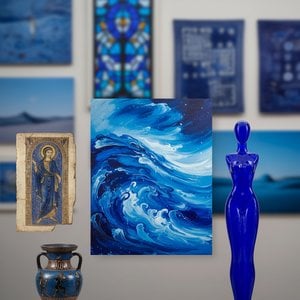
Błękit w Sztuce: Symbolika, Historia i Psychologiczne Oddziaływanie Koloru
Odkryj fascynującą historię błękitu w sztuce! Poznaj symbolikę, psychologię i wpływ tego koloru na arcydzieła renesansu i współczesne trendy. Ekspercka analiza dla miłośników sztuki.

Top 10 Sławnych Obrazów w Odcieniach Szaroniebieskiego – Inspiracje dla Wnętrz | ArtsDot.com
Odkryj 10 najsłynniejszych obrazów w odcieniach szaroniebieskiego! Poznaj historie Claude Moneta, Degasa i Van Gogha. Inspiracje wnętrzarskie i reprodukcje najwyższej jakości na ArtsDot.com – sztuka dla Twojego domu.