


Obraz dostosowuje się do Twoich wyborów: , .
Opis obiektu
René Magritte’s surreal "The First Day" depicts a man playing a violin with his face, alongside two enigmatic figures in a dreamlike scene reflecting the artist's iconic style and period. Discover this captivating artwork and bring its mystery into your space.
 Rozwiń treść
Biografia artysty
René Magritte (1898-1967): Belgijski mistrz surrealizmu! Odkryj jego niezwykłe obrazy, takie jak 'Kochankowie', które kwestionują rzeczywistość i percepcję. #Magritte #Surrealizm
Ręcznie malowana reprodukcja olejowa
Ręcznie malowany obraz olejny na płótnie, wykonany na zamówienie przez naszych artystów w wybranym przez Ciebie wymiarze i oprawie. ( Przełącz na wydania drukowane Przejdź do wersji cyfrowej)
Ten utwór podlega ochronie prawem autorskim
Dzieło sztuki prezentowane na tej stronie podlega ochronie prawem autorskim, co oznacza, że nie mamy prawa do tworzenia ani sprzedaży jego identycznej reprodukcji. Ochrona ta jest egzekwowana na mocy umów międzynarodowych, takich jak Konwencja berneńska oraz przez przepisy prawa krajowego, w tym te określone w Prawo autorskie USA – Tytuł 17.
Jako pełną szacunku i legalną alternatywę oferujemy personalizowane, malowane ręcznie dzieła sztuki inspirowane oryginałem. Nasi wykwalifikowani i profesjonalni artyści starannie analizują styl, nastrój oraz artystyczną esencję pierwowzoru, aby stworzyć nowe, unikalne dzieło, które przywołuje te same emocje – pozostając jednocześnie w pełni oryginalną kreacją.
Metoda ta jest w pełni zgodna z przepisami prawa autorskiego, ponieważ nie polega na kopiowaniu ani powielaniu chronionego dzieła. Stanowi ona kreatywną reinterpretację – nowy obraz, który czerpie inspirację z oryginału, ale nie jest z nim tożsamy.
Więcej o tym obrazie
 Podgląd w skali 1:1
 Wyślij jako kartkę
 Udostępnij
 Szczegóły dzieła
 Przewodnik

 Pobierz obraz
 Podobne obiekty
 RTG
RTG Pokaz slajdów
 Pytania i odpowiedzi
 Statystyki
Zamów swój obraz w czterech prostych krokach
Nie spiesz się. Możesz zmienić każdą odpowiedź; cena w Twoim koszyku będzie aktualizowana po każdym wyborze.
1 Pierwszy z czterech kroków
Który rozmiar wybierasz?
Te rozmiary zachowują proporcje oryginalnego obrazu. Rysunek przedstawia wybrany przez Ciebie format na ścianie, nad dwumetrową sofą.
lub podaj własne wymiary
Wybierz spośród naszych standardowych rozmiarów, które zachowują oryginalne proporcje dzieła sztuki.

Wpisz wymaganą szerokość i wysokość, aby obraz pasował do Twojej ramy lub ściany. Ponieważ jest to dzieło malowane ręcznie, w przypadku rozmiaru o innych proporcjach artysta może domalować nieco więcej wokół obrazu lub przyciąć jego fragmenty — wybór należy do Ciebie. Przed rozpoczęciem pracy prześlemy Ci cyfrową wizualizację do zatwierdzenia. Obraz widoczny na tej stronie nie przedstawia rzeczywistego efektu — jedynie wizualizacja oddaje realny rezultat.
2 Drugi z czterech kroków
W jaki sposób przygotować dzieło: w formie tuby, na krosnach czy w ramie?
Poniższe ceny dotyczą rozmiaru wybranego w pierwszym kroku.
Wybierz krawędzie płótna naciągniętego na ramę
Wybierz ramę

Białe krawędzie zł1

rozmyte krawędzie zł1

Przedłużony zł1

P118B zł10

P118H zł10

P118W zł10

P438Z zł10

P508JH zł12

P508YH zł12

P805H zł10

P805Z zł10

P919BZ zł10

P919G zł10

P919XJ zł10

P959ZH zł10

P968JZ zł12

W106C zł8

W218G zł10

W218JH zł8

W218Y zł10

W307PJ zł10

W316G zł10

W316PJ zł8

W316Y zł10

W398PJ zł8

W4111J zł10

W500HY zł15

W500JH zł15

W692G zł12

W849H zł8

W940BG zł15

W953PJ zł8

H24-GOLD zł30

H24-SILVER zł30

H36-GOLD zł45

H36-SILVER zł45
W oprawie
Profil: . Wymiar całkowity w ramie: .
3 Trzeci z czterech kroków
Czy chcieliby Państwo wprowadzić jakieś zmiany w obrazie?
Większość osób odpowiada przecząco. Ponieważ każdy obraz jest tworzony ręcznie, nasz artysta może również dostosować go do Twoich potrzeb.
Po złożeniu zamówienia zespół ArtsDot.com skontaktuje się z klientem drogą mailową w celu uzyskania instrukcji i prześle podgląd projektu
4 Krok czwarty z czterech
Kilka opcji wykończenia
Wszystkie są opcjonalne. Wybrane już odpowiedzi nie wiążą się z żadnymi dodatkowymi kosztami.
Kto jest autorem?
Dostawa na całym świecie () w ciągu 3–4 tygodni zamiast standardowych 5 tygodni. (3 Listopad). Bez kompromisów w kwestii jakości.
Tabliczka informacyjna, jak w muzeum?
Szczegóły grawerowanej brązowej tabliczki
This elegant plaque features the artist's name and the title of the artwork, finely engraved for a timeless presentation.
It is made from bronze with a refined, elegant finish. The text is precisely laser-engraved for a sharp and permanent result. Measuring 9x2 cm, the plaque is compact yet easy to read. It's built to be durable and scratch-resistant, offering a professional, museum-quality look. Mounting is simple thanks to the included adhesive backing.
Szczegóły przezroczystej tabliczki akrylowej
The plaque includes essential engraved details such as the artist's name, the title of the artwork, the date it was created, the type of media used-like oil on canvas or watercolor-a brief description of the piece, and a QR code that links to the complete artwork information.
It is crafted from clear acrylic, offering a sleek, modern appearance. The text is UV-engraved in black to ensure strong visual contrast. With a size of 10x15 cm, it ensures optimal readability. It comes equipped with two metal hooks for secure wall mounting. The plaque is designed to be weather-resistant, making it suitable for various environments, and it includes interactive features that work seamlessly with smartphone scanning.
Szczegóły czarnej tabliczki akrylowej
This elegant plaque includes engraved information such as the artist's name, the title of the artwork, the date it was created, the type of media used (like oil on canvas or watercolor), a short description of the artwork, and a QR code for quick access to more information.
The plaque itself is made from refined black acrylic with a premium finish. The text is laser-engraved in white for high contrast and readability. Its size is 10x15 cm, designed to be easy to read. It comes with two metal hooks for professional mounting. The design is sleek and fits any interior style. It is also weather-resistant and durable, with built-in digital integration for mobile compatibility.
Werniks ochronny?
Kiedy potrzebujesz dostawy?
✓ Sprawdź i zamów
Twoje dzieło, dokładnie tak, jak zamówiłeś

The first day
Technika reprodukcji
Wymiary reprodukcji
-

Wybitny mistrz artystyczny
Większa szczegółowość, finezja i dodatkowy czas na realizację
-

Opcje oprawy reprodukcji
-
-
W przypadku dzieł sztuki lub reprodukcji, których którykolwiek z boków przekracza 105 cm (około 41 cali), rama zostanie wysłana w formie zestawu do samodzielnego montażu. Metoda ta zapewnia bezpieczną dostawę i zapobiega uszkodzeniom podczas transportu.
Wymagany profesjonalny montaż – nie jest to produkt typu DIY.
Zestaw musi zostać złożony, a płótno naciągnięte przez doświadczonego profesjonalnego ramiarza, przy użyciu kleju do drewna (brak w zestawie), kleszczy do naciągania płótna oraz ścisków, które utrzymają krosna w równej pozycji podczas schnięcia kleju. Nieprawidłowy montaż lub nierównomierne napięcie płótna może trwale uszkodzić dzieło sztuki i nie podlega naszej gwarancji.
 W przypadku dzieł sztuki lub reprodukcji, których którykolwiek z boków przekracza 105 cm (około 41 cali), rama zostanie wysłana w formie zestawu do samodzielnego montażu. Metoda ta zapewnia bezpieczną dostawę i zapobiega uszkodzeniom podczas transportu.
W zestawie znajdują się wszystkie listwy z litego drewna, precyzyjnie docięte do wymiarów.
Montaż odbywa się przy użyciu dołączonych wkrętów oraz kleju do drewna do łączenia narożników, którego zestaw nie zawiera i który musi zostać dostarczony przez ramiarza.
Wymagane są profesjonalne narzędzia, których nie ma w zestawie: kleszcze do naciągania płótna (napinacz) oraz zaciski, które pozwolą utrzymać listwy w równej pozycji podczas schnięcia kleju.
Ważne:
Do połączenia narożników niezbędny jest klej do drewna, listwy należy unieruchomić za pomocą ścisków do momentu całkowitego wyschnięcia kleju, a naciągnięcie płótna na złożoną ramę wymaga użycia kleszczy do naciągania płótna. Żaden z tych elementów nie jest dołączony do zestawu. Przed zamówieniem tego rozmiaru zalecamy konsultację z doświadczonym ramiarzem.

Etykieta obiektu
-
-

Lakier ochronny
Lakier z połyskiem (pogłębia kolory, chroni przed światłem i wilgocią)
-

Personalizacja dzieła
Przykłady możliwości personalizacji: zastąp twarz zdjęciem klienta; dodaj zwierzę domowe (np. zamień kota na psa); umieść ukrytą wiadomość w tle; zmień krajobraz lub elementy tła.
-

Ekspresowa
Dostawa na cały świat () w ciągu 3–4 tygodni zamiast standardowych 5 tygodni. (3 Listopad). Bez kompromisów w kwestii jakości.
-
Przesyłka ekspresowa
Dostawa na cały świat () w ciągu 5 tygodni. (10 Listopad).
W cenie
Cena całkowita
zł 1028
Opcja ze szkłem jest dostępna wyłącznie w rozmiarach poniżej 110 cm
W każdym zamówieniu
- Bezpłatna ekspresowa wysyłka na cały świat
- Wysokiej jakości płótno lniane
- Pełne ubezpieczenie przesyłki
- Gwarancja zwrotu należności celnych i podatków importowych
- Gwarancja wiernego odwzorowania kolorów
- 100-dniowa polityka zwrotów (tylko w przypadku wad)
- Gwarancja 100% zwrotu pieniędzy
- Zniżka przy zakupie wielu sztuk


A Surrealist Enigma: Exploring René Magritte’s “The First Day”
René Magritte's "The First Day," painted in 1943, is not merely a depiction of a man playing the violin; it’s an immersion into the unsettling realm of the subconscious, a quintessential example of Surrealist exploration. This captivating artwork, brimming with ambiguity and quiet drama, invites viewers to confront the very nature of perception and representation – themes central to Magritte's oeuvre. The scene unfolds with a deliberate simplicity that belies its profound psychological depth. A solitary figure, clad in a striking blue jacket, occupies the foreground, his posture suggesting both concentration and a peculiar detachment. He holds his violin aloft, seemingly attempting to play through his nose or mouth – an act simultaneously absurd and deeply evocative.
- Subject Matter: The painting centers around a single individual engaged in an unusual activity, immediately raising questions about intention and meaning.
- Composition: Magritte masterfully employs spatial ambiguity, creating a sense of unease through the placement of the figures and the lack of clear perspective.
- Color Palette: The dominant use of blues and browns contributes to the painting’s melancholic mood, further enhancing its surreal quality.
The Artist's Context: Magritte and the Surrealist Movement
Created during a period of intense artistic experimentation following World War II, “The First Day” reflects the broader concerns of the Surrealist movement. Magritte, deeply influenced by thinkers like Freud, sought to challenge conventional notions of reality, believing that the subconscious held greater truths than the rational mind. His work aligns with the Surrealists’ desire to liberate art from the constraints of logic and reason, embracing dreamlike imagery and unexpected juxtapositions. Born in 1898 in Lessines, Belgium, Magritte's early life was marked by a significant personal tragedy – his mother’s suicide – an event that profoundly shaped his artistic vision and fueled his fascination with hidden meanings and obscured realities. This formative experience is subtly echoed in the veiled figures and enigmatic scenes that would become hallmarks of his style.
Symbolism and Interpretation
The precise symbolism within “The First Day” remains open to interpretation, a characteristic feature of Magritte’s work. The man playing the violin could represent a multitude of things – perhaps lost innocence, thwarted ambition, or simply the futile attempt to impose order on chaos. The two figures in the background, deliberately indistinct, add another layer of mystery, suggesting the presence of unseen forces or alternative realities. The act of attempting to play through the nose is particularly intriguing, potentially symbolizing a desire to bypass conscious thought and access deeper levels of understanding – a common theme within Surrealist art. Magritte’s deliberate refusal to provide definitive answers encourages viewers to actively engage with the artwork and construct their own interpretations.
Technique and Reproduction
Magritte employed a meticulous, almost photographic technique in “The First Day,” utilizing oil paints on canvas with careful attention to detail. His brushstrokes are generally smooth and blended, creating an illusion of realism that paradoxically enhances the painting’s surreal quality. ArtsDot.com offers meticulously crafted hand-painted reproductions of this iconic artwork, ensuring that you experience the full impact of Magritte's vision. Our skilled artisans replicate the original technique with exceptional precision, capturing every nuance of color and texture. Each reproduction is created using archival materials, guaranteeing lasting beauty and preserving the integrity of this timeless masterpiece for generations to come.
Pytania i odpowiedzi
Ile lat miał René Magritte, gdy powstało dzieło „The first day”?
Gdy w 1943 roku powstało dzieło „The first day”, René Magritte – urodzony/a w 1898 – miał/a 45 lat.
Jak intensywne są kolory w „The first day” – René Magritte?
Kolory w „The first day” – René Magritte charakteryzują się Vivid intensywnością.
Czy mogę użyć rozszerzonej rzeczywistości, aby zobaczyć „The first day” – René Magritte w swoim pokoju?
Dzieło „The first day” – René Magritte możesz zobaczyć na własnej ścianie dzięki stronie Podgląd w AR, wykorzystując rozszerzoną rzeczywistość na kompatybilnym urządzeniu.
Podobne dzieła


René Magritte
1898 - 1967, Belgia
Biografia artysty
Early Life and the Seeds of Surrealism
René Magritte, born René François Ghislain Magritte on November 21, 1898, in Lessines, Belgium, emerged into a world that would profoundly shape his enigmatic artistic vision. His early years were marked by an unsettling event – the suicide of his mother when he was just thirteen. The image of her body being recovered from the River Sambre, with her dress obscuring her face, became a haunting motif that would subtly permeate his later work, manifesting in veiled figures and a persistent exploration of hidden realities. This early trauma instilled within him a fascination with mystery, loss, and the unsettling power of what remains unseen. While details of his childhood remain somewhat elusive, it’s clear this formative experience laid the groundwork for his lifelong questioning of perception and representation. He began drawing lessons at age ten, revealing an innate inclination towards visual expression, but initially explored Impressionism before embarking on a path that would lead him to become one of the most significant figures in Surrealist art.Artistic Development and Influences
Magritte’s artistic journey was not immediate or straightforward. He studied at the Académie Royale des Beaux-Arts in Brussels, yet found its traditional methods stifling. His early work experimented with Futurism and Cubism, absorbing elements of these avant-garde movements but ultimately rejecting their purely formal concerns. It wasn't until encountering Giorgio de Chirico’s painting *The Song of Love* in 1922 that Magritte discovered a resonance that would irrevocably alter his artistic course. De Chirico’s dreamlike landscapes and unsettling juxtapositions unlocked within Magritte a new way of seeing – a world where the familiar could be rendered strange, and the ordinary imbued with profound mystery. This encounter sparked his commitment to Surrealism, though he often maintained a unique distance from its more overtly psychological or automatic approaches. He preferred a meticulous, almost clinical precision in his painting, using realistic techniques to depict illogical scenarios.The Heart of Surrealism: Challenging Reality
By 1926, Magritte had fully embraced the tenets of Surrealism, producing *Le Jockey Perdu (The Lost Jockey)*, widely considered his first truly surrealist work. However, his brand of Surrealism was distinct. He wasn’t interested in exploring the subconscious through free association or dream imagery in the manner of some of his contemporaries. Instead, Magritte sought to challenge viewers' perceptions of reality by presenting ordinary objects in unexpected contexts, forcing them to question their assumptions about the world around them. Iconic works like *The Treachery of Images (This is not a pipe)* (1929) brilliantly deconstructs the relationship between image and object, reminding us that a representation is never the thing itself. *Les Amants (The Lovers)* (1927-1928), with its shrouded figures, echoes the trauma of his mother’s death while simultaneously exploring themes of concealment and intimacy. *Time Transfixed* (1938) presents a locomotive bursting through a brick wall, disrupting our sense of space and time. And *The Human Condition* (1933), a canvas within a canvas, blurs the boundaries between representation and reality, prompting us to consider how we perceive and interpret the world.Later Life, Recognition, and Enduring Legacy
Despite initial struggles for recognition, Magritte’s work gradually gained prominence, particularly in the United States with exhibitions in 1936 and later retrospective shows at the Museum of Modern Art (1965) and the Metropolitan Museum of Art (1992). He remained politically engaged throughout his life, advocating for artistic autonomy. He continued to refine his signature style, exploring themes of repetition, illusion, and the power of language in paintings that are both intellectually stimulating and visually arresting. Magritte died on August 15, 1967, leaving behind a body of work that continues to captivate and challenge audiences worldwide. His influence extends far beyond the realm of painting, impacting pop art, minimalist art, conceptual art, and even advertising and film. Today, his paintings are held in major museum collections around the globe, including the Musées royaux des beaux-arts de Belgique in Brussels, which houses the Magritte Museum – dedicated entirely to his work and boasting the world’s largest collection of his creations.- Museum Collections: Musées royaux des beaux-arts de Belgique, Brussels; Magritte Museum.
Magritte's enduring legacy lies in his ability to make us see the familiar anew, to question our assumptions about reality, and to appreciate the power of art to provoke thought and inspire wonder. He wasn’t simply painting images; he was crafting visual paradoxes that continue to resonate with viewers decades after their creation, solidifying his position as a true master of Surrealism and a pivotal figure in 20th-century art.


Powiązane artykuły

10 Arcydzieł Surrealizmu, które Zdefiniowały Sztukę XX Wieku | ArtsDot
Odkryj 10 arcydzieł surrealizmu, które zrewolucjonizowały sztukę! Poznaj historie Dalíego, Magritte'a i innych mistrzów. Reprodukcje obrazów najwyższej jakości na ArtsDot.com – inspiracje dla Twojego wnętrza.
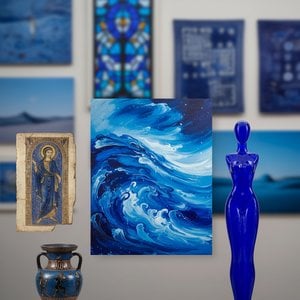
Błękit w Sztuce: Symbolika, Historia i Psychologiczne Oddziaływanie Koloru
Odkryj fascynującą historię błękitu w sztuce! Poznaj symbolikę, psychologię i wpływ tego koloru na arcydzieła renesansu i współczesne trendy. Ekspercka analiza dla miłośników sztuki.

Top 10 Sławnych Obrazów w Odcieniach Szaroniebieskiego – Inspiracje dla Wnętrz | ArtsDot.com
Odkryj 10 najsłynniejszych obrazów w odcieniach szaroniebieskiego! Poznaj historie Claude Moneta, Degasa i Van Gogha. Inspiracje wnętrzarskie i reprodukcje najwyższej jakości na ArtsDot.com – sztuka dla Twojego domu.