


 Zobacz w skali 1:1
 Wyślij
 Udostępnij
 Szczegóły
 Przewodnik

 Pobierz plik obrazu
 Podobne obiekty
 RTG
RTG Pokaz slajdów
 Statystyki
Niosący Anioła Ludom
 Akryl na płótnie
- Sztuka ścienna
- Expressionist Collage
 1994
1994 203.0 x 124.0 cm
 Souls Grown Deep
 Czytaj więcej
Ręcznie malowana reprodukcja olejowa
Ręcznie malowany obraz olejny na płótnie, wykonany na zamówienie przez naszych artystów w wybranym przez Ciebie wymiarze i oprawie. ( Przełącz na wersję drukowaną Przełącz na wersję cyfrową)




P118B $10

P118H $10

P118W $10

P438Z $10

P508JH $12

P508YH $12

P805H $10

P805Z $10

P919BZ $10

P919G $10

P919XJ $10

P959ZH $10

P968JZ $12

W106C $8

W218G $10

W218JH $8

W218Y $10

W307PJ $10

W316G $10

W316PJ $8

W316Y $10

W398PJ $8

W4111J $10

W500HY $15

W500JH $15

W692G $12

W849H $8

W940BG $15

W953PJ $8




Wybierz spośród naszych standardowych rozmiarów, które zachowują oryginalne proporcje dzieła sztuki.

Możesz wprowadzić własne wymiary, aby dopasować obraz do konkretnej ramy lub przestrzeni. Jeśli wybrany rozmiar nie będzie odpowiadał proporcjom oryginału, przytniecie dzieło sztuki lub rozszerzymy je o dodatkowe elementy, ręcznie domalowane przez artystę. Przed rozpoczęciem produkcji wyślemy projekt cyfrowy do Twojej akceptacji.
Należy pamiętać, że podgląd na ekranie nie odzwierciedla rzeczywistego przycinania ani rozszerzania obrazu. Tylko projekt dokładnie pokaże ostateczną kompozycję.
Choć oferujemy możliwość zamówienia niestandardowych rozmiarów, zalecamy wybór wymiaru z gotowej listy, aby zachować oryginalne proporcje dzieła.
Po złożeniu zamówienia zespół ArtsDot.com skontaktuje się z klientem drogą mailową w celu uzyskania instrukcji i prześle wizualizację projektu
Dostawa na całym świecie () w ciągu 3–4 tygodni zamiast standardowych 5 tygodni. (24 Wrzesień). Bez kompromisów w kwestii jakości.

Bezpłatna ekspresowa wysyłka na cały świat

Wysokiej jakości płótno lniane

Pełne ubezpieczenie transportowe

Gwarancja zwrotu należności celnych i podatków importowych

Gwarancja idealnego odwzorowania barw

100-dniowy okres na zwrot dzieła w przypadku wykrycia wad produkcyjnych

Gwarancja 100% zwrotu pieniędzy

Oferta przy zakupie wielu sztuk
 Opcja ze szkłem jest dostępna wyłącznie w rozmiarach poniżej 110 cm

Niosący Anioła Ludom
Technika wykonania
Rozmiar reprodukcji
-


Suma do zapłaty
$ 538
Purvis Young’s Vision of Overtown: A Symphony of Texture and Symbol
Young’s artistic journey began not in a formal studio but amidst the vibrant, challenging streets of Miami's Overtown—a neighborhood that served as both his inspiration and his canvas. Born in Liberty City in 1943, Purvis Young defied conventional artistic paths, prioritizing observation and visceral engagement with his surroundings above all else. His education wasn’t gleaned from textbooks but from immersing himself in art books during periods of incarceration, followed by tireless study at Miami’s public libraries—a testament to his unwavering determination to cultivate his creative intellect independently. This autodidactic approach mirrored the spirit of Overtown itself: a refusal to accept limitations and an insistence on translating its soul onto any medium available.- Subject Matter: The artwork depicts a densely populated scene capturing the essence of urban life, specifically focusing on figures engaged in what appears to be a celebratory procession or gathering. A prominent horse-like creature dominates the composition, surrounded by numerous human forms—a motif that speaks to themes of leadership and collective experience.
- Style: Young’s style leans heavily into expressionism, characterized by loose brushstrokes and gestural lines that convey movement and energy. However, it transcends simple categorization through elements of collage, resulting in a fragmented aesthetic that reflects the complexities of Overtown's social landscape.
Technique: Assemblage and Layered Texture
Young’s technique was revolutionary for its time—a deliberate rejection of traditional painting methods. He painstakingly assembled his artworks using an astonishing array of discarded materials sourced directly from Overtown: plywood, broken furniture fragments, mirrors, wallpaper samples, carpet scraps, metal trays, record albums, and even bank statements – remnants of daily life that held profound symbolic significance for Young. These elements weren’t merely decorative; they were carefully chosen to resonate with his artistic vision—each possessing an original purpose and contributing to the overall textural richness of the piece. The finished canvases are often framed using repurposed wood fragments painted themselves, furthering this commitment to repurposing and transforming ordinary objects into extraordinary expressions of art.Color Palette & Composition: Warmth Amidst Chaos
The artwork’s color palette is dominated by warm hues—primarily reds, yellows, and browns—creating an atmosphere of vibrancy and passion. These tones are punctuated by splashes of green and subtle blues and whites, offering visual contrast without disrupting the dominant mood. The flattened perspective contributes to a sense of immediacy, prioritizing emotional impact over realistic representation. Lines are loose and energetic, guiding the viewer’s eye across the canvas and emphasizing the dynamism inherent in the scene. Shapes are organic and irregular, mirroring the unpredictable nature of urban life and reflecting Young's desire to capture raw emotion rather than polished aesthetics.Symbolism & Emotional Resonance
Beyond its visual elements, “Carrying the Angel to the People” embodies deep symbolic meaning. The horse-like creature represents leadership and resilience—a powerful emblem mirroring the spirit of Overtown’s inhabitants who persevere despite adversity. The collage materials themselves serve as conduits for storytelling, each object bearing witness to the daily rhythms of the community. Young's work evokes a palpable sense of energy and unease – a reflection of the social realities he sought to portray with unflinching honesty. It invites contemplation on themes of faith, hope, and collective identity—a poignant reminder that art can illuminate the human condition in its most profound form.Concluding Thoughts: A Legacy of Authentic Expression
Purvis Young’s enduring legacy lies not in adherence to artistic conventions but in his unwavering commitment to capturing the soul of Overtown through a uniquely inventive and emotionally resonant style. “Carrying the Angel to the People” stands as a testament to this vision—a captivating artwork that continues to inspire admiration for its boldness, originality, and profound connection to its time and place.Podobne dzieła


Biografia artysty
A Life Forged in Overtown: The Story of Purvis Young
Purvis Young’s art wasn't born in a studio, but on the streets of Miami’s Overtown neighborhood—a place he didn’t just depict, but *lived* and breathed. Born in Liberty City in 1943, Young’s journey was one of self-discovery fueled by hardship, observation, and an unwavering dedication to translating the soul of his community onto any surface he could find. He wasn't formally trained; his education came from immersing himself in art books during a period of incarceration, and then through relentless study at Miami’s public libraries. This autodidacticism became central to his artistic identity—a refusal to conform to established norms, mirroring the resilience of Overtown itself. His early life was marked by challenges, including time spent in prison for breaking and entering, an experience that profoundly shaped his worldview and ultimately ignited a creative fire within him. Upon release, he didn’t seek out galleries or mentors; instead, he turned inward, finding inspiration in the decaying beauty and vibrant humanity surrounding him.The Alchemy of Found Objects
Young's artistic process was as unique as his vision. He wasn’t interested in pristine canvases or expensive materials. Instead, he scavenged Overtown—a neighborhood undergoing dramatic change and decline—for discarded wood, scrap metal, old books, fragments of wallpaper, and anything else that caught his eye. These weren’t simply *materials*; they were the very essence of the community he sought to represent. He transformed these castoffs into powerful assemblages, layering drawings, paintings, and text in a chaotic yet strangely harmonious manner. This technique wasn't merely about resourcefulness; it was a deliberate act of reclamation—giving voice to the forgotten and overlooked. His work often features recurring motifs: horses symbolizing freedom, angels representing spirituality, and fragmented figures engaged in ritualistic acts, all rendered with an expressive rawness that conveys both despair and hope. The surfaces are textured, layered, and often distressed, mirroring the physical and emotional landscape of Overtown. He didn’t just paint *about* the neighborhood; he painted *with* it, incorporating its very fabric into his art.Echoes of Influence and a Singular Voice
While largely self-taught, Young wasn't entirely isolated from artistic currents. The mural movement of the 1960s resonated with him, inspiring him to create large-scale works directly within Overtown—transforming dilapidated walls into vibrant canvases that documented the lives and struggles of its residents. He absorbed influences from a wide range of sources, evident in his eclectic style, yet he never imitated. His work possesses a distinct aesthetic—a raw energy, a chaotic beauty, and a poignant social commentary that sets him apart. Some critics have noted echoes of Expressionism and Surrealism in his imagery, but these are filtered through the unique lens of his personal experience and cultural context. He wasn’t interested in replicating existing styles; he was intent on forging his own visual language—one that could capture the complexities of urban life and the resilience of the human spirit.A Chronicle of a Community
Purvis Young's significance extends far beyond aesthetics. His work serves as an invaluable historical document, preserving the memory of Overtown during a period of profound transformation and social upheaval. He captured the essence of a community facing displacement, poverty, and systemic injustice—giving voice to those who were often marginalized and ignored. His art is a powerful commentary on the African American experience in the South, exploring themes of resilience, spirituality, and the enduring search for dignity. Moreover, his success as a self-taught artist challenges conventional notions of artistic training, demonstrating that true creativity can flourish outside the confines of academia. He reminds us that art isn’t just about technical skill; it's about vision, passion, and the courage to tell your story—even when that story is difficult or uncomfortable.Recognition and Lasting Legacy
For years, Young’s work circulated primarily within a devoted local following. Collectors like Jane Fonda, Damon Wayans, Jim Belushi, and Dan Aykroyd recognized the power and originality of his vision early on, providing crucial support during a time when mainstream art institutions largely overlooked him. The documentary Purvis of Overtown brought wider attention to his life and work, but it was ultimately the increasing recognition from museums and galleries that solidified his place in art history. Today, his paintings are held in prestigious collections worldwide, including the American Folk Art Museum, the Pérez Art Museum Miami, and the Smithsonian American Art Museum. In 2018, he was posthumously inducted into the Florida Artists Hall of Fame—a testament to his enduring impact on the state’s artistic heritage. His legacy continues to inspire artists and viewers alike, urging us to look beyond the surface and engage with the complexities of the world around us.
Purvis Young
1943 - 2010 , Stany Zjednoczone
Najważniejsze informacje
- Artistic Movement Or Style: Wyrażeniowiec społeczny
- Date Of Birth: 4 lutego 1943
- Date Of Death: 20 kwietnia 2010
- Full Name: Purvis Young
- Nationality: Amerykański
- Notable Artworks: ['Nierozpoznane obrazy']
- Place Of Birth: Liberty City, USA
Zobacz także powiązane artykuły
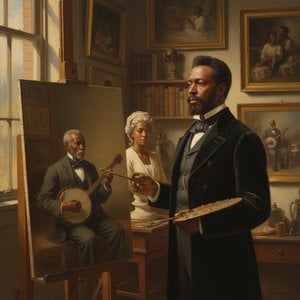
Henry Ossawa Tanner: Pioneering African American Representation in 19th-Century Art
Explore the life and groundbreaking work of Henry Ossawa Tanner, a pioneering African American artist who achieved international acclaim with his deeply spiritual and realistic paintings. Discover his legacy at ArtsDot.

Joseph Stella: Modernism's Dynamic Vision of Industry, Urban Life & the American Spirit
Explore the captivating world of Joseph Stella, a pioneer of American Modernism. Discover his iconic depictions of industry, urban life & the Brooklyn Bridge. Expert analysis for art collectors.

Amerykański Realizm: 10 Arcydzieł, Które Zdefiniowały Epokę | ArtsDot
Poznaj 10 arcydzieł amerykańskiego realizmu! Odkryj historie Winslowa Homera, Edwarda Hoppera i innych mistrzów. Reprodukcje obrazów najwyższej jakości – inspiracje do Twojego wnętrza na ArtsDot.com

Grant Wood & American Regionalism: Identity, Myth & the Rural Landscape
Explore the world of Grant Wood & American Regionalism with ArtsDot. Discover the symbolism behind 'American Gothic', recurring themes, and the movement's lasting impact on art history. High-quality reproductions available.
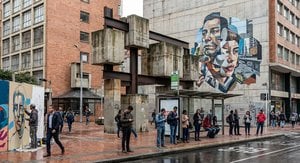
Betonowe Narracje: Miasto w Sztuce Nowoczesnej – Od Realizmu do Interpretacji Artystycznej
Odkryj ewolucję wizualnej reprezentacji miasta w sztuce nowoczesnej i współczesnej. Analiza kluczowych nurtów – od realizmu do surrealizmu – dla kolekcjonerów i pasjonatów.


