


The picture follows your choices: , .
Opis obiektu
Bernini’s artistic legacy extends beyond ‘The Assumption,’ encompassing collaborations with his son Gian Lorenzo and architectural achievements like Palazzo Barberini. His influence on subsequent generations of artists solidified his position as Michelangelo’s successor, shaping the visual language of Baroque Rome.
 Rozwiń treść
Biografia artysty
Pietro Bernini (1562-1629) was an Italian Mannerist sculptor & father of Gian Lorenzo Bernini. Known for Baroque contributions like the Fontana della Barcaccia, his work influenced Roman art.
Ręcznie malowana reprodukcja olejowa
Ręcznie malowany obraz olejny na płótnie, wykonany na zamówienie przez naszych artystów w wybranym przez Ciebie wymiarze i oprawie. ( Przełącz na wydania drukowane Przejdź do wersji cyfrowej)
More about this painting
 Podgląd w skali 1:1
 Wyślij jako kartkę
 Udostępnij
 Szczegóły dzieła
 Przewodnik

 Pobierz obraz
 Podobne obiekty
 RTG
RTG Pokaz slajdów
 Q&A
Q&A Statystyki
Order your painting in four simple steps
Take your time. You can change any answer; the price in your order card follows each choice.
1 Step one of four
Which size would you like?
These sizes keep the proportions of the original painting. The drawing shows your choice on a wall, above a two-metre sofa.
Or give your own measurements
Wybierz spośród naszych standardowych rozmiarów, które zachowują oryginalne proporcje dzieła sztuki.

Wpisz wymaganą szerokość i wysokość, aby obraz pasował do Twojej ramy lub ściany. Ponieważ jest to dzieło malowane ręcznie, w przypadku rozmiaru o innych proporcjach artysta może domalować nieco więcej wokół obrazu lub przyciąć jego fragmenty — wybór należy do Ciebie. Przed rozpoczęciem pracy prześlemy Ci cyfrową wizualizację do zatwierdzenia. Obraz widoczny na tej stronie nie przedstawia rzeczywistego efektu — jedynie wizualizacja oddaje realny rezultat.
2 Step two of four
How should it be prepared: rolled, stretched or framed?
The prices below are for the size you chose in step one.
Choose the edges of the stretched canvas
Choose your frame

White zł1

Blurside zł1

Extended zł1

P118B zł10

P118H zł10

P118W zł10

P438Z zł10

P508JH zł12

P508YH zł12

P805H zł10

P805Z zł10

P919BZ zł10

P919G zł10

P919XJ zł10

P959ZH zł10

P968JZ zł12

W106C zł8

W218G zł10

W218JH zł8

W218Y zł10

W307PJ zł10

W316G zł10

W316PJ zł8

W316Y zł10

W398PJ zł8

W4111J zł10

W500HY zł15

W500JH zł15

W692G zł12

W849H zł8

W940BG zł15

W953PJ zł8

H24-GOLD zł30

H24-SILVER zł30

H36-GOLD zł45

H36-SILVER zł45
W oprawie
Moulding: . Overall size with the frame: .
3 Step three of four
Would you like anything changed in the painting?
Most people answer no. Because each painting is made by hand, our artist can also adapt it for you.
After order, ArtsDot.com team will email client for instructions and provide a mockup preview
4 Step four of four
A few finishing options
All of them are optional. The answers already selected cost nothing extra.
Who paints it?
Dostawa na całym świecie () w ciągu 3–4 tygodni zamiast standardowych 5 tygodni. (31 Październik). Bez kompromisów w kwestii jakości.
A nameplate, as in a museum?
Szczegóły grawerowanej brązowej tabliczki
This elegant plaque features the artist's name and the title of the artwork, finely engraved for a timeless presentation.
It is made from bronze with a refined, elegant finish. The text is precisely laser-engraved for a sharp and permanent result. Measuring 9x2 cm, the plaque is compact yet easy to read. It's built to be durable and scratch-resistant, offering a professional, museum-quality look. Mounting is simple thanks to the included adhesive backing.
Szczegóły przezroczystej tabliczki akrylowej
The plaque includes essential engraved details such as the artist's name, the title of the artwork, the date it was created, the type of media used-like oil on canvas or watercolor-a brief description of the piece, and a QR code that links to the complete artwork information.
It is crafted from clear acrylic, offering a sleek, modern appearance. The text is UV-engraved in black to ensure strong visual contrast. With a size of 10x15 cm, it ensures optimal readability. It comes equipped with two metal hooks for secure wall mounting. The plaque is designed to be weather-resistant, making it suitable for various environments, and it includes interactive features that work seamlessly with smartphone scanning.
Szczegóły czarnej tabliczki akrylowej
This elegant plaque includes engraved information such as the artist's name, the title of the artwork, the date it was created, the type of media used (like oil on canvas or watercolor), a short description of the artwork, and a QR code for quick access to more information.
The plaque itself is made from refined black acrylic with a premium finish. The text is laser-engraved in white for high contrast and readability. Its size is 10x15 cm, designed to be easy to read. It comes with two metal hooks for professional mounting. The design is sleek and fits any interior style. It is also weather-resistant and durable, with built-in digital integration for mobile compatibility.
A protective varnish?
When do you need it?
✓ Check and order
Your painting, as you ordered it

The Assumption
Technika reprodukcji
Wymiary reprodukcji
-

Wybitny mistrz artystyczny
Większa szczegółowość, finezja i dodatkowy czas na realizację
-

Opcje oprawy reprodukcji
-
-
W przypadku dzieł sztuki lub reprodukcji, których którykolwiek z boków przekracza 105 cm (około 41 cali), rama zostanie wysłana w formie zestawu do samodzielnego montażu. Metoda ta zapewnia bezpieczną dostawę i zapobiega uszkodzeniom podczas transportu.
Wymagany profesjonalny montaż – nie jest to produkt typu DIY.
Zestaw musi zostać złożony, a płótno naciągnięte przez doświadczonego profesjonalnego ramiarza, przy użyciu kleju do drewna (brak w zestawie), kleszczy do naciągania płótna oraz ścisków, które utrzymają krosna w równej pozycji podczas schnięcia kleju. Nieprawidłowy montaż lub nierównomierne napięcie płótna może trwale uszkodzić dzieło sztuki i nie podlega naszej gwarancji.
 W przypadku dzieł sztuki lub reprodukcji, których którykolwiek z boków przekracza 105 cm (około 41 cali), rama zostanie wysłana w formie zestawu do samodzielnego montażu. Metoda ta zapewnia bezpieczną dostawę i zapobiega uszkodzeniom podczas transportu.
W zestawie znajdują się wszystkie listwy z litego drewna, precyzyjnie docięte do wymiarów.
Montaż odbywa się przy użyciu dołączonych wkrętów oraz kleju do drewna do łączenia narożników, którego zestaw nie zawiera i który musi zostać dostarczony przez ramiarza.
Wymagane są profesjonalne narzędzia, których nie ma w zestawie: kleszcze do naciągania płótna (napinacz) oraz zaciski, które pozwolą utrzymać listwy w równej pozycji podczas schnięcia kleju.
Ważne:
Do połączenia narożników niezbędny jest klej do drewna, listwy należy unieruchomić za pomocą ścisków do momentu całkowitego wyschnięcia kleju, a naciągnięcie płótna na złożoną ramę wymaga użycia kleszczy do naciągania płótna. Żaden z tych elementów nie jest dołączony do zestawu. Przed zamówieniem tego rozmiaru zalecamy konsultację z doświadczonym ramiarzem.

Etykieta obiektu
-
-

Lakier ochronny
Lakier z połyskiem (pogłębia kolory, chroni przed światłem i wilgocią)
-

Personalizacja dzieła
Przykłady możliwości personalizacji: zastąp twarz zdjęciem klienta; dodaj zwierzę domowe (np. zamień kota na psa); umieść ukrytą wiadomość w tle; zmień krajobraz lub elementy tła.
-

Ekspresowa
Dostawa na cały świat () w ciągu 3–4 tygodni zamiast standardowych 5 tygodni. (31 Październik). Bez kompromisów w kwestii jakości.
-
Przesyłka ekspresowa
Dostawa na cały świat () w ciągu 5 tygodni. (7 Listopad).
W cenie
Cena całkowita
zł 1023
Opcja ze szkłem jest dostępna wyłącznie w rozmiarach poniżej 110 cm
Included with every order
- Bezpłatna ekspresowa wysyłka na cały świat
- Wysokiej jakości płótno lniane
- Pełne ubezpieczenie przesyłki
- Gwarancja zwrotu należności celnych i podatków importowych
- Gwarancja wiernego odwzorowania kolorów
- 100-dniowa polityka zwrotów (tylko w przypadku wad)
- Gwarancja 100% zwrotu pieniędzy
- Zniżka przy zakupie wielu sztuk


The Assumption by Pietro Bernini
Pietro Bernini’s “The Assumption,” completed between 1607 and 1610, stands as one of the most iconic representations of Marian devotion within the Baroque artistic tradition. Situated in Santa Maria Maggiore Basilica, Rome—a site steeped in papal history and religious significance—the sculpture embodies Bernini's unparalleled mastery of marble carving and his profound understanding of theatrical composition. It’s a monumental work that transcends mere depiction; it strives to convey an experience of transcendent beauty and spiritual awe.- Subject Matter: The sculpture portrays the Virgin Mary ascending into heaven, embodying the Catholic dogma concerning her immaculate conception and glorious resurrection. This event is central to Christian theology, symbolizing divine grace and redemption.
- Style & Technique: Bernini’s approach aligns perfectly with the Baroque aesthetic—characterized by dynamism, dramatic lighting, and emotional intensity. He employs a technique known as “contrapposto,” where Mary’s torso tilts slightly away from the viewer, creating an illusion of movement and conveying her serene dignity. The sculpture utilizes meticulous detail to capture the folds of Mary's robes, the delicate expressions on her face, and the intricate patterns adorning the angelic figures surrounding her.
- Historical Context: Created during Pope Paul V’s reign—a period marked by fervent piety and artistic patronage—the Assumption reflects the broader cultural climate of Rome at the time. Bernini's commission was driven by a desire to elevate the basilica’s spiritual stature and solidify papal authority. The sculpture served as a powerful symbol of papal piety and divine providence.
- Symbolism: The sculpture is laden with symbolic references. Mary’s outstretched hand gestures towards God, signifying prayer and supplication—a gesture that underscores humanity's yearning for divine grace. The radiant halo encircling Mary’s head symbolizes her holiness and divinity, while the angelic figures convey reverence and adoration. The clouds beneath Mary represent heaven itself, emphasizing the ascension into eternal glory.
- Emotional Impact: “The Assumption” aims to inspire contemplation and evoke a profound emotional response in viewers. Bernini's masterful manipulation of marble creates an illusion of palpable movement—drawing the eye upwards towards Mary’s figure and immersing the spectator in a realm of ethereal beauty. The sculpture’s grandeur and meticulous detail serve as testament to Bernini’s artistic genius, leaving visitors breathless with wonder and reverence.
Pytania i odpowiedzi
Jaki nastrój oddaje „The Assumption” – Pietro Bernini w ramach nurtu Baroque?
W nurcie Baroque dzieło „The Assumption” zostało ujęte w Powerful tonie.
Czy mogę zamówić olejną reprodukcję "The Assumption"?
Ręcznie malowaną reprodukcję dzieła „The Assumption” – Pietro Bernini można zamówić bezpośrednio na stronie Ręcznie malowana reprodukcja: ręcznie malowana reprodukcja olejowa na płótnie lnianym, tworzoną na specjalne zamówienie.
Jaki nastrój i emocje łączą się w "The Assumption"?
W "The Assumption" nastrojowi Dramatic towarzyszy emocja Powerful.
Podobne dzieła


Pietro Bernini
1562 - 1629, Italy
Biografia artysty
Pietro Bernini: Life and Legacy
Early Life and Training
- Born: Sesto Fiorentino, Tuscany, Italy in 1562.
- Pietro Bernini emerged during the late Mannerist period, a time of stylistic transition in Italian art. His early training likely involved exposure to the prevailing artistic trends of Florence, characterized by elegance and refinement.
- Details regarding his initial apprenticeship remain somewhat scarce, but it’s understood he developed foundational skills in sculpture before relocating to Naples.
Naples and Family Beginnings
- Bernini moved to Naples to contribute to the artistic embellishment of the Certosa di San Martino, a significant religious complex.
- Significant Event: It was in Naples that he met and married Domenica Pizzuti, and their son, the future Baroque master Gian Lorenzo Bernini, was born in 1598.
- This period marked a crucial turning point, laying the groundwork for a family dynasty of artists.
Rome and Papal Patronage
- Relocation: In 1605, the Bernini family relocated to Rome under the protection of Cardinal Scipione Borghese, a powerful figure in the Roman art world.
- Pietro quickly secured commissions from Pope Paul V (also a Borghese), contributing to projects such as the Pauline Chapel within the Basilica of Santa Maria Maggiore. This marked his entry into the heart of Roman artistic activity.
- Influence: The patronage of the Borghese family proved instrumental in establishing Pietro’s career and providing opportunities for both him and, eventually, his son.
Major Works and Artistic Style
- Fontana della Barcaccia: Perhaps his most celebrated work, the Fontana della Barcaccia (Fountain of the Old Boat) at the foot of the Spanish Steps in Rome. Completed in 1627, it’s a striking example of Baroque ingenuity, resembling a beached ship.
- Other Notable Works: Contributions to the Fountain of Neptune in Naples (completed between 1600-1601), and sculptural work within Santa Maria Maggiore.
- Artistic Style: Pietro’s style blended Mannerist elegance with emerging Baroque dynamism. His sculptures often exhibit a sense of movement, emotional intensity, and dramatic flair.
Collaboration and Legacy
- Early Collaboration with Gian Lorenzo: Pietro initially collaborated with his son on projects like the Boy with a Dragon (1617), showcasing early signs of Gian Lorenzo’s exceptional talent.
- Shift in Roles: As Gian Lorenzo's abilities surpassed his own, Pietro willingly transitioned into a supportive role, often acting as an assistant to his son. This demonstrates a remarkable level of artistic maturity and familial dedication.
- Historical Significance: While overshadowed by his son’s immense fame, Pietro Bernini played a vital role in shaping the Roman Baroque landscape. His work paved the way for Gian Lorenzo's groundbreaking achievements and contributed to the flourishing of art during this period.
- Death: Pietro Bernini died in Rome in 1629 at the age of 67, leaving behind a legacy as both a skilled sculptor and the father of one of history’s greatest artists.
Powiązane artykuły
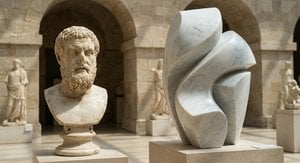
Urok marmuru w historii sztuki: od klasycznej rzeźby do nowoczesnej abstrakcji
Odkryj fascynującą historię rzeźby marmurowej – od klasycznych arcydzieł po nowoczesną abstrakcję. Poznaj techniki, artystów i wartość kolekcjonerską tego wyjątkowego medium. Ekspercka analiza dla miłośników sztuki.

Trwała Forma: Rzeźba w Historii – Technika i Rezonans Emocjonalny
Poznaj historię rzeźby od antyku do współczesności! Ekspercka analiza technik, stylów i emocjonalnego wpływu arcydzieł. Inspiracje dla kolekcjonerów i miłośników sztuki.

Trwałe Formy: Ewolucja Technik i Tematów w Rzeźbie Przez Wieki – Od Antyku do Renesansu
Poznaj fascynującą historię rzeźby od antyku do renesansu! Odkryj techniki, wybitnych artystów i wpływ na współczesną sztukę. Ekspercka analiza dla kolekcjonerów i miłośników.