

 Podgląd w skali
 Wyślij jako kartkę
 Udostępnij
 Szczegóły dzieła

 Pobierz
 Podobne obiekty
 RTG
RTG Pokaz slajdów
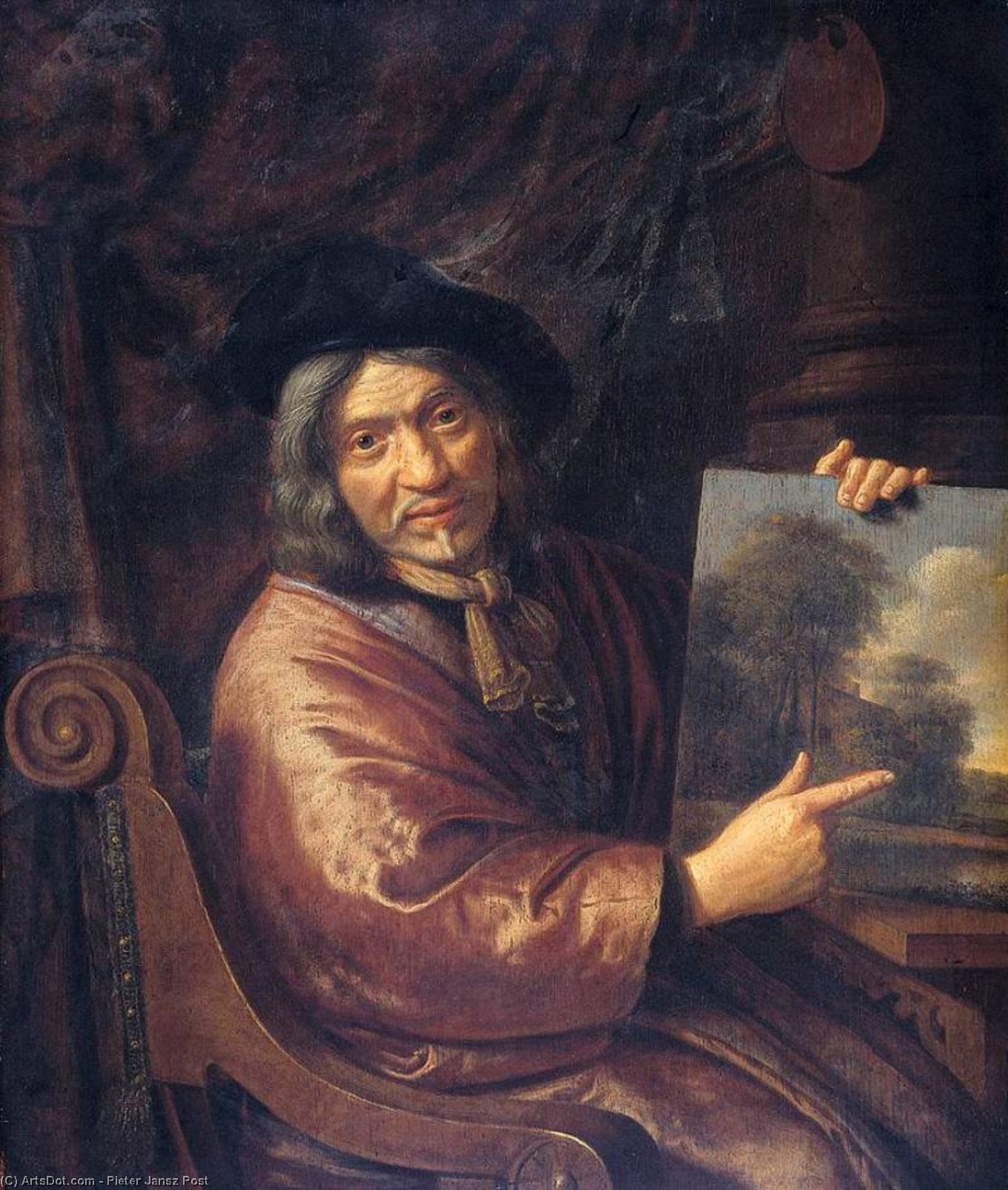
Self-portrait

 Rozwiń treść
Kup wysokiej rozdzielczości, ulepszony obraz cyfrowy o znacznie wyższej jakości niż podgląd online.
Każdy plik jest starannie przygotowywany przez naszych specjalistów przy użyciu zaawansowanych narzędzi oraz profesjonalnej, ręcznej retuszy. Dbamy o to, aby każdy obraz cechował się wyjątkową ostrością, precyzyjnym odwzorowaniem kolorów i subtelnymi detalami.
Ostateczny plik dostarczany jest drogą mailową w ciągu 72 godzin, zoptymalizowany do natychmiastowego wykorzystania w profesjonalnych zastosowaniach redakcyjnych i poligraficznych. To ta sama jakość, której ufają czołowe studia projektowe, wydawnictwa oraz galerie sztuki.
Obraz cyfrowy
Pobierz plik o wysokiej rozdzielczości do osobistego wyświetlania, druku oraz projektów kreatywnych. ( Zamów wydruk Zamów ręcznie malowaną reprodukcję)
W każdym zamówieniu na obraz cyfrowy znajduje się
Profesjonalna dostawa cyfrowa z gwarancją
Wybierając ArtsDot.com, nie otrzymujesz jedynie obrazu – otrzymujesz profesjonalnie udoskonalone cyfrowe dzieło sztuki, stworzone z najwyższą precyzją i objęte gwarancją satysfakcji. Oto wszystko, co automatycznie dołączane jest do Twojego zamówienia:

Błyskawiczna wysyłka e-mailowa
Plik z obrazem cyfrowym w wysokiej rozdzielczości zostanie przesłany na Twój adres e-mail w ciągu 72 godzin od złożenia zamówienia – gotowy do natychmiastowego użycia.

Plik cyfrowy wzbogacony przez AI
Twoja grafika została profesjonalnie zoptymalizowana przy użyciu zaawansowanych narzędzi AI oraz ręcznej edycji, co zapewnia maksymalną szczegółowość, klarowność i wierność kolorów.

Dożywotnia darmowa ponowna dostawa
Przypadkowo usunąłeś lub zgubiłeś swój plik? Bez obaw – prześlemy go Tobie ponownie w dowolnym momencie, bez żadnych opłat.

Bez opłat importowych – zawsze
Ciesz się swoją sztuką natychmiast, bez żadnych opłat celnych, należności ani kosztów dostawy – pliki cyfrowe są zawsze wolne od podatku.

Gwarancja wierności kolorów
Dzięki zastosowaniu profesjonalnych narzędzi i procesów zarządzania barwą zapewniamy, że Twoje cyfrowe zdjęcie odzwierciedla oryginalne kolory tak wiernie, jak to tylko możliwe.

60-dniowa gwarancja satysfakcji
Jeśli nie będziesz zadowolony ze swojego cyfrowego obrazu, dokonamy jego poprawki lub zwrócimy 100% kosztów w ciągu 60 dni – bez żadnych pytań.

100% Gwarancja zwrotu pieniędzy
Nie jesteś zadowolony? Otrzymaj pełny zwrot kosztów w ciągu 60 dni od otrzymania pliku cyfrowego – bez zbędnych pytań.

Rabaty przy zamówieniach hurtowych
Kup 3 obrazy, oszczędź 10% - Kup 5, oszczędź 15% - Kup 10+, oszczędź 20%. Idealne do projektów kreatywnych, galerii i agencji.
Podobne dzieła


Biografia artysty
The Architect of Dutch Baroque Harmony
Pieter Jansz Post stands as a pivotal figure in the Dutch Golden Age, a master whose creative spirit bridged the gap between the structural precision of architecture and the evocative beauty of landscape painting. Born in Haarlem in 1608, Post was immersed in an artistic lineage from his earliest days; he was the son of a skilled stained-glass painter and the elder brother to the renowned landscape artist Frans Post. This familial foundation provided him with more than just technical training; it offered a deep connection to the vibrant guild systems of the Netherlands, where the boundaries between different artistic disciplines were often fluid and interconnected.
His early career was marked by a dual mastery that would define his legacy. While he began his journey in Haarlem as a painter—producing notable battle scenes and landscapes during the 1630s—it was his architectural vision that would eventually reshape the physical landscape of the Netherlands. Post’s talent for capturing the atmospheric nuances of nature was matched by an innate understanding of symmetry, grandeur, and classical order. This rare combination allowed him to approach both canvas and stone with a singular, cohesive aesthetic sense, making him a true polymath of the seventeenth century.
A Legacy in Stone and Symmetry
The most enduring chapter of Post’s life was written through his profound architectural collaborations, most notably with Jacob van Campen. Together, this duo became the architects of Dutch Classicism, a style that sought to bring the refined elegance of the Renaissance to the burgeoning Dutch Republic. Their partnership was instrumental in designing some of the most iconic structures in the Netherlands, including the legendary Mauritshuis in The Hague. This palace, designed to reflect maritime prowess and cultural sophistication, remains a testament to their shared ability to blend monumental scale with delicate ornamentation.
Post’s architectural influence extended far beyond a single building. His hand can be seen in the very fabric of Dutch civic and royal life, serving as an overseer for significant additions to Paleis Noordeinde and acting as the architect for Huis ten Bosch under the patronage of Stadhouder Frederik Hendrik. His portfolio of work is a sprawling map of Dutch history, encompassing:
- The Mauritshuis: A masterpiece of Dutch Baroque design and a symbol of national identity.
- Huis ten Bosch: A project showcasing his ability to execute royal commissions with grandeur.
- Civic Landmarks: Including the Gebouw van de Staten van Holland and various weigh houses like the De Waag in Leiden.
- Ecclesiastical Works: Such as the Oostkerk in Middelburg, where his sense of space and light found expression in sacred architecture.
The Painter’s Eye and Historical Significance
While history often remembers him for the permanence of his buildings, Post’s contributions to painting offered a more intimate window into the Dutch soul. His early works, such as View of the bleaching fields near Haarlem (1631), demonstrate a keen interest in the topographical realities and the shifting light of the Low Countries. Unlike his brother Frans, who would go on to document the exotic landscapes of Brazil, Pieter’s focus remained deeply rooted in the familiar, yet transformed, landscapes of his homeland through a lens of classical refinement.
The significance of Pieter Jansz Post lies in his ability to harmonize the disparate elements of his era. He did not merely build walls or paint trees; he constructed an aesthetic language that communicated authority, stability, and beauty. Through his work, the Dutch Golden Age found a visual rhythm—a balance between the rugged reality of the terrain and the idealized order of classical architecture. Even as the centuries passed, his influence persisted through his descendants, including his son Maurits, who followed in his architectural footsteps, ensuring that the Post name remained synonymous with the structural and artistic elegance of the Netherlands.

Pieter Jansz Post
1608 - 1669 , Netherlands
Krótka nota
- Artistic Movement Or Style: Baroque
- Artists Or Movements Influenced By This Artist: ['Mauritshuis']
- Artists Who Influenced This Artist: ['Jacob van Campen']
- Date Of Birth: May 1, 1608
- Date Of Death: May 8, 1669
- Full Name: Pieter Jansz Post
- Nationality: Dutch
- Notable Artworks:
- Italianate Landscape With The Parting Of Jacob And Laban
- Landscape
- Place Of Birth: Haarlem, Netherlands

