

 Podgląd w skali
 Wyślij jako kartkę
 Udostępnij
 Szczegóły dzieła

 Pobierz
 Podobne obiekty
 RTG
RTG Pokaz slajdów
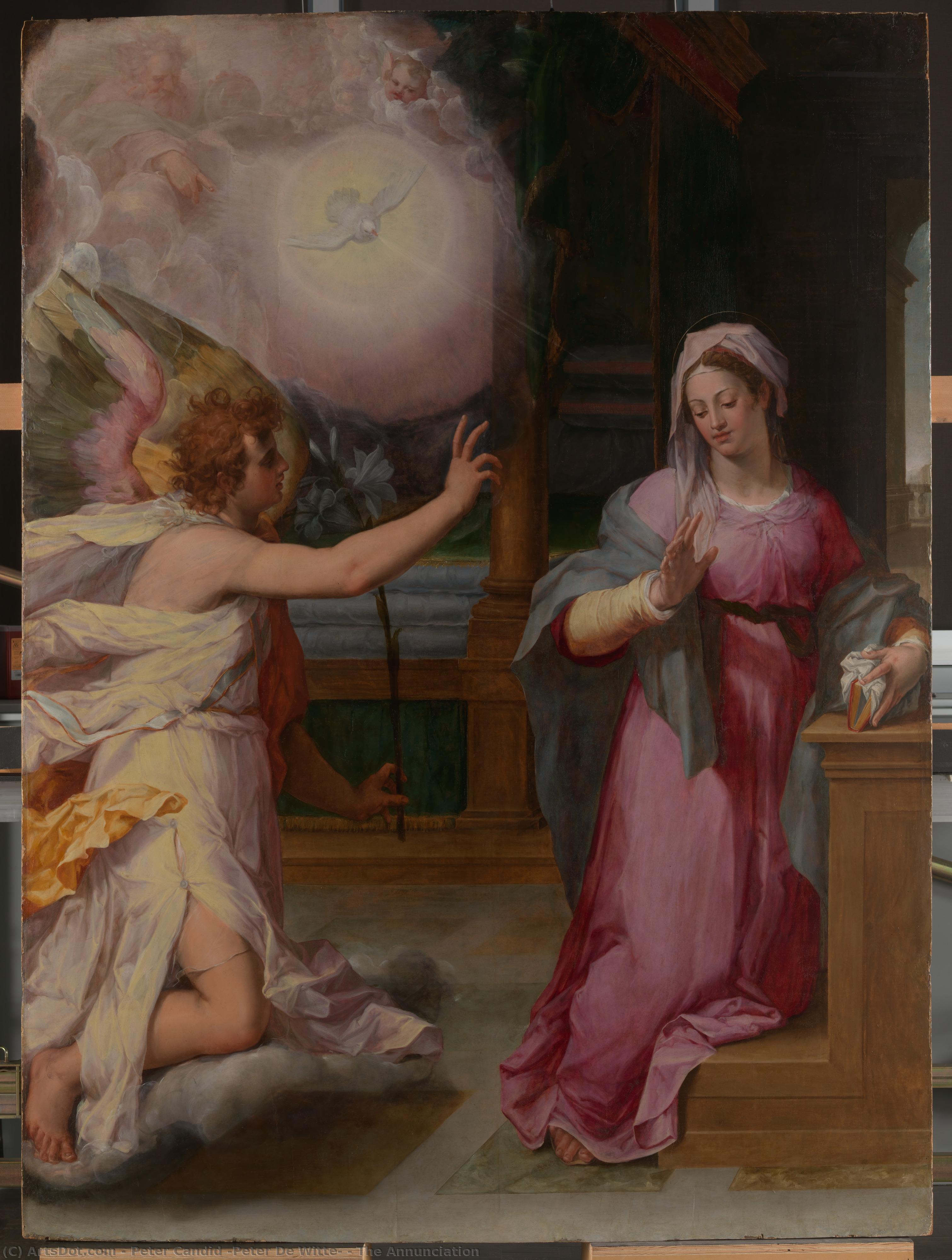
The Annunciation
 Oil On Canvas
- WallArt
- Baroque
 1585
1585 232.0 x 173.0 cm
 Metropolitan Museum of Art
 Rozwiń treść
Kup wysokiej rozdzielczości, ulepszony obraz cyfrowy o znacznie wyższej jakości niż podgląd online.
Każdy plik jest starannie przygotowywany przez naszych specjalistów przy użyciu zaawansowanych narzędzi oraz profesjonalnej, ręcznej retuszy. Dbamy o to, aby każdy obraz cechował się wyjątkową ostrością, precyzyjnym odwzorowaniem kolorów i subtelnymi detalami.
Ostateczny plik dostarczany jest drogą mailową w ciągu 72 godzin, zoptymalizowany do natychmiastowego wykorzystania w profesjonalnych zastosowaniach redakcyjnych i poligraficznych. To ta sama jakość, której ufają czołowe studia projektowe, wydawnictwa oraz galerie sztuki.
Obraz cyfrowy
Pobierz plik o wysokiej rozdzielczości do osobistego wyświetlania, druku oraz projektów kreatywnych. ( Zamów wydruk Przełącz na obraz ręcznie malowany)
W każdym zamówieniu na obraz cyfrowy znajduje się
Profesjonalna dostawa cyfrowa z gwarancją
Wybierając ArtsDot.com, nie otrzymujesz jedynie obrazu – otrzymujesz profesjonalnie udoskonalone cyfrowe dzieło sztuki, stworzone z najwyższą precyzją i objęte gwarancją satysfakcji. Oto wszystko, co automatycznie dołączane jest do Twojego zamówienia:

Błyskawiczna wysyłka e-mailowa
Plik z obrazem cyfrowym w wysokiej rozdzielczości zostanie przesłany na Twój adres e-mail w ciągu 72 godzin od złożenia zamówienia – gotowy do natychmiastowego użycia.

Plik cyfrowy wzbogacony przez AI
Twoja grafika została profesjonalnie zoptymalizowana przy użyciu zaawansowanych narzędzi AI oraz ręcznej edycji, co zapewnia maksymalną szczegółowość, klarowność i wierność kolorów.

Dożywotnia darmowa ponowna dostawa
Przypadkowo usunąłeś lub zgubiłeś swój plik? Bez obaw – prześlemy go Tobie ponownie w dowolnym momencie, bez żadnych opłat.

Bez opłat importowych – zawsze
Ciesz się swoją sztuką natychmiast, bez żadnych opłat celnych, należności ani kosztów dostawy – pliki cyfrowe są zawsze wolne od podatku.

Gwarancja wierności kolorów
Dzięki zastosowaniu profesjonalnych narzędzi i procesów zarządzania barwą zapewniamy, że Twoje cyfrowe zdjęcie odzwierciedla oryginalne kolory tak wiernie, jak to tylko możliwe.

60-dniowa gwarancja satysfakcji
Jeśli nie będziesz zadowolony ze swojego cyfrowego obrazu, dokonamy jego poprawki lub zwrócimy 100% kosztów w ciągu 60 dni – bez żadnych pytań.

100% Gwarancja zwrotu pieniędzy
Nie jesteś zadowolony? Otrzymaj pełny zwrot kosztów w ciągu 60 dni od otrzymania pliku cyfrowego – bez zbędnych pytań.

Rabaty przy zamówieniach hurtowych
Kup 3 obrazy, oszczędź 10% - Kup 5, oszczędź 15% - Kup 10+, oszczędź 20%. Idealne do projektów kreatywnych, galerii i agencji.
Opis kolekcjonerski
Podobne dzieła


Biografia artysty
Peter Candid (Peter de Witte): A Flemish Master Bridging Mannerism and Baroque
Peter Candid, known as Peter de Witte in English, was a prolific Flemish painter born in Bruges around 1548 and died in 1628. His artistic journey spanned across Europe, leaving an indelible mark on the visual arts of his time—primarily within the realms of Mannerism and Baroque painting styles. Candid’s distinctive approach combined meticulous detail with expressive dynamism, reflecting the intellectual currents of the Renaissance and its subsequent transformations.- Early Life & Training: Born into a wealthy Bruges family, Candid received an exceptional artistic education under Jan Messerschmidt, a leading Mannerist painter who instilled in him a profound understanding of classical ideals and compositional principles. This formative influence would permeate his entire oeuvre.
- Brussels Period (1576-1608): Candid established himself as a successful artist in Brussels during the Habsburg reign, attracting commissions from prominent patrons—including Maximilian I Holy Roman Emperor—and collaborating with fellow Mannerist masters like Anthony van Dyck and Rubens. His paintings showcased an impressive command of color and texture, capturing both grandeur and psychological depth.
- Roman Influence & Artistic Evolution: Candid undertook a pilgrimage to Rome in 1598, immersing himself in the artistic fervor of the Baroque era. This experience broadened his stylistic horizons, introducing him to new techniques and compositional strategies—particularly evident in his later works. He embraced dramatic lighting and theatrical staging, aligning with the prevailing aesthetic sensibilities of the period.
- Notable Works & Patronage: Candid’s output encompassed a diverse range of subjects—religious iconography, portraits, mythological scenes—demonstrating versatility and artistic ambition. His paintings graced churches and aristocratic residences throughout Europe, securing his reputation as one of the most respected artists of his generation. Among his celebrated masterpieces are “The Annunciation,” “St Margaret of Antioch,” and “Allegory of Vanity.”
- Legacy & Historical Significance: Candid’s contribution to Flemish art is undeniable. He stands as a pivotal figure in bridging the gap between Mannerism's intellectual rigor and Baroque's emotional intensity—a testament to his artistic genius and enduring influence on subsequent generations of painters. His meticulous attention to detail and expressive dynamism continue to inspire admiration and scholarly study today.
Style & Technique: A Synthesis of Classical Idealism and Baroque Drama
Candid’s artistic style was characterized by a masterful blend of Mannerist precision and Baroque theatricality. He adhered to classical proportions and idealized forms—inherited from Messerschmidt—yet infused his compositions with dramatic lighting, swirling draperies, and emotionally charged gestures. Candid skillfully employed sfumato—a technique pioneered by Leonardo da Vinci—to create subtle gradations of tone and color, enhancing the illusionistic depth of his paintings. Furthermore, he utilized chiaroscuro—the interplay between light and shadow—to sculpt figures and convey psychological states with remarkable effectiveness.- Color Palette: Candid favored vibrant hues—particularly reds, blues, and golds—reflecting the opulent tastes of his aristocratic patrons and aligning with Baroque’s expressive chromaticism.
- Compositional Devices: He employed asymmetrical arrangements and dynamic diagonals to generate visual tension and captivate the viewer's gaze—a hallmark of Mannerist aesthetics adapted for Baroque grandeur.
- Brushwork & Texture: Candid’s brushstrokes were deliberate and controlled, conveying both smoothness and textural richness—essential elements in achieving a convincing illusionistic surface.
Influences & Artistic Connections
Candid's artistic development was profoundly shaped by the intellectual environment of Bruges and Brussels during his formative years. The humanist ideals championed by Erasmus of Rotterdam instilled in him a belief in reason and observation—influencing his meticulous rendering of anatomical detail and classical references. He closely followed the stylistic innovations of Mannerist masters like Parmigianino and Bronzino, absorbing their techniques and compositional strategies. Simultaneously, Candid engaged with the burgeoning Baroque movement in Rome, recognizing its expressive potential and embracing new artistic conventions. His collaborations with Rubens and Van Dyck fostered a vibrant artistic dialogue—enriching his oeuvre and cementing his place within the Flemish Renaissance canon.
peter candid (peter de witte)
1548 - 1628 , Belgium
Krótka nota
- Artistic Movement Or Style: Mannerism & Baroque
- Date Of Birth: 1548
- Full Name: Peter Candid (Peter de Witte)
- Nationality: Flemish
- Notable Artworks:
- The Annunciation
- St Margaret of Antioch
- Allegory of Vanity
- Place Of Birth: Bruges, Belgium

