


 Podgląd w skali
 Wyślij jako kartkę
 Udostępnij
 Szczegóły dzieła

 Pobierz
 Podobne obiekty
 RTG
RTG Pokaz slajdów
 Statystyki
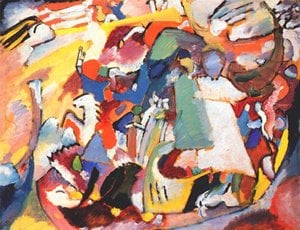
The Three at the Table
 Rozwiń treść
Giclée / Wydruk artystyczny
Druk giclée lub płótno o jakości muzealnej, szybka realizacja i szeroki wybór opcji wykończenia. ( Zamów ręcznie malowaną reprodukcję Przełącz na obraz cyfrowy)




































Wybierz spośród naszych standardowych rozmiarów, które zachowują oryginalne proporcje dzieła sztuki.

Możesz wprowadzić własne wymiary, aby dopasować dzieło do konkretnej ramy lub przestrzeni. Jeśli wybrany rozmiar nie będzie odpowiadał proporcjom oryginalnego obrazu, przytniecie dzieło lub rozszerzymy obraz za pomocą odbicia lustrzanego lub jednolitego wypełnienia krawędzi. Przed rozpoczęciem produkcji prześlemy cyfrową wizualizację do Twojej akceptacji.
Prosimy pamiętać, że podgląd na ekranie nie odzwierciedla faktycznego przycinania ani rozszerzania. Tylko wizualizacja dokładnie pokaże końcową kompozycję.
Mimo dostępności niestandardowych rozmiarów, zalecamy wybór wymiaru z listy zdefiniowanej, aby zachować oryginalne proporcje.
Dostawa na cały świat () w ciągu 2 tygodni zamiast standardowych 4/5 tygodni. (11 Wrzesień)

Bezpłatna ekspresowa wysyłka na cały świat

Wysokiej jakości płótno lniane

Pełne ubezpieczenie przesyłki

Gwarancja zwrotu należności celnych i podatków importowych

Gwarancja wiernego odwzorowania kolorów

100-dniowa polityka zwrotów (tylko w przypadku wad)

Gwarancja 100% zwrotu kosztów

Zniżka przy zamówieniu wielu produktów
 Opcja ze szkłem jest dostępna wyłącznie w rozmiarach poniżej 110 cm

The Three at the Table
Giclée / Wydruk artystyczny
Wymiary reprodukcji
-


Cena całkowita
$ 62
Podobne dzieła



O artyście
Życie poświęcone realizmowi analitycznemu
Pavel Nikolajewicz Filonow, urodzony w Moskwie w 1883 roku, pozostaje niezwykle fascynującą i często enigmatyczną postacią w krajobrazie rosyjskiej awangardy. Jego życie nie było jedynie kroniką twórczości artystycznej, lecz filozoficzną misją – nieustannym dążeniem do rozłożenia na czynniki pierwsze i ujawnienia samej esencji rzeczywistości poprzez unikalną metodę realizmu analitycznego. W przeciwieństwie do wielu współczesnych mu artystów, którzy szukali innowacji w abstrakcji lub geometrycznym uproszczeniu, Filonow zagłębiał się znacznie głębiej, wierząc, że każdy obiekt posiada „wewnętrzne życie”, ukrytą duszę czekającą na odkrycie poprzez skrupulatną analizę. Nie chodziło tu jedynie o to, jak rzeczy wyglądają, ale o to, jak istnieją na swoim najbardziej fundamentalnym poziomie – koncepcja ta zdefiniowała całą jego artystyczną trajektorię. Jego wczesne lata naznaczone były trudami i stratą; osierocony w młodym wieku, poczuł przyciąganie rozkwitającej sceny artystycznej Petersburga, miasta, które stało się zarówno jego muzą, jak i tyglem doświadczeń. Choć początkowo podjął formalne kształcenie, szybko uznał ustalone normy rosyjskiego realizmu za duszące, pragnąc podejścia wykraczającego poza powierzchowne pozory.Geneza realizmu analitycznego
Artystyczna podróż Filonowa była głęboko spleciona z ówczesnymi nurtami intelektualnego życia. Rygorystyczna logika Bertranda Russella, pytania epistemologiczne G.E. Moore'a oraz filozofia języka Ludwiga Wittgensteina – wszystkie te prądy rezonowały głęboko z jego rozwijającymi się zasadami. Eksperymentował szeroko, chłonąc wpływy, lecz ostatecznie wytyczył własną ścieżkę, która doprowadziła do sformułowania realizmu analitycznego. Nie było to nagłe objawienie, lecz stopniowa destylacja idei, żmudny proces doskonalenia wizji, aż do momentu jej skrystalizowania się w spójną filozofię artystyczną. Reagował on przeciwko temu, co postrzegał jako powierzchowność kubizmu; doceniał jego próbę rozbicia form, lecz wierzył, że zatrzymuje się ona przed prawdziwym uchwyceniem wewnętrznej energii i dynamizmu obiektu. Postawił tezę, że każda istota – ożywiona czy nieożywiona – składa się z fundamentalnych elementów: linii, powierzchni, kolorów i form. Poprzez analizę tych komponentów można było ujawnić „wewnętrzne życie” lub „duszę" tematu. Proces ten wymagał dekonstrukcji i rekonstrukcji, rozbijania obiektów na części składowe i ponownego składania ich w sposób, który oddawał ich podskórną strukturę i istotę. Jego płótna stały się tętniącymi ekosystemami pofragmentowanych kształtów, odważnych linii i intensywnych barw – wizualną reprezentacją tego analitycznego procesu. Nie chodziło o przedstawianie rzeczywistości taką, jaką się jawi, lecz taką, jaką fundamentalnie jest.Kluczowe dzieła i styl artystyczny
Dorobek artystyczny Filonowa, choć stosunkowo niewielki pod wzglęng liczby, jest niezwykle różnorodny i nieustannie poruszający. Wczesne prace, takie jak Święta Katarzyna (1910), demonstrują jego rodzące się mistrzostwo w operowaniu kolorem i kompozycją, sugerując jednocześnie abstrakcyjną perspektywę, przez którą wkrótce zaczął postrzegać tematy religijne. Człowiek z krzyżem (1913) dalej zgłębia symbolikę duchową, przeplataną z jego analitycznym podejściem do formy. Późniejsze dzieła, jak Twarze (1940), stanowią przykład jego dojrzałego stylu – abstrakcyjnych kompozycji przypominających maski lub pofragmentowane oblicza, oddanych ekspresyjnym pociągnięciem pędzla, które przekazuje ruch i głębię emocjonalną. Matka (1916) wyróżnia się jako potężne dzieło ekspresjonistyczne, przepełnione intymnością i niepokojem, ukazujące żywe kolory i symboliczne warstwy. Być może jednym z jego najbardziej przełomowych osiągnięć jest Dwie głowy (1925), arcydzieło realizmu analitycznego, charakteryzujące się geometryczną abstrakcją i złożonym symbolizmem. Definiującą cechą stylu Filonowa jest gęste nakładanie warstw form – technika, której używał do tworzenia głębi, złożoności i poczucia pulsującej energii w swoich kompozycjach. Budował swoje płótna z wielu warstw farby, skrupulatnie tworząc misterne wzory, które zdawały się wibrować życiem. Ten drobiazgowy proces nie był jedynie techniczny; był integralną częścią ujawniania ukrytych energii, które – jak wierzył – rezydują we wszystkim, co istnieje.Dziedzictwo i trwały wpływ
Mimo okresów zapomnienia i represji w erze stalinowskiej – czasach, gdy sztuka awangardowa często budziła podejrzliwość – wkład Pawła Filonowa w historię sztuki jest dziś powszeznacznie uznawany. Słusznie uważa się go za kluczową postać rosyjskiej awangardy, pioniera, który odważył się rzucić wyzwanie konwencjonalnym pojęciom reprezentacji. Jego unikalna wizja artystyczna i filozoficzne podejście wciąż inspirują dzisiejszych twórców, skłaniając ich do badania granic między percepcją a rzeczywistością. Jego prace były wystawiane w prestiżowych instytucjach, takich jak Galeria Tretiakowa, co zapewnia trwałość jego dziedzictwa jako świadectwa potęgi myśli analitycznej i jej potencjału dla innowacyjnej ekspresji artystycznej. Sztuka Filonowa nie jest jedynie czymś, na co się patrzy; to zaproszenie do ponownego ujrzenia świata – do spojrzenia poza powierzchnię i zanurzenia się w ukrytych głębiach istnienia.- Nurt: Realizm analityczny
- Urodzony: Moskwa, Rosja (1883)
- Zmarł: 1941

Pavel Filonov
1883 - 1941 , Rosja
Krótka nota
- Artistic Movement Or Style: Analytical Realizm
- Artists Or Movements Influenced By This Artist: ['Cubizm']
- Artists Who Influenced This Artist:
- Bertrand Russell
- G.E. Moore
- Ludwig Wittgenstein
- Date Of Birth: 1883-01-08
- Date Of Death: 1941-12-03
- Full Name: Pavel Nikolayevich Filonov
- Nationality: Rosjanin
- Notable Artworks:
- St. Catherine
- Man z krzyżem
- Twarz
- Dwie głowy
- Matka
- Place Of Birth: Moskva, Rosja
