


The picture follows your choices: , .
Opis obiektu
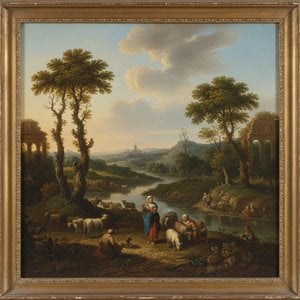
Explore Paulus Potter's iconic "La Prairie" – a breathtaking Dutch landscape painting capturing the essence of rural harmony. Witness meticulous realism, atmospheric perspective, and masterful textural detail in this seminal work from the Golden Age.
 Rozwiń treść
Biografia artysty
Paulus Potter (1625-1654) – holenderski malarz znany z realistycznych obrazów zwierząt w rozległych krajobrazach, pionier romantyzmu z ikonografią "Młodego Byka".
Ręcznie malowana reprodukcja olejowa
Ręcznie malowany obraz olejny na płótnie, wykonany na zamówienie przez naszych artystów w wybranym przez Ciebie wymiarze i oprawie. ( Przełącz na wydania drukowane Przejdź do wersji cyfrowej)
More about this painting
 Podgląd w skali 1:1
 Wyślij jako kartkę
 Udostępnij
 Szczegóły dzieła
 Przewodnik

 Pobierz obraz
 Podobne obiekty
 RTG
RTG Pokaz slajdów
 Q&A
Q&A Statystyki
Order your painting in four simple steps
Take your time. You can change any answer; the price in your order card follows each choice.
1 Step one of four
Which size would you like?
These sizes keep the proportions of the original painting. The drawing shows your choice on a wall, above a two-metre sofa.
Or give your own measurements
Wybierz spośród naszych standardowych rozmiarów, które zachowują oryginalne proporcje dzieła sztuki.

Wpisz wymaganą szerokość i wysokość, aby obraz pasował do Twojej ramy lub ściany. Ponieważ jest to dzieło malowane ręcznie, w przypadku rozmiaru o innych proporcjach artysta może domalować nieco więcej wokół obrazu lub przyciąć jego fragmenty — wybór należy do Ciebie. Przed rozpoczęciem pracy prześlemy Ci cyfrową wizualizację do zatwierdzenia. Obraz widoczny na tej stronie nie przedstawia rzeczywistego efektu — jedynie wizualizacja oddaje realny rezultat.
2 Step two of four
How should it be prepared: rolled, stretched or framed?
The prices below are for the size you chose in step one.
Choose the edges of the stretched canvas
Choose your frame

White zł1

Blurside zł1

Extended zł1

P118B zł10

P118H zł10

P118W zł10

P438Z zł10

P508JH zł12

P508YH zł12

P805H zł10

P805Z zł10

P919BZ zł10

P919G zł10

P919XJ zł10

P959ZH zł10

P968JZ zł12

W106C zł8

W218G zł10

W218JH zł8

W218Y zł10

W307PJ zł10

W316G zł10

W316PJ zł8

W316Y zł10

W398PJ zł8

W4111J zł10

W500HY zł15

W500JH zł15

W692G zł12

W849H zł8

W940BG zł15

W953PJ zł8

H24-GOLD zł30

H24-SILVER zł30

H36-GOLD zł45

H36-SILVER zł45
W oprawie
Moulding: . Overall size with the frame: .
3 Step three of four
Would you like anything changed in the painting?
Most people answer no. Because each painting is made by hand, our artist can also adapt it for you.
After order, ArtsDot.com team will email client for instructions and provide a mockup preview
4 Step four of four
A few finishing options
All of them are optional. The answers already selected cost nothing extra.
Who paints it?
Dostawa na całym świecie () w ciągu 3–4 tygodni zamiast standardowych 5 tygodni. (30 Październik). Bez kompromisów w kwestii jakości.
A nameplate, as in a museum?
Szczegóły grawerowanej brązowej tabliczki
This elegant plaque features the artist's name and the title of the artwork, finely engraved for a timeless presentation.
It is made from bronze with a refined, elegant finish. The text is precisely laser-engraved for a sharp and permanent result. Measuring 9x2 cm, the plaque is compact yet easy to read. It's built to be durable and scratch-resistant, offering a professional, museum-quality look. Mounting is simple thanks to the included adhesive backing.
Szczegóły przezroczystej tabliczki akrylowej
The plaque includes essential engraved details such as the artist's name, the title of the artwork, the date it was created, the type of media used-like oil on canvas or watercolor-a brief description of the piece, and a QR code that links to the complete artwork information.
It is crafted from clear acrylic, offering a sleek, modern appearance. The text is UV-engraved in black to ensure strong visual contrast. With a size of 10x15 cm, it ensures optimal readability. It comes equipped with two metal hooks for secure wall mounting. The plaque is designed to be weather-resistant, making it suitable for various environments, and it includes interactive features that work seamlessly with smartphone scanning.
Szczegóły czarnej tabliczki akrylowej
This elegant plaque includes engraved information such as the artist's name, the title of the artwork, the date it was created, the type of media used (like oil on canvas or watercolor), a short description of the artwork, and a QR code for quick access to more information.
The plaque itself is made from refined black acrylic with a premium finish. The text is laser-engraved in white for high contrast and readability. Its size is 10x15 cm, designed to be easy to read. It comes with two metal hooks for professional mounting. The design is sleek and fits any interior style. It is also weather-resistant and durable, with built-in digital integration for mobile compatibility.
A protective varnish?
When do you need it?
✓ Check and order
Your painting, as you ordered it

La prairie
Technika reprodukcji
Wymiary reprodukcji
-

Wybitny mistrz artystyczny
Większa szczegółowość, finezja i dodatkowy czas na realizację
-

Opcje oprawy reprodukcji
-
-
W przypadku dzieł sztuki lub reprodukcji, których którykolwiek z boków przekracza 105 cm (około 41 cali), rama zostanie wysłana w formie zestawu do samodzielnego montażu. Metoda ta zapewnia bezpieczną dostawę i zapobiega uszkodzeniom podczas transportu.
Wymagany profesjonalny montaż – nie jest to produkt typu DIY.
Zestaw musi zostać złożony, a płótno naciągnięte przez doświadczonego profesjonalnego ramiarza, przy użyciu kleju do drewna (brak w zestawie), kleszczy do naciągania płótna oraz ścisków, które utrzymają krosna w równej pozycji podczas schnięcia kleju. Nieprawidłowy montaż lub nierównomierne napięcie płótna może trwale uszkodzić dzieło sztuki i nie podlega naszej gwarancji.
 W przypadku dzieł sztuki lub reprodukcji, których którykolwiek z boków przekracza 105 cm (około 41 cali), rama zostanie wysłana w formie zestawu do samodzielnego montażu. Metoda ta zapewnia bezpieczną dostawę i zapobiega uszkodzeniom podczas transportu.
W zestawie znajdują się wszystkie listwy z litego drewna, precyzyjnie docięte do wymiarów.
Montaż odbywa się przy użyciu dołączonych wkrętów oraz kleju do drewna do łączenia narożników, którego zestaw nie zawiera i który musi zostać dostarczony przez ramiarza.
Wymagane są profesjonalne narzędzia, których nie ma w zestawie: kleszcze do naciągania płótna (napinacz) oraz zaciski, które pozwolą utrzymać listwy w równej pozycji podczas schnięcia kleju.
Ważne:
Do połączenia narożników niezbędny jest klej do drewna, listwy należy unieruchomić za pomocą ścisków do momentu całkowitego wyschnięcia kleju, a naciągnięcie płótna na złożoną ramę wymaga użycia kleszczy do naciągania płótna. Żaden z tych elementów nie jest dołączony do zestawu. Przed zamówieniem tego rozmiaru zalecamy konsultację z doświadczonym ramiarzem.

Etykieta obiektu
-
-

Lakier ochronny
Lakier z połyskiem (pogłębia kolory, chroni przed światłem i wilgocią)
-

Personalizacja dzieła
Przykłady możliwości personalizacji: zastąp twarz zdjęciem klienta; dodaj zwierzę domowe (np. zamień kota na psa); umieść ukrytą wiadomość w tle; zmień krajobraz lub elementy tła.
-

Ekspresowa
Dostawa na cały świat () w ciągu 3–4 tygodni zamiast standardowych 5 tygodni. (30 Październik). Bez kompromisów w kwestii jakości.
-
Przesyłka ekspresowa
Dostawa na cały świat () w ciągu 5 tygodni. (6 Listopad).
W cenie
Cena całkowita
zł 1013
Opcja ze szkłem jest dostępna wyłącznie w rozmiarach poniżej 110 cm
Included with every order
- Bezpłatna ekspresowa wysyłka na cały świat
- Wysokiej jakości płótno lniane
- Pełne ubezpieczenie przesyłki
- Gwarancja zwrotu należności celnych i podatków importowych
- Gwarancja wiernego odwzorowania kolorów
- 100-dniowa polityka zwrotów (tylko w przypadku wad)
- Gwarancja 100% zwrotu pieniędzy
- Zniżka przy zakupie wielu sztuk


La Prairie: A Window Into Dutch Pastoral Perfection
Paulus Potter’s “La Prairie,” painted circa 1652, stands as an iconic exemplar of the Dutch Golden Age's fascination with the natural world and its masterful depiction of rural life. More than just a landscape scene—it’s a carefully constructed meditation on beauty, tranquility, and the harmonious relationship between humanity and nature, themes deeply resonant within the artistic sensibilities of the era.
The painting captures a serene meadow populated by cows grazing peacefully beneath a cloudy sky. Potter's meticulous observation is evident in every detail—the subtle variations in grass color, the texture of bark on the dominant tree, and the realistic rendering of bovine anatomy. This dedication to realism distinguishes “La Prairie” from earlier artistic conventions and firmly establishes it as a cornerstone of Romanticism’s burgeoning influence.
- Composition: Potter employs a classic landscape arrangement—a low horizon line emphasizing the expansive sky—creating a balanced visual composition. The cows are positioned strategically in the foreground and midground, drawing the viewer's gaze inwards, while a substantial oak tree anchors the scene on the left side, providing vertical stability.
- Color Palette: Dominated by earthy hues – muted greens, browns, and blues—the color palette reflects the subdued lighting conditions of the meadow. Highlights of white accentuate the cows’ coats, contrasting effectively with darker shades of their bodies and foliage.
- Technique: Potter skillfully utilizes oil paint on canvas, layering pigments to achieve depth and subtle gradations in color. Brushstrokes are predominantly smooth and blended, contributing to a remarkably lifelike appearance—a testament to the artist’s mastery of chiaroscuro (light and shadow).
Beyond its aesthetic beauty, “La Prairie” carries symbolic weight. The cows represent domesticity and prosperity – symbols central to Dutch society during Potter's time. Simultaneously, the overcast sky evokes a sense of contemplative melancholy—a subtle suggestion that even in idyllic landscapes, life is punctuated by moments of quiet reflection. This duality underscores Potter’s profound understanding of human emotion and his ability to translate it into visual form.
The painting’s enduring appeal lies not only in its technical brilliance but also in its timeless portrayal of pastoral serenity. It serves as a poignant reminder of the beauty found in simplicity and the importance of appreciating the natural world—a sentiment that continues to inspire artists and collectors alike. Its inclusion in the Louvre Museum's collection ensures its legacy as one of the most celebrated landscapes of the Dutch Golden Age.
Pytania i odpowiedzi
Czy dzieło "La prairie" posiada podgląd w rozszerzonej rzeczywistości?
Dzieło „La prairie” – Paulus Potter możesz zobaczyć na własnej ścianie dzięki stronie Podgląd w AR, wykorzystując rozszerzoną rzeczywistość na kompatybilnym urządzeniu.
Czy dostępna jest prezentacja w formie pokazu slajdów dla „La prairie” – Paulus Potter?
Dzieło „La prairie” – Paulus Potter można obejrzeć w formie pokazu slajdów na stronie Prezentacja slajdów danego dzieła.
Jakie inne pseudonimy lub nazwy stosuje Paulus Potter?
Paulus Potter występuje również pod innymi nazwiskami: Paul Potter, Pieter Symonsz Potter.
Podobne dzieła


Paulus Potter
1625 - 1654, Holandia
Biografia artysty
A Brief Life Illuminated: The World of Paulus Potter
Paulus Potter, a name inextricably linked to the heart of the Dutch Golden Age, was an artist whose life, tragically short as it was, left an indelible mark on the landscape of European art. Born in Enkhuizen on November 20, 1625, and baptized that very same day, his artistic journey began within a family already steeped in creative tradition. His father, Pieter Symonsz Potter, was a highly respected painter specializing in the intricate craft of gilded leather hangings and charming genre scenes – depictions of everyday life imbued with warmth and humor. His mother, Aaltje Paulusdr Bartsius, possessed familial ties to Willem Bartsius, another esteemed artist whose legacy continued through her lineage. This rich artistic heritage undoubtedly provided young Paulus with a foundational understanding of technique and aesthetic sensibility. The family’s relocation first to Leiden in 1628, and then to the bustling metropolis of Amsterdam in 1631, proved pivotal, offering him access to a wider world of artistic influence and opportunity – a vibrant hub where diverse styles and techniques converged. It was in Amsterdam that he began his formal training under his father’s guidance, though some scholars suggest potential influences from Claes Moeyaert, a prominent painter known for his atmospheric landscapes.From Delft Guilds to Hague Landscapes
Potter's ambition quickly propelled him towards recognition within the established artistic circles of the Dutch Republic. He joined the prestigious Guild of Saint Luke in Delft, a significant step signifying his commitment to professional standards and access to valuable resources. However, it was his move to The Hague around 1649 that truly cemented his artistic path and opened doors to new patrons and commissions. Establishing himself near the renowned landscape painter Jan van Goyen – whose mastery of atmospheric effects and realistic depictions of nature would subtly permeate Potter’s own style – proved incredibly influential. This period also marked a significant turning point in Potter's personal life. In July 1650, he married Adriana van Balckeneynde, a union that brought him into the orbit of wealthy and influential families, notably through her father, a prominent building contractor. This connection facilitated introductions to members of Dutch high society, including Amalia of Solms-Braunfels, who became a devoted patron of his work, commissioning numerous portraits and landscapes. A brief return to Amsterdam in May 1652, at the invitation of physician and art enthusiast Nicolaes Tulp – who commissioned a portrait of his son Dirck – offered further recognition and validation of his artistic talents. Sadly, this period of burgeoning success was tragically cut short by illness; Paulus Potter succumbed to tuberculosis on January 17, 1654, at the young age of twenty-eight, leaving behind a legacy of breathtaking beauty and profound emotional resonance.The Pastoral Vision: Style and Major Works
Paulus Potter carved a unique niche for himself within the vibrant landscape of Dutch Golden Age painting – he became celebrated for his captivating depictions of animals – particularly cattle – seamlessly integrated into expansive, meticulously rendered landscapes. His compositions are often characterized by a strikingly low vantage point, an artistic choice that dramatically emphasizes the scale and grandeur of nature, dwarfing even the majestic beasts he portrayed. The Young Bull, created around 1647, remains his most iconic work, now housed in the Mauritshuis in The Hague. Initially met with some critical reservation – some found it overly dramatic – it later gained widespread acclaim as a pioneering example of Romanticism’s nascent sensibility – a profound emotional connection to the natural world. Beyond this masterpiece, Potter produced other notable paintings such as Figures with Horses by a Stable (1647), Punishment of a Hunter (circa 1647), Two Pigs in a Sty (1649), and Wolf-hound (approximately 1650–1652). He also demonstrated his versatility through numerous etchings, often focusing on the detailed portrayal of cattle and other animals.Influences and Artistic Techniques
Potter’s artistic style was a complex synthesis of influences. While undeniably influenced by the realism and atmospheric perspective championed by Jan van Goyen, he possessed a distinct sensitivity to light and shadow that set him apart. His meticulous attention to detail – particularly in rendering animal anatomy – reveals a deep understanding of his subjects. The low horizon lines prevalent in many of his works create a sense of vastness and emphasize the scale of the landscape, drawing the viewer’s eye into the scene. Potter's use of muted earth tones – browns, greens, and grays – reflects the natural colors of the Dutch countryside, lending an air of authenticity and tranquility to his paintings. Furthermore, he skillfully employed techniques of chiaroscuro – dramatic contrasts between light and dark – to heighten the emotional impact of his compositions. His work is characterized by a remarkable sense of depth and spatial awareness, achieved through careful observation and masterful execution.Legacy and Lasting Influence
Despite his tragically short life, Paulus Potter’s artistic legacy endures. He is now recognized as a pivotal figure in the transition from Baroque to Romanticism within Dutch art. His work stands as a testament to his exceptional talent and unique vision – a profound exploration of the relationship between humanity and nature. The influence of Jan van Goyen is readily apparent in Potter's landscapes, particularly in the subtle atmospheric effects and commitment to realistic representation. However, Potter transcended mere imitation; he infused his scenes with an emotional depth that resonated deeply with viewers then, and continues to do so today. He is honored with a statue in his birthplace of Enkhuizen, depicting him sketching a goat – a fitting tribute to an artist who dedicated his life to capturing the beauty and majesty of the natural world. His paintings continue to inspire awe and wonder, reminding us of the enduring power of art to connect us to the world around us.

Powiązane artykuły

Złoty Wiek Niderlandów: Światło, Realizm i Kulturowe Innowacje w Malarstwie Barokowym
Odkryj fascynujący świat malarstwa holenderskiego Złotego Wieku! Poznaj arcydzieła Rembrandta, Vermeera i innych mistrzów. Analiza technik, gatunków i wpływu na sztukę europejską.
Nicolaes Berchem: Dutch Golden Age Pastoralism & the Evolution of Landscape Painting
Explore the captivating world of Nicolaes Berchem, a leading Dutch Golden Age painter. Discover his idyllic landscapes, masterful technique & lasting influence on art history. Learn more at ArtsDot.

Złoty Wiek Holandii: 10 arcydzieł, które zmieniły historię sztuki | ArtsDot.com
Odkryj 10 arcydzieł Złotego Wieku Holandii! Poznaj historię Rembrandta, Vermeera i innych mistrzów. Reprodukcje obrazów najwyższej jakości do Twojego wnętrza – ArtsDot.com.