


 Zobacz w skali 1:1
 Wyślij
 Udostępnij
 Szczegóły
 Przewodnik

 Pobierz plik obrazu
 Podobne obiekty
 RTG
RTG Pokaz slajdów
 Statystyki
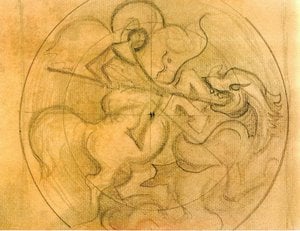
Untitled
 1962
1962 152.0 x 122.0 cm
 Czytaj więcej
Dzieło sztuki prezentowane na tej stronie podlega ochronie prawem autorskim, co oznacza, że nie mamy prawa do tworzenia ani sprzedaży jego identycznej reprodukcji. Ochrona ta jest egzekwowana na mocy umów międzynarodowych, takich jak Konwencja berneńska oraz przez przepisy prawa krajowego, w tym te określone w Prawo autorskie USA – Tytuł 17.
Metoda ta jest w pełni zgodna z przepisami prawa autorskiego, ponieważ nie polega na kopiowaniu ani powielaniu chronionego dzieła. Stanowi ona kreatywną reinterpretację – nowy obraz, który czerpie inspirację z oryginału, ale nie jest z nim tożsamy.
Giclée / Wydruk artystyczny
Wydruki giclée lub płótna o jakości muzealnej, szybka realizacja i szeroki wybór opcji wykończenia. ( Kup ręcznie malowany obraz Przełącz na wersję cyfrową)




































Wybierz spośród naszych standardowych rozmiarów, które zachowują oryginalne proporcje dzieła sztuki.

Wpisz wymaganą szerokość i wysokość, aby dopasować grafikę do ramy lub ściany. Wydruk można jedynie przyciąć, nigdy nie powiększając go poza oryginalny obraz, dlatego format o innym proporcji spowoduje utratę części kompozycji. Przed rozpoczęciem druku prześlemy Ci cyfrowy podgląd do zatwierdzenia. Obraz wyświetlany na tej stronie nie pokazuje rzeczywistego przycięcia — jedynie podgląd oddaje ten efekt.
Dostawa na cały świat () w ciągu 2 tygodni zamiast standardowych 4/5 tygodni. (24 Październik)

Bezpłatna ekspresowa wysyłka na cały świat

Wysokiej jakości płótno lniane

Pełne ubezpieczenie transportowe

Gwarancja zwrotu należności celnych i podatków importowych

Gwarancja idealnego odwzorowania barw

100-dniowy okres na zwrot dzieła w przypadku wykrycia wad produkcyjnych

Gwarancja 100% zwrotu pieniędzy

Oferta przy zakupie wielu sztuk
 Opcja ze szkłem jest dostępna wyłącznie w rozmiarach poniżej 110 cm

Untitled
Giclée / Wydruk artystyczny
Rozmiar reprodukcji
-


Suma do zapłaty
zł 239
Podobne dzieła


Biografia artysty
The Structural Logic of Paul Feeley
To look at the work of Paul Feeley is to confront a deliberate reduction of form. He did not rely on decorative flourishes to hold attention; instead, he utilized the fundamental mechanics of painting and sculpture to command space. His practice was defined by a rigorous approach to geometry and scale. As a painter, sculptor, and muralist, his output moved between the two-dimensional plane and three-dimensional presence with a singular focus on how shapes interact within a frame.
His career was not limited to the canvas. He operated as an educator and portrait painter, yet his most significant contributions lie in his ability to manipulate visual weight. The archives of his life reveal a man deeply engaged with the physical reality of his materials, from sketchbooks to correspondence that tracked his technical evolution.
A Multidimensional Practice
Feeley’s versatility was a functional necessity rather than a pursuit of variety. His work as a muralist required an understanding of architectural integration, while his sculptural endeavors demanded a grasp of volume and mass. This breadth allowed him to approach the concept of space from multiple angles.
- Painting: Focused on the interaction of shapes and color fields.
- Sculpture: An exploration of physical form and spatial occupation.
- Murals: Large-scale applications designed for specific environments.
- Portraiture: A secondary but present engagement with figurative representation.
The technical foundation of his work is visible in the surviving records of his process. His notes and writings suggest a disciplined method where every line and color choice was calculated to achieve a specific visual equilibrium. He avoided the unnecessary, stripping his compositions down to their essential components.
The Archive of an Artist
The historical weight of Feeley’s contribution is preserved through a substantial collection of papers held by the Smithsonian Institution. These documents provide a direct look at the mechanics behind his creative decisions. The collection includes:
- Biographical materials and personal correspondence.
- Writings, notes, and printed materials.
- Photographs and detailed sketchbooks.
These records do more than document a life; they map the development of an aesthetic that prioritized clarity. By examining his sketches alongside his finished works, one sees the transition from initial thought to executed form. His legacy is found in this precision.

Paul Feeley
1910 - 1966 , United States of America
Najważniejsze informacje
- Full Name: Paul Feeley
- Place Of Birth: Des Moines, United States of America
- Date Of Birth: 1910
- Date Of Death: 1966