


 Zobacz w skali 1:1
 Wyślij
 Udostępnij
 Szczegóły
 Guide
Guide

 Pobierz plik obrazu
 Podobne obiekty
 RTG
RTG Pokaz slajdów
 Statystyki
The Choice Between Virtue and Vice
 Oil On Canvas
- WallArt
- Venetian Renaissance
 1565
1565 219.0 x 169.0 cm
 The Frick Collection
 Czytaj więcej
Giclée / Wydruk artystyczny
Wydruki giclée lub płótna o jakości muzealnej, szybka realizacja i szeroki wybór opcji wykończenia. ( Kup ręcznie malowany obraz Przełącz na wersję cyfrową)




P118B $10

P118H $10

P118W $10

P438Z $10

P508JH $12

P508YH $12

P805H $10

P805Z $10

P919BZ $10

P919G $10

P919XJ $10

P959ZH $10

P968JZ $12

W106C $8

W218G $10

W218JH $8

W218Y $10

W307PJ $10

W316G $10

W316PJ $8

W316Y $10

W398PJ $8

W4111J $10

W500HY $15

W500JH $15

W692G $12

W849H $8

W940BG $15

W953PJ $8




Wybierz spośród naszych standardowych rozmiarów, które zachowują oryginalne proporcje dzieła sztuki.

Możesz wprowadzić własne wymiary, aby dopasować dzieło do konkretnej ramy lub przestrzeni. Jeśli wybrany rozmiar nie będzie odpowiadał proporcjom oryginalnego obrazu, przytniecie dzieło lub rozszerzymy obraz za pomocą odbicia lustrzanego lub jednolitego wypełnienia krawędzi. Przed rozpoczęciem produkcji prześlemy cyfrową wizualizację do Twojej akceptacji.
Prosimy pamiętać, że podgląd na ekranie nie odzwierciedla faktycznego przycinania ani rozszerzania. Tylko wizualizacja dokładnie pokaże końcową kompozycję.
Mimo dostępności niestandardowych rozmiarów, zalecamy wybór wymiaru z listy zdefiniowanej, aby zachować oryginalne proporcje.
Dostawa na cały świat () w ciągu 2 tygodni zamiast standardowych 4/5 tygodni. (21 Wrzesień)

Bezpłatna ekspresowa wysyłka na cały świat

Wysokiej jakości płótno lniane

Pełne ubezpieczenie transportowe

Gwarancja zwrotu należności celnych i podatków importowych

Gwarancja idealnego odwzorowania barw

100-dniowy okres na zwrot dzieła w przypadku wykrycia wad produkcyjnych

Gwarancja 100% zwrotu pieniędzy

Oferta przy zakupie wielu sztuk
 Opcja ze szkłem jest dostępna wyłącznie w rozmiarach poniżej 110 cm

The Choice Between Virtue and Vice
Giclée / Wydruk artystyczny
Rozmiar reprodukcji
-


Suma do zapłaty
$ 62
The Crossroads of Choice: Veronese’s “The Choice Between Virtue and Vice”
Paolo Veronese's "The Choice Between Virtue and Vice," painted around 1565, is not merely a depiction of a classical myth; it’s a profound meditation on human morality rendered in the opulent, vibrant style that defined the Venetian Renaissance. This monumental oil painting, now residing within The Frick Collection in New York, immediately commands attention with its scale and lavish detail – a testament to Veronese's mastery of color, composition, and theatrical presentation. At its heart lies a dramatic allegory: Hercules, poised at a critical juncture, confronted by the seductive allure of Vice and the arduous path toward Virtue.
The scene unfolds within a meticulously rendered architectural setting, reminiscent of a Roman forum yet unmistakably Venetian. Two women dominate the composition, embodying these opposing forces. On one side stands Vice, a figure draped in luxurious fabrics – crimson, gold, and deep purple – her posture suggesting ease and indulgence. Her attire is deliberately extravagant, hinting at the fleeting pleasures and potential pitfalls of worldly desires. She gestures invitingly toward a path of apparent comfort, while simultaneously wielding a jagged knife against the breast of a sphinx, symbolizing death and the consequences of unchecked ambition. Across from her, Virtue appears as a stark contrast: clad in simpler attire, she points towards a rugged ascent, representing the difficult but ultimately rewarding journey to true happiness and moral integrity. The long talons tearing at Hercules’ stocking are a visceral reminder of Vice's destructive influence – a deliberate disruption of the hero’s composure.
A Symphony of Color and Technique
Veronese’s technical skill is immediately apparent in the painting’s rich palette and masterful use of light. He employs a technique known as *sfumato*, blurring lines and softening edges to create an atmosphere of hazy beauty, characteristic of Venetian painting. The colors are intensely saturated – deep reds, vibrant greens, shimmering golds – reflecting the wealth and prosperity of Venice at the time. Notice particularly the way Veronese uses light to highlight key elements: the gleaming marble of the sphinx, the luxurious fabrics of Vice’s gown, and the determined gaze of Virtue. This careful manipulation of color and light not only enhances the visual impact but also contributes to the painting's overall sense of drama and theatricality.
The composition itself is carefully balanced, drawing the viewer’s eye from the chaotic energy of Vice’s approach to the resolute determination of Virtue. The placement of Hercules at the center underscores his pivotal role in this moral struggle – he is not merely a passive observer but an active participant forced to make a critical choice. Furthermore, the inclusion of the inscription “Honor and Virtue Flourish after Death” above the scene elevates the allegory beyond a simple depiction of earthly temptation; it speaks to the enduring value of moral principles and their lasting significance.
Symbolism and Historical Context
“The Choice Between Virtue and Vice” is deeply rooted in classical mythology, drawing upon the story of Hercules’s encounter with the Sirens. However, Veronese transcends a mere retelling of the myth, imbuing it with profound moral lessons relevant to Renaissance society. The painting reflects the humanist ideals prevalent during the 16th century – a renewed interest in classical philosophy and ethics – emphasizing the importance of reason, virtue, and civic responsibility. The reference to “Honor and Virtue” directly aligns with the values championed by Venetian intellectuals and rulers.
It’s also important to consider the painting's context within Veronese’s broader artistic output. As a leading figure in Venetian art alongside Titian and Tintoretto, Veronese was known for his grand historical and mythological paintings commissioned by wealthy patrons – including emperors and popes. “The Choice Between Virtue and Vice” exemplifies this trend, showcasing his ability to seamlessly blend classical themes with opulent spectacle. The work’s journey through various collections—from the Emperor Rudolph II to Queen Christina of Sweden—testifies to its enduring appeal and artistic significance.
A Timeless Message for Today
Despite being painted over five centuries ago, “The Choice Between Virtue and Vice” remains remarkably relevant today. The painting’s central theme – the struggle between temptation and moral integrity – continues to resonate with audiences grappling with complex ethical dilemmas in their own lives. Veronese's masterful depiction of this timeless conflict serves as a powerful reminder that true happiness is not found in fleeting pleasures but in the pursuit of virtue, wisdom, and lasting values. A reproduction of this magnificent work offers an opportunity to contemplate these profound questions and appreciate the enduring legacy of one of Venice’s greatest artistic masters.
Podobne dzieła


Biografia artysty
A Venetian Visionary: The Life and Art of Paolo Veronese
Paolo Caliari, universally known as Paolo Veronese, emerged from the vibrant artistic landscape of 16th-century Venice as a master of color, composition, and opulent spectacle. Born in Verona in 1528, the son of a stonecutter, his early life was deeply rooted in the visual richness of his surroundings – the classical architecture, sculpted forms, and burgeoning humanist ideals that characterized the region. His initial training under Antonio Badile and Giovanni Francesco Caroto provided him with a solid foundation in traditional techniques, but it was his move to Venice in the 1550s that truly ignited his artistic genius. The city itself became his muse, its bustling marketplaces, grand palazzi, and shimmering waterways profoundly shaping the scale and drama of his work. He quickly absorbed the influences of established Venetian masters like Titian, whose mastery of color exerted a significant impact on Veronese’s palette, yet he forged a distinctive style characterized by an unparalleled sense of theatricality and grandeur.The Painter of Feasts and Grand Narratives
Veronese's enduring reputation rests primarily upon his monumental paintings, particularly those depicting lavish feasts and biblical scenes transformed into dazzling displays of Venetian life. *The Wedding at Cana*, completed in 1563 for the Benedictine monastery of San Giorgio Maggiore, stands as a testament to his extraordinary skill. This colossal canvas transcends mere illustration; it’s a vibrant panorama of 16th-century society, teeming with elegantly dressed figures, musicians, and architectural details rendered with breathtaking precision. The painting isn't simply about what happened at Cana but *how* it would have appeared if enacted in Venice during Veronese’s time – a remarkable feat of historical imagination. Similarly, *The Feast in the House of Levi*, originally titled *The Last Supper*, caused considerable controversy with the Inquisition due to its inclusion of contemporary figures and a seemingly irreverent atmosphere. Veronese defended his artistic license, arguing that painters were entitled to interpret sacred narratives with the same freedom afforded to poets and jesters – a bold assertion reflecting his belief in art’s power to reimagine and celebrate religious themes. These works weren't merely devotional images; they were exuberant celebrations of life, wealth, and the splendor of Venice itself. He eschewed the austerity often associated with religious painting, instead focusing on capturing the joy and abundance of existence.Influences and Artistic Development
While Titian’s influence on Veronese’s colorism is undeniable – his palette mirroring Titian's luminous vibrancy – his artistic development was a complex synthesis of various influences. The architectural precision evident in his compositions draws heavily from the classical tradition prevalent in Verona during his formative years, particularly the work of architects like Michele Sanmicheli. He also absorbed elements from Central Italian masters such as Raphael and Parmigianino, reflected in the graceful lines and harmonious arrangements within his paintings. However, Veronese didn’t simply imitate these influences; he skillfully integrated them into a uniquely Venetian style characterized by its dramatic use of light, vibrant color palettes, and meticulous attention to detail. He excelled at creating illusions of space and depth, employing perspective techniques to draw viewers into the heart of his elaborate scenes. His mastery of oil painting allowed him to achieve an unparalleled luminosity and richness of texture – a hallmark of his distinctive style. He also managed a large workshop, with contributions from his brother Benedetto and sons Gabriele and Carlo, ensuring that his artistic vision continued to flourish even after his death in 1588.Major Achievements and Notable Works
Veronese’s career produced an astonishing array of masterpieces, each showcasing his exceptional talent and distinctive style. *The Wedding at Cana* remains perhaps his most celebrated work, a monumental testament to Venetian society and artistic skill. *The Feast in the House of Levi*, despite its initial controversy, is another significant example of his ability to blend historical narrative with contemporary life. His depictions of mythological subjects, such as *Venus and Mars*, are renowned for their sensuality and dramatic composition. He also created numerous altarpieces and devotional paintings, demonstrating his versatility across various genres. Beyond individual works, Veronese’s influence extended to the decoration of significant Venetian buildings, including the Doges' Palace, where he contributed to the lavish interiors of the Council Hall. His work served as a visual embodiment of Venice’s wealth, power, and artistic prestige during the 16th century.Legacy and Historical Significance
Paolo Veronese’s impact extends far beyond the realm of Renaissance art. His paintings continue to captivate audiences with their grandeur and spectacle, offering a glimpse into the opulent world of 16th-century Venice. He redefined historical painting by imbuing it with contemporary life, creating scenes that felt remarkably real and immediate. His use of color remains profoundly influential for artists today, and his work embodies the spirit of Renaissance humanism – a celebration of earthly beauty and the pleasures of existence. Veronese’s legacy is a testament to his artistic genius, his ability to capture the essence of an era, and his enduring contribution to the history of art. He stands as one of Venice's most celebrated artists, whose work continues to inspire awe and admiration centuries later.
Paolo Veronese
1528 - 1588 , Włochy
Najważniejsze informacje
- Artistic Movement Or Style: Renesans, Mannerismus
- Artists Or Movements Influenced By This Artist: ['Rafał']
- Artists Who Influenced This Artist: ['Tycjan']
- Date Of Birth: 1528
- Date Of Death: 1588
- Full Name: Paolo Veronese
- Nationality: Włoski
- Notable Artworks:
- Ślub w Kanie Galilejskiej
- Wieczór w domu Lewiego
- Place Of Birth: Wenecja, Włochy
Zobacz także powiązane artykuły

Ciężar Cnoty i Wady: Studium Moralnych Motywów w Historii Sztuki
Odkryj fascynującą historię alegorii cnoty i wady w sztuce! Analiza dzieł Veronesego, Lotto i innych mistrzów. Poznaj symbolikę moralności i ukryte znaczenia obrazów. Ekspercka wiedza dla miłośników historii sztuki.

Ukryte Znaczenia i Moralne Przepowiednie: Alegoria w Zachodniej Historii Sztuki
Odkryj fascynujący świat alegorii w sztuce! Poznaj historię symboliki, ukryte znaczenia renesansowych arcydzieł i wpływ ideologii na barokowe reprezentacje. Ekspercka analiza dla miłośników sztuki.
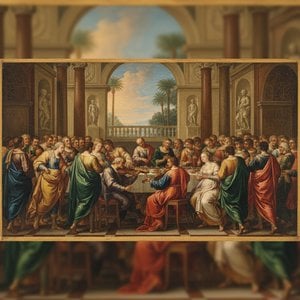
Paolo Veronese: A Renaissance Master of Color, Composition, and Venetian Splendor
Explore the vibrant world of Paolo Veronese, a Renaissance master renowned for his opulent compositions, masterful use of color, and dramatic Venetian scenes. Discover key artworks & legacy.

Płótno Cnoty: Odkrywanie Lekcji Moralnych i Siły Narracji w Historii Sztuki
Odkryj fascynującą historię cnót w sztuce! Analizujemy alegorie moralne od starożytności po współczesność, badając wpływ filozofii i kultury na przedstawienia wartości. Ekspercka analiza dzieł sztuki dla pasjonatów.

Paolo Uccello: Pioneering Perspective & the Renaissance Pursuit of Visual Truth
Explore the revolutionary art of Paolo Uccello, a Florentine Renaissance master who pioneered perspective. Discover his iconic paintings like 'St. George & The Dragon' and learn about his lasting influence on art history.


