

- 26.0 x 19.0 cm


Obraz dostosowuje się do Twoich wyborów: , .
Opis obiektu
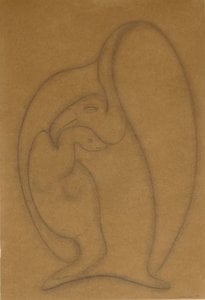
Olive Edith Cotton's 'Max after surfing' (1939) captures intimacy & classical beauty with geometric forms, reflecting Australian ideals of health & fitness. Explore her modernist legacy at NGV!
 Rozwiń treść
Biografia artysty
Explore the modernist photography of Olive Edith Cotton (1911-2003). Known for bold compositions & geometric shapes, her Sydney portraits capture 1930s/40s Australia. Discover her legacy at ArtsDot!
Ręcznie malowana reprodukcja olejowa
Ręcznie malowany obraz olejny na płótnie, wykonany na zamówienie przez naszych artystów w wybranym przez Ciebie wymiarze i oprawie. ( Przełącz na wydania drukowane Przejdź do wersji cyfrowej)
Ten utwór podlega ochronie prawem autorskim
Dzieło sztuki prezentowane na tej stronie podlega ochronie prawem autorskim, co oznacza, że nie mamy prawa do tworzenia ani sprzedaży jego identycznej reprodukcji. Ochrona ta jest egzekwowana na mocy umów międzynarodowych, takich jak Konwencja berneńska oraz przez przepisy prawa krajowego, w tym te określone w Prawo autorskie USA – Tytuł 17.
Jako pełną szacunku i legalną alternatywę oferujemy personalizowane, malowane ręcznie dzieła sztuki inspirowane oryginałem. Nasi wykwalifikowani i profesjonalni artyści starannie analizują styl, nastrój oraz artystyczną esencję pierwowzoru, aby stworzyć nowe, unikalne dzieło, które przywołuje te same emocje – pozostając jednocześnie w pełni oryginalną kreacją.
Metoda ta jest w pełni zgodna z przepisami prawa autorskiego, ponieważ nie polega na kopiowaniu ani powielaniu chronionego dzieła. Stanowi ona kreatywną reinterpretację – nowy obraz, który czerpie inspirację z oryginału, ale nie jest z nim tożsamy.
Więcej o tym obrazie
 Wyślij jako kartkę
 Udostępnij
 Szczegóły dzieła
 Przewodnik

 Pobierz obraz
 Podobne obiekty
 Pokaz slajdów
 Pytania i odpowiedzi
 Statystyki
Zamów swój obraz w czterech prostych krokach
Nie spiesz się. Możesz zmienić każdą odpowiedź; cena w Twoim koszyku będzie aktualizowana po każdym wyborze.
1 Pierwszy z czterech kroków
Który rozmiar wybierasz?
Te rozmiary zachowują proporcje oryginalnego obrazu. Rysunek przedstawia wybrany przez Ciebie format na ścianie, nad dwumetrową sofą.
lub podaj własne wymiary
Wybierz spośród naszych standardowych rozmiarów, które zachowują oryginalne proporcje dzieła sztuki.

Wpisz wymaganą szerokość i wysokość, aby obraz pasował do Twojej ramy lub ściany. Ponieważ jest to dzieło malowane ręcznie, w przypadku rozmiaru o innych proporcjach artysta może domalować nieco więcej wokół obrazu lub przyciąć jego fragmenty — wybór należy do Ciebie. Przed rozpoczęciem pracy prześlemy Ci cyfrową wizualizację do zatwierdzenia. Obraz widoczny na tej stronie nie przedstawia rzeczywistego efektu — jedynie wizualizacja oddaje realny rezultat.
2 Drugi z czterech kroków
W jaki sposób przygotować dzieło: w formie tuby, na krosnach czy w ramie?
Poniższe ceny dotyczą rozmiaru wybranego w pierwszym kroku.
Wybierz krawędzie płótna naciągniętego na ramę
Wybierz ramę

Białe krawędzie zł1

rozmyte krawędzie zł1

Przedłużony zł1

P118B zł10

P118H zł10

P118W zł10

P438Z zł10

P508JH zł12

P508YH zł12

P805H zł10

P805Z zł10

P919BZ zł10

P919G zł10

P919XJ zł10

P959ZH zł10

P968JZ zł12

W106C zł8

W218G zł10

W218JH zł8

W218Y zł10

W307PJ zł10

W316G zł10

W316PJ zł8

W316Y zł10

W398PJ zł8

W4111J zł10

W500HY zł15

W500JH zł15

W692G zł12

W849H zł8

W940BG zł15

W953PJ zł8

H24-GOLD zł30

H24-SILVER zł30

H36-GOLD zł45

H36-SILVER zł45
W oprawie
Profil: . Wymiar całkowity w ramie: .
3 Trzeci z czterech kroków
Czy chcieliby Państwo wprowadzić jakieś zmiany w obrazie?
Większość osób odpowiada przecząco. Ponieważ każdy obraz jest tworzony ręcznie, nasz artysta może również dostosować go do Twoich potrzeb.
Po złożeniu zamówienia zespół ArtsDot.com skontaktuje się z klientem drogą mailową w celu uzyskania instrukcji i prześle podgląd projektu
4 Krok czwarty z czterech
Kilka opcji wykończenia
Wszystkie są opcjonalne. Wybrane już odpowiedzi nie wiążą się z żadnymi dodatkowymi kosztami.
Kto jest autorem?
Dostawa na całym świecie () w ciągu 3–4 tygodni zamiast standardowych 5 tygodni. (4 Listopad). Bez kompromisów w kwestii jakości.
Tabliczka informacyjna, jak w muzeum?
Szczegóły grawerowanej brązowej tabliczki
This elegant plaque features the artist's name and the title of the artwork, finely engraved for a timeless presentation.
It is made from bronze with a refined, elegant finish. The text is precisely laser-engraved for a sharp and permanent result. Measuring 9x2 cm, the plaque is compact yet easy to read. It's built to be durable and scratch-resistant, offering a professional, museum-quality look. Mounting is simple thanks to the included adhesive backing.
Szczegóły przezroczystej tabliczki akrylowej
The plaque includes essential engraved details such as the artist's name, the title of the artwork, the date it was created, the type of media used-like oil on canvas or watercolor-a brief description of the piece, and a QR code that links to the complete artwork information.
It is crafted from clear acrylic, offering a sleek, modern appearance. The text is UV-engraved in black to ensure strong visual contrast. With a size of 10x15 cm, it ensures optimal readability. It comes equipped with two metal hooks for secure wall mounting. The plaque is designed to be weather-resistant, making it suitable for various environments, and it includes interactive features that work seamlessly with smartphone scanning.
Szczegóły czarnej tabliczki akrylowej
This elegant plaque includes engraved information such as the artist's name, the title of the artwork, the date it was created, the type of media used (like oil on canvas or watercolor), a short description of the artwork, and a QR code for quick access to more information.
The plaque itself is made from refined black acrylic with a premium finish. The text is laser-engraved in white for high contrast and readability. Its size is 10x15 cm, designed to be easy to read. It comes with two metal hooks for professional mounting. The design is sleek and fits any interior style. It is also weather-resistant and durable, with built-in digital integration for mobile compatibility.
Werniks ochronny?
Kiedy potrzebujesz dostawy?
✓ Sprawdź i zamów
Twoje dzieło, dokładnie tak, jak zamówiłeś

Max after surfing
Technika reprodukcji
Wymiary reprodukcji
-

Wybitny mistrz artystyczny
Większa szczegółowość, finezja i dodatkowy czas na realizację
-

Opcje oprawy reprodukcji
-
-
W przypadku dzieł sztuki lub reprodukcji, których którykolwiek z boków przekracza 105 cm (około 41 cali), rama zostanie wysłana w formie zestawu do samodzielnego montażu. Metoda ta zapewnia bezpieczną dostawę i zapobiega uszkodzeniom podczas transportu.
Wymagany profesjonalny montaż – nie jest to produkt typu DIY.
Zestaw musi zostać złożony, a płótno naciągnięte przez doświadczonego profesjonalnego ramiarza, przy użyciu kleju do drewna (brak w zestawie), kleszczy do naciągania płótna oraz ścisków, które utrzymają krosna w równej pozycji podczas schnięcia kleju. Nieprawidłowy montaż lub nierównomierne napięcie płótna może trwale uszkodzić dzieło sztuki i nie podlega naszej gwarancji.
 W przypadku dzieł sztuki lub reprodukcji, których którykolwiek z boków przekracza 105 cm (około 41 cali), rama zostanie wysłana w formie zestawu do samodzielnego montażu. Metoda ta zapewnia bezpieczną dostawę i zapobiega uszkodzeniom podczas transportu.
W zestawie znajdują się wszystkie listwy z litego drewna, precyzyjnie docięte do wymiarów.
Montaż odbywa się przy użyciu dołączonych wkrętów oraz kleju do drewna do łączenia narożników, którego zestaw nie zawiera i który musi zostać dostarczony przez ramiarza.
Wymagane są profesjonalne narzędzia, których nie ma w zestawie: kleszcze do naciągania płótna (napinacz) oraz zaciski, które pozwolą utrzymać listwy w równej pozycji podczas schnięcia kleju.
Ważne:
Do połączenia narożników niezbędny jest klej do drewna, listwy należy unieruchomić za pomocą ścisków do momentu całkowitego wyschnięcia kleju, a naciągnięcie płótna na złożoną ramę wymaga użycia kleszczy do naciągania płótna. Żaden z tych elementów nie jest dołączony do zestawu. Przed zamówieniem tego rozmiaru zalecamy konsultację z doświadczonym ramiarzem.

Etykieta obiektu
-
-

Lakier ochronny
Lakier z połyskiem (pogłębia kolory, chroni przed światłem i wilgocią)
-

Personalizacja dzieła
Przykłady możliwości personalizacji: zastąp twarz zdjęciem klienta; dodaj zwierzę domowe (np. zamień kota na psa); umieść ukrytą wiadomość w tle; zmień krajobraz lub elementy tła.
-

Ekspresowa
Dostawa na cały świat () w ciągu 3–4 tygodni zamiast standardowych 5 tygodni. (4 Listopad). Bez kompromisów w kwestii jakości.
-
Przesyłka ekspresowa
Dostawa na cały świat () w ciągu 5 tygodni. (11 Listopad).
W cenie
Cena całkowita
zł 1021
Opcja ze szkłem jest dostępna wyłącznie w rozmiarach poniżej 110 cm
W każdym zamówieniu
- Bezpłatna ekspresowa wysyłka na cały świat
- Wysokiej jakości płótno lniane
- Pełne ubezpieczenie przesyłki
- Gwarancja zwrotu należności celnych i podatków importowych
- Gwarancja wiernego odwzorowania kolorów
- 100-dniowa polityka zwrotów (tylko w przypadku wad)
- Gwarancja 100% zwrotu pieniędzy
- Zniżka przy zakupie wielu sztuk


A Vision of Modernity: The Radiance of Max after surfing
In the quiet interplay of light and shadow captured within Max after surfing, we encounter more than just a photographic portrait; we witness the birth of an aesthetic era. Created in 1939 by the pioneering Australian modernist Olive Edith Cotton, this silver gelatin print serves as a profound testament to the vitality of the human spirit. The subject, Max Dupain—Cotton’s husband, collaborator, and a titan of Australian photography—is presented not merely as a man returning from the sea, but as an icon of physical grace. Bathed in dramatic, directional lighting, his muscular torso emerges from the monochromatic depths, creating a sculptural presence that feels both intimate and monumental. The starkness of the background allows the viewer to focus entirely on the interplay of form and texture, where the smoothness of skin meets the sharp, decisive edges of shadow.
The composition is a masterclass in modernist restraint. By positioning the figure against a simple, pale wall, Cotton strips away the distractions of the external world, forcing an encounter with the subject's physical essence. The vertical lines created by the play of light across the torso lend a sense of stability and strength to the frame, reminiscent of classical Greek statuary. This was no accidental choice; during the 1930s, there was a burgeoning cultural movement in Australia toward celebrating a "new" body—one shaped by sunlight, sport, and the rugged beauty of the coastline. Through her lens, Cotton elevates a moment of post-surf repose into a timeless study of health, vigor, and the idealized masculine form.
Technique and the Alchemy of Light
To gaze upon this work is to appreciate the delicate alchemy of early 20th-century photographic technique. Using silver gelatin paper, Cotton manipulated light to achieve a high-contrast brilliance that defines the modernist style. The way the highlights dance across the subject's chest while deep, velvety blacks anchor the composition demonstrates an extraordinary command over tonal range. This mastery of monochrome allows the photograph to transcend its specific historical moment, offering a sense of permanence and classical beauty that remains strikingly contemporary.
For the discerning collector or interior designer, Max after surfing offers a sophisticated focal point for any curated space. Its monochromatic palette provides a versatile elegance, capable of anchoring a minimalist modern gallery or adding a layer of intellectual depth to a classic study. The image does not merely decorate a wall; it commands attention through its emotional resonance and historical weight. It evokes feelings of strength, vitality, and the sun-drenched nostalgia of a bygone era, making it an evocative choice for those seeking to surround themselves with art that embodies both movement and stillness.
Pytania i odpowiedzi
Jaka technika została użyta w przypadku "Max after surfing" i kiedy powstało to dzieło?
Technika wykonania dzieła „Max after surfing” – Olive Edith Cotton to Gelatin Silver Print, a datowanie pracy pochodzi z 1939.
Czy kolory w „Max after surfing” – Olive Edith Cotton są nasycone, czy stonowane?
Kolory dzieła „Max after surfing” – Olive Edith Cotton charakteryzują się Muted nasyceniem. Nasycenie określa, jak żywe lub stonowane są barwy.
Jakie miejsce w historii sztuki zajmuje "Max after surfing"?
Pod względem historycznym „Max after surfing” to dzieło z nurtu Modernist Photography, powstałe w szerszej epoce Modern.
Podobne dzieła

![Drzewa Oliwne [1889] — Vincent Van Gogh, Postimpresjonizm](/media/artworks/images-thumb/e4/68/e4688f7160b2dc16059fc15af708ca73.jpg)




Olive Edith Cotton
1911 - 2003, Australia
Biografia artysty
Olive Edith Cotton: A Pioneer of Australian Modernist Photography
Olive Edith Cotton (1911-2003) stands as a pivotal figure in the history of Australian art, specifically within the realm of modernist photography. Born in Hornsby, Australia, her life was inextricably linked to the burgeoning artistic landscape of Sydney during the 1930s and 40s—a period marked by experimentation, intellectual fervor, and a profound engagement with visual language. Her legacy continues to inspire photographers today, cementing her place as one of the nation’s foremost modernist practitioners.- Early Life and Influences: Cotton's formative years were steeped in artistic appreciation thanks to her parents—Leo, a geologist who documented expeditions including Shackleton’s Antarctic voyage, and Florence Channon, a painter—and her extended family, which included an uncle, Frank Cotton, a professor of physiology. This intellectual environment fostered a deep understanding of both science and art, shaping Cotton's worldview and artistic sensibilities. Crucially, she encountered Max Dupain early in life, forging a friendship that would prove instrumental in her photographic journey. Dupain’s influence extended beyond companionship; he served as her first husband and collaborator, sharing a passion for capturing the essence of their surroundings.
- The Dawn of Photography: At just eleven years old, Cotton received a Kodak No.0 Box Brownie camera—a transformative gift that ignited her lifelong fascination with photography. Guided by her father’s encouragement and aided by his meticulous darkroom skills, she embarked on an autodidactic exploration of the craft, mastering techniques like film processing and printing. This early immersion established a foundation for Cotton's distinctive style.
- Formal Education and Artistic Development: Cotton pursued higher education at Methodist Ladies’ College and subsequently earned a Bachelor’s degree from the University of Sydney, majoring in English and Mathematics alongside music studies—a testament to her multifaceted intellectual curiosity. These academic pursuits honed her analytical skills while simultaneously nurturing her artistic sensibilities.
A Collaborative Spirit: Max Dupain and the Studio Aesthetic
Cotton’s professional life unfolded primarily within Max Dupain's studio in Bond Street, Sydney—a partnership that proved remarkably fruitful. Dupain recognized Cotton’s talent and encouraged her to embrace a distinctly personal approach to photography, prioritizing capturing subtle nuances of light and form. This collaborative dynamic allowed Cotton to hone her craft while simultaneously exploring the expressive potential of visual storytelling. Her work during this period showcased an acute awareness of composition and lighting—elements that would become hallmarks of her artistic style.- Notable Works: Cotton’s oeuvre is characterized by a remarkable sensitivity to detail and a masterful command of photographic technique. “Tea cup ballet” (1935), arguably her most iconic image, exemplifies this aesthetic—a deliberate manipulation of light and shadow to convey a thematic dance between the shapes of delicate china pieces. The photograph's inclusion on an Australian stamp commemorating 150 years of photography underscores its enduring cultural significance.
- Recognition and Exhibitions: Cotton’s work gained considerable acclaim during her lifetime, earning recognition from institutions such as the Art Institute of Chicago and the National Gallery of Australia. Her retrospective exhibition in 1985 solidified her reputation as a national treasure—a celebration of her pioneering contributions to Australian modernist photography.
The Legacy of Olive Cotton
Olive Edith Cotton’s influence extends far beyond her own artistic output. She served as an inspiration for subsequent generations of photographers, encouraging them to embrace experimentation and pursue innovative visual strategies. Her unwavering dedication to craft—coupled with her profound understanding of aesthetic principles—established a benchmark against which contemporary photography is still assessed. Cotton's enduring legacy resides not merely in the beauty of her images but also in their embodiment of a spirit of artistic inquiry that continues to resonate throughout Australian art history.Powiązane artykuły

Max Beckmann: Navigating Trauma & Modernity Through a Distorted Lens
Explore the powerful world of Max Beckmann's art – a journey through trauma, modernity & distortion. Discover his key works, influences, and lasting legacy with expert analysis.

Grahame Sydney: Evoking Otago's Soul Through Light & Landscape
Explore the captivating landscapes of Sir Grahame Sydney, a leading New Zealand artist renowned for his magic realism & evocative depictions of Otago's beauty. Discover key works and delve into his artistic legacy.

Max Ernst: 25 Arcydzieł Surrealizmu dla Kolekcjonerów i Miłośników Sztuki | ArtsDot
Odkryj 25 najbardziej fascynujących dzieł Maxa Ernsta – pioniera surrealizmu. Poznaj historię, techniki i inspiracje tego niemieckiego artysty. Reprodukcje obrazów najwyższej jakości na ArtsDot.com. Eksploruj pełną kolekcję online!