


 Zobacz w skali 1:1
 Wyślij
 Udostępnij
 Szczegóły
 Przewodnik

 Pobierz plik obrazu
 Podobne obiekty
 RTG
RTG Pokaz slajdów
 Statystyki
Cloud Rock
 Traditional Chinese Painting
 601
601 131.0cm x 45.0cm
 Czytaj więcej
Ręcznie malowana reprodukcja olejowa
Ręcznie malowany obraz olejny na płótnie, wykonany na zamówienie przez naszych artystów w wybranym przez Ciebie wymiarze i oprawie. ( Przełącz na wersję drukowaną Przełącz na wersję cyfrową)




































Wybierz spośród naszych standardowych rozmiarów, które zachowują oryginalne proporcje dzieła sztuki.

Wpisz wymaganą szerokość i wysokość, aby obraz pasował do Twojej ramy lub ściany. Ponieważ jest to dzieło malowane ręcznie, w przypadku rozmiaru o innym proporcji artysta może domalować nieco więcej wokół obrazu lub przyciąć fragmenty — wybór należy do Ciebie. Przed rozpoczęciem pracy prześlemy Ci cyfrową wizualizację do zatwierdzenia. Obraz widoczny na tej stronie nie przedstawia rzeczywistego efektu — jedynie wizualizacja oddaje realny rezultat.
Po złożeniu zamówienia zespół ArtsDot.com skontaktuje się z klientem drogą mailową w celu uzyskania instrukcji i prześle wizualizację projektu
Dostawa na całym świecie () w ciągu 3–4 tygodni zamiast standardowych 5 tygodni. (24 Październik). Bez kompromisów w kwestii jakości.

Bezpłatna ekspresowa wysyłka na cały świat

Wysokiej jakości płótno lniane

Pełne ubezpieczenie transportowe

Gwarancja zwrotu należności celnych i podatków importowych

Gwarancja idealnego odwzorowania barw

100-dniowy okres na zwrot dzieła w przypadku wykrycia wad produkcyjnych

Gwarancja 100% zwrotu pieniędzy

Oferta przy zakupie wielu sztuk
 Opcja ze szkłem jest dostępna wyłącznie w rozmiarach poniżej 110 cm

Cloud Rock
Technika wykonania
Rozmiar reprodukcji
-


Suma do zapłaty
zł 1009
Podobne dzieła


Biografia artysty
Ni Yuanlu: A Master of Ming Dynasty Calligraphy and the Echoes of a Turbulent Era
Ni Yuanlu (c. 1593 – 1644), a name often whispered in the halls of Chinese art history, was more than simply a calligrapher and painter; he was a man inextricably linked to the tumultuous final years of the Ming Dynasty. Born Ni Wenzhong in Shangyu, Zhejiang province, his life unfolded against a backdrop of political upheaval, rebellion, and ultimately, tragic suicide – an event that imbued his work with a profound sense of melancholy and quiet dignity. His art, particularly his semicursive script style, offers a poignant window into the era’s anxieties and the artist's own complex character.
Ni’s early life was marked by rigorous study and imperial examinations. He quickly established himself as a skilled scholar and calligrapher, earning the courtesy name Yuru (玉汝) and the art name Hongbao (鴻寶). His training emphasized traditional techniques, but it was his willingness to experiment with form and expression that distinguished him. Unlike many of his contemporaries who adhered rigidly to established conventions, Ni developed a distinctive style characterized by its fluidity, dynamism, and subtle emotional depth. This wasn’t merely aesthetic; it reflected a growing dissatisfaction with the corruption and inefficiency within the Ming court – a sentiment he would later embody in his final act.
The Semicurative Script: A Reflection of Character
Ni Yuanlu's most celebrated achievement lies in his mastery of the semicursive script, or kaishu (楷書). This style, a hybrid between the rigid formality of traditional calligraphy and the looseness of cursive writing, allowed for both precision and expressive freedom. He employed a unique technique – holding the brush at an oblique angle – to create strokes that were simultaneously sharp and graceful, conveying a sense of controlled energy. His work is often described as “angular,” reflecting his personality and the turbulent times he inhabited. Unlike the smoother, more rounded styles favored by some other masters, Ni’s script possessed a certain tension, a feeling of contained force.
His paintings, frequently executed in monochrome ink wash (guohua), complemented this calligraphic style perfectly. He often depicted landscapes, birds, and flowers – subjects common to Chinese painting – but imbued them with a sense of quiet contemplation and subtle symbolism. A particularly striking example is “Cloud Rock,” where the dynamic brushstrokes capture the essence of a rocky outcrop against a vast expanse of sky, evoking both strength and vulnerability. Similarly, his inscription on a hanging scroll, "Poems in Cursive Script," demonstrates his ability to seamlessly blend calligraphy and painting, creating a unified artistic statement.
A Life Defined by Service and Disillusionment
Ni Yuanlu’s career was marked by a rise through the imperial bureaucracy. He served as a minister of revenue and lecturer to the emperor, gaining recognition for his intelligence and administrative skills. However, he became increasingly disillusioned with the corruption and decadence within the Ming court, particularly under the influence of the powerful eunuch Wei Zhongxian. He was a vocal critic of these abuses, advocating for reform and challenging the established order.
This opposition ultimately led to his tragic demise. As the rebel Li Zicheng seized Beijing in 1644, Ni Yuanlu, along with the emperor, chose to commit suicide rather than surrender to the enemy. This act of defiance – a refusal to compromise one’s principles – cemented his legacy as a symbol of integrity and resistance against tyranny. It's believed that this decision was driven by a deep sense of moral obligation and a profound disappointment in the state of affairs.
Legacy and Historical Significance
Despite his untimely death, Ni Yuanlu’s artistic legacy endures. His work is prized for its technical mastery, emotional depth, and unique stylistic innovations. He stands as a significant figure in Ming Dynasty art, representing a bridge between traditional techniques and a more expressive approach to calligraphy and painting. His life story – one of service, disillusionment, and ultimately, sacrifice – provides a powerful commentary on the political and social turmoil of his era.
Today, Ni Yuanlu’s works are housed in prestigious collections around the world, including the Metropolitan Museum of Art in New York and the Palace Museum in Beijing. His art continues to inspire artists and scholars alike, offering a glimpse into the soul of a man who sought to uphold his principles amidst a period of profound crisis.

Ni Yuanlu
1593 - 1644
Najważniejsze informacje
- Full Name: Ni Yuanlu
- Nationality: Chinese
- Date Of Birth: 1593
- Date Of Death: 1644
- Place Of Birth: Shangyu, Zhejiang, China
- Notable Artworks:
- Poems in Cursive Script
- Cloud Rock
- Calligraphy Couplet
- Artistic Movement Or Style: Semicursive script
- Artists Who Influenced This Artist: ['None specified']
- Artists Or Movements Influenced By This Artist: ['None specified']
Zobacz także powiązane artykuły

Ephemeral Lines: Exploring Emotional Resonance in Ink Sketching Traditions
Explore the profound art of ink sketching! Discover techniques to express emotion, master line work, and cultivate artistic sensitivity. Learn from historical masters & unlock your creative potential.
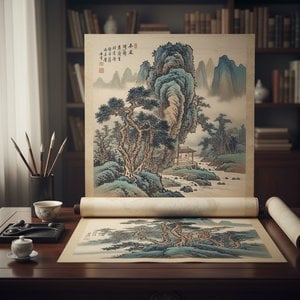
Pu Xinyu's 'Puru': A Legacy of Literati Painting & Emotional Resonance
Explore the captivating world of Pu Xinyu (Puru), the last great literati painter. Discover his imperial heritage, masterful ink wash techniques & enduring legacy – a valuable addition to any discerning art collection.
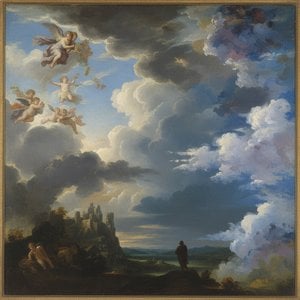
Ephemeral Visions: Clouds as Motif & Metaphor in Western Art History
Explore the captivating history of clouds in Western art! From Romantic masterpieces to Symbolist visions, discover how artists captured atmosphere, emotion & spirituality. A guide for collectors and enthusiasts.

Efemerowe Wyrażenia: Niuanse Malarstwa Tuszem w Historii i Sztuce Współczesnej
Poznaj fascynujący świat malarstwa tuszem! Odkryj historię, techniki i filozofię tej wyjątkowej sztuki azjatyckiej. Przewodnik po mistrzach pędzla i inspiracje dla współczesnych artystów.

Xie Zhiliu: A Legacy of Ink Wash Painting & Modern Chinese Literati Tradition
Explore the legacy of Xie Zhiliu, a master of Chinese ink wash painting & prominent figure in modern art. Discover his techniques, influences, and contributions to literati tradition. A guide for discerning collectors.