

 Podgląd w skali 1:1
 Wyślij jako kartkę
 Udostępnij
 Szczegóły dzieła
 Przewodnik

 Pobierz obraz
 Podobne obiekty
 RTG
RTG Pokaz slajdów
 Pytania i odpowiedzi
 Statystyki
Self-Portrait

- 98.0 x 83.0 cm


 Rozwiń treść
Giclée / Wydruk artystyczny
Wydruki giclée lub płótna o jakości muzealnej, szybka realizacja i szeroki wybór opcji wykończenia. ( Zamów ręcznie malowaną reprodukcję Przejdź do wersji cyfrowej)




P118B zł10

P118H zł10

P118W zł10

P438Z zł10

P508JH zł12

P508YH zł12

P805H zł10

P805Z zł10

P919BZ zł10

P919G zł10

P919XJ zł10

P959ZH zł10

P968JZ zł12

W106C zł8

W218G zł10

W218JH zł8

W218Y zł10

W307PJ zł10

W316G zł10

W316PJ zł8

W316Y zł10

W398PJ zł8

W4111J zł10

W500HY zł15

W500JH zł15

W692G zł12

W849H zł8

W940BG zł15

W953PJ zł8




Wybierz spośród naszych standardowych rozmiarów, które zachowują oryginalne proporcje dzieła sztuki.

Wpisz wymaganą szerokość i wysokość, aby dopasować grafikę do ramy lub ściany. Wydruk można jedynie przyciąć, nigdy nie powiększając go poza oryginalny obraz, dlatego format o innych proporcjach spowoduje utratę części kompozycji. Przed rozpoczęciem druku prześlemy Ci cyfrowy podgląd do zatwierdzenia. Obraz wyświetlany na tej stronie nie pokazuje rzeczywistego przycięcia — jedynie podgląd oddaje ten efekt.
Dostawa na cały świat () w ciągu 2 tygodni zamiast standardowych 4/5 tygodni. (5 Listopad)

Bezpłatna ekspresowa wysyłka na cały świat

Wysokiej jakości płótno lniane

Pełne ubezpieczenie przesyłki

Gwarancja zwrotu należności celnych i podatków importowych

Gwarancja wiernego odwzorowania kolorów

100-dniowa polityka zwrotów (tylko w przypadku wad)

Gwarancja 100% zwrotu pieniędzy

Zniżka przy zakupie wielu sztuk
 Opcja ze szkłem jest dostępna wyłącznie w rozmiarach poniżej 110 cm

Self-Portrait
Giclée / Wydruk artystyczny
Wymiary reprodukcji
-


Cena całkowita
zł 245
A Visionary Gaze: The Soul of Moritz Daniel Oppenheim’s Self-Portrait
In the quiet intensity of his 1814 Self-Portrait, we encounter more than just the likeness of a young man; we witness the dawn of a profound artistic identity. Moritz Daniel Oppenheim, a figure who would later become a pioneer of Jewish artistic representation in Germany, presents himself here with a striking blend of youthful ambition and classical poise. Holding his palette with a sense of quiet pride, the artist positions himself against the backdrop of a neoclassical statue, a deliberate choice that speaks to his aspirations for professional legitimacy within the rigorous academic traditions of his era. The composition is masterfully layered, featuring secondary figures that breathe life into the scene—one assisting in the portraiture process and another observing from the periphery—creating a narrative depth that hints at the social interconnectedness and the watchful eyes of a society in transition.
The technique employed in this masterpiece is a breathtaking marriage of German Romanticism and Classical restraint. Oppenheim demonstrates an extraordinary command over chiaroscuro, using dramatic contrasts between light and shadow to sculpt the forms of his own face and the cold, smooth surface of the marble statue. His brushwork is meticulous, capturing the subtle textures of fabric and the nuanced tonal shifts that give the skin a lifelike warmth. This technical precision does not merely serve to replicate reality; it serves to elevate the subject. The interplay of light suggests an inner illumination, reflecting the intellectual awakening of an artist finding his voice amidst the shifting cultural tides of nineteenth-century Europe.
Symbolism and the Weight of Heritage
Beyond the surface of the paint lies a rich tapestry of symbolism that resonates with anyone moved by the struggle for identity. The palette held in Oppenheim’s hand is not merely a tool of his trade, but a potent emblem of creative agency and the power of the intellect to document and shape culture. It represents his dedication to capturing the nuances of Jewish life during a period of immense transformation. In stark contrast, the neoclassical statue standing beside him embodies permanence, tradition, and the weight of the classical canon. This juxtaposition creates a beautiful tension between the enduring past and the dynamic, unfolding present—a central theme in Oppenheim’s life as he navigated the complexities of being a Jewish artist in a German society that was both restrictive and evolving.
For the discerning collector or interior designer, this work offers an unparalleled emotional depth. It is a piece that invites contemplation on themes of resilience, ambition, and the courage required to claim one's place in history. Whether placed in a curated gallery setting or as a focal point in a sophisticated study, this reproduction brings with it the spirit of a man who refused to let his heritage be silenced by prejudice. It is an invitation to celebrate the triumph of the human spirit and the enduring power of art to bridge the gap between tradition and modernity.
Pytania i odpowiedzi
W jaki sposób styl dzieła "Self-Portrait" odnosi się do epoki jego twórcy?
„Self-Portrait” – Moritz Daniel Oppenheim reprezentuje nurt Baroque, powstały w epoce – Wiek XIX swojego twórcy.
Gdzie mogę kupić wydruk „Self-Portrait” – Moritz Daniel Oppenheim?
Odbitkę dzieła „Self-Portrait” – Moritz Daniel Oppenheim można zamówić bezpośrednio na stronie Wydruk artystyczny premium: szlachetna odbitka na płótnie bawełnianym lub archiwalnym papierze o strukturze płótna.
Do jakiego pomieszczenia polecane jest dzieło „Self-Portrait” – Moritz Daniel Oppenheim?
Zalecaną przestrzenią dla „Self-Portrait” – Moritz Daniel Oppenheim jest Living Room. Sugestia ta może być oczywiście dostosowana do Twojego wnętrza.
Podobne dzieła


Biografia artysty
Wizjoner żydowskiej tożsamości
Moritz Daniel Oppenheim (1800-1882) jawi się jako postać niezwykła w annałach niemieckiej historii sztuki, będąc głębokim pionierem żydowskiej reprezentacji artystycznej. Urodzony w Hanau, w Niemczech, całe swoje życie i twórczość oparł na oddaniu dokumentowaniu oraz celebrowaniu niuansów żydowskiego życia i kultury podczas przełomowego dziewiętnastego stulecia. Często okrzykiwany pierwszym żydowskim malarzem, który osiągnął szerokie uznanie w głównym nurcie artystycznym, wyszedł daleko poza ramy zwykłego biografizmu, tworząc dzieło będące żywym wizualnym zapisem społeczności nawigującej przez zawiłości modernizacji, a jednocześnie usilnie starającej się zachować swoje święte tradycydje.
Artystyczna podróż Oppenheima rozpoczęła się od podstawowego szkolenia pod okiem Conrada Westermayra w jego rodzinnym mieście, gdzie po raz pierwszy chłonął zasady niemieckiego malarstwa romantycznego. Jednak to zapisanie się na Monachijskiej Akademii Sztuk w wieku siedemnastu lat stało się katalizatorem jego prawdziwego zawodowego wzrostu. To właśnie w tych prestiżowych murach szlifował swój warsztat u boku współczesnych mu mistrzów, takich jak Wilhelm Leibl czy Johann Baptist Eberhard Krauss. Pragnąc poszerzyć swoje horyzonty, Oppenheim wyruszył w transformującą podróż zagraniczną, udając się do Paryża, by studiować pod okiem Jean-Baptiste Regnault, a później do Rzymu. W Italii, pod wpływem takich luminarzy jak Bertel Thorwaldsen oraz malarz nurtu nazareńskiego Johann Friedrich Overbeck, jego styl ewoluował w stronę wyrafinowanego połączenia skrupulatnej obserwacji z klasycznym wpływem. Ten rzymski okres był szczególnie kluczowy, gdyż nasycił jego prace poczuciem historycznej powagi, która później nadała głębi jego przedstawieniom żydowskich rytuałów i codzienności.
Sztuka intymności i tradycji
Serce wkładu Oppenheima w sztukę tkwi w jego zdolności do przekształcania sfery domowej w scenę dla głębokiej narracji kulturowej. Jego obrazy często koncentrują się na intymnych scenach z życia żydowskiej rodziny, chwytając cichą godność rytuału i ciepło wspólnotowych więzi. Pod jego pędzlem to, co codzienne, staje się monumentalne. W dziełach takich jak Zakończenie Szabatu (Sabbath-Ausgang), stosuje on mistrzowski realizm i subtelny symbolizm, aby przedstawić przejmujące przejście ze świętego odpoczynku Szabatu z powrotem do świata doczesnego, zapraszając widza do bycia świadkiem sacrum rodzinnego obrzędu.
Jego umiejętność przeplatania kontekstu historycznego z osobistą emocją jest najbardziej widoczna w malarstwie rodzajowym, które dokumentuje konkretne kamienie milowe kultury. Na przykład:
- Wesele (Die Trauung): Zapierające dech w piersiach, niezwykle szczegółowe przedstawienie żydowskiego ślubu z 1866 roku wewnątrz frankfurckiego getta, gdzie Oppenheim uchwycił przepych tradycyjnych strojów i powagę baldachimu ślubnego, oferując rzadki, zachowany wgląd w odchodzący w niepamięć sposób życia.
- Powrót ochotnika: W tym oszałamiającym olejnym obrazie z 1834 roku artysta bada punkt styku żydowskiego dziedzictwa z szerszą historią Europy, portretując żołnierza powracającego z Wojen Wyzwoleńczych do rodziny wciąż żyjącej według starożytnych zwyczajów, co skutecznie ilustruje napięcie między politycznymi przemianami epoki napoleońskiej a trwającą niezmiennie tożsamością religijną.
Dziedzictwo i znaczenie historyczne
Poza biegłością techniczną, twórczość Oppenheima jest nierozerwalnie związana z ruchem Wissenschaft des Judentums – naukowym wysiłkiem mającym na celu ustanowienie historii i kultury żydowskiej jako szanowanej dziedziny akademickiej. Jego malarstwo funkcjonowało jako wizualna nauka, dostarczając godnej i autentycznej reprezentacji społeczności, która często była marginalizowana w szerokim europejskim kanonie sztuki. Przedstawiając żydowskie tematy z tym samym poziomem szczegółowości, godności i romantycznego przepychu, który zazwyczaj rezerwowano dla tematów arystokratycznych lub mitologicznych, rzucił wyzwanie istniejącym uprzedzeniom i zamanifestował wagę żydowskiej tożsamości w tkance kultury niemieckiej.
Ostatecznie dziedzictwo Moritza Daniela Oppenheima to dziedzictwo odporności i widoczności. On nie tylko malował sceny; on konstruował język wizualny dla ery przejściowej. Jego zdolność do uchwycenia delikatnej równowagi między starym a nowym światem sprawia, że jego twórczość pozostaje żywym punktem odniesienia dla zrozumienia żydowskiego doświadczenia XIX wieku, czyniąc go postacią nieodzowną zarówno w historii niemieckiego romantyzmu, jak i w globalnej narracji o sztuce żydowskiej.

Moritz Daniel Oppenheim
1800 - 1882 , Niemcy
Krótka nota
- Artistic Movement Or Style: Romantyzm
- Artists Who Influenced This Artist:
- Jean-Baptiste Regnault
- Bertel Thorwaldsen
- Barthold Georg Niebuhr
- Johann Friedrich Overbeck
- Date Of Birth: 7 stycznia 1800
- Date Of Death: 1882
- Full Name: Moritz Daniel Oppenheim
- Nationality: Niemiec
- Notable Artworks:
- Powrót ochotnika
- Mignon i harfista
- Włoska scena rodzajowa
- Komunia
- Błogosławieństwo Szabatowe
- Place Of Birth: Hanau, Niemcy
Powiązane artykuły

Trwała Spuścizna Formalnego Portretu: Władza, Tożsamość i Artystyczna Eksploracja
Odkryj fascynującą historię portretu formalnego – od antycznych korzeni po renesansowe arcydzieła. Analiza wpływu władzy, tożsamości i technik artystycznych na rozwój tego wyjątkowego gatunku sztuki.

Romantic Realism's Finest: 10 Masterpieces for Your Home | ArtsDot
Explore 10 defining masterpieces of Romantic Realism! Discover Courbet, Millet & Daumier's powerful paintings—capturing emotion and social realities. Find museum-quality reproductions for your home at ArtsDot.com.

Romantyczny Krajobraz w Malarstwie: 10 Arcydzieł, Które Zdefiniowały Epokę | ArtsDot.com
Odkryj 10 arcydzieł romantyzmu w malarstwie! Poznaj historie Caspara Davida Friedricha, Turnera i innych mistrzów. Inspiracje wnętrzarskie & reprodukcje obrazów najwyższej jakości na ArtsDot.com. Eksploruj kolekcję online!

10 Arcydzieł Ekspresjonizmu Niemieckiego, Które Zdefiniowały Epokę | ArtsDot
Poznaj 10 arcydzieł ekspresjonizmu niemieckiego – od Kirchnera po Muncha. Odkryj historię, emocje i techniki tych ikonicznych dzieł sztuki. Reprodukcje najwyższej jakości na ArtsDot.com. Eksploruj kolekcję online!
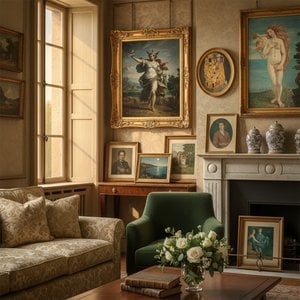
Romantyzm w sztuce: 10 arcydzieł dla miłośników piękna i dekoracji wnętrz | ArtsDot.com
Odkryj 10 arcydzieł romantyzmu! Poznaj historie miłosnych motywów w malarstwie, od Fryderyka Chopina po impresjonizm. Znajdź idealny obraz do swojego wnętrza i zainspiruj się na ArtsDot.com – reprodukcje najwyższej jakości.