


 Zobacz w skali 1:1
 Wyślij
 Udostępnij
 Szczegóły
 Przewodnik

 Pobierz plik obrazu
 Podobne obiekty
 RTG
RTG Pokaz slajdów
 Statystyki
Tiger
 Shui-mo Hua
 1901
1901 35.0 x 45.0 cm
 Czytaj więcej
Dzieło sztuki prezentowane na tej stronie podlega ochronie prawem autorskim, co oznacza, że nie mamy prawa do tworzenia ani sprzedaży jego identycznej reprodukcji. Ochrona ta jest egzekwowana na mocy umów międzynarodowych, takich jak Konwencja berneńska oraz przez przepisy prawa krajowego, w tym te określone w Prawo autorskie USA – Tytuł 17.
Jako pełną szacunku i legalną alternatywę oferujemy personalizowane, malowane ręcznie dzieła sztuki inspirowane oryginałem. Nasi wykwalifikowani i profesjonalni artyści starannie analizują styl, nastrój oraz artystyczną esencję pierwowzoru, aby stworzyć nowe, unikalne dzieło, które przywołuje te same emocje – pozostając jednocześnie w pełni oryginalną kreacją.
Metoda ta jest w pełni zgodna z przepisami prawa autorskiego, ponieważ nie polega na kopiowaniu ani powielaniu chronionego dzieła. Stanowi ona kreatywną reinterpretację – nowy obraz, który czerpie inspirację z oryginału, ale nie jest z nim tożsamy.
Ręcznie malowana reprodukcja olejowa
Ręcznie malowany obraz olejny na płótnie, wykonany na zamówienie przez naszych artystów w wybranym przez Ciebie wymiarze i oprawie. ( Przełącz na wersję drukowaną Przełącz na wersję cyfrową)




































Wybierz spośród naszych standardowych rozmiarów, które zachowują oryginalne proporcje dzieła sztuki.

Wpisz wymaganą szerokość i wysokość, aby obraz pasował do Twojej ramy lub ściany. Ponieważ jest to dzieło malowane ręcznie, w przypadku rozmiaru o innym proporcji artysta może domalować nieco więcej wokół obrazu lub przyciąć fragmenty — wybór należy do Ciebie. Przed rozpoczęciem pracy prześlemy Ci cyfrową wizualizację do zatwierdzenia. Obraz widoczny na tej stronie nie przedstawia rzeczywistego efektu — jedynie wizualizacja oddaje realny rezultat.
Po złożeniu zamówienia zespół ArtsDot.com skontaktuje się z klientem drogą mailową w celu uzyskania instrukcji i prześle wizualizację projektu
Dostawa na całym świecie () w ciągu 3–4 tygodni zamiast standardowych 5 tygodni. (25 Październik). Bez kompromisów w kwestii jakości.

Bezpłatna ekspresowa wysyłka na cały świat

Wysokiej jakości płótno lniane

Pełne ubezpieczenie transportowe

Gwarancja zwrotu należności celnych i podatków importowych

Gwarancja idealnego odwzorowania barw

100-dniowy okres na zwrot dzieła w przypadku wykrycia wad produkcyjnych

Gwarancja 100% zwrotu pieniędzy

Oferta przy zakupie wielu sztuk
 Opcja ze szkłem jest dostępna wyłącznie w rozmiarach poniżej 110 cm

Tiger
Technika wykonania
Rozmiar reprodukcji
-


Suma do zapłaty
zł 1009
Podobne dzieła


Biografia artysty
Early Life and Artistic Foundations
Miki Suizan, born Miki Saiichirō on July 15, 1887, in the small town of Kinashi, Hyogo Prefecture, northwest of Osaka, emerged from a Japan undergoing rapid transformation. The Meiji Restoration had irrevocably altered the nation’s social and artistic landscape, blending traditional aesthetics with burgeoning Western influences. While details surrounding his early upbringing remain somewhat scarce, it is known that Suizan demonstrated an aptitude for art at a young age, leading him to Kyoto in 1903 to begin formal studies under the esteemed nihonga painter Takeuchi Seihō. This mentorship proved pivotal; Seihō, a staunch advocate of traditional Japanese painting techniques and subject matter, instilled in Suizan a deep respect for the past while encouraging innovation within its established frameworks.
A Master of Bijin-ga and Sumi-e
Suizan quickly distinguished himself as a painter specializing in bijin-ga, portraits of beautiful women. However, his approach wasn’t merely replication of existing styles. He infused his depictions with a delicate lyricism and psychological depth that set him apart. His women weren't simply objects of beauty; they were imbued with personality, often captured in moments of quiet contemplation or graceful activity. Beyond bijin-ga, Suizan also excelled in sumi-e, monochrome ink wash painting—a discipline demanding both technical precision and profound artistic sensibility. His tiger paintings, for example, showcase a remarkable command of brushwork, conveying the animal’s power and majesty with expressive lines and atmospheric shading. This versatility allowed him to navigate diverse themes while maintaining a consistent aesthetic vision.
Exhibition Success and Recognition
From 1913 onward, Suizan consistently exhibited his work at prestigious government-sponsored exhibitions like Bunten, Teiten, and Shin-Bunten—venues that served as crucial platforms for establishing an artist’s reputation. A significant milestone arrived in 1932 when he was granted mukansa status at the 13th Teiten exhibition. This coveted designation reserved for artists who had made substantial contributions to contemporary painting, allowed Suizan to exhibit freely without undergoing the usual vetting process—a testament to his growing recognition and artistic merit.
Themes and Techniques
Suizan’s art is characterized by a harmonious blend of traditional Japanese aesthetics and subtle modern sensibilities. His bijin-ga often depict women engaged in everyday activities – preparing tea, arranging flowers, or simply lost in thought. These scenes are rendered with meticulous attention to detail, showcasing the elegance of kimono patterns, the delicate texture of hair ornaments, and the nuanced expressions on his subjects’ faces. His sumi-e works, such as the dynamic ‘Monkeys’ triptych, demonstrate a mastery of ink wash techniques, utilizing varying shades of grey to create depth, movement, and atmosphere. He skillfully employed both color and monochrome palettes, adapting his approach to suit the specific subject matter and desired emotional effect.
Legacy and Historical Significance
In 1952, Suizan embarked on a period living in the United States, holding individual exhibitions focused primarily on his bijin-ga. This exposure introduced his art to a Western audience, further solidifying his international reputation. While he returned to Japan in 1957, his passing that same year marked the end of a prolific career. Today, Miki Suizan is remembered as a significant figure in early 20th-century Japanese painting—a master of bijin-ga and sumi-e who successfully bridged tradition and modernity. His works are held in the collections of major museums worldwide, including the Tokyo Museum of Modern Art, the Kyoto Museum of Modern Art, and the Boston Museum of Fine Arts, ensuring his enduring legacy for generations to come.

Miki Suizan
1887 - 1957 , Japan
Najważniejsze informacje
- Full Name: Miki Saiichirō
- Nationality: Japanese
- Date Of Birth: 1887
- Date Of Death: 1957
- Place Of Birth: Kinuishi, Japan
- Notable Artworks:
- Tiger
- Monkeys
- Artistic Movement Or Style: Nihonga, Bijin-ga
- Artists Who Influenced This Artist: ['Takeuchi Seiho']
Zobacz także powiązane artykuły

Xie Zhiliu: A Legacy of Ink Wash Painting & Modern Chinese Literati Tradition
Explore the legacy of Xie Zhiliu, a master of Chinese ink wash painting & prominent figure in modern art. Discover his techniques, influences, and contributions to literati tradition. A guide for discerning collectors.

Efemerowe Wyrażenia: Niuanse Malarstwa Tuszem w Historii i Sztuce Współczesnej
Poznaj fascynujący świat malarstwa tuszem! Odkryj historię, techniki i filozofię tej wyjątkowej sztuki azjatyckiej. Przewodnik po mistrzach pędzla i inspiracje dla współczesnych artystów.

The Beauty of Ink Wash: Discover Serene & Soulful Art for Your Home
Discover the tranquil beauty of ink wash painting. Explore how Sumi-e and monochrome landscapes bring Zen-inspired serenity and soulful elegance to your home decor through expert curation and timeless East Asian aesthetics.

Katsushika Hokusai: 25 Arcydzieł Sztuki Japońskiej dla Kolekcjonerów i Miłośników Dekoracji
Odkryj 25 arcydzieł Katsushika Hokusai, mistrza ukiyo-e! Poznaj historię Wielkiej Fali i innych ikonicznych drzeworytów. Inspiracje wnętrzarskie i reprodukcje obrazów najwyższej jakości na ArtsDot.com – sztuka japońska dla Twojego domu.
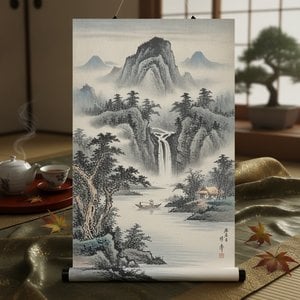
Serenity on Canvas: A Guide to the Timeless Beauty of Japanese Landscape Painting
Discover the serene beauty of Japanese landscape painting. From Hokusai's iconic woodblock prints to meditative sumi-e ink washes, explore a visual journey through the 'floating world' and learn how to bring this timeless Zen aesthetic into your modern home decor.